Bin Indicator
Bin Indicator
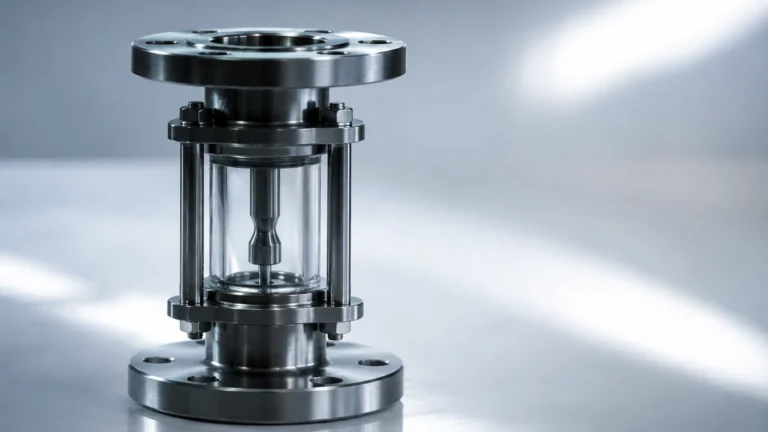
In industrial bulk handling and liquid storage, a bin indicator serves as a critical component for process automation and inventory management. These devices, often referred to as level switches or level sensors, provide real-time data regarding the presence or absence of material at specific points within a vessel. Whether managing grain silos, chemical tanks, or aggregate hoppers, selecting the appropriate bin indicator requires a deep understanding of the physical properties of the media and the mechanical environment of the container.
Reliable level detection prevents costly overfills, protects downstream equipment from running dry, and optimizes supply chain logistics. This guide examines the fundamental principles of bin indication technology, provides selection frameworks for engineering teams, and outlines best practices for installation and maintenance.
Core Measurement Principles of Bin Indicators
Before selecting a device, it is essential to understand the underlying physics used to detect material. Bin indicators are generally categorized into point-level detection (on/off) and continuous level measurement.
1. Rotary Paddle (Electromechanical)
The rotary paddle is one of the most common technologies for dry bulk solids. A low-speed motor rotates a paddle inside the bin. When the material level reaches the paddle, it creates mechanical resistance, stalling the motor. This stall triggers a microswitch that provides an electrical signal (high or low level). Once the material level drops, the paddle is freed, and the motor resumes rotation.
* Best for: Granular solids, powders, and aggregates.
* Advantage: Simple, low-cost, and unaffected by dielectric constant or dust.
2. Vibrating Level Switches (Tuning Fork or Rod)
These sensors utilize piezoelectric crystals to vibrate a metal fork or rod at its natural resonant frequency. When the sensing element is covered by material (liquid or solid), the frequency or amplitude of the vibration changes. The internal electronics detect this damping effect and switch the output state.
* Best for: Fine powders, low-density solids, and liquids.
* Advantage: No moving parts to wear out; highly sensitive to light materials (down to 20 g/L).
3. Capacitance (RF Admittance)
Capacitance sensors treat the bin wall and the sensor probe as two plates of a capacitor. As material fills the space between them, the dielectric constant changes, altering the total capacitance. Advanced RF admittance versions use an "active shield" to ignore material build-up on the probe, which is a common failure point in sticky applications.
* Best for: Liquids, slurries, and solids with consistent moisture content.
* Advantage: Can withstand high temperatures and pressures.
4. Ultrasonic and Radar (Non-Contact)
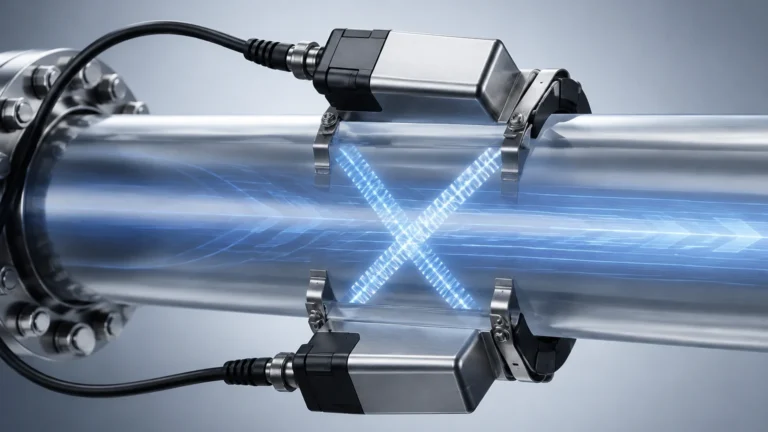
These technologies use the time-of-flight (ToF) principle. A sensor emits a pulse (sound for ultrasonic, electromagnetic waves for radar) that reflects off the material surface and returns to the sensor. The time taken is proportional to the distance. While often used for continuous measurement, they can be configured to act as a high-accuracy bin indicator.
* Best for: Corrosive liquids, tall silos, and applications where contact is prohibited.
* Advantage: No contact with the media reduces maintenance and contamination risks.
For a technical deep dive into these technologies and their specific industrial applications, engineers can refer to the Welk Main Page for detailed product specifications and selection tools.
Key Evaluation Criteria for Selection
Choosing the wrong bin indicator can lead to frequent false alarms or sensor failure. Engineering teams must evaluate the following parameters before procurement:
Material Characteristics
* Bulk Density: Essential for mechanical indicators like rotary paddles or vibrating rods. Light materials (e.g., perlite) require high-sensitivity sensors.
* Particle Size: Large, heavy rocks can damage delicate vibrating forks, whereas fine dust may require sensors with high ingress protection (IP) ratings.
* Moisture Content: Fluctuating moisture affects the dielectric constant, which can cause inaccuracies in standard capacitance probes.
* Abrasiveness/Corrosiveness: Highly abrasive materials like coal or ores require hardened paddles or non-contact radar solutions.
Process Conditions
* Temperature: Standard sensors typically handle up to 80°C (176°F), but specialized high-temperature versions with cooling fins can operate above 250°C (482°F).
* Pressure: Vacuum or high-pressure reactors (e.g., 40 bar / 580 psi) require pressure-rated process connections and seals.
* Vibration: Heavy machinery near the bin can cause false triggers in vibrating rod sensors if the frequencies overlap.
Practical Selection Table
| Technology | Media Type | Density Range | Max Temp (Std) | Key Advantage |
| :— | :— | :— | :— | :— |
| Rotary Paddle | Dry Solids | >100 g/L | 80°C | Robust & Low Cost |
| Vibrating Rod | Powders/Granules | >20 g/L | 150°C | No moving parts |
| Capacitance | Liquids/Solids | N/A | 200°C+ | High Temp/Pressure |
| Ultrasonic | Liquids/Slurries | N/A | 60°C | Non-contact |
| Radar (80GHz) | All Media | N/A | 250°C | High Accuracy/Dust Proof |
Installation and Maintenance Considerations
Proper placement of a bin indicator is as important as the technology itself. Even the most advanced sensor will fail if installed in a location that does not represent the true material level.
Mounting Location
* Avoid the Fill Stream: Never install a sensor directly in the path of incoming material. The impact can cause mechanical damage or constant false-positive readings.
* Angle of Repose: In solids, material forms a cone. A high-level indicator near the wall will trigger later than one in the center. Calculations must account for the material's angle of repose to ensure the bin does not overflow before the sensor triggers.
* Side vs. Top Mounting: Rotary paddles are often side-mounted to detect specific levels, while radar and ultrasonic units are typically top-mounted for a clear view of the surface.
Mechanical Protection
In heavy-duty applications, a protective baffle or "dog house" should be installed above the sensor. This shield deflects the weight of the material column, preventing the probe or paddle from being bent or sheared off during bin discharge.
Wiring and Signal Integrity
* Cable Glands: Ensure cable glands point downward to prevent moisture from entering the housing via the conduit.
* Fail-Safe Modes: Configure the unit to a fail-safe high (FSH) or fail-safe low (FSL) state. In FSH, the relay de-energizes when the bin is full or power is lost, preventing an overflow.
Common Risks and Limitations
While modern bin indicators are highly reliable, certain environmental factors can introduce risks:
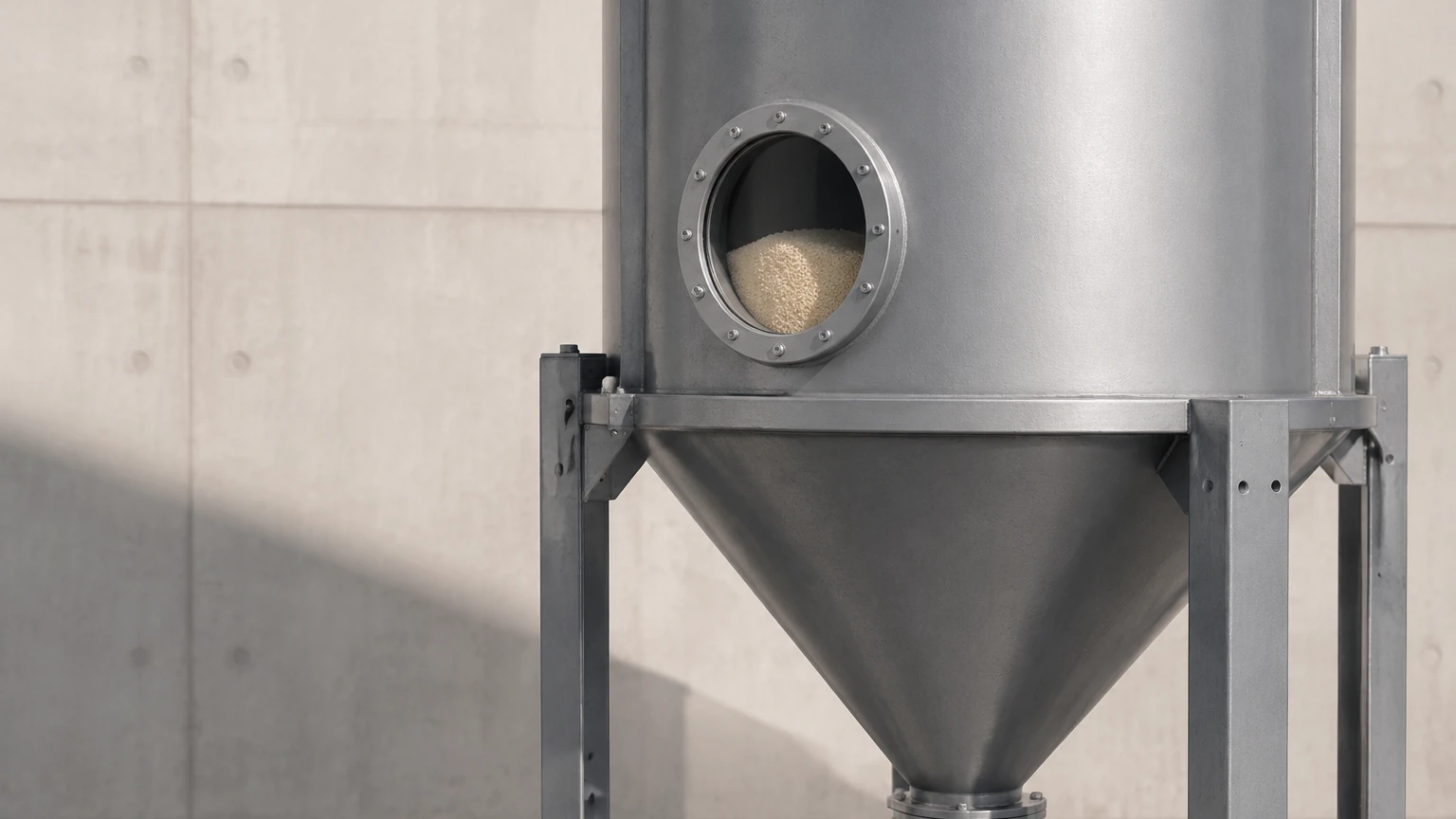
1. Material Bridging: In cohesive powders, material may cling to the walls while the center empties (rat-holing) or bridge over the sensor. This results in the indicator showing the bin is full when it is actually empty.
2. Dust Interference: While radar penetrates dust easily, ultrasonic sensors can struggle in extremely dusty environments as the sound waves are scattered or absorbed.
3. Coating/Buildup: Sticky materials can coat the sensing element. If the sensor cannot distinguish between the coating and the actual bulk level, it will remain in a permanent "triggered" state.
4. Static Electricity: The movement of dry plastics or grains can generate significant static charges. Sensors must be properly grounded to prevent damage to the internal electronics.
Frequently Asked Questions (FAQs)
Q: Can a single bin indicator be used for both high and low levels?
A: No. A point-level indicator only detects the presence of material at its specific mounting height. To detect both high and low levels, you must install two separate units: one near the top and one near the bottom. Alternatively, a continuous level sensor (like radar) can monitor the entire range.
Q: How do I handle bins with internal agitators?
A: Non-contact sensors are preferred. If using a contact-based bin indicator, it must be positioned far enough from the agitator blades to avoid mechanical interference, and the electronics should have a programmable time delay to ignore momentary contact with the blades.
Q: What is the difference between a bin indicator and a level transmitter?
A: An indicator (or switch) provides a binary output (on/off) at a specific point. A transmitter provides a continuous signal (e.g., 4-20mA or Modbus) representing the exact percentage of material in the bin at all times.
Conclusion
Selecting the right bin indicator is a balance between material properties, process demands, and budget. For simple solids handling, the rotary paddle remains an industry standard due to its mechanical simplicity. However, for complex chemical processes or high-precision requirements, vibrating forks and non-contact radar offer superior longevity and reduced maintenance.
By following the measurement principles and installation guidelines outlined above, facilities can significantly improve their operational safety and efficiency. For further technical assistance and to view a full range of industrial measurement solutions, visit the Main Page of Welk's engineering resource center.