Cps41e
Cps41e
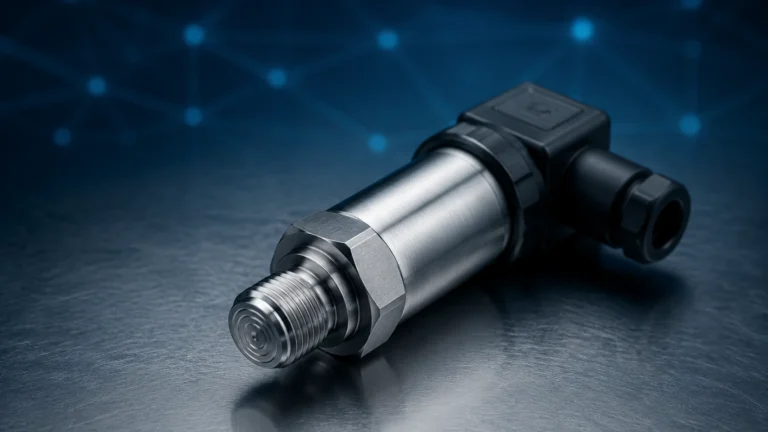
In the landscape of industrial process control, the accurate measurement of liquid properties is essential for ensuring product quality, equipment longevity, and environmental safety. While level measurement provides critical data regarding the volume and presence of media, liquid analysis—specifically pH measurement—offers insight into the chemical state of the process. The cps41e represents a specialized category of digital pH sensors designed for demanding applications where traditional sensors might fail due to contamination or measurement drift.
This article explores the technical foundations of the cps41e, its measurement principles, and how it integrates into broader process automation systems alongside level measurement solutions. For engineers and procurement specialists looking for comprehensive instrumentation, understanding the synergy between analysis and level monitoring is the first step toward optimized plant performance. For more information on primary level measurement instruments, you may visit the Main Page.
Measurement Principles of pH and Digital Sensing
Before evaluating specific hardware like the cps41e, it is vital to understand the underlying physics of potentiometric pH measurement and the digital transformation of these signals.
The Potentiometric Principle
pH measurement is based on the Nernst equation, which describes the relationship between the electrical potential of an electrode and the hydrogen ion activity in a solution. A standard pH sensor consists of two main components:
1. The Glass Electrode: A sensing element with a hydrogen-ion-sensitive glass membrane. When immersed, a gel layer forms on the outside of the membrane, and a potential develops based on the pH value of the liquid.
2. The Reference Electrode: This provides a stable, independent potential against which the glass electrode's potential is measured.
The difference between these two potentials is converted into a pH value. However, in industrial environments, this millivolt-level signal is highly susceptible to moisture, electromagnetic interference (EMI), and cable resistance.
The Digital Advantage: Memosens Technology
The cps41e utilizes digital technology (often referred to as Memosens) to overcome the limitations of analog sensors. Instead of transmitting a sensitive analog voltage through a cable, the sensor converts the signal into a digital protocol directly within the sensor head.
Key advantages of this digital principle include:
* Inductive Signal Transfer: The connection between the sensor and the cable is non-contact (inductive). This eliminates the risk of corrosion or short circuits caused by moisture in the connector.
* Data Storage: The sensor head stores calibration data, total hours of operation, and exposure to extreme temperatures. This allows for "plug-and-play" functionality, where sensors can be calibrated in a laboratory and deployed in the field without onsite recalibration.
* Signal Integrity: Digital signals are immune to cable length issues and environmental noise, ensuring that the value recorded at the transmitter is identical to the value measured at the source.
Technical Features of the Cps41e
The cps41e is engineered for applications that require high precision and fast response times, particularly in media with low conductivity or where the junction is prone to clogging.
Liquid KCl Electrolyte
Unlike gel-filled sensors, the cps41e typically uses a refillable liquid potassium chloride (KCl) electrolyte. This design ensures a constant, high flow rate of electrolyte through the junction into the process medium. This positive pressure prevents the process liquid from entering the sensor and contaminating the reference system, which is a common cause of sensor drift and failure.
Ceramic Junctions
The sensor often features a high-quality ceramic junction. Ceramics provide a porous barrier that allows the electrolyte to complete the electrical circuit with the process medium while maintaining structural integrity under pressure. In the cps41e, the combination of a liquid electrolyte and a ceramic diaphragm makes it suitable for processes with rapid temperature changes or high chemical aggressiveness.
Temperature Compensation
Because pH values are temperature-dependent, the cps41e includes an integrated temperature sensor (typically a Pt100 or Pt1000). This allows the transmitter to perform real-time temperature compensation, ensuring the accuracy of the pH reading regardless of thermal fluctuations in the process tank.
Selection Criteria for Process Instrumentation
Choosing the right sensor requires an analysis of the process conditions. The following table compares the cps41e with standard pH sensors to assist in the selection process.
| Feature | Standard Gel Sensor | Cps41e (Liquid Electrolyte) |
| :— | :— | :— |
| Electrolyte Type | Fixed Gel | Refillable Liquid KCl |
| Response Time | Moderate | Fast |
| Conductivity Range | >50 µS/cm | <10 µS/cm (Ultra-pure water) |
| Maintenance | Low (Disposable) | Moderate (Requires KCl top-up) |
| Pressure Stability | Limited | High (with pressurized assembly) |
| Accuracy | Standard | High Precision |
Synergy with Level Measurement Solutions
In industrial tank management, pH analysis and level measurement are often inseparable. For instance, in a chemical neutralization tank, a level meter ensures the tank does not overflow, while a pH sensor like the cps41e controls the dosing of reagents.
Integrating Level and Analysis
Welk provides a range of level measurement technologies that complement analysis sensors in these environments:
* Radar Level Meters: Ideal for non-contact measurement in tanks where the chemical composition might be corrosive or volatile. Radar is unaffected by the vapors that might be present in a pH-adjusted tank.
* Ultrasonic Level Sensors: A cost-effective solution for water treatment applications where the cps41e is used to monitor effluent quality.
* Hydrostatic Transmitters: Used for continuous level monitoring in deep tanks where the pH sensor is often mounted in a bypass or a flow-through assembly.
Reliable level data ensures that the pH sensor remains submerged. If the liquid level drops below the sensor's installation point, the pH electrode will dry out, leading to permanent damage to the hydrated gel layer and requiring replacement. Reviewing product options and application support at the Main Page can help engineers design a holistic monitoring system.
Installation Considerations
Proper installation is critical to the longevity of the cps41e. Because it uses a liquid electrolyte, orientation and pressure management are paramount.
1. Mounting Angle: The sensor should be installed at an angle of at least 15° from the horizontal. This ensures that air bubbles within the glass bulb rise to the top, maintaining full contact between the internal buffer and the pH-sensitive glass.
2. Pressurized Assemblies: If the process pressure exceeds the hydrostatic pressure of the electrolyte column, a pressurized assembly (such as the CPA250 or similar) must be used. This maintains a positive flow of KCl out of the sensor.
3. Flow Velocity: In flow-through installations, the velocity of the medium should be controlled. Excessive turbulence can cause mechanical stress on the ceramic junction, while stagnant flow can lead to representative sampling errors.
4. Cable Routing: Even though digital signals are robust, cables should be routed away from high-voltage power lines to minimize any potential inductive interference on the digital bus.

Maintenance and Calibration
The cps41e requires a structured maintenance regimen to ensure peak performance:
* Cleaning: Depending on the medium, the sensor may accumulate scale, oils, or biological growth. Cleaning should be performed with mild detergents, dilute hydrochloric acid (for lime scale), or specialized protein cleaning agents.
* Calibration: Regular calibration using certified buffer solutions (e.g., pH 4.0 and pH 7.0) is necessary. The digital nature of the sensor allows for "Lab-to-Process" calibration, where a pre-calibrated sensor is swapped into the process, reducing downtime.
* Electrolyte Replenishment: The KCl reservoir must be checked periodically. If the electrolyte level is too low, the reference potential will become unstable.
Limitations and Common Risks
While the cps41e is a robust instrument, it is not universal. Engineers should be aware of the following limitations:
* Hydrofluoric Acid (HF): pH glass is susceptible to attack by hydrofluoric acid. If HF is present in concentrations above a few milligrams per liter, the glass membrane will dissolve. Specialized antimony or HF-resistant glass sensors should be used instead.
* Extreme Pressures: Without a pressure-compensated housing, the liquid electrolyte will be forced out too quickly or the sensor may implode.
* Dehydration: If the sensor is left in a dry tank for extended periods, the junction and the glass membrane will dehydrate. Always store the sensor in a 3M KCl solution when not in use.
Frequently Asked Questions (FAQs)
Q: How often should I calibrate the cps41e?
A: Calibration frequency depends entirely on the process. In stable water treatment applications, monthly calibration may suffice. In aggressive chemical processes, weekly or even daily checks may be required. The sensor's internal diagnostics can often signal when a calibration is necessary based on slope and zero-point drift.
Q: Can the cps41e be used in hazardous areas?
A: Yes, most digital sensors of this type are available with ATEX, FM, or CSA certifications for use in explosive atmospheres, provided they are connected to an intrinsically safe transmitter or barrier.
Q: What is the typical lifespan of the sensor?
A: In benign conditions, the sensor can last 12 to 24 months. In high-temperature or highly alkaline processes, the lifespan may be reduced to 3 to 6 months. The liquid electrolyte design generally offers a longer life than gel sensors in harsh conditions.
Q: Does the sensor work with any transmitter?
A: No, the cps41e requires a transmitter compatible with the specific digital protocol (Memosens). It cannot be connected directly to a standard analog pH input.
Conclusion
The cps41e is a cornerstone of modern liquid analysis, providing the precision and reliability required for sophisticated industrial processes. By utilizing a liquid electrolyte and digital signal processing, it addresses the most common failure points of traditional pH electrodes. When integrated with high-quality level measurement instruments from manufacturers like Welk, it forms part of a robust process control strategy that ensures safety and efficiency. For further technical specifications on level sensors that work in tandem with analytical probes, visit the Main Page.