Daily Water Monitoring Companies
Daily Water Monitoring Companies
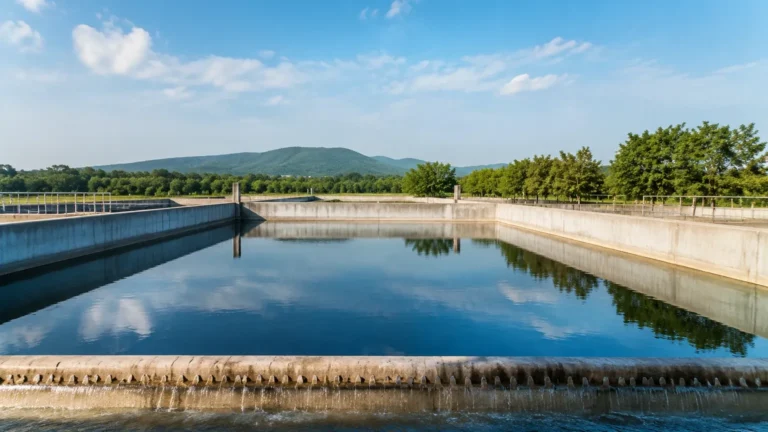
In the landscape of industrial automation and municipal infrastructure, the role of daily water monitoring companies has shifted from providing simple hardware to delivering integrated data solutions. Reliable water level measurement is the cornerstone of resource management, environmental compliance, and process safety. Whether managing a wastewater treatment plant, a chemical processing facility, or a remote reservoir, selecting the right instrumentation partner is critical for operational continuity.
Effective daily monitoring requires a deep understanding of sensor physics and the environmental variables that can influence accuracy. This guide examines the core technologies employed by leading daily water monitoring companies, provides a framework for technology selection, and outlines best practices for installation and maintenance.
Core Measurement Principles for Daily Monitoring
Before evaluating specific vendors or systems, it is essential to understand the physical principles governing level measurement. Daily water monitoring typically relies on one of three primary technologies: hydrostatic pressure, ultrasonic time-of-flight, or radar (microwave) reflection.
Hydrostatic Level Measurement
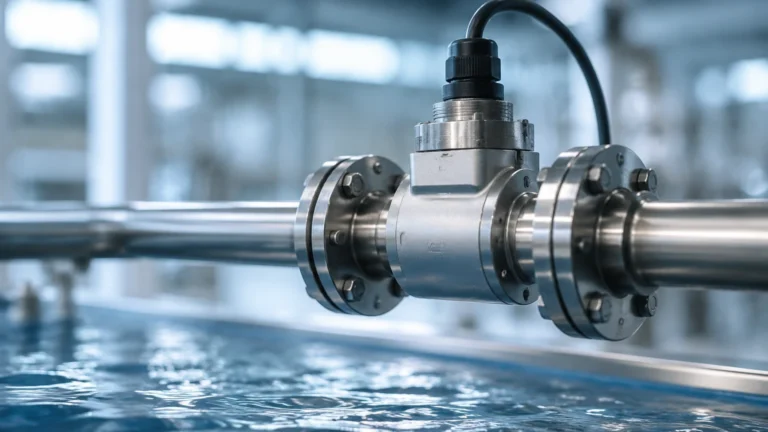
Hydrostatic transmitters measure the pressure exerted by a liquid column at a fixed point. This pressure is directly proportional to the height of the liquid above the sensor, according to the formula: $P = \rho \cdot g \cdot h$, where $P$ is pressure, $\rho$ is the density of the fluid, $g$ is gravity, and $h$ is the height of the liquid.
* Advantages: Simple to install (submersible or externally mounted), cost-effective, and unaffected by surface foam or turbulence.
* Limitations: Highly sensitive to changes in fluid density or temperature. If the water has high sediment content, the sensor diaphragm can become fouled.
Ultrasonic Level Measurement
Ultrasonic sensors emit high-frequency sound pulses that travel through the air, bounce off the water surface, and return to the transducer. The device calculates the distance based on the time it takes for the echo to return.
* Advantages: Non-contact measurement, meaning the sensor is not corroded by the fluid. Ideal for open channels and sumps.
* Limitations: Accuracy is affected by air temperature, wind, and heavy steam. Sound waves can also be absorbed by thick foam, leading to signal loss.
Radar Level Measurement
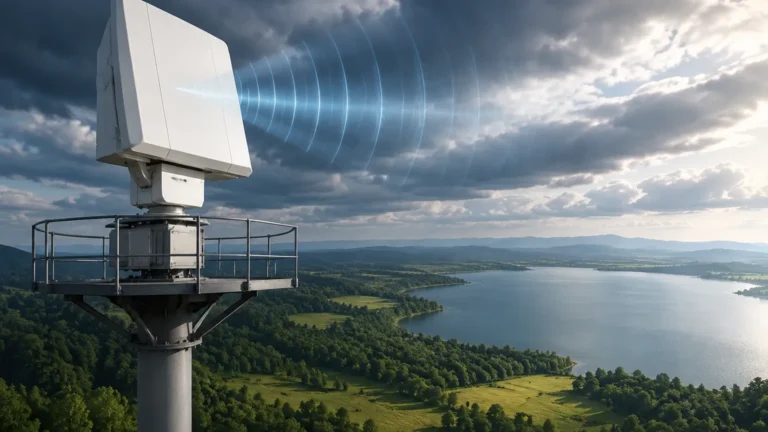
Radar transmitters utilize high-frequency electromagnetic waves (typically in the 26 GHz or 80 GHz range). Like ultrasonic sensors, they measure time-of-flight, but because they use microwaves rather than sound, they are unaffected by air temperature, pressure, or vacuum conditions.
* Advantages: Extremely high precision (often within ±2 mm), works in heavy steam or dust, and is suitable for high-pressure tanks.
* Limitations: Higher initial capital expenditure compared to ultrasonic or hydrostatic options.
Evaluating Daily Water Monitoring Companies and Technologies
When vetting daily water monitoring companies, procurement and engineering teams must look beyond the unit price of a sensor. The total cost of ownership (TCO) is influenced by the instrument’s longevity, calibration requirements, and ease of integration into existing SCADA (Supervisory Control and Data Acquisition) systems.
Key Evaluation Criteria
1. Sensor Durability and Material Compatibility: For water treatment applications involving chemicals (like chlorine or acids), sensors must be constructed from resistant materials such as PVDF, PTFE, or high-grade stainless steel (316L).
2. Data Integration: Modern monitoring requires more than a local display. Look for instruments that support 4-20mA HART, RS485 Modbus, or wireless IoT protocols (LoRaWAN, NB-IoT) for remote data logging.
3. Application Expertise: A provider should be able to offer customized solutions, such as OEM/ODM services, to ensure the instrument fits the specific physical constraints of the site.
4. Certifications: Ensure the equipment meets international standards such as IP68 for ingress protection or ATEX/IECEx for hazardous environments.
For those seeking a comprehensive range of professional industrial instruments, you can Review product options and application support to find solutions tailored to specific industrial requirements.
Selection Matrix for Water Level Instrumentation
Choosing the correct technology depends on the specific environment of the water source. The following table provides a comparison of common industrial level measurement technologies used by daily water monitoring companies.
| Technology | Typical Range | Accuracy | Best For | Main Limitation |
| :— | :— | :— | :— | :— |
| Hydrostatic | 0.5m – 200m | ±0.25% to 0.5% | Deep wells, reservoirs, vented tanks | Fluid density changes |
| Ultrasonic | 0.3m – 15m | ±0.25% | Open channels, wastewater sumps | Steam, foam, wind |
| Radar (80 GHz) | 0.1m – 120m | ±2 mm | Chemical tanks, high-precision needs | Higher initial cost |
| Magnetic Gauge | 0.3m – 6m | ±5 mm | Boiler water, visual monitoring | Mechanical moving parts |
| Level Switch | Point detection | N/A | Overfill protection, pump control | No continuous data |
Installation Guidelines and Best Practices
The performance of even the most advanced sensor can be compromised by poor installation. Daily water monitoring companies often cite installation errors as the primary cause of inaccurate readings.
Positioning and Mounting
* Avoid the Inflow: Sensors should never be mounted directly above the pipe where water enters the tank or channel. The turbulence and air entrainment will cause erratic readings.
* Dead Zones (Blocking Distance): Every non-contact sensor (ultrasonic or radar) has a "dead zone" near the face of the transducer where it cannot measure. Ensure the maximum water level remains below this threshold.
* Stilling Wells: In applications with heavy surface agitation or foam, installing the sensor inside a stilling well (a vertical pipe with vent holes) can provide a calm surface for accurate measurement.
Environmental Protection
* Sun Shields: For outdoor ultrasonic installations, a sun shield is recommended to prevent the sensor body from heating up, which can skew the internal temperature compensation and lead to errors.
* Cable Management: Use vented cables for hydrostatic sensors to allow for atmospheric pressure compensation. Ensure these cables are protected from mechanical damage and UV exposure.
Operational Limitations and Risk Mitigation
While daily water monitoring companies strive for 100% uptime, engineers must account for potential failure modes:
1. Signal Interference: In metal tanks, radar signals can reflect off internal structures like ladders or agitators. Modern radar units use "False Echo Suppression" software to map out these obstructions.
2. Biofouling: In raw water or sewage applications, biological growth can accumulate on sensor faces. Regular cleaning schedules or the use of self-cleaning ultrasonic transducers can mitigate this risk.
3. Power Surges: Water monitoring sites are often located in open areas prone to lightning strikes. Incorporating surge protection on the 4-20mA loop is a standard industrial precaution.
Frequently Asked Questions (FAQs)
Q: How often should water level sensors be calibrated?
A: For most industrial applications, an annual calibration check is sufficient. However, in regulated municipal water systems, semi-annual calibration may be required to ensure compliance with local standards.
Q: Can one sensor type work for all water applications?
A: No. While radar is the most versatile, it may be overkill for a simple sump pump application where a low-cost ultrasonic sensor or a float switch would suffice. Selection should always be based on the specific physical properties of the site.
Q: What is the difference between a level transmitter and a level switch?
A: A level transmitter provides continuous data (e.g., "the tank is 42% full"), whereas a level switch provides point detection (e.g., "the tank is full" or "the tank is empty"). Daily monitoring usually requires a transmitter for trend analysis.
Q: How does distance affect the accuracy of ultrasonic sensors?
A: As the distance increases, the sound wave spreads out and loses energy. Furthermore, the air through which the sound travels may have temperature gradients. Generally, the further the target, the higher the potential for environmental interference.
Conclusion
Selecting the right partner among daily water monitoring companies involves a balance of technical capability, product reliability, and application-specific knowledge. By understanding the principles of hydrostatic, ultrasonic, and radar measurement, and by following rigorous installation standards, industrial operators can ensure accurate, long-term data collection. For more detailed technical specifications and to explore high-performance level measurement hardware, visit the Main Page for comprehensive product support and engineering resources.