Def Sending Unit
Def Sending Unit
In the landscape of modern emission control, the Diesel Exhaust Fluid (DEF) sending unit stands as a critical component for ensuring compliance with global environmental standards. As industries transition toward cleaner energy and stricter nitrogen oxide (NOx) regulations, understanding the technical nuances of fluid management becomes essential for fleet operators, plant managers, and equipment manufacturers. A DEF sending unit is not merely a level sensor; it is a multi-functional assembly designed to monitor fluid levels, track temperature, and often manage the thermal state of the urea solution to prevent freezing.
Diesel Exhaust Fluid, typically a solution of 32.5% high-purity urea and 67.5% deionized water, is highly sensitive to environmental conditions. It begins to crystallize at temperatures below -11°C (12°F) and can degrade if exposed to excessive heat or contaminants. Consequently, the measurement technology used within a DEF tank must be robust enough to handle these chemical properties while providing high-precision data to the Selective Catalytic Reduction (SCR) system.
Measurement Principles of DEF Sending Units
Before selecting a specific unit, it is vital to understand the physics governing the measurement. Most industrial and heavy-duty DEF sending units utilize one of three primary principles to determine fluid levels.
Magnetic Reed Switch Technology
This is the most common principle for onboard vehicle tanks. The unit consists of a vertical stem containing a series of hermetically sealed reed switches. A float, containing a permanent magnet, slides up and down the stem as the fluid level changes. When the magnet passes a reed switch, it closes the circuit, altering the total resistance or digital signal sent to the control unit. This method is favored for its durability and resistance to the vibration common in industrial machinery.
Capacitive Level Sensing
Capacitive sensors measure the change in capacitance between two conductive plates (or a probe and the tank wall) as the fluid level rises. Since DEF has a consistent dielectric constant, this method allows for continuous, non-mechanical measurement. Because there are no moving parts, capacitive units are less prone to mechanical wear, though they can be sensitive to urea crystallization on the probe surface.
Ultrasonic and Radar Measurement
For larger industrial bulk storage tanks, non-contact methods such as ultrasonic or radar sensors are often preferred. These devices emit a pulse that reflects off the surface of the liquid. By measuring the time-of-flight, the sensor calculates the distance to the fluid. While more expensive, these are ideal for high-volume storage where the sensor should not come into direct contact with the corrosive urea solution. For broader industrial applications, engineers often consult the Main Page of specialized manufacturers to compare these high-precision technologies.
Key Components and Integrated Functions
A modern def sending unit is rarely a single-purpose device. In B2B applications, especially for heavy machinery and power generation, these units are integrated assemblies that perform several tasks simultaneously.
1. Level Sensing: Providing real-time data to prevent the "limp mode" or engine derate that occurs when DEF tanks are empty.
2. Temperature Monitoring: DEF must be maintained within a specific temperature range to remain effective. The sending unit includes an integrated thermistor (usually an NTC or PTC sensor) to feed data to the engine control module (ECM).
3. Heating Elements: Because DEF freezes at -11°C, many sending units incorporate a heating loop. This loop typically circulates engine coolant through a stainless steel tube within the tank to thaw frozen fluid or maintain the liquid state in cold climates.
4. Suction and Return Lines: The unit often serves as the manifold for the SCR system, containing the pickup tube that draws DEF to the doser and a return line for excess fluid.
5. Filtration: Integrated mesh filters at the base of the suction tube prevent urea crystals or debris from entering the sensitive SCR pump and injector.
Technical Selection Criteria
Choosing the correct def sending unit requires an evaluation of the operating environment and the physical dimensions of the storage system. The following table outlines the primary considerations for engineering procurement.
| Feature | Standard Duty | Heavy Duty / Industrial |
| :— | :— | :— |
| Material | Nylon / Plastic | 316L Stainless Steel |
| Signal Output | Resistance (0-190Ω / 240-33Ω) | CAN Bus (J1939) / 4-20mA |
| Operating Temp | -40°C to +85°C | -40°C to +120°C |
| Heating Method | None / Electric | Coolant Loop / Electric |
| Mounting Type | 5-Hole Bolt / Bayonet | Threaded (NPT/G) / SAE Flange |
| Accuracy | ±5% to ±10% | ±1% to ±2% |
When specifying a unit, the tank depth is the most critical physical dimension. The sensor must reach within 10mm to 15mm of the tank bottom to ensure accurate "empty" readings and to maximize the usable volume of the fluid. Furthermore, the material compatibility is non-negotiable; DEF is corrosive to copper, brass, and carbon steel. Only approved plastics (like HDPE) or high-grade stainless steel should be used in the construction of the unit.
Installation and Integration Best Practices
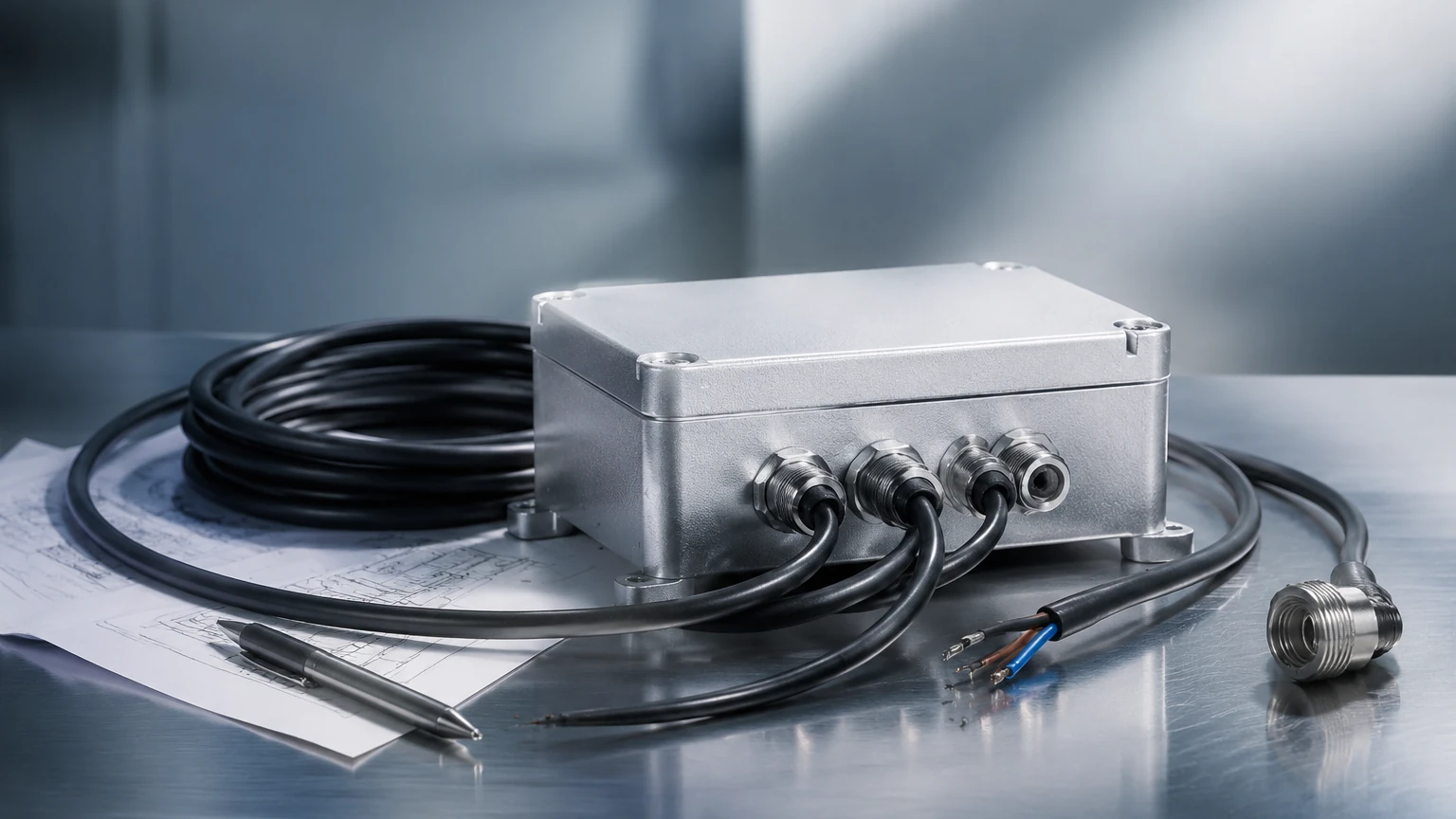
Proper installation of a def sending unit is essential to prevent leaks and ensure signal integrity. Engineers should adhere to the following guidelines during the integration phase:
Port Preparation and Sealing
Ensure the mounting port on the tank is free of burrs or debris. If using a flange mount, a DEF-compatible gasket (typically EPDM or Viton) must be used. Avoid using standard silicone sealants, as they can outgas and contaminate the urea solution, potentially damaging the SCR catalyst.
Wiring and Signal Shielding
In industrial environments with high electromagnetic interference (EMI), signal cables should be shielded. If the unit utilizes a CAN Bus interface, ensure the termination resistors are correctly placed within the network. For resistance-based units, ensure the ground connection is robust to prevent signal "drift" caused by voltage drops.
Plumbing the Heating Loop
If the unit utilizes an engine coolant heating loop, the hoses must be secured with constant-tension clamps. Because the tank and the engine vibrate at different frequencies, flexible, reinforced EPDM hoses are recommended to prevent stress fractures at the sending unit's inlet and outlet ports.
Common Challenges and Maintenance
Despite their robust design, DEF sending units face several operational risks. Awareness of these challenges allows for better preventive maintenance schedules.
* Urea Crystallization: When DEF evaporates, it leaves behind white urea crystals. These can accumulate on the float mechanism, causing it to stick in one position. Regular inspection of the tank breather and the sensor head can mitigate this.
* Contamination: The introduction of diesel fuel, oil, or tap water into the DEF tank is the leading cause of sensor failure. Even trace amounts of oil can coat the level sensor and destroy the SCR catalyst. If contamination is suspected, the entire tank and sending unit must be flushed with deionized water.
* Freezing Damage: While the units are designed to handle expansion during freezing, repeated freeze-thaw cycles in extremely cold climates can eventually stress the internal welds of the heating loop. Monitoring the rate of DEF consumption can provide early warning of a failing heating element.
Frequently Asked Questions (FAQ)
Q: Can a standard fuel sending unit be used for DEF?
A: No. Standard fuel sending units often use materials like brass or aluminum that will corrode rapidly when exposed to urea. Additionally, DEF sensors require specific calibration for the density of the urea solution.
Q: How do I know if the def sending unit is failing?
A: Common symptoms include erratic level readings on the dashboard, the engine entering a derate mode despite the tank being full, or fault codes related to DEF concentration or temperature.
Q: What is the typical lifespan of an industrial DEF sensor?
A: In a well-maintained system, a high-quality stainless steel sending unit should last between 5,000 and 10,000 operating hours. Lifespan is significantly shortened by fluid contamination or extreme temperature fluctuations.
Q: Does the unit measure DEF quality?
A: Some advanced units include an integrated urea concentration sensor (optical or ultrasonic) to ensure the fluid is at the required 32.5% concentration. However, many standard units only measure level and temperature.
For engineers and procurement specialists, selecting the right instrumentation is a balance of precision, material science, and environmental resilience. By focusing on the specific measurement principles and the integration requirements of the SCR system, organizations can ensure long-term reliability and regulatory compliance for their heavy-duty assets.