Druckminderer Mit Flowmeter
Druckminderer Mit Flowmeter
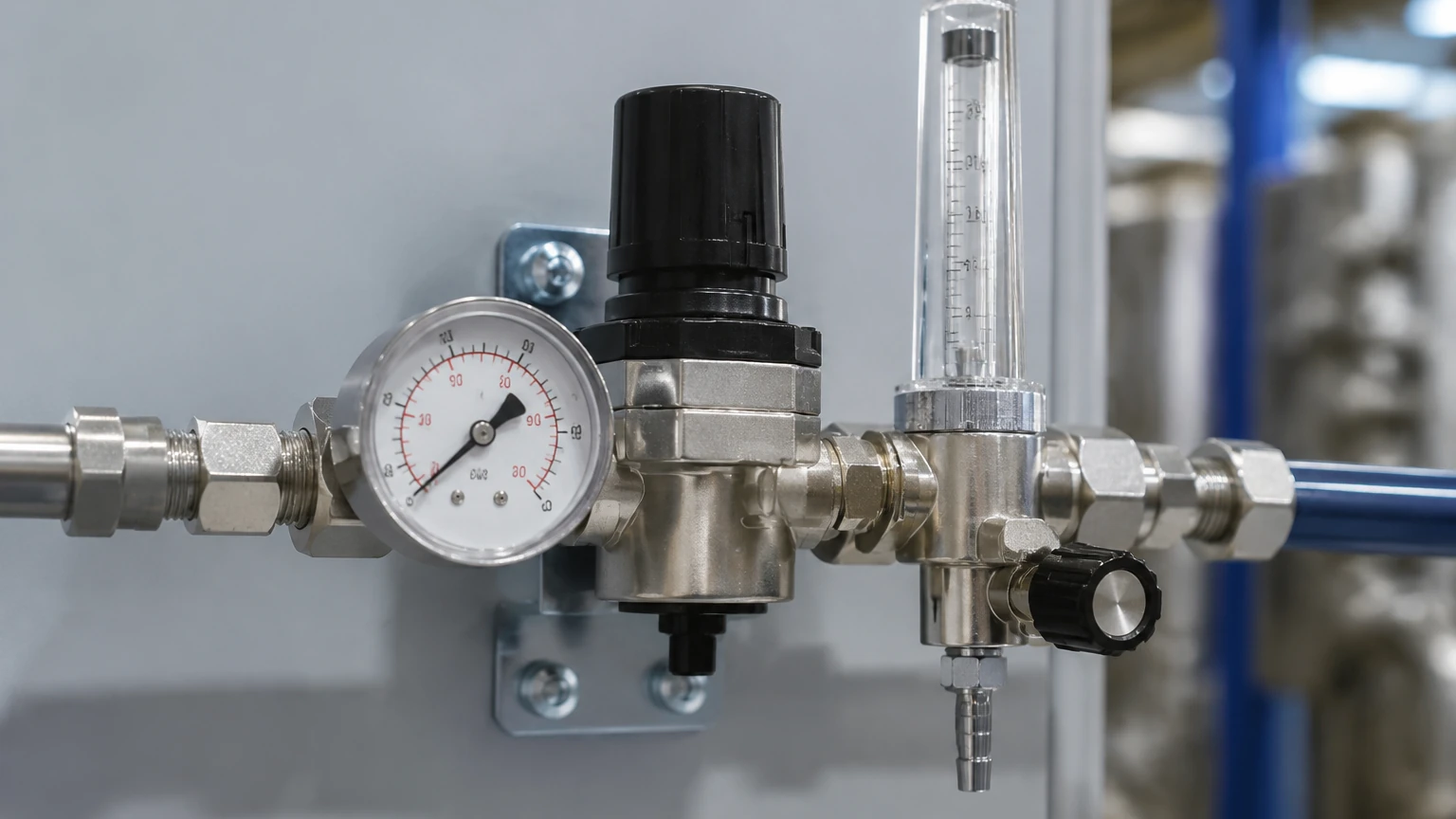
In industrial fluid and gas management, the precise control of delivery parameters is essential for process stability, safety, and cost-efficiency. A "druckminderer mit flowmeter"—translated as a pressure regulator with an integrated flowmeter—serves as a critical dual-function component. While a standard regulator manages the static pressure of a medium, the addition of a flowmeter allows operators to monitor and adjust the actual volume of gas or liquid being discharged over time.
This guide explores the engineering principles, selection criteria, and industrial applications of these integrated units, particularly how they interface with broader automation systems including level measurement technologies. For professionals seeking comprehensive instrumentation solutions, visiting the Main Page provides further insights into how these components fit into a complete industrial ecosystem.
Understanding the Functionality of Integrated Pressure Regulators and Flowmeters
The primary purpose of a druckminderer mit flowmeter is to take a high-pressure source, such as a gas cylinder or a centralized distribution line, and reduce it to a safe, usable working pressure while simultaneously providing a visual or digital readout of the flow rate. This is particularly vital in applications where the pressure must remain constant to ensure a steady flow, such as in shielding gas delivery for welding or chemical dosing in water treatment.
In many industrial setups, the pressure regulator acts as the first line of defense, protecting downstream equipment from over-pressurization. The flowmeter component then provides the data necessary for process optimization. By combining these two functions into a single assembly, manufacturers reduce the number of potential leak points and save significant space within the piping manifold.
Measurement Principles: Pressure Reduction and Flow Monitoring
To effectively select and implement a druckminderer mit flowmeter, one must understand the underlying physics of both pressure regulation and flow measurement.
Pressure Regulation Principles
Most industrial regulators operate on a force-balance principle. A typical unit consists of a diaphragm, a spring, and a valve seat. The user adjusts the spring tension, which pushes against the diaphragm to open the valve. As the downstream pressure rises, it exerts an opposing force on the diaphragm. When the forces balance, the valve closes or modulates to maintain the set pressure.
There are two main types of regulation stages:
1. Single-Stage Regulators: These reduce pressure in one step. They are cost-effective but may experience "supply pressure effect," where the delivery pressure rises slightly as the source cylinder empties.
2. Two-Stage Regulators: these reduce pressure in two steps, providing a much more stable delivery pressure regardless of the inlet pressure fluctuations. These are preferred for high-precision laboratory or sensitive industrial processes.
Flow Measurement Principles
The flowmeter integrated into these units is most commonly a Variable Area (VA) flowmeter, also known as a rotameter.
* Rotameters: These consist of a tapered glass or plastic tube and a float. As the gas or liquid flows upward, the float rises until the upward force of the fluid matches the downward force of gravity. The flow rate is read at the top of the float against a calibrated scale.
* Electronic Flow Sensors: In more advanced B2B applications, the mechanical rotameter may be replaced or supplemented by a thermal mass flow sensor or a differential pressure sensor, allowing for digital integration into a PLC (Programmable Logic Controller).
Technical Selection Criteria for Industrial Applications
Selecting the correct druckminderer mit flowmeter requires a detailed analysis of the process environment. Using the wrong materials or pressure ratings can lead to equipment failure or safety hazards.
Material Compatibility
The body and diaphragm materials must be compatible with the medium.
* Brass: Standard for non-corrosive gases like Argon, CO2, and Nitrogen.
* Stainless Steel (316L): Required for corrosive gases, high-purity laboratory applications, or food and beverage environments.
* Chrome-Plated Brass: Often used in medical environments for aesthetic and cleaning purposes.
Pressure and Flow Ranges
It is essential to match the regulator’s inlet pressure rating with the source (e.g., 200 bar for high-pressure cylinders) and the flowmeter’s scale with the required delivery rate (e.g., 0–30 L/min for MIG/TIG welding).
| Feature | Specification Consideration |
| :— | :— |
| Inlet Pressure | Must exceed the maximum source pressure (typically 200-300 bar). |
| Outlet Pressure | Should be adjustable within the range required by the process. |
| Flow Capacity | Measured in L/min or m³/h; ensure the scale is calibrated for the specific gas used. |
| Accuracy Class | Typically ±5% to ±10% for rotameters; higher for digital units. |
| Connection Type | DIN, BS, or CGA standards depending on regional requirements. |
The Role of Level Measurement in Pressurized Systems
While the druckminderer mit flowmeter controls the output, industrial efficiency relies on knowing how much medium remains in the supply tank. This is where level measurement technology, such as that found on the Main Page, becomes indispensable.
In a system using a pressure regulator, level sensors provide the following benefits:
* Inventory Management: Radar or ultrasonic level meters can monitor the liquid level in cryogenic tanks (like liquid O2 or N2) that feed the regulators. This prevents unexpected downtime caused by running out of gas.
* Hydrostatic Pressure Monitoring: In liquid dosing systems, the hydrostatic head of the tank affects the inlet pressure of the regulator. Monitoring the level allows the system to compensate for changes in head pressure.
* Safety Interlocks: If a level sensor detects a critically low volume, it can trigger an automated shut-off or alert the operator to switch cylinders, ensuring the flowmeter never runs dry, which could introduce air or contaminants into the process.
Installation Guidelines and Safety Protocols
Proper installation is paramount when dealing with pressurized equipment. Failure to follow engineering best practices can result in leaks or "adiabatic compression" (especially in oxygen systems), which poses a fire risk.
1. Pre-Installation Inspection: Check all threads for damage. Ensure the regulator is free of oil and grease, particularly if used with oxygen.
2. Mounting: The unit should be mounted vertically to ensure the rotameter float operates correctly. If the unit is tilted, friction against the tube wall will result in inaccurate flow readings.
3. Leak Testing: After connection, use a certified leak detection spray or an electronic sniffer. Never use a flame to check for leaks.
4. Purging: Before starting the process, purge the system with an inert gas to remove atmospheric air and moisture, which can cause internal corrosion over time.
Limitations and Maintenance Requirements
Despite their versatility, integrated units have specific limitations. Rotameters are calibrated for a specific gas at a specific temperature and pressure. If you use a CO2-calibrated flowmeter for Argon, the reading will be incorrect due to differences in gas density.
Maintenance Checklist:
* Annual Calibration: Flowmeters should be checked against a master meter annually to ensure accuracy.
* Diaphragm Inspection: Over years of service, the regulator diaphragm can lose elasticity or develop micro-cracks. Replacement intervals should follow the manufacturer’s recommendations.
* Filter Cleaning: Most regulators include an inlet filter. If flow rates drop despite high source pressure, the filter may be clogged with debris from the gas cylinders.
Frequently Asked Questions (FAQ)
Q: Can I use one druckminderer mit flowmeter for different gases?
A: Not without recalibration or using a conversion factor. Flowmeters are density-dependent. If the unit is calibrated for Argon and you use it for Helium, the float will rise differently, leading to significant errors.
Q: What is the difference between a flowmeter and a flow gauge?
A: A flowmeter (rotameter) measures the actual flow passing through the tube. A flow gauge is a pressure gauge calibrated to show "equivalent flow" based on the pressure drop across an orifice. Flowmeters are generally more accurate as they are less affected by downstream backpressure.
Q: Why is my flowmeter float jumping or vibrating?
A: This is often caused by "chatter" in the regulator seat or rapid pressure fluctuations in the supply line. It can also occur if the flow rate is at the very bottom or top of the meter's range. Ensure the regulator is sized correctly for the intended flow.
Q: How does temperature affect the flow reading?
A: Gas volume changes with temperature. Most industrial flowmeters are calibrated for 20°C. If operating in extreme cold or heat, a correction factor must be applied to the visual reading to determine the actual mass flow.
For engineers designing complex systems that require both precise flow control and robust tank monitoring, integrating high-quality pressure regulation with advanced level sensing is the standard for modern industrial automation. Explore the full range of measurement technologies at the Main Page to find the right components for your specific application.