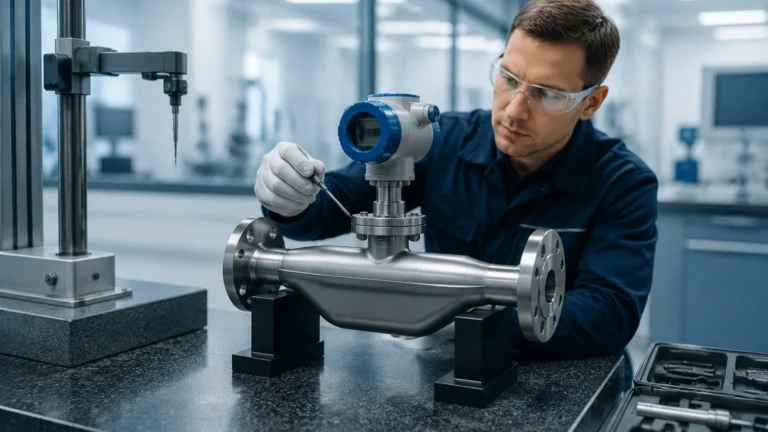
Dynasonics U500w Ultrasonic Flow Meter
Dynasonics U500w Ultrasonic Flow Meter
In the realm of industrial process control and utility management, accurate liquid measurement is fundamental to operational efficiency and cost control. The dynasonics u500w ultrasonic flow meter represents a significant advancement in solid-state flow measurement technology. Designed primarily for water applications, this instrument utilizes ultrasonic transit-time technology to provide precise flow data without the maintenance requirements associated with mechanical meters. For engineers and facility managers, understanding the technical nuances, installation requirements, and operational boundaries of the U500w is essential for successful integration into larger industrial automation systems.
Understanding Transit-Time Ultrasonic Measurement
Before evaluating the specific features of the dynasonics u500w ultrasonic flow meter, it is necessary to understand the underlying physical principle: transit-time ultrasonic measurement. Unlike Doppler ultrasonic meters, which rely on reflections from particles or bubbles in the fluid, transit-time meters are designed for clean liquids.
The system operates by transmitting and receiving ultrasonic signals between two transducers located within the meter body. One signal is sent in the direction of the flow (upstream to downstream), and the other is sent against the flow (downstream to upstream).
1. Downstream Signal: The sound wave traveling with the flow moves faster, as the velocity of the liquid is added to the speed of sound in that medium.
2. Upstream Signal: The sound wave traveling against the flow is slowed by the liquid's velocity.
3. Time Difference (Δt): The meter calculates the precise difference in time between these two signals. This time difference is directly proportional to the velocity of the liquid flowing through the pipe.
Once the velocity is determined, the meter multiplies it by the cross-sectional area of the pipe to calculate the volumetric flow rate. Because the dynasonics u500w ultrasonic flow meter features a sophisticated digital signal processor, it can account for changes in fluid density and temperature to maintain accuracy across a wide range of operating conditions.
Technical Specifications and Performance Criteria
The U500w is engineered for durability and long-term stability. As a solid-state device, it contains no moving parts—such as impellers or turbines—that are subject to wear, clogging, or mechanical failure. This is a critical consideration for B2B applications where downtime for maintenance must be minimized.
Key Performance Indicators
| Parameter | Specification (Metric) | Specification (Imperial) |
| :— | :— | :— |
| Accuracy | ±1.5% (Standard) / ±1.0% (Optional) | ±1.5% / ±1.0% |
| Repeatability | ±0.5% | ±0.5% |
| Operating Temperature | 1°C to 50°C | 33°F to 122°F |
| Maximum Pressure | 12.0 bar | 175 psi |
| Pipe Sizes | DN15 to DN50 | 1/2 inch to 2 inches |
| Battery Life | Up to 20 years | Up to 20 years |
| Enclosure Rating | IP68 (Submersible) | NEMA 6P |
The meter’s construction typically involves a high-grade engineered polymer or lead-free bronze, ensuring compatibility with potable water standards and various industrial treated water systems. Its IP68 rating allows for installation in environments prone to flooding or high humidity, such as subterranean meter pits.
Comparison: Ultrasonic Flow vs. Level Measurement
While the dynasonics u500w ultrasonic flow meter is specialized for closed-pipe flow measurement, industrial automation often requires a combination of flow and level data. For instance, in a water treatment facility, flow meters track the volume of water processed, while level sensors monitor the storage capacity of tanks and reservoirs.
When selecting instrumentation, engineers must distinguish between these technologies:
* Ultrasonic Flow Meters (U500w): Measure the velocity of liquid inside a full pipe. They are essential for billing, leak detection, and process balancing.
* Ultrasonic Level Sensors: Measure the distance from the sensor to the surface of a liquid in an open or closed vessel. These are used for inventory management and pump control.
* Radar Level Meters: Often preferred for high-precision level measurement in challenging environments involving steam, foam, or dust, where ultrasonic signals might be attenuated.
For a comprehensive overview of how these technologies integrate into industrial systems, professionals can Review product options and application support to ensure the correct instrument is selected for the specific physical properties of the application.
Industrial Applications and Use Cases
The dynasonics u500w ultrasonic flow meter is utilized across several sectors where water management is a priority. Its ability to detect very low flow rates makes it particularly useful for non-revenue water (NRW) analysis and leak detection.
1. Commercial and Industrial Water Utilities
In large-scale facilities, the U500w serves as a primary billing meter. Its long battery life and lack of maintenance make it ideal for remote locations where power infrastructure is unavailable. The meter supports various communication protocols, including Encoder, Pulse, and IoT-based outputs, allowing for seamless integration into SCADA systems.
2. HVAC and Cooling Systems
In industrial cooling towers and HVAC loops, monitoring water makeup and blowdown is essential for chemical treatment optimization. The U500w provides the necessary precision to ensure that water usage remains within environmental compliance limits while preventing the buildup of scale and corrosion.
3. Water Treatment and Reclamation
For facilities processing greywater or treated effluent, the solid-state nature of the U500w is a major advantage. Unlike mechanical meters that can be damaged by small amounts of grit or debris, the ultrasonic path remains unobstructed, ensuring continuous measurement accuracy.

Installation Guidelines for Optimal Performance
The accuracy of any ultrasonic flow meter is heavily dependent on the installation environment. To ensure the dynasonics u500w ultrasonic flow meter performs to its rated specifications, several engineering considerations must be addressed during the design phase.
Pipe Orientation and Full Pipe Requirement
The most critical requirement for the U500w is that the pipe must be completely full of liquid. Any air pockets or partially filled pipes will disrupt the ultrasonic signal, leading to erroneous readings or "signal loss" errors.
* Horizontal Installation: This is the most common orientation. The meter should be installed at a low point in the piping system to ensure it remains submerged.
* Vertical Installation: The flow should always move upward. This prevents air bubbles from being trapped in the meter body and ensures the pipe remains full even at low flow rates.
Straight Pipe Run Requirements
Turbulence is the enemy of ultrasonic measurement. Obstructions such as elbows, valves, and pumps create swirls and non-uniform flow profiles. While the U500w is designed to be more forgiving than many other ultrasonic meters, standard engineering practice suggests:
* Upstream: A minimum of 5 to 10 pipe diameters of straight, unobstructed pipe.
* Downstream: A minimum of 2 to 5 pipe diameters of straight pipe.
If the installation space is constrained, the use of flow straighteners or vanes may be necessary to stabilize the flow profile before it reaches the measurement section.
Limitations and Operational Risks
While the dynasonics u500w ultrasonic flow meter is a robust instrument, it is not a "one-size-fits-all" solution. Engineers must be aware of the following limitations:
1. Fluid Composition: The U500w is designed for clean water. High concentrations of suspended solids (above 1% by volume) or significant aeration (bubbles) will scatter the ultrasonic signals. For slurries or aerated liquids, a Doppler-style meter or a magnetic flow meter may be more appropriate.
2. Temperature Extremes: The standard operating range is limited to 50°C (122°F). For high-temperature process water or steam condensate, specialized high-temperature ultrasonic sensors or vortex flow meters are required.
3. Scaling and Buildup: While there are no moving parts, extreme scaling on the internal walls of the meter can eventually narrow the flow path or interfere with the transducer signals. Periodic inspection is recommended in hard-water applications.
4. Signal Interference: In rare cases, high-frequency noise from variable frequency drives (VFDs) or large pumps can interfere with the ultrasonic electronics if the cabling is not properly shielded or grounded.
Maintenance and Troubleshooting FAQs
Does the U500w require periodic calibration?
Under normal operating conditions, the U500w does not require recalibration. Because there are no mechanical parts to wear down, the factory calibration remains stable over the life of the battery. However, local regulations or quality management systems (ISO) may require periodic verification using a portable master meter.
What happens when the battery dies?
The U500w features a low-battery indicator that typically triggers several months before total power loss. Most models are designed with a field-replaceable battery or a long-life internal cell designed to last 15–20 years. Once the battery is depleted, the internal non-volatile memory retains the totalized flow data.
Can the meter measure flow in both directions?
Yes, the dynasonics u500w ultrasonic flow meter is a bidirectional device. It can track flow in both forward and reverse directions, which is particularly useful in distribution networks where backflow or pressure surges may occur.
What are the common causes of inaccurate readings?
The most common causes are improper installation (not enough straight pipe run), air in the line, or the presence of significant mineral deposits inside the meter body. If the meter is reading lower than expected, check for a partially clogged upstream strainer.
Conclusion: Selecting the Right Measurement Strategy
The integration of the dynasonics u500w ultrasonic flow meter into an industrial or municipal system provides a reliable, low-maintenance path to accurate data. However, flow is only one part of the process equation. Effective liquid management often requires a tiered approach involving both flow and level instrumentation.
When designing a system, engineers should evaluate the specific chemical properties of the fluid, the physical constraints of the installation site, and the required data outputs. By combining transit-time flow technology with advanced level measurement solutions, facilities can achieve a higher degree of automation and resource efficiency. For those seeking to explore the full range of level and flow technologies available for industrial applications, visiting the Main Page provides access to technical documentation and selection guides tailored for professional engineering environments.