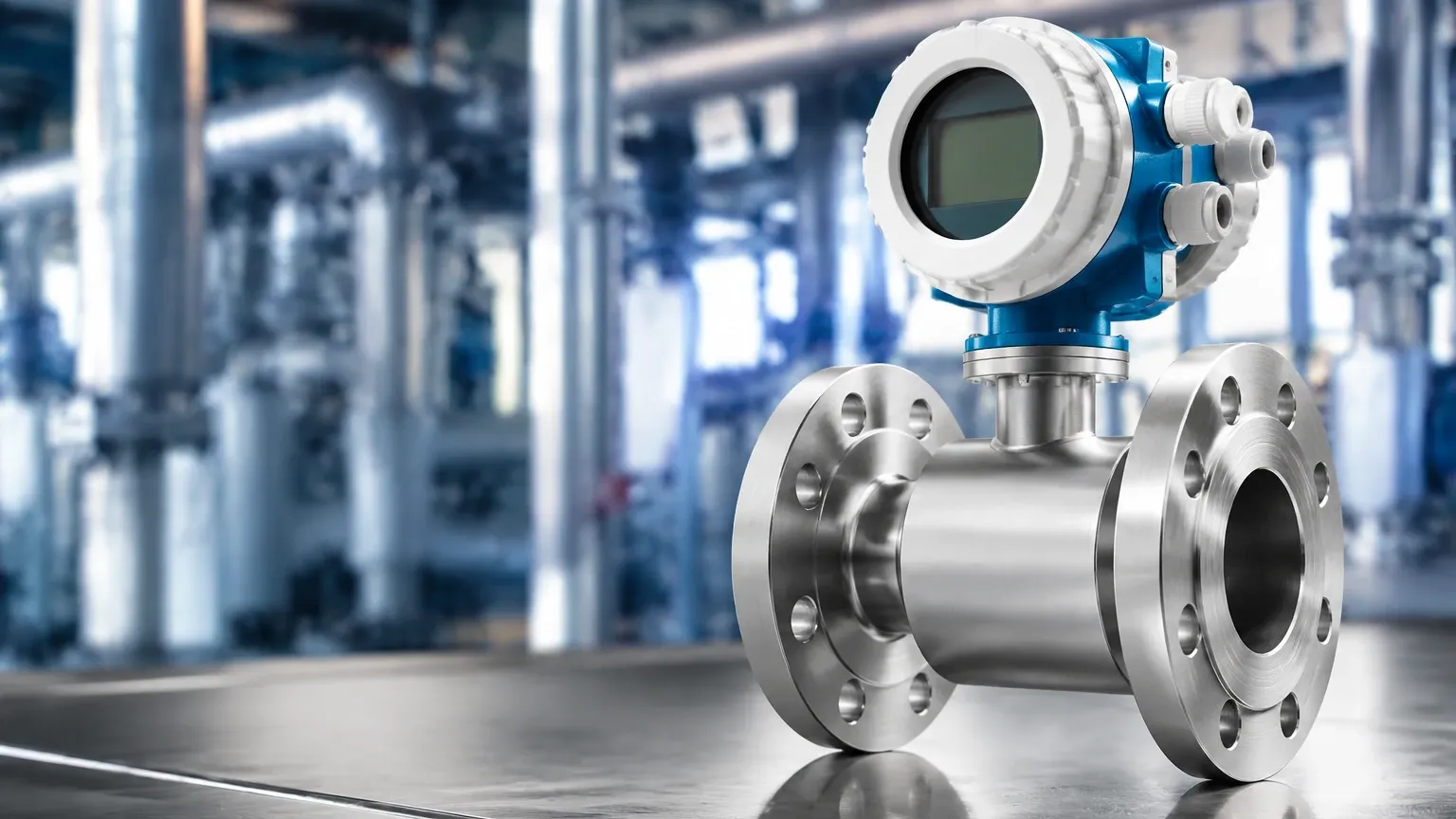
Flow Meter Endress Hauser
Flow Meter Endress Hauser
In the landscape of industrial automation and process control, flow measurement stands as a critical pillar for operational efficiency, safety, and billing accuracy. Among the leading global providers of these technologies, the flow meter Endress Hauser range is often cited as an industry benchmark. For engineers and procurement specialists, understanding the nuances of these instruments—and how they compare to specialized alternatives—is essential for optimizing plant performance.
This guide explores the fundamental principles of flow measurement, the specific technologies offered by market leaders like Endress+Hauser, and the practical engineering considerations required to select the right instrument for diverse industrial applications. For those looking to integrate these systems with comprehensive level measurement solutions, reviewing the Main Page of specialized manufacturers can provide additional technical context for complete process loops.
Understanding Flow Measurement Technologies
Before selecting a flow meter Endress Hauser or any other brand, it is vital to understand the physics behind the measurement. Industrial flow meters are generally categorized by the physical principle they employ to determine the velocity or mass of a fluid.
Electromagnetic Flow Meters (Magmeters)
Electromagnetic flow meters operate based on Faraday’s Law of Induction. When a conductive liquid flows through a magnetic field, it generates a voltage proportional to its velocity. These meters are ideal for water, wastewater, and corrosive chemicals because they have no moving parts and offer no obstruction to the flow, resulting in zero pressure drop. However, they require the medium to have a minimum conductivity (typically > 5 μS/cm).
Coriolis Mass Flow Meters
Coriolis meters are the "gold standard" for accuracy. They measure mass flow directly by monitoring the inertia of the fluid as it passes through vibrating tubes. Unlike volumetric meters, Coriolis instruments are unaffected by changes in fluid density, temperature, or pressure. They are widely used in the oil and gas and chemical industries for high-precision custody transfer applications.
Ultrasonic Flow Meters
Ultrasonic technology utilizes sound waves to measure velocity. There are two primary types: transit-time and Doppler. Transit-time meters measure the difference in time it takes for an ultrasonic pulse to travel upstream versus downstream. These are best for clean liquids. Doppler meters measure the frequency shift caused by reflections off particles or bubbles in the fluid, making them suitable for slurries or aerated liquids.
Vortex Flow Meters
Vortex meters utilize the Karman vortex street principle. As fluid flows past a bluff body (a shedder bar), vortices are created. The frequency of these vortices is directly proportional to the flow velocity. These meters are robust and particularly well-suited for measuring steam, gases, and low-viscosity liquids.
Key Considerations for Flow Meter Selection
Selecting a flow meter Endress Hauser requires a systematic evaluation of the process environment. Engineers must look beyond the brand name to ensure the hardware matches the application's physical and chemical demands.
Fluid Properties
The most critical factor is the nature of the fluid. Is it a liquid, gas, or steam? For liquids, factors such as viscosity, conductivity, and the presence of solids (slurries) will dictate the technology. For example, a magnetic flow meter is excellent for conductive wastewater but useless for hydrocarbons like diesel.
Process Conditions
Operating temperature and pressure are fundamental constraints. High-pressure steam applications (e.g., 40 bar / 580 psi at 250°C) typically require vortex meters or specialized differential pressure (DP) cells. Additionally, the flow range—often expressed as the "turndown ratio"—must be considered to ensure the meter remains accurate at both minimum and maximum flow rates.
Accuracy and Repeatability
In billing or dosing applications, high accuracy (e.g., ±0.1% of rate for Coriolis) is mandatory. For simple process monitoring or pump protection, a lower accuracy (e.g., ±1.0% to ±2.0% for ultrasonic or magnetic) may be more cost-effective.
| Technology | Typical Accuracy | Fluid Type | Primary Advantage |
| :— | :— | :— | :— |
| Electromagnetic | ±0.5% | Conductive Liquids | No pressure drop |
| Coriolis | ±0.1% | Liquids/Gases | Direct mass measurement |
| Vortex | ±1.0% | Steam/Gases/Liquids | High durability |
| Ultrasonic | ±1.0% | Clean/Dirty Liquids | Non-invasive options |
| Thermal | ±2.0% | Gases | Low flow sensitivity |
Open Channel Flow: The Intersection of Level and Flow
While many discussions regarding a flow meter Endress Hauser focus on closed-pipe systems, a significant portion of industrial flow measurement occurs in open channels, such as flumes and weirs in water treatment plants. In these scenarios, flow is not measured by velocity sensors inside a pipe, but rather by measuring the liquid level upstream of a primary device.
This is where level measurement technology becomes a flow measurement tool. By using a high-precision ultrasonic or radar level transmitter, the height (head) of the liquid is measured and converted into a flow rate using standard hydraulic formulas (e.g., the Manning equation or specific flume curves).
Specialized manufacturers often provide radar level meters that are immune to steam, foam, or wind, which are common challenges in open-air flow measurement. For technical data on these specific level-to-flow conversion instruments, engineers should consult the Main Page to compare radar versus ultrasonic performance in outdoor environments.
Comparative Analysis: Performance and Application
When evaluating a flow meter Endress Hauser against other industrial alternatives, it is important to consider the total cost of ownership (TCO). This includes the initial purchase price, installation costs, and long-term maintenance.
1. Premium Brands (e.g., Endress+Hauser, Rosemount): These offer extensive digital integration (HART, Profibus, Ethernet/IP) and advanced diagnostics (e.g., Heartbeat Technology). They are ideal for complex plants requiring high-level data transparency.
2. Specialized Manufacturers (e.g., Welk): These often provide more cost-effective, focused solutions for specific applications like water treatment or chemical storage. They are frequently chosen for OEM/ODM services where customized mechanical fittings or specific communication protocols are required without the overhead of a global conglomerate.
Limitations to Consider
No single flow meter is universal.
* Magnetic meters fail if the liner is vacuum-collapsed or if the electrodes are coated by non-conductive grease.
* Coriolis meters can be prohibitively expensive for large pipe diameters (e.g., > 300 mm).
* Ultrasonic meters (clamp-on) require precise pipe wall thickness data and may struggle with heavily lined pipes.
Installation and Maintenance Best Practices
Even the most advanced flow meter Endress Hauser will provide inaccurate data if installed incorrectly. Adhering to engineering standards is paramount.
Straight Pipe Runs
Most flow technologies require a specific amount of straight pipe upstream and downstream of the sensor to ensure a fully developed flow profile. A common rule of thumb is 10 diameters (10D) upstream and 5 diameters (5D) downstream. If elbows, valves, or pumps are located too close to the meter, turbulence will cause significant measurement errors.
Grounding and Electrical Noise
For electromagnetic flow meters, proper grounding is the most common source of installation failure. The fluid, the sensor, and the transmitter must be at the same electrical potential. In plastic piping systems, grounding rings are mandatory to prevent stray currents from interfering with the small millivolt signals generated by the flow.
Orientation and Entrained Air
Flow meters should generally be installed in vertical pipes with upward flow to ensure the pipe remains full and to prevent air bubbles from gathering at the sensor. If horizontal installation is necessary, the sensor should not be placed at the highest point of the piping system where air pockets accumulate.
Frequently Asked Questions
Q: Can a flow meter Endress Hauser be used for both liquids and gases?
A: It depends on the technology. Coriolis and Vortex meters can measure both, but Electromagnetic meters are strictly for conductive liquids. Always verify the specific model's capability with the manufacturer's data sheet.
Q: How often should an industrial flow meter be calibrated?
A: Calibration frequency depends on the criticality of the measurement and regulatory requirements. For custody transfer, annual calibration is common. For general process monitoring, a check every 2-3 years or using built-in self-diagnostic tools may be sufficient.
Q: What is the difference between volumetric flow and mass flow?
A: Volumetric flow measures the space the fluid occupies (e.g., m³/h). Mass flow measures the actual weight of the fluid (e.g., kg/h). Because gases and some liquids change volume with temperature and pressure, mass flow is a more consistent measurement of the amount of substance.
Q: How do I handle flow measurement in hazardous areas?
A: You must select an instrument with the appropriate explosion-proof or intrinsically safe certifications (e.g., ATEX, IECEx, or UL Class I Div 1). Both major brands and specialized manufacturers like Welk offer certified versions of their transmitters for chemical and oil/gas environments.
For further exploration of measurement solutions and to find the right balance between high-end features and practical industrial performance, please visit the Main Page for a comprehensive overview of available technologies.