Gas Analytical Systems
Gas Analytical Systems
In the landscape of industrial automation and process safety, gas analytical systems serve as the critical eyes and ears for monitoring atmospheric composition and chemical concentrations. While level measurement instruments—such as radar level meters and ultrasonic sensors—provide essential data regarding the volume of liquids and solids in a vessel, gas analytical systems focus on the vapor space and process streams. These systems are indispensable for ensuring environmental compliance, optimizing combustion processes, and maintaining safety in hazardous environments. This guide explores the technical foundations, selection criteria, and practical integration of gas analysis within industrial frameworks.
Introduction to Industrial Gas Analysis
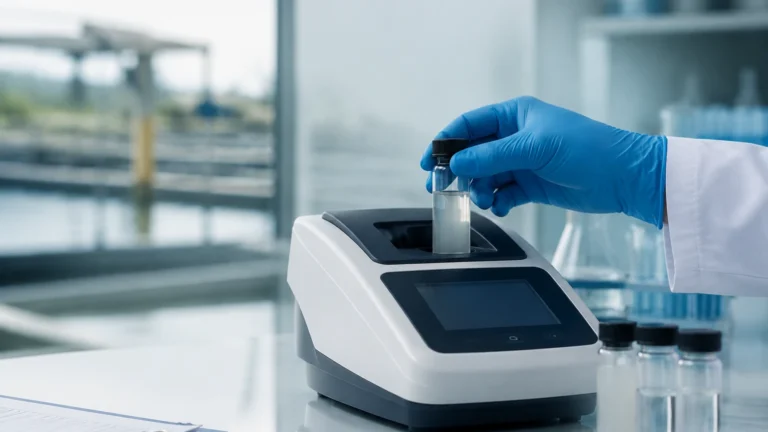
Gas analytical systems are integrated assemblies designed to identify and quantify specific gas components within a mixture. Unlike simple portable gas detectors used for personal safety, industrial analytical systems are often permanent installations capable of continuous monitoring (CEMS – Continuous Emissions Monitoring Systems) or high-precision process control.
In sectors such as water treatment, chemical processing, and oil and gas, these systems work in tandem with level instrumentation. For instance, while a hydrostatic level transmitter monitors the head pressure of a liquid, a gas analyzer might simultaneously monitor the concentration of hydrogen sulfide (H2S) or methane (CH4) in the headspace of the tank. This dual-monitoring approach is essential for preventing structural corrosion, managing nitrogen blanketing, and mitigating explosion risks.
Core Measurement Principles of Gas Analytical Systems
To select the appropriate system, one must first understand the physical and chemical principles used to detect gas molecules. Each technology has specific strengths and limitations based on the target gas and the presence of interfering substances.
Non-Dispersive Infrared (NDIR)
NDIR is one of the most common technologies for detecting infrared-active gases such as Carbon Dioxide (CO2), Carbon Monoxide (CO), and various hydrocarbons. The principle relies on the fact that different gas molecules absorb specific wavelengths of infrared light.
* Mechanism: An IR lamp directs a beam through a sample cell. A detector at the other end, equipped with a narrow-band filter, measures how much light is absorbed. The amount of absorption is proportional to the concentration of the gas, following the Beer-Lambert Law.
* Applications: Flue gas analysis, greenhouse gas monitoring, and leak detection in chemical storage.
Electrochemical Sensors
Electrochemical sensors are widely used for toxic gases and oxygen. They operate by reacting with the gas of interest and producing an electrical signal.
* Mechanism: The gas diffuses through a membrane into a sensor containing an electrolyte and electrodes. A chemical reaction (oxidation or reduction) occurs at the sensing electrode, generating a current directly proportional to the gas concentration.
* Applications: Oxygen (O2) monitoring in confined spaces, H2S detection in wastewater treatment, and Chlorine (Cl2) monitoring.
Paramagnetic Oxygen Analysis
Oxygen is unique because it is paramagnetic, meaning it is attracted into a magnetic field. Most other gases are diamagnetic.
* Mechanism: The analyzer uses a high-gradient magnetic field to attract oxygen molecules. This physical movement creates a pressure differential or changes the cooling rate of a heated wire, which is then converted into a concentration reading.
* Applications: High-purity oxygen measurement and process safety where high accuracy and long-term stability are required.
Thermal Conductivity (TCD)
This technology measures the ability of a gas mixture to conduct heat. It is particularly effective for binary gas mixtures where the components have significantly different thermal conductivities.
* Mechanism: A heated filament is placed in the gas stream. As the gas composition changes, its thermal conductivity changes, altering the temperature of the filament and its electrical resistance.
* Applications: Hydrogen (H2) purity in power plants and Helium (He) concentration in industrial processes.
Selecting the Right Technology for Process Applications
Choosing a gas analytical system requires a thorough evaluation of the process environment. Engineers must consider the "background" gases, as many sensors suffer from cross-sensitivity. For example, an electrochemical CO sensor might erroneously react to H2 if the sensor is not properly filtered.
Technical Selection Table
| Technology | Typical Target Gases | Accuracy | Response Time | Maintenance Requirements |
| :— | :— | :— | :— | :— |
| NDIR | CO, CO2, CH4, SO2 | High (±1-2%) | Fast (< 10s) | Low; requires periodic calibration |
| Electrochemical | O2, H2S, CO, Cl2 | Moderate (±2-5%) | Moderate (30-60s) | High; sensors expire every 1-2 years |
| Paramagnetic | O2 | Very High (±0.1%) | Fast (< 5s) | Moderate; sensitive to vibration |
| Thermal Cond. | H2, He, Ar | Moderate (±2%) | Slow (20-40s) | Low; very robust |
| Zirconia | O2 (High Temp) | High (±1%) | Very Fast (< 2s) | Moderate; requires high heat |
When evaluating these technologies, it is also beneficial to consult comprehensive instrumentation resources. For a wider perspective on how these analytical tools integrate with primary process measurement, you can review product options and application support on the Main Page of the Welk technical site.
Integration with Level Measurement and Tank Monitoring
In modern industrial automation, gas analytical systems are rarely used in isolation. They are frequently integrated into a broader instrumentation loop that includes level, pressure, and temperature sensors.
Vapor Recovery and Blanketing
In the oil and gas industry, storage tanks are often "blanketed" with nitrogen (N2) to prevent the ingress of oxygen, which could create an explosive mixture with hydrocarbon vapors. A gas analytical system monitors the O2 levels in the headspace. Simultaneously, a high-precision radar level meter or a magnetic level gauge tracks the liquid volume. If the level meter indicates a rapid discharge of liquid, the gas system must ensure that the N2 makeup gas maintains the correct inert atmosphere.
Wastewater Treatment
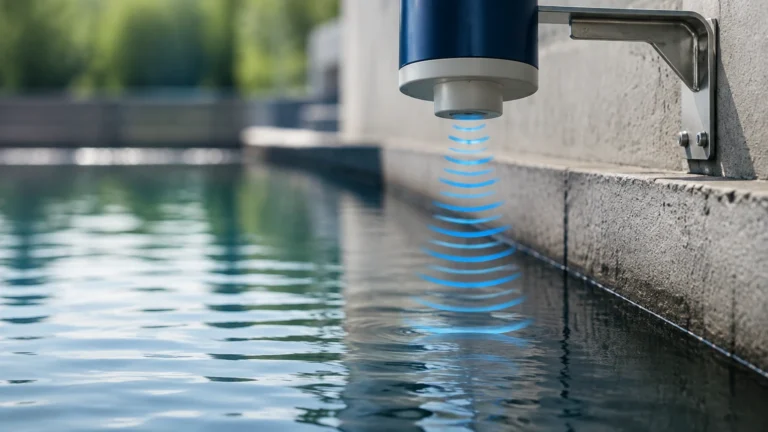
In anaerobic digesters, level measurement is critical for managing sludge volume, while gas analysis is used to monitor the quality of the produced biogas (CH4 and CO2). Ultrasonic level sensors are often preferred here due to their non-contact nature, while NDIR analyzers provide real-time data on the methane yield, allowing operators to optimize the digestion process.
Installation Guidelines and Sampling System Design
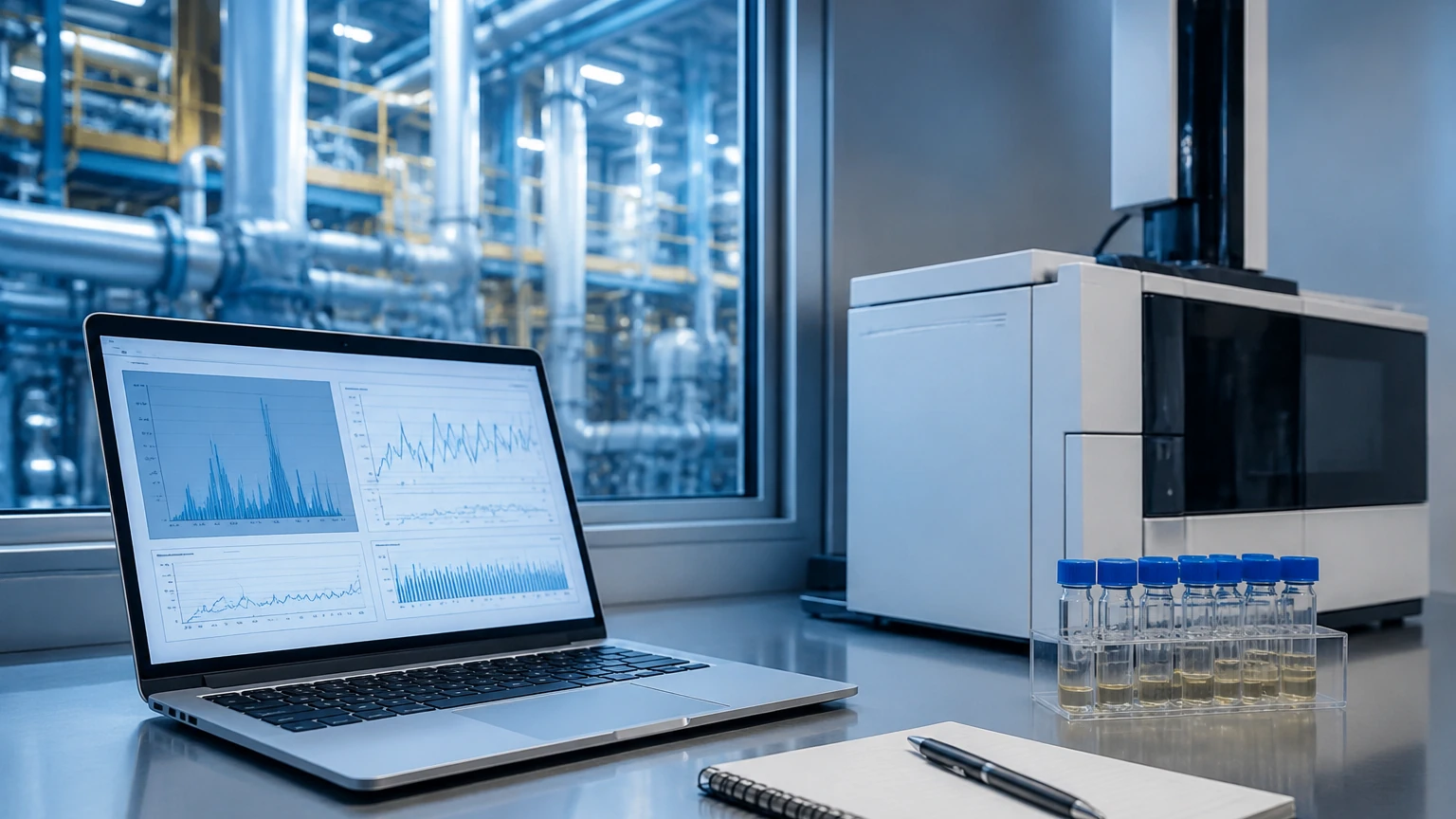
The performance of a gas analytical system is often determined more by the sampling system than the analyzer itself. If the sample reaching the sensor is not representative of the process, the data is useless.
Extractive vs. In-Situ Systems
* In-Situ: The sensor is placed directly into the process stream or stack. This provides the fastest response time and eliminates the need for sample conditioning. However, the sensor is exposed to harsh process conditions (high heat, dust, moisture).
* Extractive: A sample is pulled from the process through a probe and transported via a sample line to an analyzer located in a controlled environment. This allows for "sample conditioning."
Sample Conditioning Requirements
Most extractive systems require a Sample Conditioning System (SCS) to protect the analyzer. Key components include:
1. Particulate Filters: To remove dust and soot that could coat optical surfaces.
2. Sample Coolers/Dryers: To remove moisture. Water vapor can interfere with IR readings and can condense in the lines, causing blockages or corrosion.
3. Pumps and Flow Controllers: To ensure a constant, regulated flow of gas to the sensor.
4. Pressure Regulators: To maintain the sample at the specific pressure required by the detector (often near atmospheric pressure).
Placement Considerations
Sampling probes should be located in a section of the piping where the gas is well-mixed, typically at least five to ten pipe diameters downstream of any bends or valves. For tank headspace monitoring, the probe should be positioned away from the nitrogen inlet to avoid measuring the fresh blanket gas rather than the actual headspace composition.
Operational Limitations and Maintenance Requirements
Despite their sophistication, gas analytical systems face several operational hurdles that require diligent engineering oversight.
Cross-Sensitivity and Interference
No sensor is perfectly selective. In complex chemical environments, "interference gases" can cause false positives. For example, in an NDIR system, high concentrations of water vapor can absorb energy at similar wavelengths to certain hydrocarbons. Modern systems use dual-wavelength detectors or physical scrubbers to mitigate these effects.
Calibration Drift
All gas sensors experience drift over time due to aging components, environmental changes, or sensor poisoning (where a contaminant permanently damages the sensing element). Regular calibration using certified "span gases" is mandatory. For critical safety applications, automated calibration cycles are recommended.
Environmental Factors
Temperature and pressure fluctuations significantly impact gas density and, consequently, the concentration reading. High-end systems include internal compensation for these variables. Furthermore, in hazardous areas, the entire analytical enclosure must meet specific explosion-proof ratings (e.g., Class I, Div 1 or ATEX Zone 1).
Frequently Asked Questions
Q: How often should a gas analytical system be calibrated?
A: This depends on the technology and the criticality of the measurement. Electrochemical sensors may require monthly checks, while stable NDIR or Paramagnetic systems might only need quarterly or semi-annual calibration. Always follow the manufacturer’s specific guidelines.
Q: Can one analyzer measure multiple gases?
A: Yes. Multi-component NDIR analyzers can often measure up to five or six different gases simultaneously by using multiple filters and detectors within a single optical bench. Similarly, Gas Chromatographs (GC) can separate and measure dozens of components, though they have much slower response times.
Q: What is the difference between ppm and mg/m³?
A: Parts per million (ppm) is a volume-to-volume ratio, which is independent of pressure and temperature. Milligrams per cubic meter (mg/m³) is a mass-to-volume concentration, which changes with the gas density. Most environmental regulations specify limits in mg/m³, requiring the analyzer to convert the raw ppm data using the current temperature and pressure.
Q: Why is moisture removal so important in gas analysis?
A: Beyond interference with the measurement principle, moisture can combine with gases like SO2 or NO2 to form acids (H2SO3, HNO3). These acids will corrode the internal components of the analyzer and the sampling lines, leading to system failure.
Conclusion
Gas analytical systems are a cornerstone of modern industrial process control, providing the data necessary to maintain safety, efficiency, and environmental responsibility. By understanding the underlying measurement principles—from NDIR to paramagnetic analysis—and ensuring a robust sampling system design, engineers can achieve reliable long-term performance. When integrated with high-quality level measurement and other process instrumentation, these systems provide a comprehensive view of industrial operations, ensuring that both the liquid and gas phases are managed with precision.