Green Hydrogen Production Process
Green Hydrogen Production Process
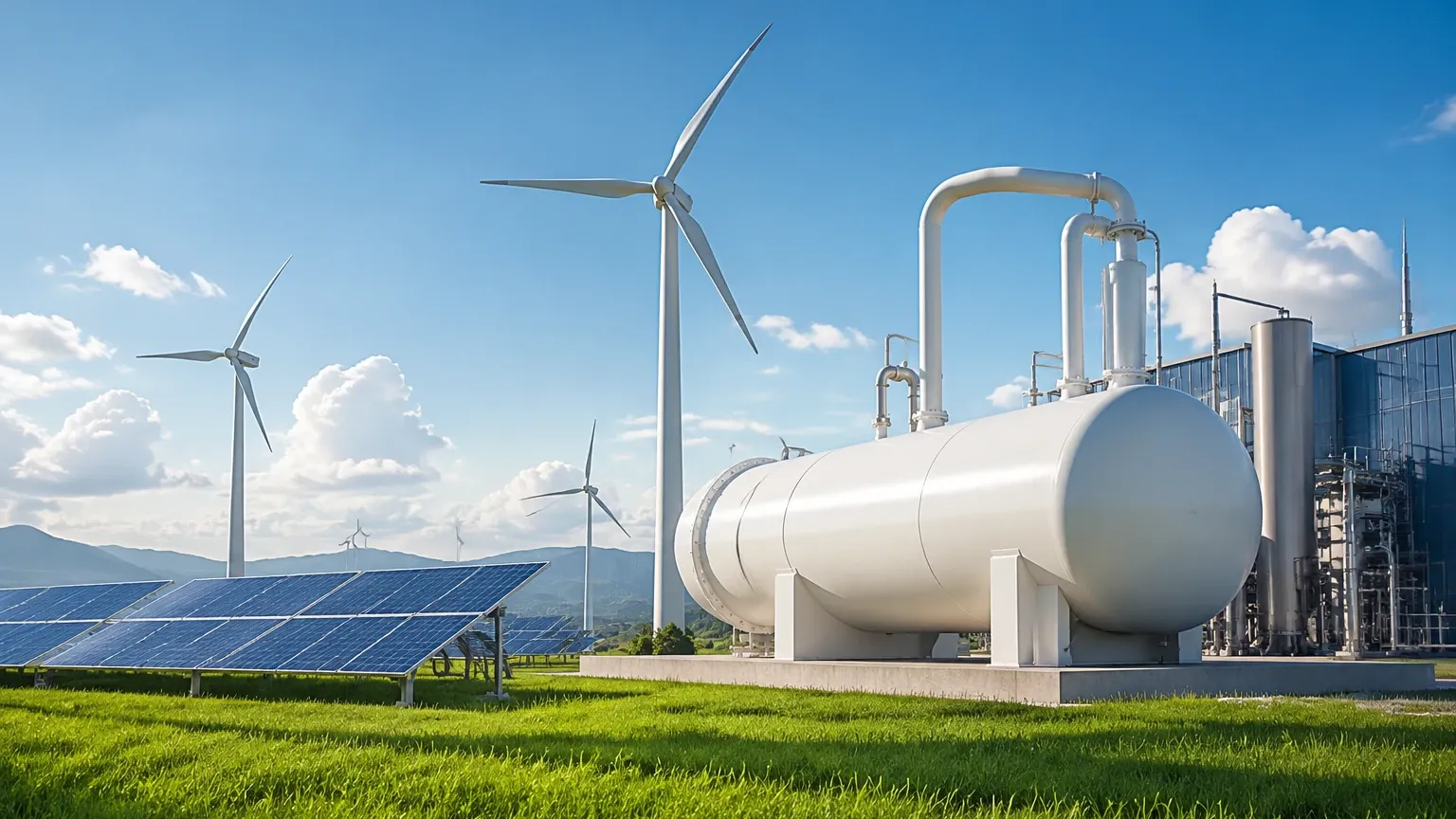
The global transition toward a low-carbon economy has placed the green hydrogen production process at the center of industrial innovation. Unlike traditional hydrogen production, which relies on steam methane reforming (SMR) of natural gas, green hydrogen is generated through the electrolysis of water using renewable energy sources such as solar, wind, or hydropower. This process yields zero carbon emissions, making it a critical pillar for decarbonizing hard-to-abate sectors like heavy industry, shipping, and chemical manufacturing.
For engineers and plant operators, managing the green hydrogen production process requires precise control over fluid dynamics, gas-liquid separation, and chemical storage. Central to this control is the implementation of robust level measurement technologies. Accurate level monitoring ensures the efficiency of the electrolysis reaction, protects expensive membrane components, and maintains the safety of high-pressure storage systems.
Understanding the Green Hydrogen Production Process
At its core, the green hydrogen production process is based on the principle of electrolysis. An electric current is passed through an electrolyzer containing water and, in some cases, an electrolyte. This electrical energy splits the water molecules ($H_2O$) into hydrogen gas ($H_2$) at the cathode and oxygen gas ($O_2$) at the anode.
There are three primary technologies currently utilized in industrial-scale green hydrogen production:
1. Alkaline Electrolysis (AEL): This is the most mature technology. It uses a liquid alkaline solution (typically potassium hydroxide, KOH) as the electrolyte. It is known for its durability and lower capital costs but requires careful management of the liquid electrolyte levels.
2. Proton Exchange Membrane (PEM) Electrolysis: PEM electrolyzers use a solid polymer electrolyte. They are more compact and can respond quickly to the fluctuating power outputs of renewable energy sources. However, they require high-purity deionized water and expensive catalyst materials like platinum.
3. Solid Oxide Electrolyzer Cell (SOEC): This high-temperature process (typically 700°C to 850°C) uses steam instead of liquid water. While it offers the highest electrical efficiency, the thermal demands and material stresses present unique engineering challenges.
In each of these systems, maintaining the correct balance of fluids is essential. For more information on the specific instruments used to manage these industrial fluids, you can visit the Main Page of our technical catalog.
Critical Stages in Electrolysis and Level Control
The green hydrogen production process is not a single-step operation but a system of integrated balance-of-plant (BoP) components. Each stage requires specific level measurement solutions to prevent equipment failure or process downtime.
Feed Water and Deionized Water Storage
Both AEL and PEM systems require a continuous supply of high-purity water. Level sensors in storage tanks ensure that the electrolyzer never runs dry, which could lead to overheating or cell damage. In PEM systems, the water must be deionized; therefore, the level sensors must be constructed from materials that do not leach ions back into the water.
Gas-Liquid Separators
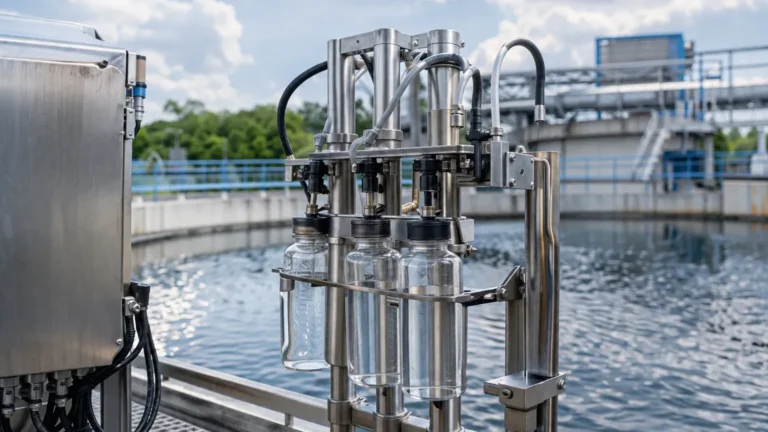
As hydrogen and oxygen gases are generated, they emerge from the electrolyzer stack mixed with water or electrolyte. These mixtures are sent to separator tanks. In the separator, the gas is drawn off the top while the liquid is recirculated back to the electrolyzer.
Precise level control here is vital for two reasons:
* Gas Carry-under: If the liquid level is too low, gas bubbles may be pulled into the recirculation pump, causing cavitation and potential damage.
* Liquid Carry-over: If the level is too high, liquid may enter the gas discharge lines, contaminating the hydrogen output and potentially damaging downstream compressors or purifiers.
Electrolyte Mixing and Storage
In alkaline systems, the concentration of the KOH solution must remain constant. Level transmitters monitor the mixing tanks where concentrated electrolyte is diluted with deionized water. These sensors must be highly resistant to the corrosive nature of strong bases.
Measurement Principles for Hydrogen Applications
Before selecting a specific instrument for the green hydrogen production process, it is necessary to understand the physical principles behind the most common measurement technologies. Each principle has strengths and limitations depending on the pressure, temperature, and chemical composition of the medium.
Hydrostatic Pressure Measurement
This principle relies on the relationship between the height of a liquid column and the pressure it exerts at the base ($P = \rho gh$). By measuring the pressure at the bottom of a tank and compensating for the headspace pressure (using a differential pressure transmitter), the liquid level can be calculated. This is a reliable, cost-effective method for atmospheric or low-pressure storage tanks.
Radar Level Measurement (ToF)
Radar sensors use the Time-of-Flight (ToF) principle. They emit high-frequency microwave pulses that reflect off the surface of the liquid and return to the sensor.
* Non-contact Radar: Ideal for corrosive electrolytes as the sensor does not touch the medium. It is unaffected by changes in density or temperature.
* Guided Wave Radar (GWR): Uses a physical probe to guide the microwave signal. GWR is particularly effective in separator tanks where foam or turbulence might scatter a non-contact signal.
Ultrasonic Level Measurement
Similar to radar, ultrasonic sensors use sound waves. However, because sound requires a medium to travel through, its speed is affected by the gas composition and temperature in the tank's headspace. In a hydrogen-rich environment, the speed of sound changes significantly compared to air, requiring specialized compensation algorithms.
Magnetic Level Gauges (MLG)
MLGs use a float containing a magnet that moves with the liquid level inside a bypass chamber. This magnet flips colored flags on an external scale and can be paired with a reed chain or magnetostrictive transmitter for remote monitoring. This provides a clear visual indication and a redundant electronic signal, which is highly valued in safety-critical hydrogen applications.
Technical Selection Criteria for Level Instrumentation
Choosing the right sensor for the green hydrogen production process depends on the specific requirements of the electrolyzer type and the operating environment. The following table provides a general guideline for technology selection.
| Application Point | Preferred Technology | Key Considerations |
| :— | :— | :— |
| Deionized Water Tank | Ultrasonic or Radar | Non-contact to maintain water purity; high accuracy. |
| Alkaline Separator Tank | Guided Wave Radar | Must handle high pressure (up to 30 bar) and KOH corrosion. |
| PEM Separator Tank | Non-contact Radar | High-pressure compatibility; resistant to high-purity water. |
| Electrolyte Mixing Tank | Hydrostatic (DP) | Chemical compatibility with KOH; easy to calibrate. |
| High-Pressure H2 Storage | Magnetic Level Gauge | Visual redundancy; no moving parts in contact with electronics. |
| Buffer Tanks | Radar | Fast response time for fluctuating levels. |
Installation and Safety Considerations in Hydrogen Environments
The green hydrogen production process involves inherent risks due to the flammability of hydrogen and the high pressures often required for efficient storage and transport.
Hazardous Area Certification
Any electronic level instrument installed near the electrolyzer or gas handling equipment must be certified for use in hazardous areas. Common standards include ATEX (Europe) and IECEx (International). For hydrogen, equipment must typically be rated for Group IIC gases, which are the most easily ignited.
Material Compatibility and Hydrogen Embrittlement
Hydrogen molecules are extremely small and can diffuse into the crystalline structure of metals. This leads to "hydrogen embrittlement," where the metal becomes brittle and prone to cracking. Level sensors, especially those with metallic diaphragms or probes (like hydrostatic or GWR sensors), should be constructed from 316L stainless steel or specialized alloys like Hastelloy C-276 to ensure long-term integrity.
Mounting and Turbulence
In separator tanks, the inflow of gas and liquid can create significant turbulence and foam. To ensure accurate readings:
* Use stilling wells or bypass chambers to isolate the sensor from surface agitation.
* Ensure sensors are mounted away from the inlet flow to avoid "false echoes" in radar systems.
* For hydrostatic sensors, ensure the capillary lines of differential pressure transmitters are properly insulated to prevent temperature-induced density errors.
Limitations and Troubleshooting
While modern instrumentation is highly advanced, the green hydrogen production process presents specific challenges that can interfere with measurement accuracy.
1. Low Dielectric Constants: Hydrogen gas has a very low dielectric constant ($ε_r \approx 1.0$), and some ultra-pure waters also have low reflectivity. Radar sensors must be high-sensitivity models (e.g., 80GHz) to ensure a strong return signal from the liquid-gas interface.
2. Foam Formation: In alkaline electrolysis, the presence of KOH and gas bubbles can create a thick foam layer. This foam can absorb ultrasonic signals or cause a "false top" for radar. Selecting a Guided Wave Radar with "end-of-probe" tracking can help mitigate this.
3. High Pressure and Temperature: SOEC processes operate at extreme temperatures that exceed the limits of standard sensors. In these cases, remote seals or cooling extensions are required to protect the sensor electronics.
Frequently Asked Questions
Q: Why is level measurement more difficult in hydrogen separators than in water tanks?
A: Separators operate at higher pressures and contain a dynamic mix of gas and liquid. The presence of hydrogen gas changes the vapor space characteristics, and high-velocity flows create turbulence that can interfere with simple float or ultrasonic sensors.
Q: Can I use a standard 316 stainless steel sensor for all green hydrogen applications?
A: While 316L is generally resistant, in high-pressure hydrogen environments, specialized coatings or gold-plated diaphragms may be necessary to prevent hydrogen permeation through the sensor face.
Q: How does the green hydrogen production process affect sensor calibration?
A: For hydrostatic sensors, the density of the liquid (especially electrolyte) changes with temperature. If the system does not have automated temperature compensation, the level reading will drift as the electrolyzer warms up during operation.
Q: What is the benefit of using 80GHz radar in this process?
A: 80GHz radar has a narrower beam angle and higher signal-to-noise ratio. This allows it to ignore internal tank obstructions like agitators or heating coils and provides a more reliable signal on low-dielectric liquids.
Conclusion
Optimizing the green hydrogen production process requires a deep understanding of both the chemical reaction and the mechanical systems supporting it. As the industry scales toward multi-megawatt installations, the reliability of level measurement becomes a cornerstone of operational efficiency. By selecting the appropriate measurement principle—whether it be the precision of radar or the robust visual feedback of a magnetic gauge—engineers can ensure that hydrogen remains a safe and viable energy carrier for the future. For detailed product specifications and engineering support for your level measurement needs, please refer to our Main Page.