H2s Gas Analyzer
H2s Gas Analyzer
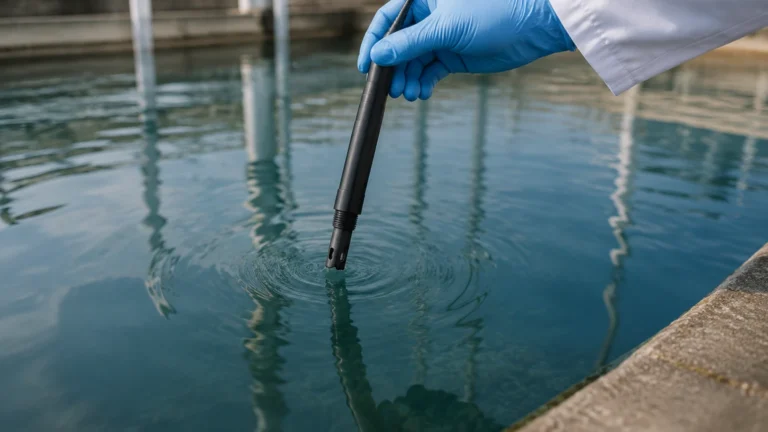
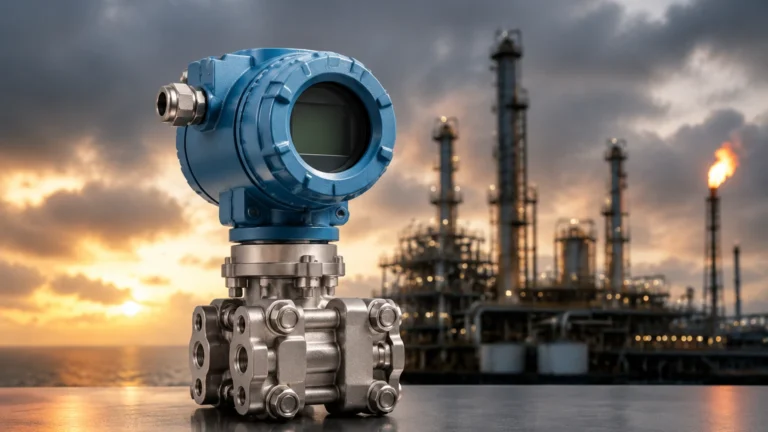
In industrial environments such as wastewater treatment plants, oil refineries, and chemical processing facilities, the presence of Hydrogen Sulfide (H2S) poses significant risks to both personnel safety and equipment integrity. An H2s gas analyzer is a critical instrument used to detect, monitor, and quantify the concentration of this colorless, highly toxic, and flammable gas. Because H2S is a byproduct of organic decomposition and various industrial processes, its management is often intertwined with other process control measures, including level measurement in tanks, sumps, and sealed vessels.
Understanding the technical specifications and measurement principles of an H2s gas analyzer is essential for process engineers who must balance safety compliance with operational efficiency. This guide examines the core technologies behind these analyzers, their selection criteria, and how they integrate into broader industrial instrumentation systems.
Measurement Principles of H2S Analyzers
Before selecting an H2s gas analyzer, it is vital to understand the underlying physics of how the gas is detected. Different technologies offer varying levels of sensitivity, response time, and resistance to environmental interference.
Electrochemical Sensors
Electrochemical sensing is the most common method for portable and fixed H2S detection. These sensors operate by reacting with the gas and producing an electrical signal proportional to the gas concentration. Inside the sensor, H2S diffuses through a membrane and undergoes a chemical reaction at a sensing electrode. This reaction releases electrons, creating a current that is measured by the analyzer.
* Advantages: High sensitivity at low concentrations (ppm levels), low power consumption, and relatively low cost.
* Limitations: The electrolyte can dry out over time, and the sensor is susceptible to cross-sensitivity with other gases like Carbon Monoxide (CO).
Metal Oxide Semiconductor (MOS)
MOS sensors consist of a heated metal oxide film. When H2S molecules come into contact with the surface, a catalytic reaction occurs that changes the electrical resistance of the film. The analyzer monitors this change in resistance to determine the gas concentration.
* Advantages: Extremely durable and capable of operating in high-temperature or high-humidity environments where electrochemical sensors might fail.
* Limitations: They require significant power to maintain the heating element and can be slower to return to a baseline reading after a high-concentration exposure.
Tunable Laser Diode Absorption Spectroscopy (TDLAS)
TDLAS is an advanced optical measurement technique. It uses a laser tuned to a specific wavelength that H2S molecules absorb. By measuring the light attenuation as the laser passes through a gas sample, the analyzer calculates the concentration with high precision.
* Advantages: Non-contact measurement, extremely fast response times, and zero interference from other gases.
* Limitations: Higher initial capital expenditure compared to sensor-based units.
Technical Selection Criteria for Industrial Applications
Selecting the right H2s gas analyzer requires an evaluation of the specific process conditions. Engineers must determine whether they need continuous monitoring (fixed) or spot-checking (portable) and what range of detection is necessary for safety versus process control.
| Feature | Electrochemical | Metal Oxide (MOS) | TDLAS (Laser) |
| :— | :— | :— | :— |
| Detection Range | 0–100 ppm | 0–100 ppm | 0–100% Volume |
| Response Time (T90) | < 30 seconds | < 60 seconds | < 2 seconds |
| Typical Lifespan | 2–3 years | 5+ years | 7–10 years |
| Maintenance Needs | Frequent calibration | Moderate calibration | Minimal |
| Best Use Case | Personnel safety / PPE | High-heat industrial | Pipeline / Process gas |
When evaluating these options, it is also important to consider the integration of these devices with other site-wide instrumentation. For a comprehensive overview of how various sensors and transmitters work together in industrial automation, reviewing the Main Page of an instrumentation specialist can provide insights into total system compatibility.
The Intersection of Gas Detection and Level Measurement
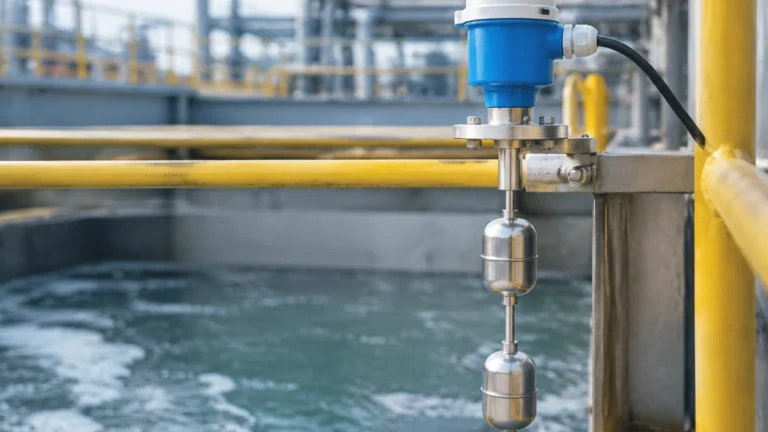
While an H2s gas analyzer focuses on atmospheric or process gas composition, its data is often used alongside level measurement instruments. In many applications, the presence of H2S is a direct result of the material being stored or processed in a tank.
Impact on Level Sensor Selection
1. Corrosion Resistance: H2S is highly corrosive, especially when it reacts with moisture to form sulfuric acid. When selecting level instruments like hydrostatic level transmitters or magnetic level gauges, engineers must specify materials such as Hastelloy, Tantalum, or specialized PVC/PTFE coatings to prevent premature failure of the diaphragms and probes.
2. Vapor Space Interference: In applications using ultrasonic level sensors, high concentrations of H2S and other vapors can alter the speed of sound in the tank's headspace. This can lead to measurement errors. In such environments, radar level meters (80GHz) are often preferred because electromagnetic waves are not affected by gas density or composition.
3. Safety Interlocks: In wastewater wet wells, an H2s gas analyzer may be interlocked with the level control system. If gas levels exceed safety thresholds, the system may trigger ventilation fans or modify pump cycles to prevent the buildup of stagnant, gas-producing sludge.
Installation and Positioning Considerations
The effectiveness of an H2s gas analyzer depends heavily on its physical placement. Unlike some gases that disperse evenly, H2S has specific physical properties that dictate installation logic.
* Relative Density: Hydrogen Sulfide has a relative density of approximately 1.189 (where air is 1.0). This means it is heavier than air and tends to collect in low-lying areas, such as pits, sumps, and the bottom of storage tanks. Sensors should generally be mounted 0.3 to 0.6 meters (1 to 2 feet) above the floor or the lowest grade level.
* Environmental Factors: For outdoor installations, the prevailing wind direction must be considered. Sensors should be placed downwind of potential leak sources (valves, flanges, or pump seals).
* Accessibility: While sensors must be placed where gas accumulates, they also require routine calibration. If a sensor is placed in a confined space or a high-elevation point, remote sampling systems or calibration gas tubing should be installed to facilitate maintenance without endangering technicians.
Limitations and Operational Risks
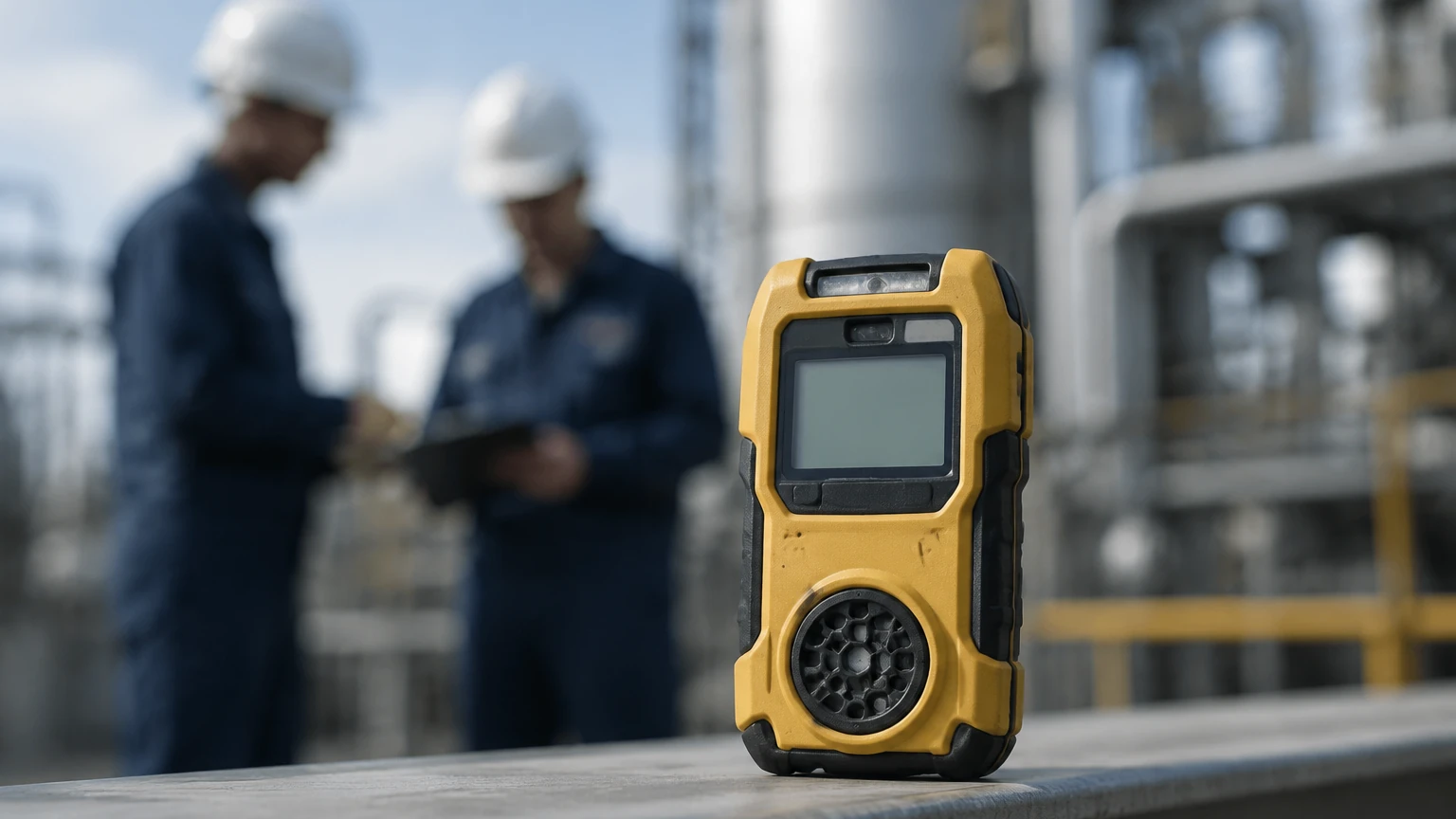
No H2s gas analyzer is infallible. Recognizing the limitations of the technology is a prerequisite for a robust safety program.
1. Sensor Poisoning: Certain chemicals, such as silicones, lead, and chlorinated compounds, can "poison" the sensing element of MOS and electrochemical sensors, rendering them insensitive to H2S. Regular "bump testing" is required to ensure the sensor still responds to the target gas.
2. Oxygen Dependency: Most electrochemical H2S sensors require a small amount of oxygen to function correctly. In inert environments (such as nitrogen-purged tanks), standard electrochemical sensors may fail to provide accurate readings. In these cases, specialized sensors or TDLAS systems are required.
3. Saturation: If a sensor designed for low ppm (parts per million) levels is exposed to a high-concentration slug of gas (e.g., 1000+ ppm), it may become saturated. This can lead to a "dead" sensor or a significantly delayed recovery time.
Maintenance and Calibration Protocols
To maintain the accuracy of an H2s gas analyzer, a structured maintenance schedule is mandatory. Industrial standards typically recommend:
* Bump Testing: A brief exposure to a known concentration of H2S to verify that the alarms trigger and the sensor responds. This should be done frequently, often before each shift for portable units.
* Full Calibration: A more rigorous process where the zero point and span are adjusted using certified calibration gas. For fixed systems, this is usually performed every 3 to 6 months depending on the environment.
* Sensor Replacement: Electrochemical cells have a finite life. Proactive replacement schedules prevent unexpected downtime and safety gaps.
Frequently Asked Questions (FAQs)
Q: At what concentration does H2S become dangerous?
A: While the OSHA Permissible Exposure Limit (PEL) is 20 ppm (ceiling), H2S is immediately dangerous to life and health (IDLH) at 100 ppm. Even at very low levels (0.01-1.5 ppm), the characteristic "rotten egg" smell is detectable, but higher concentrations can cause olfactory fatigue, meaning the person can no longer smell the gas.
Q: Can one analyzer detect both H2S and LEL?
A: Yes, many multi-gas analyzers include both an H2s gas analyzer sensor and a Pellistor or IR sensor for Lower Explosive Limit (LEL) monitoring. This is standard for confined space entry.
Q: How does temperature affect H2S readings?
A: Extreme cold can slow the chemical reaction in electrochemical sensors, leading to sluggish response times. Conversely, extreme heat can shorten the lifespan of the sensor electrolyte. Most high-quality analyzers include internal temperature compensation circuitry to mitigate these effects.
Q: Why should I use a radar level meter instead of ultrasonic in high H2S areas?
A: As noted in the technical documentation on the Main Page, radar level meters use microwave signals that are unaffected by the chemical composition or density of the gas in the vapor space, whereas ultrasonic signals can be attenuated or refracted by heavy H2S concentrations.
Conclusion
The H2s gas analyzer is an indispensable tool for maintaining safety and process integrity in modern industry. By understanding the measurement principles—whether electrochemical, MOS, or laser-based—engineers can select the most reliable instrument for their specific environment. When combined with robust level measurement solutions and proper installation practices, these analyzers form the backbone of a comprehensive industrial monitoring strategy. Regular calibration and an awareness of the environmental factors affecting sensor performance ensure that these systems provide the early warning necessary to protect both human life and expensive industrial infrastructure.