Hand Held Ph Meter
Hand Held Ph Meter
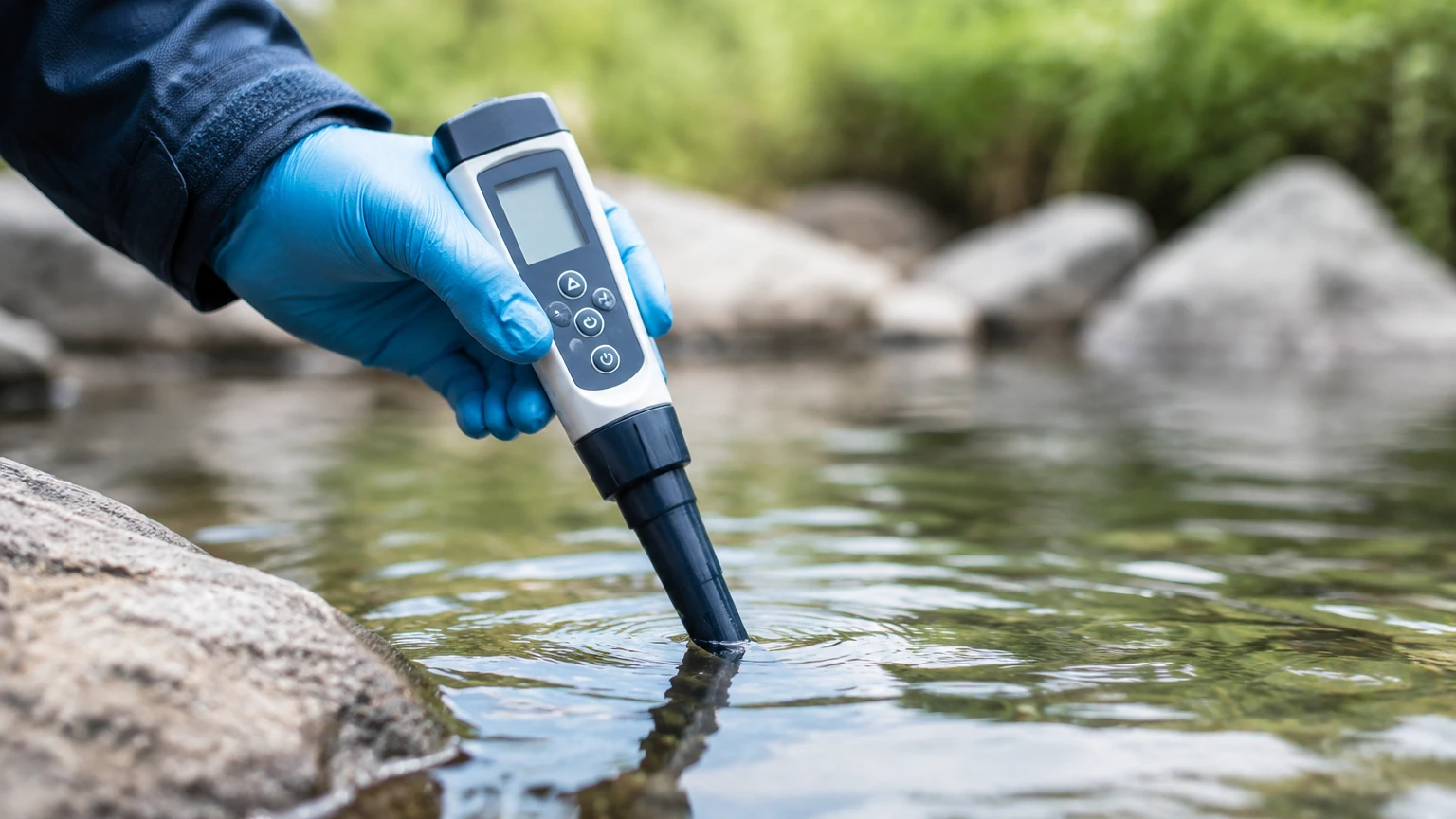
In industrial process control and environmental monitoring, the ability to perform rapid, on-site chemical analysis is as critical as monitoring physical parameters like liquid level or pressure. The hand held pH meter serves as a primary tool for field technicians and process engineers to determine the acidity or alkalinity of an aqueous solution. Unlike stationary inline sensors, these portable instruments provide the flexibility required for spot-checking cooling towers, wastewater effluent, and chemical storage tanks.
Understanding the technical nuances of pH measurement, from the electrochemical principles of the glass electrode to the necessity of temperature compensation, is essential for ensuring data integrity in B2B applications. This guide provides a comprehensive technical overview of handheld pH instrumentation, selection criteria, and operational best practices for industrial environments.
Understanding the Principles of pH Measurement
pH is a measure of the hydrogen ion ($H^+$) activity in a solution, defined mathematically as the negative logarithm of the hydrogen ion concentration. The scale typically ranges from 0 to 14, where 7 is neutral, values below 7 are acidic, and values above 7 are alkaline.
The Potentiometric Method
A hand held pH meter operates on the potentiometric principle, measuring the voltage difference between two electrodes submerged in the sample. Most modern portable units utilize a "combination electrode," which houses both the sensing electrode and the reference electrode in a single probe body.
1. The Glass Electrode (Sensing): This consists of a thin, pH-sensitive glass membrane. When immersed, a hydrated gel layer forms on the outside and inside of the membrane. Hydrogen ions in the sample exchange with ions in the gel layer, creating a millivolt (mV) potential relative to the internal buffer solution.
2. The Reference Electrode: This provides a stable, constant potential against which the sensing electrode is measured. It typically uses a silver/silver chloride (Ag/AgCl) system surrounded by a concentrated potassium chloride (KCl) electrolyte. The reference electrode contacts the sample through a porous junction.
3. The Nernst Equation: The meter converts the measured potential (mV) into a pH value using the Nernst Equation. At 25°C (298.15 K), the theoretical slope of a pH electrode is 59.16 mV per pH unit. This means for every one-unit change in pH, the voltage produced by the electrode changes by approximately 59 mV.
The Role of Temperature
Temperature significantly affects pH measurement in two ways: it changes the chemical activity of the ions in the sample and alters the sensitivity (slope) of the electrode. This is why high-quality handheld meters include Automatic Temperature Compensation (ATC). The ATC probe measures the sample temperature and adjusts the meter’s calculation of the pH slope to ensure accuracy across varying thermal conditions, typically ranging from 0°C to 100°C.
Key Features and Evaluation Criteria for Hand Held pH Meters
When selecting a hand held pH meter for industrial use, engineers must look beyond the basic display and evaluate the hardware's ability to withstand harsh environments while maintaining laboratory-grade precision.
Electrode Type and Junction
Industrial samples often contain suspended solids, oils, or aggressive chemicals that can clog standard ceramic junctions. For B2B applications, consider:
* Double Junction Electrodes: These provide an extra barrier to prevent sample contaminants from poisoning the reference silver wire, extending the probe's lifespan in chemical processing.
* Teflon (PTFE) Junctions: These are more resistant to clogging in viscous or high-solid-content liquids compared to traditional ceramic frits.
Accuracy and Resolution
Standard portable meters offer a resolution of 0.1 or 0.01 pH units. For environmental compliance and chemical dosing, a resolution of 0.01 pH with an accuracy of ±0.01 pH is generally required. For simple field checks or agriculture, 0.1 pH accuracy may suffice.
Durability and Ingress Protection
Portable instruments are prone to being dropped or splashed. An IP67 rating is the industrial standard, ensuring the device is dust-tight and can withstand immersion in water up to 1 meter for 30 minutes. The housing should be constructed from chemical-resistant polymers like ABS or polycarbonate.
Selection Guide: Choosing the Right Instrument
The following table outlines typical configurations for various industrial applications to assist in the procurement process.
| Application | Required Accuracy | Electrode Type | Key Features |
| :— | :— | :— | :— |
| Wastewater Treatment | ±0.02 pH | Double Junction, Ruggedized | IP67 rating, ATC, Data logging |
| Chemical Processing | ±0.01 pH | Glass Body, PTFE Junction | High chemical resistance, multi-point calibration |
| Cooling Tower Maintenance | ±0.05 pH | Plastic Body, Gel-filled | Portability, ease of use, low maintenance |
| Food & Beverage | ±0.01 pH | Spear-tip or Flush-mount | Easy to clean, HACCP compliance, ATC |
| Boiler Feed Water | ±0.01 pH | Low-ionic strength probe | High sensitivity for low-conductivity water |
Operational Best Practices: Calibration and Temperature Compensation
A hand held pH meter is only as accurate as its last calibration. Because electrodes "age" and their slope and offset drift over time, regular calibration is mandatory.
Calibration Procedures
1. Buffer Selection: Use fresh NIST-traceable buffer solutions (usually pH 4.01, 7.00, and 10.01).
2. Multi-Point Calibration: For the best accuracy across the entire range, perform a 3-point calibration. If the expected sample is acidic, a 2-point calibration (pH 7 and 4) is usually sufficient.
3. Slope Check: After calibration, the meter should display the electrode slope. A healthy electrode will have a slope between 92% and 102%. A slope below 90% indicates the electrode is aging or contaminated and may need replacement.
Sample Handling
Always rinse the electrode with deionized (DI) water between measurements to prevent cross-contamination. Do not wipe the glass bulb with a cloth, as this can create a static charge that interferes with the reading; instead, gently blot it with a lint-free tissue.
Maintenance, Storage, and Troubleshooting
Proper maintenance is the most significant factor in the longevity of a hand held pH meter. Unlike level sensors, which may operate for years without contact, pH probes are consumable items with a finite lifespan, typically 6 to 18 months depending on the application.
Storage Requirements
The pH-sensitive glass membrane must remain hydrated to function.
* Short-term/Long-term Storage: Always store the electrode in a specialized storage solution (usually 3M or 4M KCl).
* What to Avoid: Never store the probe in deionized or distilled water, as this will leach ions out of the glass membrane and the reference electrolyte, permanently damaging the sensor.
Troubleshooting Common Issues
* Drifting Readings: Often caused by a clogged reference junction or a depleted electrolyte. Cleaning the probe in a mild detergent or specialized cleaning solution can often restore performance.
* Slow Response: Usually a sign of an aging electrode or a dehydrated membrane. Try soaking the probe in pH 4 buffer for several hours.
* Erratic Displays: Check for air bubbles inside the glass bulb. Gently shake the probe (like a clinical thermometer) to move bubbles away from the sensing tip.
The Role of Portable pH Analysis in Integrated Process Control
In many industrial facilities, pH measurement is used in tandem with level measurement to manage chemical stocks and reaction vessels. For instance, in a neutralization tank, an ultrasonic level sensor or a radar level meter monitors the volume of the effluent, while a technician uses a hand held pH meter to verify the acidity before discharge.
Integrating these data points allows for a holistic view of the process. While Welk provides advanced solutions for level monitoring, such as radar and hydrostatic transmitters, the manual verification provided by portable pH instruments remains a vital fail-safe in the automation loop. For more information on comprehensive industrial measurement solutions, you can visit our Main Page.
Frequently Asked Questions (FAQ)
Q: How often should I calibrate my handheld pH meter?
A: For industrial B2B applications, calibration should be performed at the start of every shift or before a series of critical measurements. If the meter is used infrequently, calibrate it immediately before use.
Q: Can I use a handheld meter for continuous monitoring?
A: No. Handheld meters are designed for spot checks. Continuous immersion will deplete the reference electrolyte quickly and may lead to premature electrode failure. For continuous use, an inline process pH sensor is required.
Q: Why does my pH reading take so long to stabilize?
A: Response time can be affected by the sample's temperature, the conductivity of the liquid (low-ion water takes longer), or the condition of the electrode. If the probe is old or dirty, the ion exchange process slows down.
Q: Does the meter measure the pH of non-aqueous liquids like oil?
A: Standard pH electrodes require water to function. Measuring pH in oils or solvents requires specialized electrodes and different measurement techniques, as the standard Nernstian response does not apply in the same way to non-aqueous media.
Q: What is the difference between a pH pen and a handheld meter?
A: A pH pen is a compact, all-in-one device usually intended for less rigorous applications. A professional hand held pH meter typically features a detachable probe, higher accuracy, better calibration options, and more robust environmental protection, making it the preferred choice for industrial engineering teams.
By following these technical guidelines and selecting equipment suited for the specific chemical environment, organizations can ensure reliable and repeatable pH data, supporting both process efficiency and regulatory compliance.