Hemp Extraction Machines
Hemp Extraction Machines
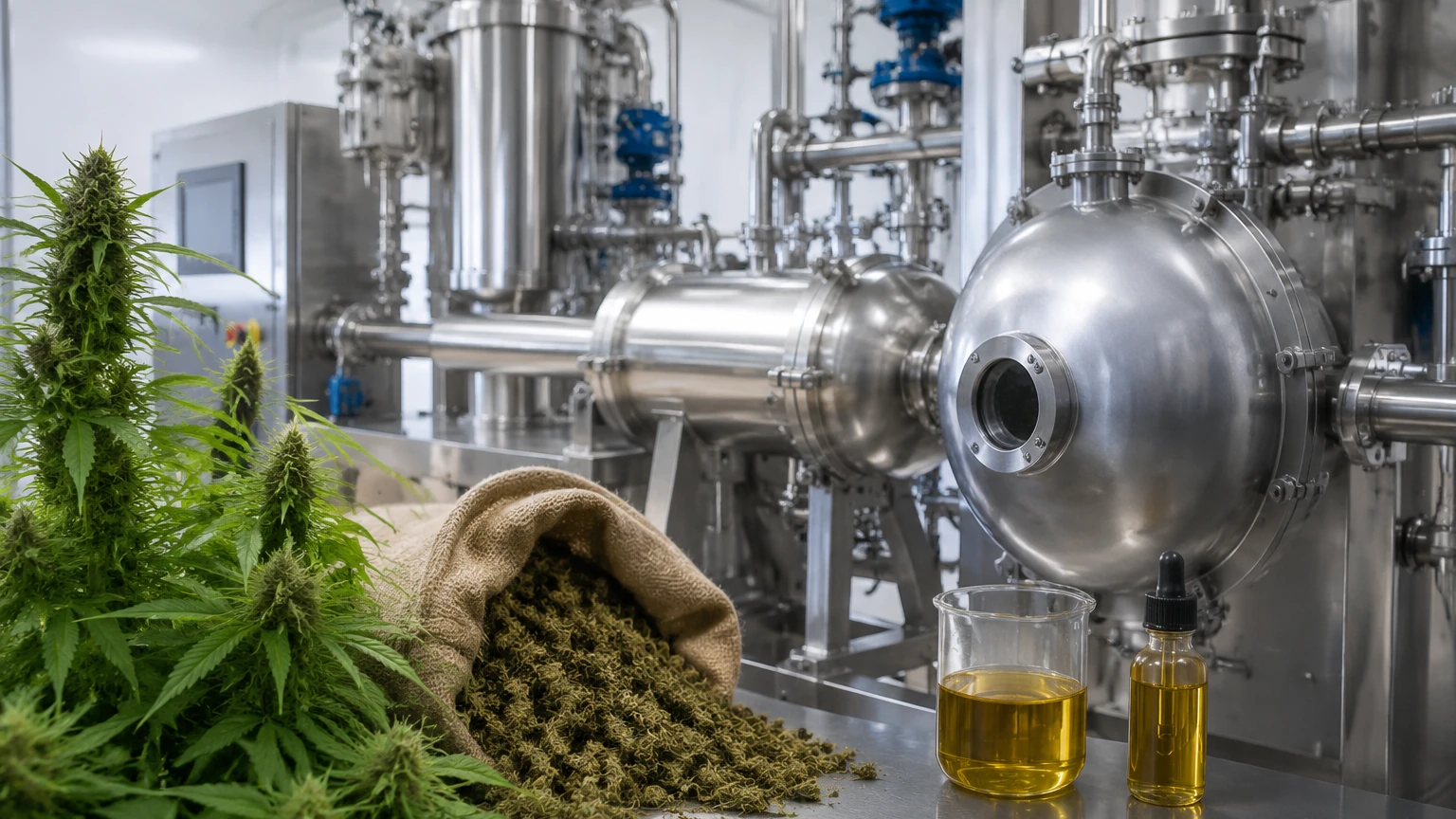
In the rapidly evolving botanical processing industry, hemp extraction machines represent the core infrastructure for producing high-quality CBD, CBG, and other cannabinoids. These systems are sophisticated industrial units designed to separate essential oils and compounds from raw hemp biomass using various solvents and mechanical processes. For plant managers and process engineers, the efficiency of these machines depends not only on the extraction method itself but also on the precision of the instrumentation monitoring the process. Accurate level measurement within solvent tanks, extraction vessels, and recovery systems is critical for safety, yield optimization, and regulatory compliance.
Understanding Level Measurement Principles in Extraction
Before selecting specific hemp extraction machines or their peripheral components, it is essential to understand the physical principles governing the measurement of fluids within these systems. Extraction processes involve volatile solvents, high pressures, or cryogenic temperatures, all of which influence how level data is captured.
Radar Level Measurement (ToF)
Radar level meters operate on the Time-of-Flight (ToF) principle. The device emits high-frequency microwave pulses that travel to the surface of the liquid (such as ethanol or butane) and reflect back to the sensor. By measuring the time interval between emission and reception, the system calculates the distance and, consequently, the liquid level. Radar is highly effective in hemp extraction because it is non-contact and unaffected by changes in pressure or vapor space composition.
Ultrasonic Level Sensing
Similar to radar, ultrasonic sensors use sound waves. A transducer emits an ultrasonic pulse that bounces off the fluid surface. However, because sound speed is influenced by air temperature and vapor density, ultrasonic sensors are generally reserved for ambient-pressure water treatment or bulk biomass storage rather than pressurized solvent vessels.
Hydrostatic Pressure Measurement
This principle relies on the relationship between the height of a liquid column and the pressure it exerts at the base of a tank. By installing a pressure transmitter at the bottom of a vessel, the system can determine the level based on the fluid's density. In hemp extraction, this is commonly used in large solvent storage tanks where the density of the solvent remains constant.
Magnetic Level Gauges
For visual confirmation and automated control, magnetic level gauges utilize a float containing a magnet that moves with the liquid level inside a bypass chamber. Outside the chamber, magnetic flags flip to indicate the level visually, while a reed switch or transmitter can provide a 4-20mA signal to the central control system. These are favored in high-pressure CO2 extraction systems where electronic sensors might face sealing challenges.
Types of Hemp Extraction Machines and Their Applications
The choice of extraction technology dictates the design of the facility and the types of level instrumentation required. Most industrial hemp extraction machines fall into three primary categories.
1. Centrifugal Ethanol Extraction Systems
Ethanol is the most common solvent for mid-to-large-scale hemp operations. These machines use chilled ethanol (often at -40°C to -80°C / -40°F to -112°F) to wash the biomass. Centrifugation then separates the solvent from the plant material. Precise level monitoring in the solvent reservoir and the collection tank ensures that the ratio of solvent to biomass is maintained for maximum efficiency.
2. Supercritical CO2 Extractors
CO2 extraction uses carbon dioxide at high pressures (above 1,071 psi / 73.8 bar) and specific temperatures to reach a "supercritical" state where it acts as both a gas and a liquid. These machines are highly tunable, allowing for the targeted extraction of specific terpenes and cannabinoids. Due to the extreme pressures involved, level sensors must be rated for high-pressure environments and often require specialized seals.
3. Hydrocarbon (BHO/PHO) Extraction Machines
Hydrocarbon extraction utilizes butane or propane. These solvents have low boiling points, making them excellent for preserving delicate flavor profiles. However, they are highly flammable. Any level measurement instrumentation integrated into these machines must carry strict explosion-proof certifications (such as ATEX or Class I, Div 1).
Selection Criteria for Level Instrumentation
When integrating level sensors into hemp extraction machines, engineers must evaluate the following technical parameters to ensure long-term reliability:
| Technology | Typical Application | Advantages | Limitations |
| :— | :— | :— | :— |
| Guided Wave Radar | Solvent recovery tanks | Highly accurate; unaffected by foam or turbulence. | Requires a probe inside the tank. |
| Non-Contact Radar | Bulk ethanol storage | No moving parts; sanitary; easy to clean. | Higher initial cost. |
| Hydrostatic | Buffer tanks | Cost-effective; simple installation. | Sensitive to changes in fluid density. |
| Magnetic Gauges | High-pressure CO2 vessels | Visual and electronic feedback; robust. | Mechanical wear on the float over time. |
| Level Switches | Overfill protection | Reliable safety backup. | Point-level measurement only. |
Installation and Engineering Considerations
Proper installation is vital for the accuracy of hemp extraction machines. Several factors can interfere with sensor performance if not addressed during the design phase.
* Nozzle Placement: For radar and ultrasonic sensors, the mounting nozzle should be positioned away from the tank wall and inlet pipes to avoid false reflections. A distance of at least 200mm (approx. 8 inches) from the wall is standard practice.
* Foam Management: Ethanol extraction often produces foam. Non-contact radar sensors operating at higher frequencies (e.g., 80GHz) are better at penetrating foam than lower-frequency alternatives.
* Sanitary Requirements: Since hemp extracts are often intended for human consumption (as supplements or pharmaceuticals), all wetted parts of the level sensors must be food-grade. Stainless steel 316L and PTFE are the industry standards for chemical compatibility and hygiene.
* Temperature Extremes: Cryogenic ethanol processes require sensors with remote electronics or specialized cooling fins to prevent the cold from damaging the sensor's internal circuitry.
Challenges and Limitations in Hemp Processing
While modern hemp extraction machines are highly automated, they are not without challenges. One significant limitation is the "coating" effect. As hemp resins are extracted, they can become viscous and sticky. These resins may coat the probes of guided wave radar or hydrostatic sensors, leading to measurement drift. In such cases, non-contact radar is the preferred solution as it never touches the process fluid.
Another challenge is the presence of agitated liquids. In many extraction vessels, internal mixers or agitators create a turbulent surface. If the level sensor is not configured with the correct damping settings or if the signal is not strong enough, the system may lose the "echo lock," resulting in a loss of data. Engineers should look for sensors with advanced signal processing algorithms designed to filter out agitator interference.
Frequently Asked Questions (FAQs)
Q: Can I use the same level sensor for both ethanol and CO2?
A: Generally, no. CO2 extraction involves much higher pressures and different physical properties than ethanol extraction. While the measurement principle (like radar) might be the same, the housing, seals, and pressure ratings will differ significantly.
Q: How often should level sensors in extraction machines be calibrated?
A: For most industrial applications, an annual calibration check is recommended. However, if the machine is used for pharmaceutical-grade CBD production, semi-annual calibration may be required by local regulatory bodies.
Q: Are wireless level sensors suitable for hemp extraction?
A: Wireless sensors can be used for bulk storage tanks located outside the main processing area. However, within the extraction room, wired connections are usually preferred to ensure real-time data transmission for safety interlocks.
Conclusion and Next Steps
The success of a hemp extraction facility relies on the synergy between the primary extraction hardware and the precision of its control systems. By understanding the measurement principles of radar, hydrostatic, and magnetic technologies, operators can ensure their hemp extraction machines run at peak efficiency while maintaining the highest safety standards. For those looking to optimize their process or replace aging instrumentation, reviewing the latest developments in sensor technology is a critical step. For more detailed technical specifications and to Review product options and application support, consulting with a specialized manufacturer of industrial level measurement instruments is recommended. Selecting the right components today prevents costly downtime and ensures a consistent, high-quality end product in the competitive hemp market.