Hemp Extractor
Hemp Extractor
In the rapidly evolving industrial hemp processing sector, the efficiency of a hemp extractor is largely determined by the precision of its control systems. Industrial extraction involves the separation of cannabinoids, terpenes, and flavonoids from plant material using various solvents and thermal processes. To maintain consistency, safety, and high throughput, accurate level measurement of solvents and extracts is essential.
This article examines the technical requirements for level instrumentation within hemp extraction systems, the underlying measurement principles, and how to select the appropriate sensors for different extraction methodologies.
Principles of Level Measurement in Extraction Environments
Before selecting instrumentation for a hemp extractor, it is vital to understand the physical principles that govern level detection. In industrial processing, level measurement is generally categorized into continuous measurement and point level detection.
Time-of-Flight (ToF) Principle
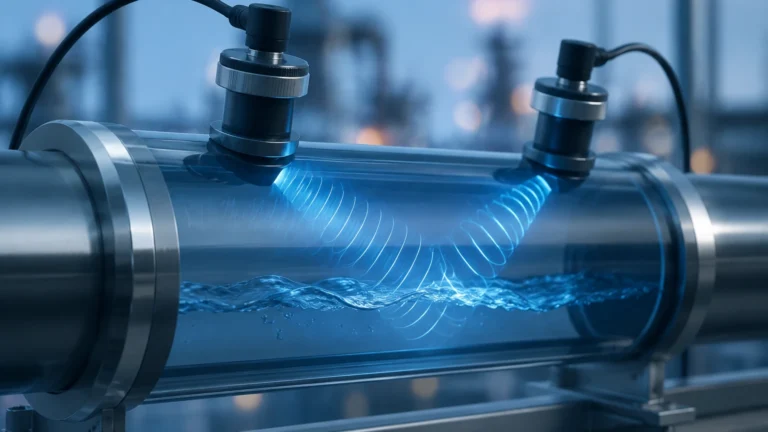
Both radar and ultrasonic sensors operate on the Time-of-Flight principle. The sensor emits a signal (electromagnetic for radar, acoustic for ultrasonic) that travels to the surface of the liquid, reflects, and returns to the receiver. The distance is calculated based on the time elapsed and the speed of the wave. In hemp extraction, radar is often preferred over ultrasonic because electromagnetic waves are not affected by the vacuum conditions or solvent vapors often found in extraction vessels.
Hydrostatic Pressure Principle
Hydrostatic level transmitters measure the pressure exerted by a liquid column at the bottom of a tank. The relationship is defined by the formula $P = \rho gh$, where $P$ is pressure, $\rho$ is the liquid density, $g$ is gravity, and $h$ is the height of the liquid. This method is highly reliable for atmospheric tanks but requires compensation if the density of the solvent changes significantly with temperature, which is common in chilled ethanol extraction.
Magnetic Coupling Principle
Magnetic level gauges utilize a float containing a permanent magnet. As the liquid level in the hemp extractor's auxiliary tanks rises or falls, the float moves a series of external flags or interacts with a magnetostrictive transmitter. This provides a clear visual indication and an electronic signal without the risk of leaks associated with traditional sight glasses.
Level Sensing Needs in Different Extraction Methods
The choice of level instrumentation depends heavily on the specific solvent and physical state used within the hemp extractor. For a broader look at industrial measurement solutions, you can consult our Main Page.
1. Ethanol Extraction
Ethanol is a common solvent used in large-scale hemp extraction. It is often chilled to temperatures as low as -40°C to -80°C to prevent the extraction of unwanted waxes and chlorophyll.
* Instrumentation Requirement: Sensors must be rated for cryogenic or near-cryogenic temperatures.
* Challenge: Chilled ethanol has a high dielectric constant (approximately 24), making it an excellent target for radar level meters.
2. CO2 Extraction (Supercritical and Subcritical)
CO2 extraction uses high pressure and controlled temperatures to reach a supercritical state. Pressures can exceed 75 bar (1,087 psi).
* Instrumentation Requirement: Level sensors must be housed in high-pressure rated vessels.
* Challenge: The changing density of CO2 near the critical point can make hydrostatic measurement difficult; therefore, guided wave radar or magnetic level gauges are typically employed.
3. Hydrocarbon Extraction (Butane/Propane)
Hydrocarbon extraction is efficient but involves highly flammable solvents.
* Instrumentation Requirement: All electronics must carry strict explosion-proof certifications (e.g., ATEX, IECEx, or Class I, Div 1).
* Challenge: Hydrocarbons have low dielectric constants, which may require high-frequency radar (80 GHz) to ensure a strong return signal from the liquid surface.
Selecting Level Sensors for Hemp Extractors
When integrating level measurement into a hemp extractor, engineers should evaluate the following technologies based on the specific process stage.
Radar Level Meters
Radar (specifically 80 GHz high-frequency radar) is the gold standard for extraction. It is non-contact, meaning the sensor does not touch the solvent, preventing contamination. It performs exceptionally well in the presence of vapors and internal tank obstructions like agitators.
Ultrasonic Level Sensors
Ultrasonic sensors are cost-effective solutions for water treatment stages or non-volatile storage in hemp processing. However, they are generally avoided in the primary extraction vessel because the speed of sound changes in solvent-rich atmospheres, leading to measurement errors.
Magnetic Level Gauges
For high-pressure solvent recovery tanks, magnetic level gauges provide a robust mechanical solution. They are often paired with reed chain transmitters to provide a 4-20mA signal to the central PLC (Programmable Logic Controller).
Technical Selection Table
| Technology | Suitable Solvents | Pressure Range | Temperature Range | Pros | Cons |
| :— | :— | :— | :— | :— | :— |
| 80GHz Radar | Ethanol, CO2, Hydrocarbons | Vacuum to 100+ bar | -196°C to +450°C | Non-contact, high precision | Higher initial cost |
| Guided Wave Radar | Ethanol, Butane | Vacuum to 40 bar | -50°C to +200°C | Unaffected by foam | Contact-based (probe) |
| Hydrostatic | Ethanol, Water | Atmospheric | -20°C to +100°C | Simple, reliable | Sensitive to density changes |
| Magnetic Gauge | CO2, Hydrocarbons | Up to 320 bar | -196°C to +400°C | Visual + Electronic | Moving parts (float) |
Installation and Safety Considerations
Proper installation is critical to the longevity and accuracy of level instruments in a hemp extractor.
1. Explosion-Proof Ratings: Since many hemp extraction processes involve flammable solvents, sensors must be rated for hazardous locations. Ensure the housing is NEMA 7 or equivalent.
2. Nozzle Positioning: For radar and ultrasonic sensors, avoid placing the unit directly above the liquid inlet to prevent interference from turbulence or splashing.
3. Dead Zones: Every sensor has a "dead zone" or "blocking distance" near the transmitter face where measurement is impossible. Ensure the tank height and sensor mounting allow for this gap.
4. Material Compatibility: Ensure that all wetted parts (probes, gaskets, diaphragms) are compatible with the solvents used. 316L stainless steel and PTFE are standard choices for hemp processing.
Limitations and Operational Constraints
While modern level meters are highly advanced, they are not without limitations:
* Foam Interference: Heavy foam on the surface of an extract can absorb radar or ultrasonic signals. In these cases, guided wave radar with a coaxial probe is often the only viable solution.
* Vessel Geometry: Small-diameter extractors with internal cooling coils can create false echoes. Using high-frequency radar with a narrow beam angle (e.g., 3 degrees) helps bypass these obstructions.
* Condensation: In chilled ethanol applications, condensation or icing on the sensor face can occur. Selecting a sensor with a PTFE drip-off lens can mitigate signal attenuation.
Maintenance and Calibration
To ensure the hemp extractor operates at peak efficiency, regular maintenance of level sensors is required:
* Visual Inspection: Check for buildup of botanical resins on probes or sensor faces. Clean with an approved solvent (e.g., isopropyl alcohol) if necessary.
* Zero-Point Calibration: Periodically verify the "empty" reading of the tank to account for any mechanical shifts or electronic drift.
* Seal Integrity: In high-pressure CO2 systems, inspect the seals and gaskets of the level meter during scheduled downtime to prevent solvent leaks.
Frequently Asked Questions (FAQ)
Q: Can I use a standard ultrasonic sensor for butane extraction?
A: No. Butane is highly flammable and requires explosion-proof rated equipment. Furthermore, butane vapors change the speed of sound, which would make a standard ultrasonic sensor inaccurate. Radar is the preferred non-contact alternative.
Q: How does temperature affect hydrostatic level sensors in ethanol tanks?
A: As ethanol is chilled, its density increases. Because hydrostatic sensors measure the weight of the liquid, a colder, denser liquid will exert more pressure than the same volume of warmer liquid. If the sensor is not temperature-compensated, it will report a higher level than actually exists.
Q: Is non-contact radar safe for food-grade hemp extracts?
A: Yes. Because the sensor does not touch the product, there is no risk of cross-contamination or leaching from the instrument materials into the extract, making it ideal for GMP (Good Manufacturing Practice) facilities.
Q: What is the benefit of 80 GHz radar over 26 GHz radar in a hemp extractor?
A: 80 GHz radar has a much shorter wavelength and a narrower beam. This allows it to focus better in small vessels, ignore internal obstructions like agitator blades, and provide a stronger reflection from low-dielectric liquids like hydrocarbons.
By carefully selecting level measurement technology based on the chemical and physical properties of the extraction process, operators can ensure their hemp extractor remains safe, compliant, and highly productive.