Leachate+system
Leachate+system
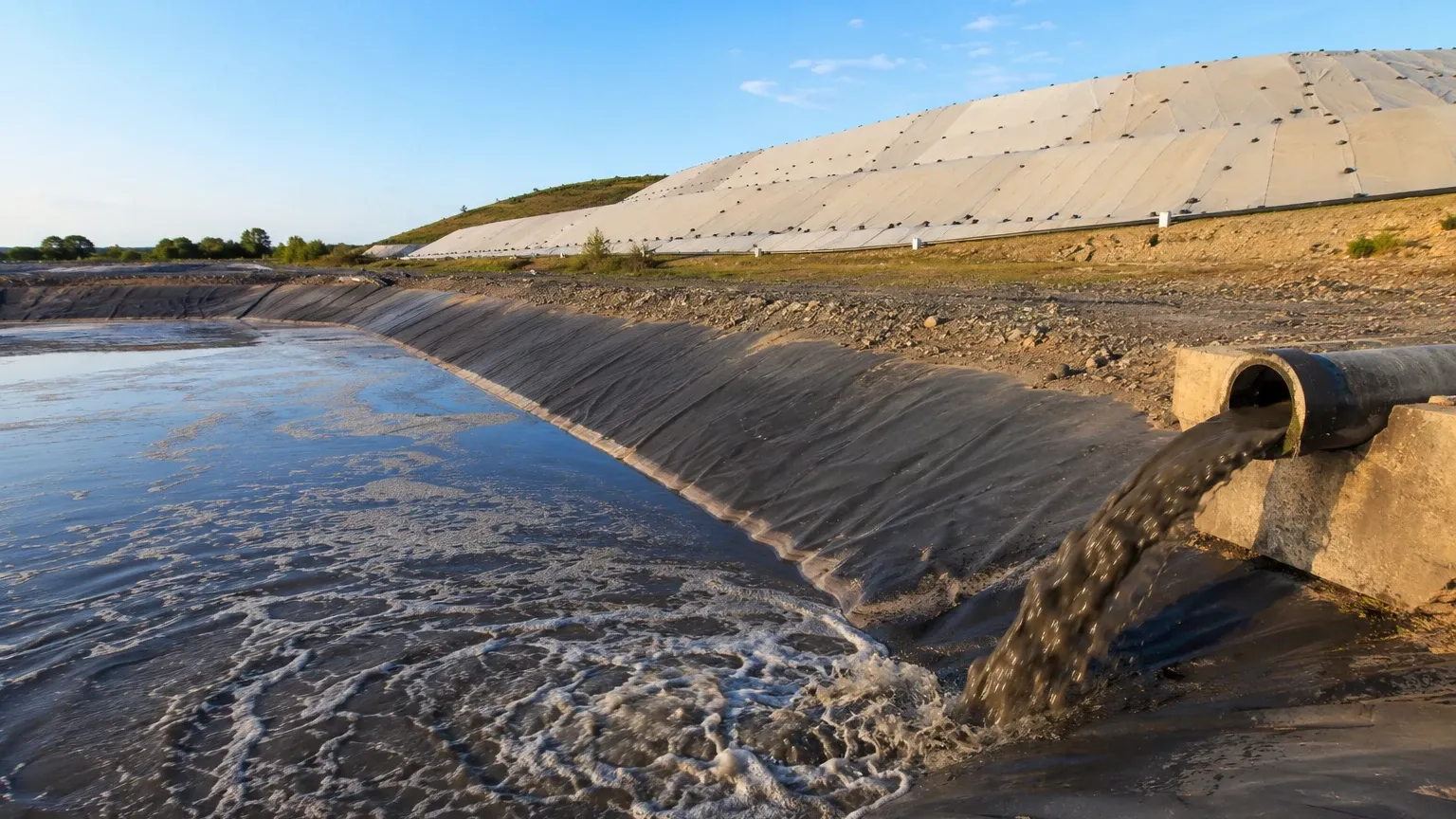
In the management of landfills, industrial waste sites, and mining operations, the leachate system plays a critical role in environmental protection. Leachate is the liquid produced when water—typically from precipitation—percolates through waste material, extracting soluble or suspended solids and chemical components. Because this liquid often contains high concentrations of pollutants, organic acids, and heavy metals, it must be carefully collected, monitored, and treated.
Reliable level measurement is the cornerstone of an effective leachate system. Without accurate data, operators face risks ranging from groundwater contamination due to sump overflows to premature pump failure caused by dry running. This guide examines the technical principles of level measurement within these challenging environments, providing engineering insights into sensor selection and installation.
Measurement Principles in Leachate Applications
Selecting the right instrumentation requires an understanding of how different technologies interact with the complex physical and chemical properties of leachate. The following principles are the most commonly employed in modern industrial applications.
Hydrostatic Pressure Measurement
Hydrostatic level transmitters operate on the principle that the pressure at the bottom of a liquid column is directly proportional to its height. The formula used is $P = \rho \cdot g \cdot h$, where $P$ is pressure, $
ho$ is the density of the liquid, $g$ is gravity, and $h$ is the height of the liquid.
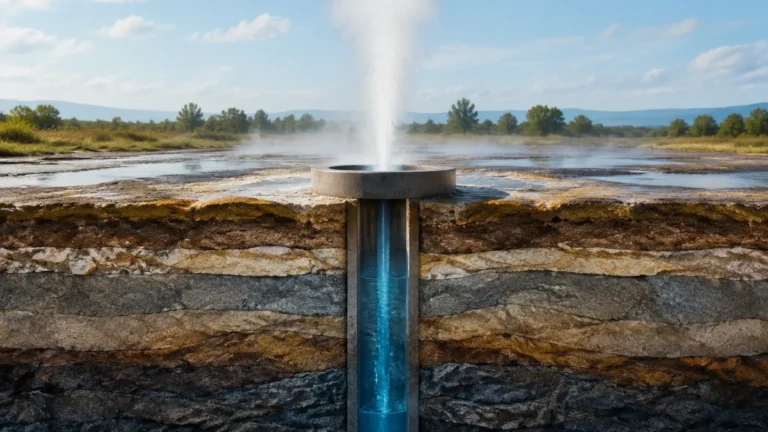
In a leachate system, a submersible pressure transducer is lowered to the bottom of a collection sump or well. The sensor measures the weight of the liquid column above it. This method is highly effective for deep wells where top-down access is limited. However, because the measurement depends on liquid density, any significant fluctuation in the chemical composition of the leachate (which changes its density) can introduce errors. Furthermore, the sensor is in direct contact with the medium, making material compatibility essential.
Ultrasonic (Non-Contact) Measurement
Ultrasonic sensors emit high-frequency sound waves that travel through the air, reflect off the surface of the leachate, and return to the transducer. The device calculates the distance based on the time-of-flight of the sound pulse.
Since ultrasonic sensors do not touch the liquid, they are immune to the corrosive nature of the leachate. However, they are sensitive to environmental conditions in the headspace. Landfill sumps often contain methane or carbon dioxide, which changes the speed of sound and can lead to inaccuracies. Additionally, heavy foam on the surface of the leachate can absorb the sound pulse, resulting in a loss of signal.
Radar (Microwave) Measurement
Radar level meters, particularly those operating at high frequencies like 80GHz, utilize electromagnetic pulses rather than sound waves. Like ultrasonic sensors, they use time-of-flight, but microwaves are unaffected by air temperature, pressure, or gas composition.
Radar is considered the gold standard for a leachate system because it provides high precision even in the presence of heavy vapors, steam, or light foam. The narrow beam angle of high-frequency radar allows it to be installed in narrow sumps or wells with internal obstructions (like ladders or pipes) without interference.
Selection Criteria for Leachate Monitoring
When designing a leachate system, engineers must evaluate several factors to ensure long-term reliability. The harsh nature of the environment means that a standard "off-the-shelf" sensor may fail prematurely.
1. Chemical Compatibility: Leachate is often acidic or alkaline and may contain solvents. Wetted parts, including cables and diaphragms, should be constructed from resistant materials such as PVDF, PTFE, or high-grade stainless steel (316L). For hydrostatic sensors, the cable jacket is often made of Polyurethane (PUR) or Fluorinated Ethylene Propylene (FEP).
2. Solids and Buildup: Leachate frequently contains suspended solids and biological matter that can lead to biofilm growth. Hydrostatic sensors with flush diaphragms are preferred over those with small pressure ports to prevent clogging.
3. Hazardous Area Ratings: Landfill environments often produce explosive gases (methane). Instruments must be certified (e.g., ATEX or IECEx) for use in Zone 0 or Zone 1 environments.
4. Measurement Range: Collection wells can be 10 to 30 meters deep. The chosen technology must have a signal strength capable of covering the full range without losing accuracy at the bottom of the well.
Technical Comparison Table
The following table compares the most common technologies used in a leachate system to assist in the selection process.
| Technology | Contact Type | Accuracy | Pros | Cons |
| :— | :— | :— | :— | :— |
| Hydrostatic | Contact | ±0.25% to ±0.5% | Simple installation; ideal for deep, narrow wells. | Sensitive to density changes; prone to clogging if not flush-mount. |
| Ultrasonic | Non-contact | ±0.2% | No contact with corrosive liquid; cost-effective. | Affected by foam, heavy vapors, and gas composition changes. |
| Radar (80GHz) | Non-contact | ±1 mm to ±2 mm | Extremely accurate; immune to gas, dust, and vapors. | Higher initial capital expenditure. |
| Level Switch | Contact | N/A (Point) | Reliable for high-level alarms and pump protection. | Only provides point detection, not continuous monitoring. |
Installation and Engineering Considerations
Proper installation is as important as sensor selection. In a leachate system, the physical layout of the sump or tank can significantly impact performance.
Stilling Wells and Bypass Pipes
In sumps with high turbulence—often caused by high-volume inflow or agitation—a stilling well is recommended. A stilling well is a vertical pipe (typically 50 mm to 150 mm in diameter) that acts as a buffer, providing a calm surface for the sensor to measure. This is particularly useful for ultrasonic and radar sensors to prevent signal "noise" caused by ripples or waves.
Cable Management for Hydrostatic Sensors
For submersible hydrostatic transmitters, the cable contains a small vent tube to allow the sensor to compensate for changes in atmospheric pressure. If this tube becomes kinked or moisture enters it, the level reading will drift. Installers should use a specialized junction box with a breathable desiccant filter to protect the vent tube from humidity.
Avoiding Obstructions
Non-contact sensors have a "beam angle." If the sensor is installed too close to a wall or a pump support, the signal may reflect off these objects instead of the liquid. High-frequency radar (80GHz) has a much narrower beam (typically 3° to 6°) compared to ultrasonic sensors (typically 10° to 15°), allowing for much more flexible placement in crowded sumps.
Limitations and Maintenance
While modern instrumentation is robust, every technology has limitations in a leachate system:
* Buildup: Even non-contact sensors can suffer from condensation or crystallization on the transducer face. Many radar units now feature a "lens" antenna that sheds droplets and resists buildup.
* Power Supply: Many leachate collection points are in remote areas of a landfill. Low-power sensors (4-20mA loop powered) are essential for integration with solar-powered telemetry systems.
* Lightning Protection: Because leachate wells are often the highest or most exposed points in an open field, they are prone to lightning strikes. Integrated surge protection is a vital specification for any transmitter used in these locations.
Maintenance should include periodic cleaning of the sensor face and, for hydrostatic units, a check of the vent tube filter. Calibration should be verified at least annually, as the chemical nature of leachate can change as a landfill ages, potentially altering the liquid's dielectric constant or density.
Frequently Asked Questions (FAQ)
Q: Can I use a standard water level sensor for leachate?
A: Generally, no. Standard water sensors often use materials that will degrade quickly in the presence of the organic acids and chemicals found in leachate. Always specify chemical-resistant materials.
Q: How do I handle foam in my leachate collection tank?
A: If foam is persistent, radar is the best choice. If using ultrasonic, the sensor must be oversized (e.g., using a 10m range sensor for a 5m tank) to compensate for the signal absorption by the foam, though this is not always successful.
Q: Is radar or hydrostatic better for deep wells?
A: For very narrow, deep wells (over 20 meters), hydrostatic sensors are often easier to install. However, if the density of the leachate is unknown or variable, radar provides a more accurate measurement regardless of the liquid's properties.
Conclusion
Managing a leachate system requires a balance of environmental compliance and operational efficiency. By understanding the measurement principles of hydrostatic, ultrasonic, and radar technologies, engineers can select the most appropriate tool for their specific site conditions. For those seeking to optimize their collection and treatment processes, it is essential to Review product options and application support to ensure the selected instrumentation meets the rigorous demands of industrial waste management.
For more detailed technical specifications and to explore our full range of measurement solutions, visit our Main Page.