Level Switches for Conductive Liquids
Level Switches for Conductive Liquids
In the landscape of industrial automation, selecting the appropriate point-level detection technology is critical for operational safety and process efficiency. For applications involving water-based media, acids, alkalis, and other aqueous solutions, level switches for conductive liquids offer a robust, cost-effective, and highly reliable solution. These instruments, often referred to as conductivity probes or electrode-type level switches, leverage the electrical properties of the process medium to trigger control signals, such as starting a pump or activating a high-level alarm.
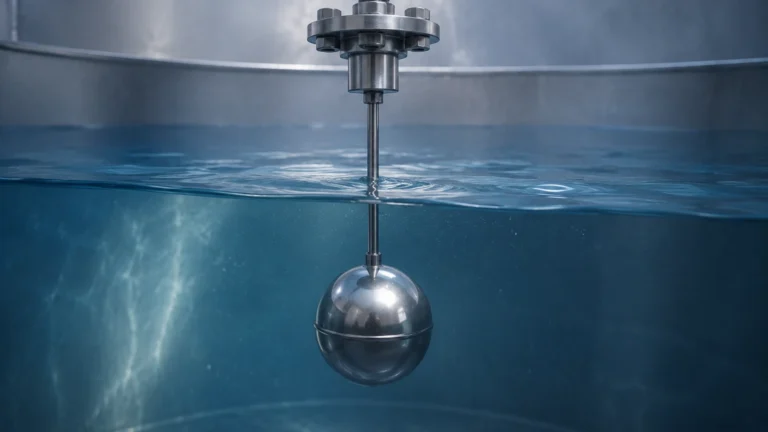
Unlike mechanical float switches, which are susceptible to jamming due to debris or coating, or ultrasonic sensors that may struggle with surface foam, conductive level switches have no moving parts. This makes them particularly suitable for harsh industrial environments where maintenance access is limited. As a professional manufacturer, Welk provides these solutions alongside a broader portfolio of radar, ultrasonic, and hydrostatic instruments to ensure comprehensive coverage of industrial level measurement needs.
Understanding the Conductivity Principle
The operation of level switches for conductive liquids is based on the principle of electrical resistance. The system typically consists of a control unit (an amplifier or relay) and one or more electrodes (probes) inserted into the vessel.
When the conductive liquid reaches the tip of an electrode, it completes an electrical circuit between that electrode and a reference electrode (or the metallic wall of the tank). This completion of the circuit causes a small electrical current to flow, which is detected by the control unit. The unit then switches an output relay to perform a control function.
The Role of Alternating Current (AC)
To prevent the buildup of ions and the eventual degradation of the electrodes through electrolysis, high-quality level switches for conductive liquids utilize a low-voltage alternating current (AC) signal rather than direct current (DC). Using AC ensures that the probes do not undergo chemical plating or erosion over time, maintaining the integrity of the measurement and extending the service life of the hardware.
Sensitivity Adjustment
Industrial liquids vary significantly in their conductivity. For instance, while tap water is highly conductive, certain chemical solutions or wastewater with high organic content may have higher resistance. Most control units feature a sensitivity potentiometer, allowing engineers to calibrate the switch to the specific conductivity threshold of the medium, ensuring the probe ignores high-humidity environments or light mist while responding accurately to the liquid surface.
Key Components of a Conductive Level System
A standard installation involves three primary components that must be selected based on the specific process requirements:
1. The Electrodes (Probes): These are the sensing elements that come into contact with the liquid. They are available as rigid rods for shorter distances (typically up to 3 meters) or flexible cables for deep sumps or large reservoirs. Common materials include 316L stainless steel, though aggressive chemicals may require Titanium, Hastelloy, or specialized coatings like PTFE.
2. The Probe Head/Housing: This component secures the electrodes and provides the electrical connection points. For pressurized vessels or high-temperature environments, the housing must be robust and often features threaded or flanged process connections.
3. The Control Unit: This is the "brain" of the system. It is usually mounted on a DIN rail in a control cabinet. It processes the signal from the probes and provides the relay outputs. Advanced units can manage multiple points, such as High-High, High, Low, and Low-Low levels within a single vessel.
Selection Criteria for Industrial Applications
When evaluating level switches for conductive liquids, several engineering factors must be considered to ensure long-term performance. For more information on various measurement technologies, you can visit the Main Page to review product options and application support.
Medium Conductivity
The most fundamental requirement is that the liquid must have a minimum conductivity, typically measured in microsiemens per centimeter (µS/cm). Most industrial conductive switches require the medium to have a conductivity of at least 5 µS/cm to 10 µS/cm. This means they are unsuitable for hydrocarbons (oils), pure deionized water, or distilled water.
Vessel Material
In a metallic tank, the tank wall itself can serve as the reference electrode (ground). However, in plastic, fiberglass, or lined tanks, an additional "reference probe" must be installed. This probe is typically the longest electrode in the set and must remain in contact with the liquid at all times to provide a return path for the electrical signal.
Temperature and Pressure
Standard probes are rated for atmospheric pressure and moderate temperatures. However, for boiler feed water or chemical reactors, specialized probes with ceramic or high-performance polymer insulators are required to withstand temperatures exceeding 100°C (212°F) and pressures up to 40 bar (580 psi).
Comparison Table: Conductive Level Switch Configurations
| Feature | Single-Point Detection | Multi-Point Detection | Cable-Type Probes |
| :— | :— | :— | :— |
| Primary Use | High/Low Alarm | Pump Control (Start/Stop) | Deep Well/Sump Level |
| Electrode Type | Single rigid rod | Multiple rods (2–5) | Weighted flexible cables |
| Max Length | 2-3 meters | 2-3 meters | Up to 20+ meters |
| Typical Medium | Acids, Alkalis | Wastewater, Coolants | Ground water, Sewage |
| Installation | Top or Side mount | Top mount only | Top mount |

Installation and Engineering Best Practices
Proper installation is paramount to preventing false triggers and ensuring the longevity of the conductive level system. Engineers should adhere to the following guidelines:
* Vertical vs. Horizontal Mounting: While some single-point conductive switches can be side-mounted, top-mounting is generally preferred. Top-mounting allows for multiple level points to be monitored via a single process entry and prevents the accumulation of sediment on the probe insulators.
* Electrode Spacing: In applications where the liquid is turbulent or contains solids, probes should be spaced sufficiently apart or stabilized with spacers to prevent them from touching and creating a short circuit.
* Avoiding Turbulence: Probes should not be installed directly in the path of a filling inlet. The resulting splashing or foam can cause "chattering" of the relay. If installation near an inlet is unavoidable, a stilling well (a perforated pipe) should be used to provide a calm surface for measurement.
* Grounding: Ensure the control unit and the reference probe (or tank wall) are properly grounded. Improper grounding is the most common cause of intermittent signal failure in conductivity-based systems.
Limitations and Operational Risks
While level switches for conductive liquids are highly effective, they are not universal solutions. Understanding their limitations is essential for process safety.
Coating and Scaling
Liquids that leave a conductive residue, such as heavy sludges or liquids that crystallize upon drying, can create a "bridge" between the electrode and the housing. This bridge may trick the sensor into indicating a high level even after the liquid has receded. In such cases, probes with long insulation sleeves or non-contact technologies like ultrasonic or radar may be more appropriate.
Foaming Surfaces
Conductive switches are sensitive to foam if the foam is sufficiently conductive. In some applications, this is a benefit (detecting foam overspill), but in others, it leads to premature switching. Adjusting the sensitivity on the control unit can sometimes mitigate this, but heavy, wet foam will likely trigger the sensor.
Non-Conductive Media
As noted previously, these switches will not function with non-polar liquids. This includes most oils, fuels, and pure solvents. For these media, Welk recommends utilizing magnetic level gauges or capacitive level switches, which do not rely on the electrical conductivity of the fluid.
Frequently Asked Questions (FAQs)
Q: Can conductive level switches be used in food and beverage applications?
A: Yes, provided the probes are manufactured from food-grade materials like 316L stainless steel and utilize hygienic process connections (e.g., Tri-Clamp). They are commonly used for level control in milk, juices, and beer tanks.
Q: How do I test if my liquid is conductive enough for this technology?
A: A simple test using a standard multimeter set to measure resistance (Ohms) can provide a baseline. If the resistance between two points in the liquid is less than 50k Ohms, a standard conductive switch will typically function reliably.
Q: What is the maintenance requirement for these probes?
A: Maintenance is minimal. Periodically inspect the electrodes for heavy scaling or buildup, especially in wastewater applications. If the probes are coated in non-conductive material (like fat or grease), they may fail to detect the liquid and should be cleaned with a suitable solvent or abrasive pad.
Q: Can I cut the electrodes to length on-site?
A: Most rigid rod electrodes are designed to be cut to the desired length during installation. However, if the rods are PTFE-coated for chemical resistance, the coating must be carefully stripped back at the tip (usually about 10-20 mm) to ensure the conductive core can contact the liquid.
Conclusion
Level switches for conductive liquids remain a staple of industrial process control due to their simplicity and reliability. By understanding the electrical requirements of the medium and the physical constraints of the vessel, engineers can implement a level control solution that requires minimal upkeep and provides years of service. Whether managing a simple sump pump or a complex chemical dosing system, these switches provide the necessary precision for point-level detection.
For technical assistance in selecting the right probe materials or configuring a multi-point control system, consult with a specialist to ensure the hardware matches your specific environmental conditions. Exploring the full range of instrumentation on the Main Page can also help identify if complementary technologies, such as radar or hydrostatic transmitters, are needed for continuous level monitoring alongside your conductive switches.