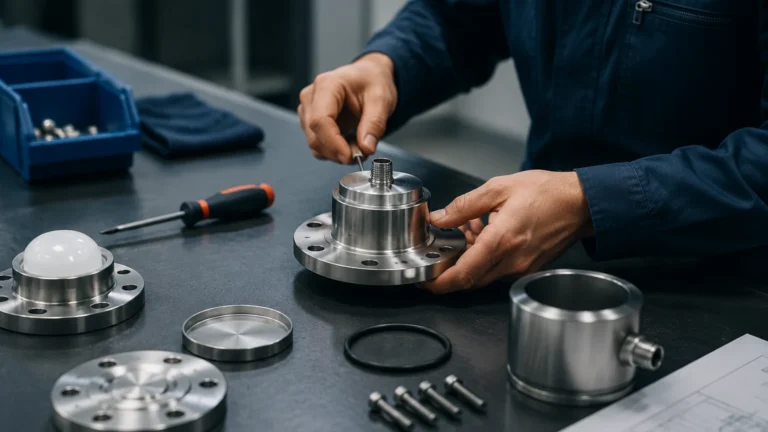
O2 Probe
O2 Probe
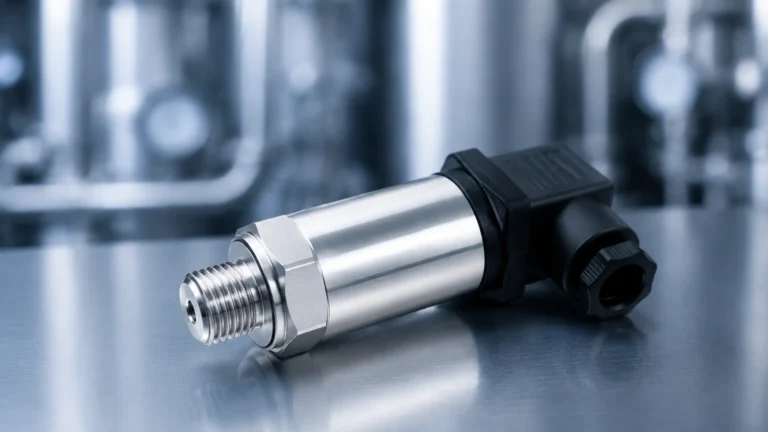
In the landscape of industrial process control and environmental monitoring, the O2 probe stands as a critical instrument for ensuring combustion efficiency, operational safety, and regulatory compliance. Whether utilized in high-temperature flue gas analysis or low-temperature process streams, the accurate measurement of oxygen concentration allows engineers to optimize fuel-to-air ratios, reduce emissions, and prevent hazardous conditions such as corrosion or explosive atmospheres.
While level measurement instruments, such as those found on the Main Page, focus on the physical volume and interface of liquids and solids, gas analysis via an O2 probe provides the chemical context necessary for complete process automation. Understanding the underlying measurement principles, selection criteria, and installation requirements is essential for any technical professional tasked with maintaining industrial instrumentation systems.
Measurement Principles of Oxygen Sensors
Before selecting an O2 probe, it is vital to understand the physics governing its operation. Industrial oxygen sensors generally fall into three primary categories: Zirconia (solid electrolyte), Electrochemical, and Paramagnetic. Each principle offers distinct advantages depending on the temperature, pressure, and gas composition of the application.
Zirconia Oxide (ZrO2) Principle
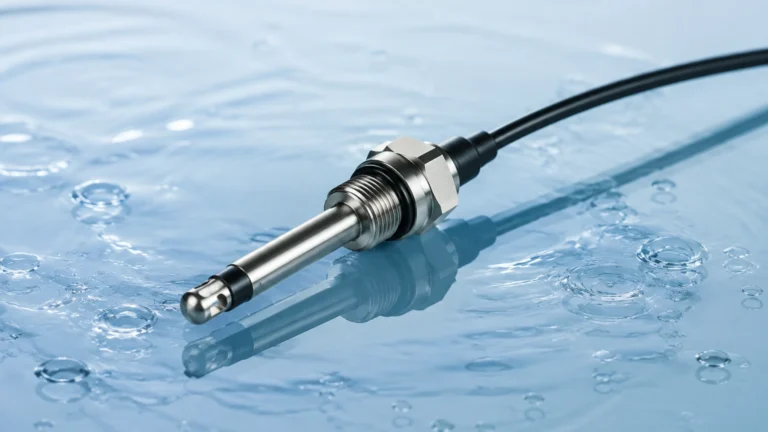
Zirconia probes are the industry standard for high-temperature, "in-situ" (in-place) combustion analysis. The sensor consists of a ceramic tube made of zirconium dioxide stabilized with yttrium. At temperatures above 600°C (approx. 1112°F), the zirconia ceramic becomes a conductor of oxygen ions.
The sensor is coated with porous platinum electrodes on both sides. One side is exposed to a reference gas (usually ambient air with a constant 20.9% O2), and the other is exposed to the process gas. The difference in oxygen partial pressure between the two sides causes oxygen ions to migrate through the ceramic lattice, generating an electromotive force (EMF) or voltage. This voltage is measured and converted into an oxygen concentration reading using the Nernst Equation. Because they require high heat to function, these probes often include an internal heater to maintain a stable operating temperature regardless of the process gas temperature.
Electrochemical (Galvanic) Principle
Electrochemical O2 probes operate much like a battery. They consist of a sensing electrode (cathode), a counter electrode (anode), and an electrolyte solution. Oxygen diffuses through a gas-permeable membrane and is reduced at the cathode. This chemical reaction creates a current flow between the anode and cathode that is directly proportional to the partial pressure of oxygen in the gas sample. These sensors are typically used for portable analyzers or low-temperature applications where zirconia probes are impractical.
Paramagnetic Principle
Oxygen is unique among common gases because it is paramagnetic, meaning it is attracted into a magnetic field. Paramagnetic sensors utilize a small glass dumbbell suspended in a non-uniform magnetic field. When oxygen enters the sensor chamber, it is drawn toward the strongest part of the field, displacing the dumbbell. The degree of displacement or the force required to keep the dumbbell stationary is measured to determine the oxygen concentration. This method is highly accurate and non-consumable, though it is more sensitive to pressure fluctuations and vibration than zirconia-based systems.
Key Evaluation Criteria for O2 Probe Selection
Selecting the correct O2 probe requires a detailed analysis of the process environment. A mismatch between the sensor technology and the application can lead to rapid sensor degradation, inaccurate readings, or frequent maintenance cycles.
Operating Temperature
Temperature is perhaps the most significant factor. If the process gas is consistently above 500°C, a zirconia probe is often the most reliable choice. For ambient temperature monitoring or confined space safety, electrochemical sensors are preferred. If the gas is extremely hot (above 1400°C), specialized cooling jackets or extractive sampling systems may be required to protect the probe electronics.
Gas Composition and Contaminants
The presence of "poisoning" agents can significantly shorten the life of an O2 probe. In zirconia sensors, high concentrations of sulfur dioxide (SO2), lead, or silicon compounds can coat the platinum electrodes, inhibiting the ionic exchange. In electrochemical sensors, acid gases like CO2 can neutralize the electrolyte. Engineers must confirm the full chemical profile of the gas stream before installation.
Response Time and Accuracy
In closed-loop combustion control, response time is critical. In-situ zirconia probes provide the fastest response because they measure the gas directly in the stack without the delay associated with sample lines. If the application requires high precision (e.g., 0.01% resolution), paramagnetic or Tunable Diode Laser (TDLAS) technologies may be necessary, though they come at a higher capital cost.
Practical Selection Table
| Feature | Zirconia (In-Situ) | Electrochemical | Paramagnetic | TDLAS (Laser) |
| :— | :— | :— | :— | :— |
| Typical Range | 0.01% to 25% | 0 to 100% | 0 to 100% | ppm to 100% |
| Operating Temp | 600°C to 1400°C | -20°C to 50°C | 0°C to 50°C | Up to 1500°C |
| Response Time | < 3 seconds | 10–30 seconds | 5–15 seconds | < 2 seconds |
| Main Advantage | Robust, No Sampling | Low Cost, Portable | Highly Linear | Non-contact, Fast |
| Main Limitation | Requires High Temp | Consumable Sensor | Vibration Sensitive | High Initial Cost |
Installation Considerations and Best Practices
Proper installation is as important as sensor selection. Even the most accurate O2 probe will provide misleading data if it is placed in a location that does not represent the bulk process gas.
1. Probe Placement: The probe should be installed in a section of the duct or pipe where the gas flow is well-mixed. Avoid areas immediately following air dampers or burner inlets where "stratification" (layers of different gas concentrations) may occur. Ideally, the probe should be placed at least five pipe diameters downstream and two diameters upstream from any bends or obstructions.
2. Insertion Depth: The tip of the O2 probe must extend into the "active" flow zone of the gas. For large stacks, this usually means an insertion depth of at least 500 mm to 1000 mm to avoid the stagnant boundary layer near the duct wall.
3. Orientation: For zirconia probes, horizontal installation is common, but a slight downward tilt (approx. 5 to 10 degrees) is often recommended. This prevents moisture or condensate from pooling inside the probe housing, which could cause thermal shock to the ceramic element.
4. Sealing and Leaks: Because O2 probes often operate under negative pressure (draft), any leak at the mounting flange will draw in ambient air (20.9% O2). This will result in a falsely high oxygen reading, leading the control system to reduce air flow and potentially creating a dangerous fuel-rich condition.
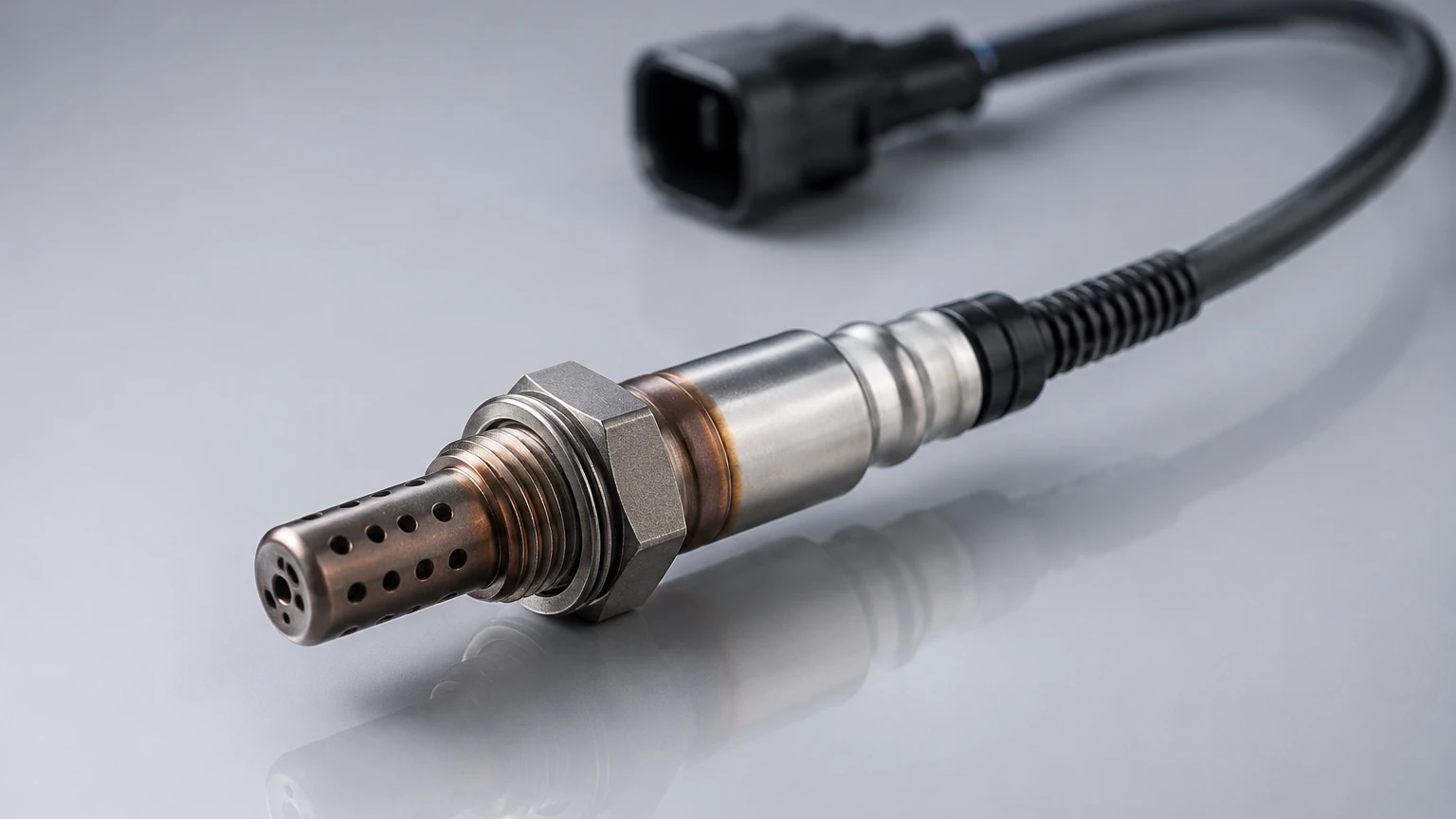
Limitations and Common Risks
While O2 probes are highly reliable, they are not infallible. Users should be aware of the following risks:
* Thermal Shock: Zirconia elements are ceramic and brittle. Rapid temperature changes—such as introducing a cold probe into a hot furnace or water droplets hitting a hot sensor—can cause the element to crack.
* Combustibles Interference: Zirconia probes measure "net oxygen." If the gas stream contains unburned fuel (CO or H2), these gases will react with oxygen on the hot platinum surface of the sensor. The probe will then measure the oxygen remaining *after* this reaction, which may be lower than the actual oxygen level in the flue gas.
* Sensor Drift: All oxygen sensors experience some degree of drift over time. Electrochemical sensors drift as the electrolyte is consumed, while zirconia sensors may drift due to electrode aging. Regular calibration using a certified span gas is mandatory for maintaining accuracy.
Integration with Industrial Control Systems
In modern industrial automation, the O2 probe is rarely a standalone device. Its output (typically a 4-20mA signal or a digital protocol like HART or Modbus) is integrated into a Distributed Control System (DCS) or Programmable Logic Controller (PLC). This data is often paired with level measurement data from the Main Page to manage complex processes like boiler feed water treatment or chemical reactor monitoring.
For example, in a steam boiler, the O2 probe monitors the flue gas to optimize the burner, while hydrostatic or ultrasonic level transmitters monitor the water level in the drum. If the O2 probe detects a sudden drop in oxygen, the system can automatically adjust the air intake to prevent the formation of carbon monoxide, ensuring both efficiency and safety.
Frequently Asked Questions (FAQs)
Q: How often should an O2 probe be calibrated?
A: For most combustion applications, a monthly calibration check is recommended. However, in critical safety applications or highly corrosive environments, weekly checks may be necessary. Many modern zirconia systems feature automatic calibration units that use plant air and a bottled span gas.
Q: Can I use a zirconia probe for oxygen deficiency safety monitoring?
A: Generally, no. Zirconia probes require high temperatures to operate and are designed for process gas. For room-temperature safety monitoring (e.g., detecting nitrogen leaks), electrochemical or paramagnetic sensors are the appropriate choice.
Q: What is the typical lifespan of a zirconia sensor?
A: In clean natural gas combustion, a zirconia element can last 3 to 5 years. In coal-fired or heavy oil applications with high fly ash or sulfur, the lifespan may be reduced to 12–18 months.
Q: Why does my O2 probe show a high reading when the burner is off?
A: When the burner is off and the purge fans are running, the stack is filled with ambient air. The probe should read approximately 20.9%. If it reads significantly higher or lower, the sensor may be out of calibration or the reference gas supply may be contaminated.
By carefully considering the measurement principles and environmental constraints, engineers can ensure that their O2 probe provides the accurate, real-time data required for high-performance industrial operations. For more information on the broader range of sensors used in process automation, including level and flow measurement, visiting the Main Page provides a foundation for integrated instrument selection.