Ods Sensor
Ods Sensor
In industrial environments where gas-fired equipment is utilized or where confined spaces present a risk of gas displacement, the Ods sensor (Oxygen Depletion Sensor) serves as a critical safety component. Designed to monitor the concentration of oxygen in the immediate atmosphere, these sensors are engineered to trigger safety protocols—such as shutting off fuel supplies or activating ventilation—before oxygen levels drop to a range that is hazardous to human health. This guide provides a technical overview of ODS technology, its measurement principles, and its application within industrial safety frameworks.
Understanding the Function of an Ods Sensor
An Ods sensor is a specialized safety device primarily found in vent-free gas heaters, boilers, and industrial process areas where combustion occurs or where inert gases are stored. The primary objective of the sensor is to detect when the oxygen concentration in the air falls below a predetermined safety threshold, typically between 18% and 19.5% by volume. For reference, normal atmospheric air contains approximately 20.9% oxygen.
In industrial automation and process safety, the Ods sensor acts as a fail-safe. Unlike standard oxygen monitors that provide a continuous readout for process control, an ODS is specifically tuned to the safety-critical "shut-off" point. If the oxygen level is insufficient to support clean combustion or safe respiration, the sensor interrupts the system's operation to prevent the production of carbon monoxide (CO) or the onset of hypoxia in personnel.
Technical Measurement Principles
There are two primary methods by which an Ods sensor operates in an industrial or commercial context: the thermal/flame-lift principle and the electrochemical sensing principle. Understanding these mechanisms is essential for selecting the correct instrumentation for a specific facility.
1. Thermal Flame-Lift Principle
This is the traditional mechanical-thermal method used in gas-fired appliances. The system consists of three main components: a precision-drilled pilot burner, a thermocouple, and a safety shut-off valve.
* The Pilot Flame: The burner is designed to produce a stable flame at normal oxygen levels (20.9%).
* The Displacement: As the oxygen concentration in the room decreases, the flame begins to lift off the burner head and dissipate. This happens because the flame must "reach" further to find enough oxygen molecules to sustain combustion.
* Thermocouple Response: The thermocouple is positioned exactly where the flame sits during normal operation. When the flame lifts away due to low oxygen, the thermocouple cools down.
* The Signal: The drop in temperature reduces the millivolt (mV) output of the thermocouple. Once the voltage drops below a certain threshold, the electromagnetic gas valve is no longer held open, and the gas supply is instantly severed.
2. Electrochemical Sensing Principle
In modern industrial gas detection systems, electrochemical Ods sensors are more common. These function as a small fuel cell.
* Chemical Reaction: Oxygen diffuses through a membrane into the sensor cell, where it undergoes a reduction reaction at the sensing electrode.
* Current Generation: This reaction creates an electrical current that is directly proportional to the partial pressure of oxygen in the environment.
* Digital Integration: The current is amplified and processed by a transmitter. If the current falls below the equivalent of 19.5% oxygen, the transmitter triggers an alarm or a relay to shut down equipment.
Industrial Applications and Safety Standards
The deployment of an Ods sensor is often mandated by safety regulations in specific industrial contexts. These sensors are rarely used in isolation; they are typically part of a comprehensive safety instrumented system (SIS).
Confined Space Monitoring
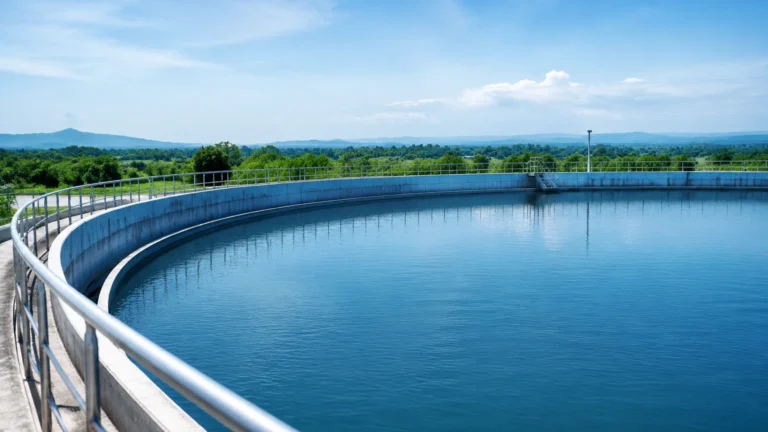
In water treatment plants, chemical storage areas, and oil refineries, personnel often enter confined spaces like tanks or pits. If a leak occurs in a nitrogen or argon line, these inert gases can displace oxygen without any smell or visual cue. An Ods sensor in these areas provides a life-saving alert. For managers overseeing these facilities, integrating gas safety with level measurement is standard practice. More information on integrated industrial measurement can be found on the Main Page.
Combustion Safety
In large-scale industrial boilers or furnaces, an ODS ensures that the burner does not operate in an oxygen-deficient atmosphere. Operating a burner with low oxygen leads to incomplete combustion, which significantly increases the production of toxic carbon monoxide and reduces fuel efficiency.
Regulatory Compliance
Most industrial ODS installations must adhere to standards such as:
* OSHA 29 CFR 1910.146: Permit-required confined spaces.
* ANSI Z21.11.2: Standards for gas-fired room heaters.
* IEC 61508: Functional safety of electrical/electronic/programmable electronic safety-related systems.
Selection Criteria for ODS Instrumentation
When selecting an Ods sensor for industrial use, engineers must evaluate the environmental conditions and the specific risks of the site. The following table outlines the key evaluation criteria for ODS and oxygen safety sensors.
| Feature | Thermal ODS (Flame-based) | Electrochemical ODS Sensor |
| :— | :— | :— |
| Primary Use | Gas-fired appliances/boilers | Ambient air monitoring/Confined spaces |
| Response Time | 30–90 seconds | < 15 seconds |
| Operating Temp | High (near combustion) | -20°C to +50°C |
| Power Req. | Self-powered (mV from flame) | Requires external DC power |
| Maintenance | Cleaning of pilot orifice | Periodic calibration and cell replacement |
| Lifespan | 5–10 years | 2–5 years (cell depletion) |
| Accuracy | Fixed set-point | Variable/Programmable |
Environmental Factors
1. Humidity: High humidity can cause condensation on electrochemical sensor membranes, temporarily blocking oxygen from reaching the cell and causing a false low-oxygen alarm.
2. Pressure: Oxygen sensors measure partial pressure. If a facility is located at a high altitude (above 1,500 meters / 4,921 feet), the sensor must be calibrated for the lower ambient pressure to avoid constant false tripping.
3. Cross-Sensitivity: In chemical plants, ensure the sensor is not cross-sensitive to other gases like Carbon Dioxide (CO2) or Nitrogen Dioxide (NO2), which can interfere with the chemical reaction in electrochemical cells.

Installation and Maintenance Best Practices
Proper installation is as critical as the sensor technology itself. An incorrectly placed Ods sensor may fail to detect a hazardous condition until it is too late.
Mounting Height and Location
Oxygen has a molecular weight very similar to air (mostly nitrogen). Therefore, oxygen does not typically "sink" or "rise" significantly on its own. However, the gases displacing it might.
* If the risk is from heavy gases (like Propane or CO2), the Ods sensor should be placed lower to the ground (approx. 0.5 meters / 1.6 feet).
* If the risk is from light gases (like Hydrogen or Methane), the sensor should be placed higher.
* For general personnel safety, sensors are typically mounted at "breathing zone" height, which is approximately 1.5 to 1.8 meters (5 to 6 feet) above the floor.
Calibration and Testing
Electrochemical Ods sensors experience "drift" over time as the electrolyte in the cell is consumed.
* Bump Testing: This involves exposing the sensor to a known concentration of low-oxygen gas to ensure the alarms and shut-offs trigger correctly. This should be done monthly in high-risk environments.
* Full Calibration: A professional calibration using certified span gas should be performed every 6 to 12 months.
* Orifice Cleaning: For flame-based ODS units, the pilot burner orifice must be kept free of dust and lint. Even a partial blockage can mimic a low-oxygen condition, causing the system to shut down unnecessarily.
Integrating ODS Sensors with Process Level Monitoring
In many B2B industrial applications, gas safety and fluid level management go hand-in-hand. For example, in a wastewater treatment facility, ultrasonic level sensors monitor the height of sludge in a tank, while Ods sensors monitor the headspace for oxygen displacement by methane or hydrogen sulfide.
Integrating these sensors into a centralized control system allows for automated safety logic. If a level transmitter detects an overflow risk and the Ods sensor simultaneously detects low oxygen, the system can automatically engage emergency pumps and exhaust fans while alerting operators via a SCADA interface. For engineers looking to build these integrated systems, reviewing the range of available industrial transmitters on the Main Page is a recommended starting point for technical specifications.
Common Risks and Limitations
While highly reliable, the Ods sensor is not a universal solution for all gas hazards. Users must be aware of the following limitations:
* Not a CO Detector: A common misconception is that an ODS detects Carbon Monoxide. It does not. It only detects the *lack of oxygen* that leads to CO production. In some scenarios, CO levels can become toxic before the oxygen level drops enough to trigger the ODS.
* Contamination: Silicones, lead vapors, and certain halogenated hydrocarbons can "poison" electrochemical sensors, rendering them inactive without any visible sign of failure.
* Fail-to-Safe Design: Always ensure the sensor is wired in a "normally closed" configuration. This ensures that if a wire is cut or power is lost, the system defaults to a safe state (shutting down the process).
Frequently Asked Questions (FAQ)
Q: How often should an Ods sensor be replaced?
A: For electrochemical types, the sensing cell typically lasts 2 to 5 years depending on the environment. For flame-based types, the thermocouple may last 5 to 10 years, though the burner may require more frequent cleaning.
Q: Can an Ods sensor be used outdoors?
A: They are generally designed for indoor or enclosed spaces where gas can accumulate. In an outdoor, open-air environment, wind will disperse gases so quickly that an ODS is unlikely to reach its trip point unless it is placed directly at a leak source.
Q: What is the difference between an O2 monitor and an ODS?
A: An O2 monitor provides a continuous display of oxygen levels for process control (e.g., 0-100% range). An Ods sensor is a safety-rated device specifically designed to trigger a shutdown at a specific safety threshold (e.g., 19.5%).
Q: Does altitude affect Ods sensor performance?
A: Yes. At higher altitudes, the partial pressure of oxygen is lower. A sensor calibrated at sea level may trigger false alarms at high altitudes unless it is recalibrated to the local atmospheric pressure.
By following these guidelines and understanding the underlying measurement principles, industrial operators can effectively implement Ods sensor technology to protect both personnel and equipment. For further technical details on industrial measurement instrumentation, visit the Main Page.