Coliwasa Samplers
Coliwasa Samplers
In the landscape of industrial waste management and chemical processing, obtaining a representative sample of a liquid medium is a prerequisite for accurate laboratory analysis and regulatory compliance. The COmposite LIquid WAste SAmpler, commonly referred to as coliwasa samplers, serves as the industry standard for capturing a vertical profile of liquid contained within drums, tanks, and hazardous waste containers. Unlike simple dip samplers that may only capture the surface layer, coliwasa samplers are designed to collect a multiphase sample that reflects the entire depth of the liquid column, including any stratified layers.
For engineers and environmental technicians, the use of coliwasa samplers is often the first step in a broader process control or waste characterization workflow. This guide examines the technical mechanics, material selection criteria, and operational best practices for these instruments, while highlighting how they integrate with broader level measurement strategies.
Core Operating Principles of Coliwasa Samplers
The fundamental principle of a coliwasa sampler is the entrapment of a vertical column of liquid through a mechanical seal. The device typically consists of a long tube—ranging from 1.2 meters (approx. 4 feet) to over 6 meters (approx. 20 feet) in length—equipped with a closure mechanism at the bottom.
The Sampling Mechanism
There are two primary designs for the closure mechanism: the internal rod-and-plug and the external sleeve.
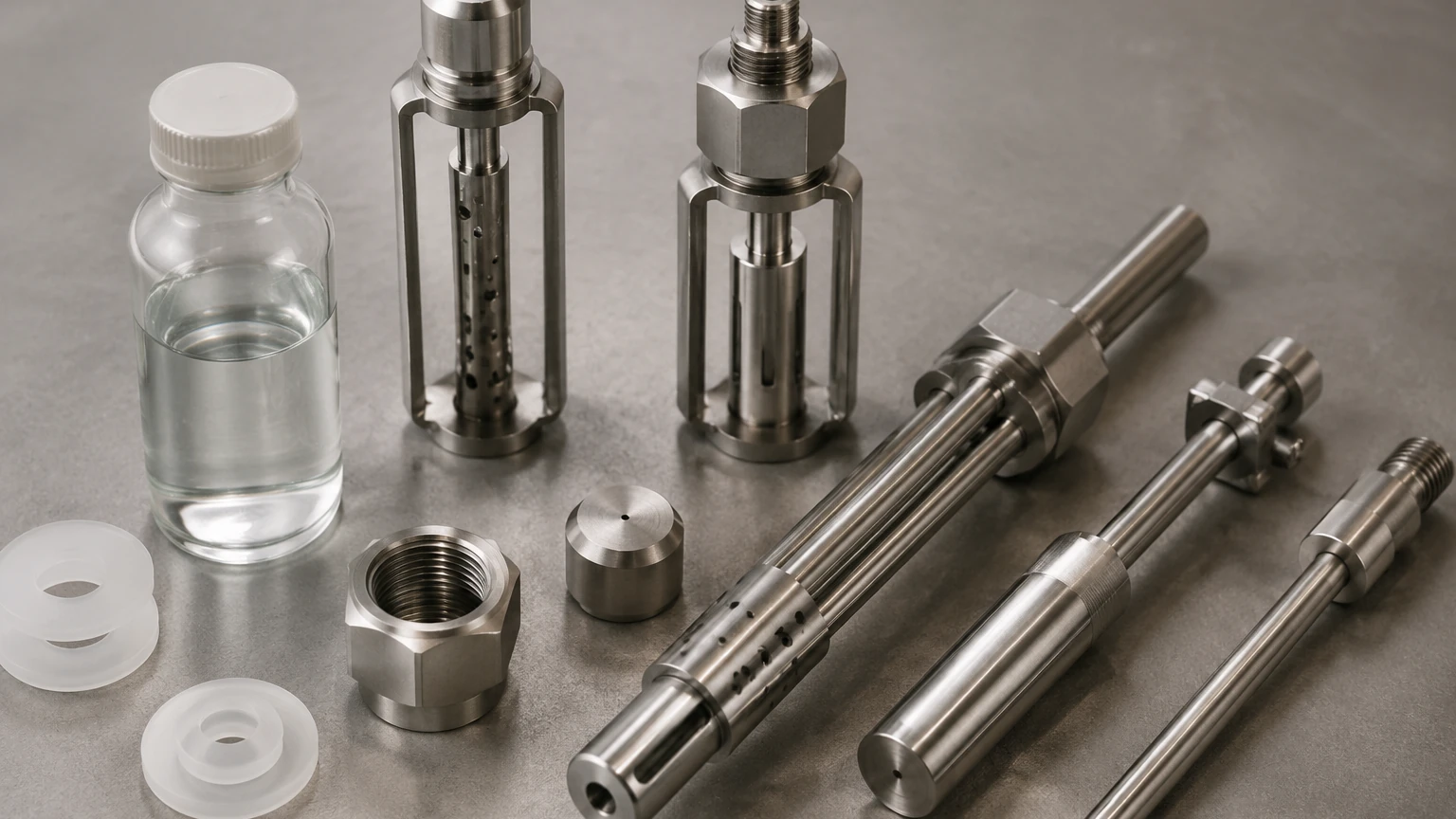
1. Internal Rod-and-Plug: In this design, a central rod runs through the length of the tube, connected to a stopper or plug at the bottom. When the sampler is lowered into the liquid in the "open" position, the liquid flows freely into the tube. Once the sampler reaches the desired depth (often the bottom of the container), the operator pulls the rod or turns a handle to seat the plug firmly into the bottom opening, sealing the liquid column inside.
2. Pressure-Actuated or Gravity Valves: Some specialized coliwasa samplers use a ball valve or a check valve that remains open as the tube descends but closes automatically when the descent stops or when the tube is withdrawn, though the manual rod-and-plug remains the preferred choice for high-viscosity or multi-layered wastes to ensure a positive seal.
By capturing the liquid in situ, the sampler preserves the ratio of different phases—such as an aqueous layer beneath an organic solvent layer—allowing for a "composite" representation of the entire vessel's contents.
The Relationship Between Sampling and Level Measurement
While coliwasa samplers provide the physical material for analysis, their effectiveness is heavily dependent on accurate level data. Before a technician can deploy a sampler, they must understand the total depth of the liquid and the volume of the vessel to ensure the sampler is long enough and to calculate the total mass of the waste being characterized.
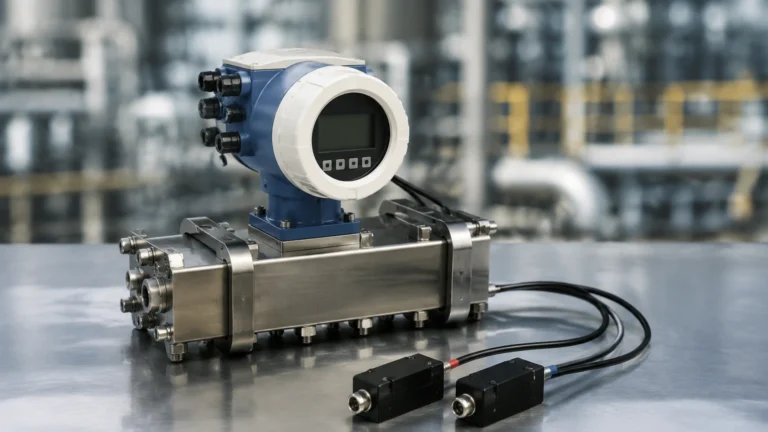
This is where industrial level measurement instruments become essential. Technologies such as radar level meters, ultrasonic sensors, and hydrostatic transmitters provide the real-time data necessary to manage the sampling process safely and efficiently. For instance, knowing the exact liquid level prevents the over-extension of a sampler into settled sludge layers that might clog the valve, or conversely, ensures the sampler reaches the very bottom of a tank to capture heavy precipitates. For professionals seeking to optimize their entire measurement and sampling workflow, reviewing the latest sensor technologies on the Main Page of instrumentation providers is a critical step in system design.
Material Selection and Chemical Compatibility
Selecting the correct material for coliwasa samplers is vital to prevent cross-contamination and to ensure the integrity of the sample. The material must be chemically inert relative to the waste being sampled. Common materials include:
| Material | Chemical Resistance | Durability | Best Use Case |
| :— | :— | :— | :— |
| Glass (Borosilicate) | Excellent for organics and acids; poor for strong bases. | Fragile; risk of breakage. | High-purity sampling, trace organics. |
| PVC (Polyvinyl Chloride) | Good for general aqueous waste and some acids. | High; cost-effective. | Non-corrosive industrial wastewater. |
| HDPE (High-Density Polyethylene) | Excellent for most acids and bases. | High; lightweight. | Hazardous waste drums, corrosive liquids. |
| PTFE (Teflon™) | Universal chemical resistance. | High; expensive. | Unknown hazardous waste, aggressive solvents. |
| Stainless Steel | Good for non-corrosive solvents and high temperatures. | Very high. | High-temperature process tanks. |
Disposable vs. Reusable Samplers
In many B2B applications involving hazardous waste, disposable HDPE or PVC coliwasa samplers are preferred. The cost of labor and solvents required to decontaminate a reusable sampler to the parts-per-billion (ppb) level often exceeds the cost of a single-use unit. However, for routine process monitoring of a known, non-hazardous substance, reusable PTFE or glass units may offer better long-term value.
Operational Procedures and Installation Considerations
Using coliwasa samplers requires a disciplined approach to ensure safety and sample representativeness. Unlike fixed-mount level sensors, these are manual tools that require specific handling protocols.
Step-by-Step Sampling Process
1. Pre-Measurement: Use a level meter to determine the liquid depth. If the tank is 3 meters deep, a 3.5-meter sampler is required to ensure the operator can maintain a grip above the manway.
2. Inspection: Ensure the valve mechanism moves freely. For rod-and-plug designs, check that the seal is tight by testing with deionized water if necessary.
3. Descent: Slowly lower the sampler into the liquid at a rate that allows the internal level to rise at the same speed as the external level. This prevents "surging" which can disturb stratified layers.
4. Closure: Once the sampler reaches the bottom (or the pre-determined depth), actuate the locking mechanism. Ensure the handle is locked in the "closed" position.
5. Withdrawal: Wipe the exterior of the tube with a chemically compatible absorbent cloth as it is withdrawn to prevent dripping and cross-contamination of the work area.
6. Transfer: Place the bottom of the sampler into the sample container and slowly open the valve to release the liquid.
Installation of Support Systems
In large-scale industrial settings, sampling ports should be located near level measurement points. This allows for the correlation of physical samples with real-time sensor data. If a radar level meter indicates a sudden change in dielectric constant, a coliwasa sampler can be used to investigate if a new phase layer has formed.
Limitations and Safety Risks
While coliwasa samplers are versatile, they have distinct limitations that engineers must account for:
* Viscosity Limits: Highly viscous liquids (greater than 10,000 cP) may not flow into the tube quickly enough, or may prevent the valve from seating properly. In such cases, wide-bore samplers are required.
* Debris and Solids: Large suspended solids can become lodged in the valve, preventing a complete seal and causing the sample to leak out during withdrawal.
* Volatile Organic Compounds (VOCs): The process of opening a tank and manually inserting a sampler can release VOCs. Operators must use appropriate Personal Protective Equipment (PPE), including respirators and chemically resistant gloves.
* Physical Constraints: Manually handling a 6-meter (approx. 20 feet) glass tube filled with liquid is physically demanding and poses a significant breakage risk. For deep tanks, automated sampling systems or segmented samplers are often a safer alternative.
Maintenance and Quality Control
For reusable coliwasa samplers, a rigorous cleaning protocol is mandatory. This typically involves:
1. A pre-rinse with a technical-grade solvent (e.g., hexane or acetone) if organics were present.
2. A wash with a non-phosphate detergent (e.g., Alconox).
3. A triple rinse with deionized water.
4. Air drying in a contaminant-free environment.
Quality control should include "equipment blanks," where deionized water is passed through a cleaned sampler and analyzed to ensure no residual contaminants remain from previous sampling events.
Frequently Asked Questions (FAQ)
Q: How do I know if my coliwasa sampler is leaking?
A: Before field use, perform a leak test with water. Fill the sampler, seal the valve, and hold it vertically for 30 seconds. If any dripping occurs, the seal or rod adjustment needs maintenance.
Q: Can coliwasa samplers be used for sludge?
A: They are primarily designed for liquids and flowable slurries. For dense, non-flowable sludge at the bottom of a tank, a "sludge judge" or a core sampler with a wider diameter and a more robust cutting edge is usually more effective.
Q: What is the standard diameter for these samplers?
A: Most industrial coliwasa samplers have an internal diameter (ID) of 19 mm to 25 mm (approx. 0.75 to 1 inch). This provides a balance between sample volume and ease of handling.
Q: How does temperature affect sampling?
A: High temperatures can soften plastic samplers (like HDPE) and affect the integrity of the seal. Always check the temperature rating of the sampler material against the process conditions. For high-temperature applications, borosilicate glass or stainless steel is required.
Conclusion
Coliwasa samplers remain an indispensable tool for industrial waste characterization and process auditing. By capturing a true cross-section of a liquid column, they provide the data necessary for safe disposal and efficient processing. However, sampling is only one part of a comprehensive fluid management strategy. Accurate level measurement, provided by advanced radar or ultrasonic systems, ensures that sampling is performed at the right time and the right depth. For more information on integrating level measurement technology into your industrial workflow, visit the Main Page to explore professional-grade solutions for water treatment, chemical, and oil and gas applications.