Oil Extractor Weed
Oil Extractor Weed
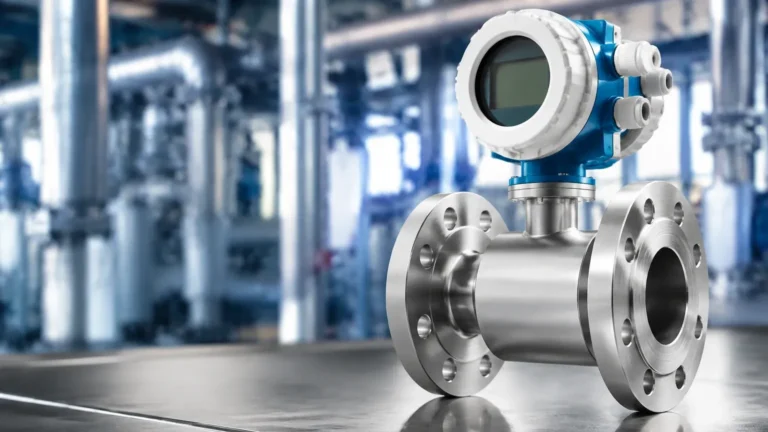
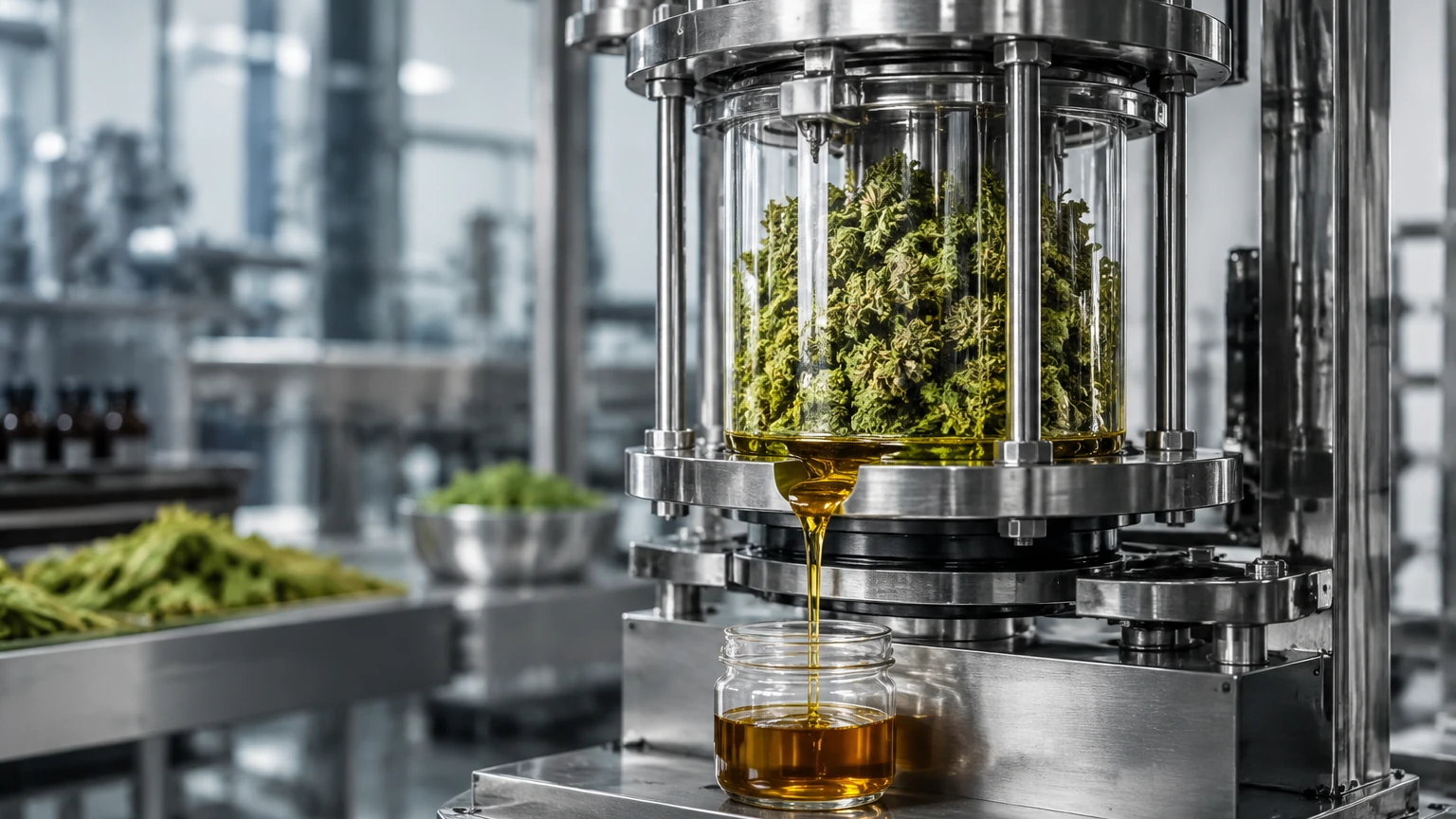
In the rapidly evolving landscape of botanical processing, the term "oil extractor weed" refers to the specialized industrial equipment used to isolate cannabinoids, terpenes, and other essential oils from hemp and cannabis biomass. For process engineers and facility managers, the efficiency of these extraction systems relies heavily on the precision of fluid management. Level measurement is a critical component of this process, ensuring that solvent tanks, extraction vessels, and recovery units operate within safe and optimal parameters.
Accurate level monitoring prevents vessel overfills, protects expensive pumps from running dry, and ensures the consistency of the final extract. This article provides a technical overview of the level measurement technologies used in botanical extraction, selection criteria for various solvents, and installation best practices for industrial-scale operations.
The Role of Precision Level Measurement in Extraction Systems
Industrial oil extraction is a multi-stage process involving solvents, pressure, and temperature fluctuations. Whether utilizing ethanol, hydrocarbons (like butane or propane), or supercritical CO2, the ability to track the movement of liquids through the system is paramount.
In a typical extraction setup, level sensors are required in several key areas:
1. Solvent Storage Tanks: Monitoring the inventory of fresh and reclaimed solvents.
2. Extraction Vessels: Tracking the level of solvent as it interacts with the biomass.
3. Evaporation and Decarboxylation Tanks: Ensuring the crude oil level is monitored as solvents are stripped away.
4. Waste and Recovery Tanks: Managing the collection of spent solvents for purification.
Because many of these processes involve flammable or pressurized fluids, the instrumentation must not only be accurate but also compliant with safety standards for hazardous environments. For those seeking specific hardware specifications, you can Review product options and application support to find instruments tailored to these demanding conditions.
Measurement Principles for Extraction Environments
Before selecting a sensor for an oil extractor weed system, it is essential to understand the underlying physics of the most common measurement technologies.
Radar Level Measurement (Non-Contact and Guided Wave)
Radar technology uses high-frequency electromagnetic waves (microwaves) to detect the surface of a liquid.
- Non-Contact Radar: The sensor emits a signal that reflects off the liquid surface. The time-of-flight is measured to determine the distance. This is ideal for corrosive solvents or high-purity extracts where the sensor should not touch the medium.
- Guided Wave Radar (GWR): A probe or cable guides the microwave signal directly to the liquid surface. This is highly effective in narrow tanks or when the liquid has a low dielectric constant, which is common with certain hydrocarbons used in extraction.
Ultrasonic Level Sensors
Ultrasonic sensors function similarly to radar but use sound waves instead of microwaves. They are cost-effective for atmospheric tanks. However, they are sensitive to air temperature, pressure changes, and heavy vapors. In solvent-heavy environments, the speed of sound can change, leading to measurement errors unless the sensor is specifically calibrated for that vapor space.
Hydrostatic Level Transmitters
These sensors measure the pressure exerted by the liquid column at the bottom of a tank. Since pressure is directly proportional to the height of the liquid and its density, this is a reliable method for vented tanks. In pressurized extraction vessels, a differential pressure (DP) setup is required to compensate for the head pressure above the liquid.
Magnetic Level Gauges
For visual confirmation and automated switching, magnetic level gauges use a float equipped with a magnet. As the float rises and falls with the liquid, it flips external flags or triggers magnetic switches. These are excellent for high-pressure CO2 extraction where a clear visual reference is needed alongside electronic output.
Selecting the Right Technology for Botanical Extraction
Choosing the correct sensor depends on the physical properties of the fluid and the mechanical constraints of the vessel. The following table provides a general comparison for common extraction applications.
| Application | Recommended Technology | Key Advantage | Limitation |
| :— | :— | :— | :— |
| Ethanol Storage | Non-Contact Radar | High accuracy, no contact | Higher initial cost |
| Hydrocarbon Extraction | Guided Wave Radar | Works with low dielectrics | Probe requires cleaning |
| CO2 (Supercritical) | Magnetic Level Gauge | Handles extreme pressure | Mechanical float limitations |
| Crude Oil Recovery | Hydrostatic (DP) | Reliable for thick oils | Density must be known |
| Waste Solvent | Ultrasonic | Cost-effective | Not for pressurized tanks |
Solvent Compatibility and Material Selection
When dealing with an oil extractor weed process, the materials of construction for the sensor must be compatible with the solvents used. Stainless steel (316L) is the standard for most botanical applications due to its durability and sanitary properties. For seals and O-rings, PTFE (Teflon) or FFKM (Kalrez) are often required to prevent degradation when exposed to aggressive solvents like ethanol or butane.
Installation Considerations and Best Practices
Even the most advanced sensor will fail to provide accurate data if installed incorrectly. For industrial extraction systems, several factors must be addressed during the design phase.
1. The "Dead Zone"
Every level sensor has a blocking distance or "dead zone" at the top of its range (typically 200mm to 500mm or 8" to 20"). If the liquid level enters this zone, the sensor will lose its signal or provide an error. Ensure the vessel nozzle height accounts for this distance so the tank can be utilized to its full capacity.
2. Nozzle Placement and Obstructions
For radar and ultrasonic sensors, the signal spreads in a cone shape. If the sensor is mounted too close to the tank wall or near an internal agitator, the signal may reflect off these surfaces instead of the liquid. Welk engineers recommend mounting sensors at least 300mm (12") away from the tank wall and avoiding areas with heavy turbulence.
3. Handling Foam and Agitation
Botanical extraction often involves mixing or boiling, which can create foam. Foam absorbs ultrasonic signals and can scatter radar waves. In these cases, Guided Wave Radar is often the superior choice because the probe guides the signal through the foam to the actual liquid surface. Alternatively, a stilling well (a pipe inside the tank) can be used to provide a calm surface for measurement.
4. Pressure and Temperature Extremes
Supercritical CO2 extraction operates at pressures exceeding 70 bar (1,015 psi) and specific temperatures to maintain the fluid's supercritical state. Level instruments must be rated for these specific pressures. Standard hydrostatic sensors may fail under these conditions, necessitating the use of high-pressure magnetic gauges or specialized radar units.
Safety and Hazardous Area Compliance
Because the botanical extraction industry often uses flammable solvents, the extraction room is usually classified as a hazardous area (e.g., Class I, Division 1 or ATEX Zone 0/1). All level measurement instruments must be certified as intrinsically safe (IS) or explosion-proof (XP).
- Intrinsically Safe: These sensors operate on such low power that they cannot ignite a flammable atmosphere, even in a fault condition. They require an IS barrier in the control cabinet.
- Explosion-Proof: These sensors are housed in heavy-duty enclosures designed to contain an internal explosion and prevent it from igniting the surrounding atmosphere.
Always verify that the sensor's certification matches the local regulatory requirements for your specific extraction facility.
Common Challenges in Oil Extraction Level Monitoring
Resin Buildup
In the final stages of the oil extractor weed process, the resulting oil is highly viscous and sticky. This resin can build up on the probes of guided wave radar or the diaphragms of hydrostatic sensors.
- Solution: Use non-contact radar to avoid buildup entirely, or select hydrostatic sensors with a flush-mounted diaphragm that is easier to clean during CIP (Clean-In-Place) cycles.
Changing Fluid Densities
In solvent recovery, the density of the mixture changes as the solvent evaporates and the oil concentration increases. This can cause hydrostatic sensors to provide inaccurate readings, as they calculate level based on a fixed density.
- Solution: Radar technology is independent of density and is the preferred choice for recovery and decarboxylation stages.
Frequently Asked Questions (FAQ)
Q: Can I use a standard water level sensor for ethanol extraction?
A: No. Ethanol is flammable and has a different dielectric constant than water. You must use an ATEX/IECEx certified sensor, and if using radar, ensure it is calibrated for the dielectric properties of ethanol.
Q: How do I measure the level in a pressurized CO2 extractor?
A: High-pressure magnetic level gauges or non-contact radar with a high-pressure flange are the most common solutions. The sensor must be rated for the specific operating pressure of your system, often up to 100 bar (1,450 psi) or more.
Q: Is ultrasonic measurement suitable for butane extraction?
A: Generally, no. Butane vapors are heavy and can significantly affect the speed of sound, leading to large measurement errors. Radar is much more reliable in hydrocarbon environments.
Q: What is the maintenance schedule for extraction level sensors?
A: Sensors should be inspected during every CIP cycle. For contact probes, check for resin buildup. For non-contact sensors, ensure the antenna or lens is clear of condensation or splash-back residue.
Conclusion
Optimizing an oil extractor weed system requires a deep understanding of how fluids behave under pressure and temperature. By selecting the appropriate level measurement technology—whether it be radar for its precision or hydrostatic for its reliability—operators can ensure a safer, more efficient, and more profitable extraction process. For comprehensive technical support and a wide range of industrial measurement solutions, visit the Main Page to consult with engineering experts.