Orp Electrode
Orp Electrode
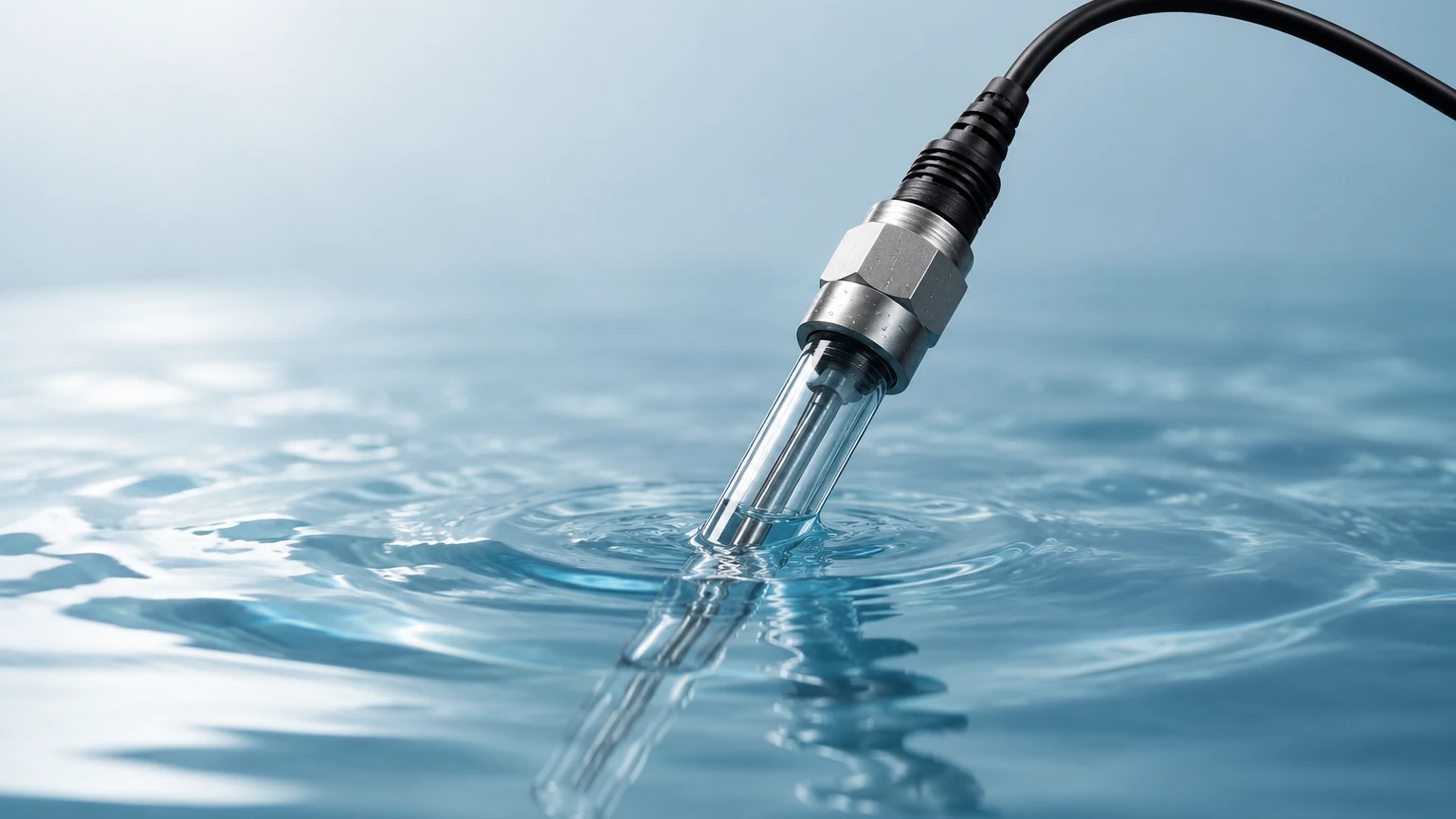
In industrial process control and water quality monitoring, the ORP electrode serves as a critical sensor for determining the oxidizing or reducing power of a solution. Oxidation-Reduction Potential (ORP), also known as Redox, is a measurement expressed in millivolts (mV) that indicates the ability of a chemical species to acquire electrons and thereby be reduced. For engineers and plant operators, understanding the nuances of ORP electrode selection, installation, and maintenance is essential for ensuring process efficiency, safety, and regulatory compliance.
While often used alongside pH sensors, the ORP electrode provides unique insights into the effectiveness of disinfectants, the progress of chemical reactions, and the overall "cleanliness" of industrial water systems. This guide provides a technical deep dive into the principles, construction, and practical application of these sensors within industrial environments.
Understanding Oxidation-Reduction Potential (ORP)
ORP is a measure of the net balance between total oxidants and total reductants in a liquid. Oxidation is the loss of electrons, while reduction is the gain of electrons. In any aqueous solution, these two processes occur simultaneously; when one substance is oxidized, another is reduced.
The ORP electrode does not measure the concentration of a specific chemical, such as chlorine or ozone, but rather the cumulative activity of all redox-active species. A positive mV reading indicates an oxidizing environment (common in disinfection processes), while a negative mV reading indicates a reducing environment (common in wastewater treatment processes like denitrification or anaerobic digestion).
Measurement Principles of the ORP Electrode
The measurement of ORP is a potentiometric process, meaning it measures the potential difference between two electrodes submerged in the same solution. The system typically consists of a sensing electrode and a reference electrode.
The Nernst Equation
The relationship between the measured potential and the chemical activity is governed by the Nernst Equation:
$$E = E_0 – \frac{RT}{nF} \ln(Q)$$
Where:
* E is the measured potential.
* E0 is the standard potential specific to the redox couple.
* R is the universal gas constant.
* T is the absolute temperature in Kelvin.
* n is the number of electrons transferred.
* F is Faraday's constant.
* Q is the reaction quotient (ratio of activities of products and reactants).
In practical industrial applications, the ORP electrode uses a noble metal surface—usually platinum or gold—to facilitate the exchange of electrons without reacting with the solution itself. The potential generated at this surface is compared against a stable reference potential, typically provided by a Silver/Silver Chloride (Ag/AgCl) reference system.
Key Components and Construction
An industrial ORP electrode is designed to withstand harsh chemical environments and physical pressures. The primary components include:
1. The Sensing Element: This is the tip of the electrode that comes into contact with the process media. Platinum is the industry standard due to its chemical inertness and wide measurement range. Gold is used in specific applications, such as cyanide destruction, where platinum might catalyze unwanted side reactions.
2. The Reference System: Usually an Ag/AgCl wire immersed in a concentrated Potassium Chloride (KCl) electrolyte. This provides a stable 0 mV baseline.
3. The Junction: Also known as the diaphragm, this is a porous interface that allows ions to move between the internal electrolyte and the process liquid, completing the electrical circuit. Common materials include ceramic, PTFE (Teflon), or porous wood.
4. Electrode Body: Typically constructed from chemical-resistant glass or robust plastics like PPS (Polyphenylene Sulfide) or PVDF to protect the internal components.
Selection Criteria for Industrial ORP Electrodes
Choosing the correct ORP electrode requires an analysis of the chemical composition, temperature, and pressure of the process. For those managing complex industrial facilities, integrating these sensors with reliable level measurement is often necessary for automated tank management. For detailed technical specifications on industrial instrumentation and level control, professionals often refer to the Main Page of specialized manufacturers like Welk to ensure system compatibility.
Selection Table: Electrode Materials and Applications
| Feature | Material | Best For | Limitations |
| :— | :— | :— | :— |
| Sensing Tip | Platinum | General water treatment, cooling towers, swimming pools. | Can be "poisoned" by certain sulfur compounds. |
| Sensing Tip | Gold | Cyanide oxidation, highly reducing environments. | Less common; more expensive than platinum. |
| Junction | Ceramic | Clean water, low-pressure applications. | Prone to clogging in oily or high-solid liquids. |
| Junction | PTFE (Teflon) | Wastewater, chemical processing, high-solid media. | Slower response time in some low-conductivity waters. |
| Electrolyte | Gel-filled | Low maintenance, general-purpose use. | Not suitable for high-temperature or high-pressure cycles. |
| Electrolyte | Liquid (Refillable) | High accuracy, high-pressure environments. | Requires regular maintenance and refilling. |
Installation and Mounting Considerations
Proper installation is paramount to the longevity and accuracy of an ORP electrode. Unlike level meters that may use non-contact radar or ultrasonic technology, ORP sensors must be in direct contact with the liquid.
* Mounting Angle: The electrode should be installed at an angle of at least 15° above the horizontal. This prevents air bubbles from being trapped inside the glass bulb or at the sensing tip, which would break the electrical circuit.
* Flow Velocity: In flow-through installations, the velocity should be sufficient to keep the sensor tip clean but not so high that it causes cavitation or physical erosion of the junction. A typical range is 0.5 to 2.0 meters per second.
* Submersion Depth: For tank installations, ensure the electrode is submerged deep enough to account for fluctuating liquid levels. In these scenarios, using a hydrostatic level transmitter or a radar level meter from the Welk product line can help maintain the required submersion depth through automated pump control.
* Cable Routing: ORP signals are high-impedance and very sensitive to electromagnetic interference (EMI). Use shielded cables and avoid routing them near high-voltage power lines or variable frequency drives (VFDs).
Maintenance, Calibration, and Troubleshooting
An ORP electrode is a consumable item; its sensitivity will naturally degrade over time due to junction depletion or surface coating.
Calibration
Unlike pH electrodes, which require a two-point calibration (e.g., pH 4 and pH 7), ORP electrodes are typically checked using a single-point verification with a standard Quinhydrone or Zobell’s solution. These solutions provide a known mV value at a specific temperature (e.g., +228 mV at 25°C). If the reading deviates by more than ±20 mV, the electrode may need cleaning or replacement.
Cleaning Procedures
* General Scaling: Soak in 5% Hydrochloric Acid (HCl) for 5–10 minutes.
* Oil and Grease: Use a mild detergent or isopropyl alcohol, followed by a thorough rinse with deionized water.
* Protein Deposits: Soak in a solution of Pepsin and HCl.
Troubleshooting Common Issues
* Drifting Readings: Often caused by a clogged junction or a depleted electrolyte. Try cleaning the junction or replacing the sensor if it is a sealed gel type.
* Slow Response: Usually indicates a coated sensing tip. Mechanical polishing with a very fine alumina slurry (0.3 micron) can sometimes restore the platinum surface.
* Fixed Reading (e.g., always 0 mV): This suggests a short circuit in the cable or a cracked glass bulb allowing the internal electrolyte to mix with the process liquid.
Limitations of ORP Measurement
While powerful, the ORP electrode has several limitations that engineers must account for:
1. Non-Specificity: As mentioned, it cannot distinguish between different oxidants. For example, it cannot tell the difference between chlorine and bromine; it only measures the total oxidative capacity.
2. Temperature Sensitivity: Although the Nernst equation includes temperature, ORP is rarely temperature-compensated in the same way pH is. This is because the complex chemistry of redox couples does not follow a predictable linear coefficient. It is best to maintain a constant process temperature for consistent readings.
3. Saturation: In very high concentrations of oxidants, the mV reading may "plateau," making it difficult to distinguish between high and very high concentrations.
4. Poisoning: Certain chemicals, particularly those containing cyanide or sulfur, can bond to the platinum surface, "poisoning" the electrode and rendering it unresponsive.
Frequently Asked Questions (FAQs)
Q: How long does an ORP electrode typically last?
A: In standard water treatment applications, an ORP electrode lasts between 6 to 18 months. In harsh chemical processes or high-temperature environments, the lifespan may be reduced to 3 months or less.
Q: Can I use an ORP electrode to measure Chlorine concentration?
A: Indirectly, yes. In a stable environment with a constant pH, ORP correlates well with the concentration of Free Residual Chlorine. However, if the pH changes, the ORP will change even if the chlorine concentration remains the same, because pH affects the ratio of HOCl (a strong oxidant) to OCl- (a weaker oxidant).
Q: Why is my ORP reading different from my DPD test kit?
A: A DPD test measures the *quantity* of chlorine (ppm/mg/L), while the ORP electrode measures the *activity* or effectiveness of that chlorine. Factors like pH, cyanuric acid, and temperature affect the activity without changing the total quantity.
Q: Does the electrode need to stay wet?
A: Yes. The reference junction must remain hydrated to allow ion exchange. If the electrode dries out, the junction may become permanently clogged or the internal electrolyte may crystallize. Always store the sensor in a storage solution (usually 3M or 4M KCl).
Conclusion
The ORP electrode is an indispensable tool for modern industrial automation, providing a real-time window into the chemical dynamics of a process. By understanding the underlying electrochemical principles and selecting the appropriate materials for the specific application, operators can achieve high levels of process stability. When integrated into a broader instrumentation strategy—incorporating the reliable level measurement solutions found on the Main Page—ORP monitoring ensures that industrial systems remain safe, efficient, and environmentally responsible.