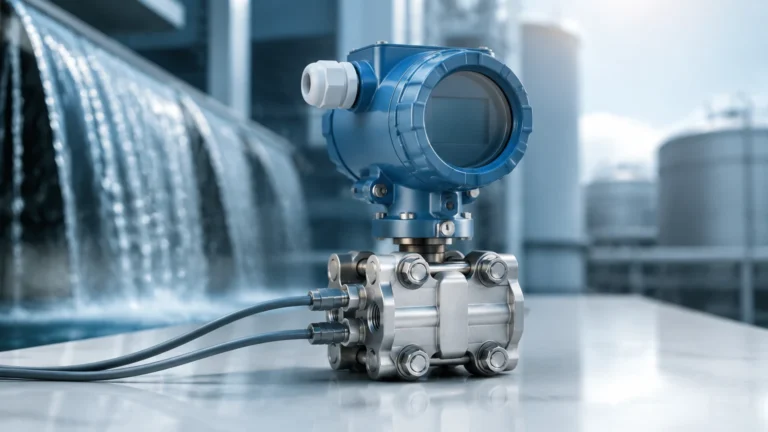
Orp Ph Probe
Orp Ph Probe
In industrial process control, the accurate monitoring of liquid characteristics is as critical as measuring volume or pressure. Among the most vital analytical parameters are pH and Oxidation-Reduction Potential (ORP). An orp ph probe serves as the primary interface between the chemical environment and the control system, providing real-time data necessary for water treatment, chemical synthesis, and environmental compliance. While level measurement instruments, such as those found on the Main Page, ensure the physical quantity of the medium is known, pH and ORP probes define the chemical quality and reactivity of that same medium.
Understanding the engineering principles, selection criteria, and maintenance requirements of these sensors is essential for maintaining process stability and protecting downstream equipment from corrosion or contamination.
Measurement Principles
To effectively deploy an orp ph probe, one must first understand the electrochemical principles that govern their operation. Both sensors are potentiometric, meaning they measure a voltage difference between a sensing electrode and a reference electrode.
pH Measurement Principle
pH is a logarithmic measurement of the hydrogen ion ($H^+$) activity in a solution. The measurement is typically performed using a glass electrode. When the glass membrane comes into contact with an aqueous solution, a hydrated gel layer forms on both the outside and the inside of the membrane.
The potential difference is generated based on the Nernst Equation:
$$E = E_0 + \frac{2.303RT}{nF} \log(aH^+)$$
Where:
* E is the measured potential.
* E0 is the standard potential of the electrode.
* R is the gas constant.
* T is the absolute temperature in Kelvin.
* n is the valency of the ion.
* F is the Faraday constant.
* aH+ is the activity of the hydrogen ion.
Because the voltage output is temperature-dependent (approximately 59.16 mV per pH unit at 25°C), temperature compensation is a mandatory feature for any industrial pH probe used in fluctuating environments.
ORP Measurement Principle
ORP, also known as Redox, measures the tendency of a chemical species to acquire electrons and thereby be reduced. Unlike pH probes which use a selective glass membrane, an ORP probe utilizes a noble metal sensing surface—usually platinum or gold.
When the probe is immersed in a solution, the noble metal acts as a catalyst for electron exchange but does not participate in the reaction itself. The resulting potential (measured in millivolts) indicates whether the solution is oxidizing (positive mV) or reducing (negative mV). Common applications include the monitoring of chlorine levels in cooling towers or the destruction of cyanide in metal plating wastewater.
Key Components of an Industrial Probe
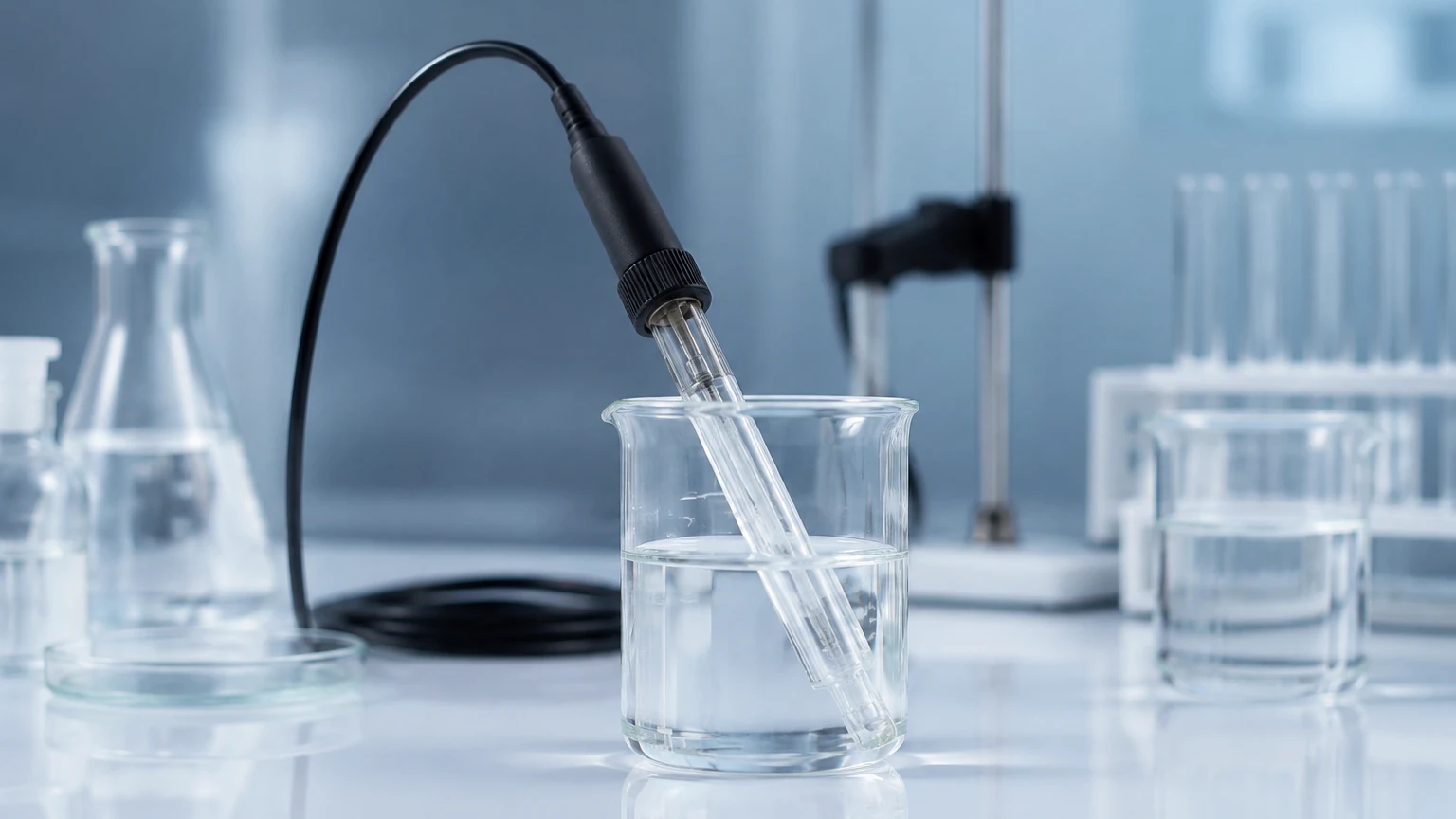
A standard industrial orp ph probe is often a "combination electrode," housing both the sensing element and the reference element in a single body. The reliability of the sensor often depends more on the reference system than the sensing electrode itself.
1. Sensing Electrode: For pH, this is a specialized glass bulb. For ORP, it is a platinum or gold band or disk.
2. Reference Electrode: Usually a Silver/Silver Chloride (Ag/AgCl) wire immersed in a potassium chloride (KCl) electrolyte.
3. Reference Junction: The interface where the internal electrolyte meets the process liquid. This is the most common point of failure. Types include ceramic, PTFE (Teflon), or open apertures for high-viscosity fluids.
4. Electrolyte: A salt bridge (usually 3M KCl) that provides a stable electrical path.
Selection Criteria for ORP and pH Probes
Selecting the correct orp ph probe requires a detailed analysis of the process conditions. A mismatch between the probe design and the medium can lead to rapid drift, frequent calibration requirements, or total sensor failure.
Chemical Compatibility
The body material of the probe (typically glass, Ryton, or PVDF) must be resistant to the chemicals in the tank. For example, hydrofluoric acid (HF) will quickly etch standard pH glass, requiring a specialized HF-resistant glass formulation.
Temperature and Pressure
Standard laboratory probes are not designed for industrial stresses. Industrial probes must be rated for the maximum process temperature (often up to 110°C or 130°C for sterilization) and pressure (up to 10 bar or more). High temperatures accelerate the aging of the glass membrane and the depletion of the reference electrolyte.
Fouling and Coating
In wastewater or slurry applications, solids can coat the sensing bulb or clog the reference junction. In these scenarios, a flat-surface probe design or a probe with a motorized cleaning system may be necessary to ensure continuous operation.
Summary Selection Table
| Feature | pH Probe | ORP Probe |
| :— | :— | :— |
| Sensing Material | Sensitive Glass Membrane | Platinum or Gold |
| Measurement Range | 0 to 14 pH | -2000 mV to +2000 mV |
| Primary Variable | Hydrogen Ion Activity | Electron Transfer Potential |
| Temperature Sensitivity | High (Requires Compensation) | Low (Compensation usually not required) |
| Common Applications | Neutralization, Fermentation | Disinfection, De-chlorination |
Installation Considerations
The physical placement of an orp ph probe significantly impacts its lifespan and accuracy. Probes should be installed in locations with representative flow and minimal turbulence.
* Mounting Angle: Probes should never be installed horizontally or upside down. A minimum angle of 15° above the horizontal is required to ensure that the internal electrolyte stays in contact with the pH glass and that air bubbles do not get trapped in the sensing bulb.
* Submersion vs. In-line: Submersion assemblies are used for open tanks and pits, while in-line flow cells are used for pressurized pipes. If using a submersion assembly, ensure the cable entry is sealed to prevent moisture ingress.
* Proximity to Level Sensors: In automated systems, level sensors (such as those detailed on the Main Page) are often used to trigger the withdrawal of a pH probe or to signal a cleaning cycle. It is vital to ensure that the pH/ORP probe remains submerged; if the sensor dries out, the hydrated gel layer on the glass membrane will collapse, often permanently damaging the probe.
Limitations and Common Risks
Despite their utility, orp ph probe technologies have inherent limitations that engineers must account for in their designs.
1. Reference Poisoning: Heavy metals, sulfides, or bromides can react with the silver ions in the reference electrolyte, forming precipitates that clog the junction and cause significant measurement drift.
2. Ground Loops: In metal tanks or pipes, stray electrical currents can interfere with the high-impedance signal of the probe. Using a differential sensor with a ground rod (solution ground) can mitigate this issue.
3. Sodium Error: At very high pH levels (usually above pH 12), standard glass membranes may respond to sodium ions ($Na^+$) instead of hydrogen ions, leading to a false low pH reading.
4. Lifespan: Unlike a radar level meter which may last a decade, an orp ph probe is a consumable item. In harsh industrial environments, a lifespan of 6 to 18 months is typical.
Maintenance and Calibration
Regular maintenance is the only way to ensure the accuracy of electrochemical sensors.
Calibration Procedure
Probes should be calibrated using at least two buffer solutions (e.g., pH 4.0 and pH 7.0). The "zero" or offset is determined at pH 7.0, while the "slope" is determined by the second buffer. For ORP, a single-point check using a known Quinhydrone or Zobell’s solution is usually sufficient.
Cleaning Protocols
* General Scaling: Soak in 5% Hydrochloric acid (HCl) for 5-10 minutes.
* Oil and Grease: Use a mild detergent or isopropyl alcohol.
* Protein Deposits: Use a solution of Pepsin in HCl.
After cleaning, always rinse with deionized water and re-calibrate the sensor before returning it to the process.
Frequently Asked Questions (FAQ)
Q: Can I use a pH probe to measure ORP?
A: No. While the electronics (transmitters) are often similar, the sensing electrodes are fundamentally different. A pH probe uses a hydrogen-ion-sensitive glass, while an ORP probe uses a noble metal electrode.
Q: Why does my ORP reading take so long to stabilize?
A: ORP is a non-specific measurement. If the solution has a low exchange current density (low concentration of redox-active species), the noble metal surface takes longer to reach equilibrium with the solution.
Q: How should I store a probe when it is not in use?
A: Never store an orp ph probe in deionized or distilled water, as this will leach the ions out of the reference electrolyte and the glass membrane. Store the probe in a 3M or 4M KCl solution, or the storage solution provided by the manufacturer.
Q: Does flow rate affect the reading?
A: Yes. High flow rates can cause "streaming potentials" at the reference junction, leading to noisy signals. Conversely, zero flow can lead to localized chemical environments that do not represent the bulk solution. A moderate, steady flow is ideal.
Conclusion
The integration of an orp ph probe into an industrial automation framework requires a balance of chemical knowledge and mechanical engineering. By selecting the appropriate junction type, ensuring correct mounting angles, and implementing a rigorous calibration schedule, facilities can achieve high-precision liquid analysis. When combined with reliable level measurement solutions from the Main Page, these sensors provide the comprehensive data set needed for efficient and safe industrial processing.