Oxygen Probe Sensor
Oxygen Probe Sensor
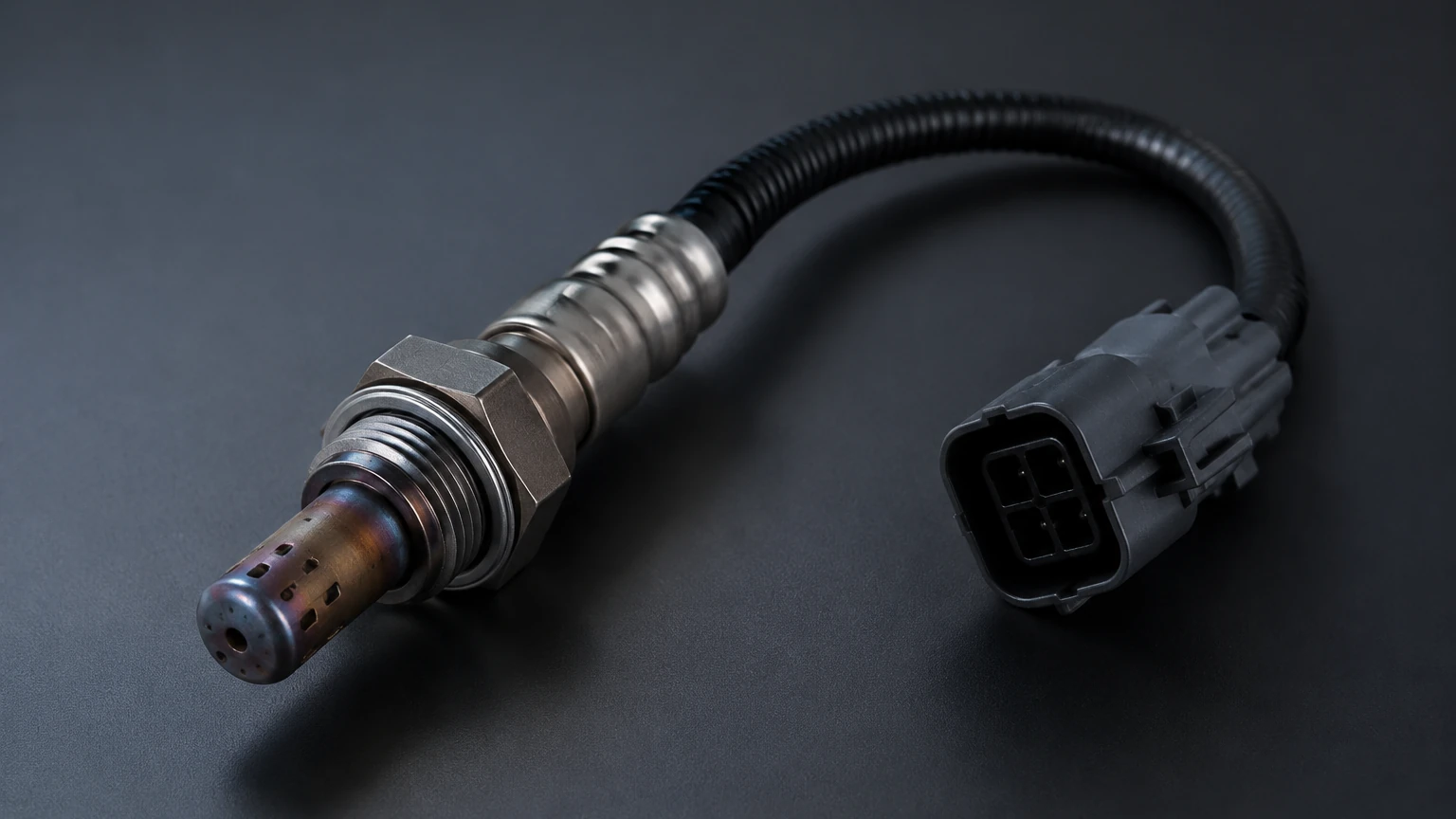
In modern industrial process control, the measurement of oxygen concentration is a critical parameter for ensuring combustion efficiency, environmental compliance, and product quality. An oxygen probe sensor is a specialized instrument designed to detect the partial pressure or concentration of oxygen in gases or liquids. From monitoring flue gases in power plants to managing aeration in wastewater treatment facilities, these sensors provide the real-time data necessary for automated control systems.
For engineers and plant managers, selecting the correct sensing technology requires a deep understanding of the chemical and physical environment of the application. While oxygen sensing is a distinct discipline, it often works in tandem with other process measurements. For instance, in large-scale storage and processing tanks, monitoring the chemical composition of the headspace or the liquid is as vital as monitoring the fluid levels. Comprehensive instrumentation suites, such as those detailed on the Main Page, allow for integrated management of these critical process variables.
Fundamental Measurement Principles
Before selecting an oxygen probe sensor, it is essential to understand the underlying physics that govern their operation. There is no "one-size-fits-all" sensor; rather, different principles are suited to specific temperature ranges, pressures, and gas compositions.
Zirconia (Ceramic) Sensors
Zirconia sensors are the industry standard for high-temperature gas applications, particularly combustion control. The sensor utilizes a solid-state electrolyte made of zirconium dioxide (ZrO2) stabilized with yttrium oxide.
At temperatures above approximately 600°C (1112°F), the zirconia ceramic becomes conductive to oxygen ions. If there is a difference in oxygen partial pressure between the two sides of the zirconia element (typically a reference gas like ambient air on one side and the process gas on the other), oxygen ions migrate through the crystal lattice. This movement generates an electrical voltage (EMF) that can be calculated using the Nernst Equation. The output voltage is logarithmically proportional to the ratio of the oxygen partial pressures, making these sensors extremely accurate at low oxygen concentrations.
Electrochemical Sensors
Electrochemical oxygen sensors are commonly used for ambient air monitoring and water quality analysis. These sensors operate like a small fuel cell. They consist of a sensing electrode (cathode), a counter electrode (anode), and an electrolyte solution, all housed behind a thin, gas-permeable membrane.
Oxygen diffuses through the membrane and is chemically reduced at the cathode, while an oxidation reaction occurs at the anode. This chemical reaction generates an electrical current that is directly proportional to the rate of oxygen diffusion, which in turn relates to the partial pressure of oxygen in the sample. These are generally low-cost but have a finite lifespan as the anode material is consumed over time.
Paramagnetic Sensors
Oxygen is unique among common gases because it is paramagnetic, meaning it is attracted into a magnetic field. Most other gases are diamagnetic (weakly repelled). Paramagnetic sensors use this physical property by placing a nitrogen-filled glass dumbbell in a non-uniform magnetic field. When oxygen enters the chamber, it is drawn into the strongest part of the field, displacing the dumbbell. The degree of displacement or the force required to keep the dumbbell stationary is measured to determine the oxygen concentration. This method is highly stable and does not involve chemical reactions, making it ideal for high-purity gas analysis.
Optical (Fluorescence) Sensors
Optical oxygen sensors, often called "optodes," rely on the principle of fluorescence quenching. A sensing film containing a luminophore is excited by a light source (usually a blue LED). The luminophore emits light (fluorescence) as it returns to its ground state. If oxygen molecules collide with the excited luminophore, they absorb the energy, reducing the intensity and lifetime of the fluorescence. By measuring the phase shift or decay time of the light, the sensor determines the oxygen concentration. These sensors are increasingly popular in water treatment because they do not consume oxygen during measurement and require less frequent calibration than electrochemical types.
In-Situ vs. Extractive Measurement Systems
When implementing an oxygen probe sensor, engineers must choose between two primary installation architectures: in-situ and extractive.
In-Situ Probes
In-situ sensors are installed directly into the process stream, such as a flue gas duct or a bioreactor. The sensing element is located at the tip of a probe that extends into the medium.
* Advantages: Real-time response with zero lag time; no need for sample conditioning systems (pumps, filters, coolers).
* Challenges: The sensor is exposed to the full harshness of the process (high heat, dust, corrosive gases).
Extractive Systems
Extractive systems pull a sample of the gas or liquid from the process via a sampling line and transport it to a remote sensor located in a controlled environment.
* Advantages: The sample can be cleaned, dried, and cooled before reaching the sensor, protecting the delicate sensing element.
* Challenges: Slower response time due to sample transport; higher maintenance requirements for the sampling hardware.
Technical Selection Criteria
Choosing the right oxygen probe sensor involves balancing technical requirements with operational costs. Use the following criteria to evaluate potential solutions:
1. Temperature Range: Zirconia is required for flue gases above 500°C (932°F). Electrochemical and optical sensors are generally limited to below 50°C (122°F).
2. Accuracy and Range: Determine if you are measuring trace oxygen (parts per billion) or percent-level oxygen. Paramagnetic sensors are excellent for 0-100% ranges, while zirconia is superior for low ppm levels in combustion.
3. Cross-Sensitivity: In chemical processing, other gases (like CO, H2, or SO2) can interfere with the sensor. For example, zirconia sensors can be "poisoned" by lead or sulfur vapors.
4. Response Time: If the sensor is used for safety-critical combustion control, a fast T90 response time (the time to reach 90% of the final value) is mandatory.
5. Process Pressure: High-pressure environments may require specialized housings or extractive systems to prevent damage to the sensing membrane or ceramic element.
Selection Table for Oxygen Sensing Technologies
| Technology | Typical Range | Operating Temp | Primary Application | Key Advantage |
| :— | :— | :— | :— | :— |
| Zirconia | 0.01% – 25% | 600°C to 1400°C | Boilers, Incinerators | Fast, high-temp durability |
| Electrochemical | 0 – 100% | -20°C to 50°C | Safety, Water Quality | Low cost, portable |
| Paramagnetic | 0 – 100% | 0°C to 50°C | Medical, Gas Purity | High stability, non-depleting |
| Optical | 0 – 20 mg/L | 0°C to 50°C | Wastewater, Brewing | Low maintenance, no flow needed |
Installation Best Practices
Proper installation is as important as the sensor technology itself. Failure to follow engineering guidelines often leads to inaccurate readings or premature sensor failure.
Positioning and Orientation
For gas-phase probes, the sensor should be placed in a representative section of the duct. Avoid areas immediately downstream of burners or air dampers where "stratification" (uneven mixing of gases) occurs. The probe should ideally be installed horizontally or at a slight downward angle to prevent condensate from pooling on the sensing element.
In liquid applications, such as aeration basins, the probe must be submerged deep enough to avoid surface air interference but high enough to prevent it from being buried in sludge. A minimum flow velocity is often required for electrochemical sensors to ensure a fresh supply of oxygen reaches the membrane.
Insertion Length
In large pipes or ducts, the probe must be long enough to reach the "active" flow zone. A common rule of thumb is to have the sensing tip at least 500 mm (approx. 20 inches) into the duct or at the center point of the pipe diameter to avoid boundary layer effects near the walls.
Operational Limitations and Risks
Users must be aware of the factors that can degrade oxygen probe sensor performance:
* Sensor Poisoning: Zirconia sensors are sensitive to combustible gases in the flue stream. If unburnt fuel reaches the hot zirconia element, it will react with the oxygen, causing the sensor to report a lower oxygen level than actually exists. Heavy metals and silicones can also coat the ceramic, "blinding" the sensor.
* Membrane Fouling: In wastewater applications, biological growth (biofouling) on the membrane of electrochemical or optical sensors will block oxygen diffusion, leading to sluggish response times and measurement errors.
* Calibration Drift: All oxygen sensors experience some degree of drift. Electrochemical sensors drift as the electrolyte is used up. Paramagnetic sensors can drift if the ambient pressure changes significantly without compensation.
Maintenance and Calibration
To maintain accuracy, a routine maintenance schedule is required.
1. In-Situ Calibration: Many industrial probes allow for "auto-cal" or manual calibration while the probe is still in the process. This involves injecting a known span gas (e.g., 20.9% O2 ambient air or a certified gas mix) through a calibration port in the probe.
2. Cleaning: For probes in dusty environments (like coal-fired boilers), periodic blow-back using compressed air is necessary to clear the flame arrestor or filter at the probe tip.
3. Reference Air: Zirconia sensors require a constant supply of clean, dry reference air. If the reference air pump fails or the air becomes contaminated, the sensor readings will be invalid.
Synergy with Level Measurement Systems
In integrated industrial automation, oxygen probe sensors are rarely used in isolation. In the chemical and food & beverage industries, tank management requires a holistic view of the vessel's status. While an oxygen probe sensor monitors the atmosphere for oxidation risks or fermentation progress, level measurement instruments—such as radar or ultrasonic transmitters—provide the volume data necessary for mass balance calculations.
For example, in a nitrogen-blanketed storage tank, an oxygen sensor ensures the inert atmosphere is maintained to prevent explosions, while a high-precision level meter prevents overfills. Understanding the full range of available instrumentation, including the level solutions found on the Main Page, allows engineers to design safer and more efficient process loops.
Frequently Asked Questions (FAQs)
Q: How long does an oxygen probe sensor typically last?
A: Lifespan varies by technology. Zirconia probes can last 3 to 5 years in clean combustion applications. Electrochemical sensors typically last 1 to 2 years in ambient air, while optical sensor caps usually need replacement every 12 to 24 months.
Q: Can I use a zirconia sensor for room temperature measurements?
A: No. Zirconia elements must be heated to over 600°C to function. While they have internal heaters, they are designed for high-temperature process gases, not ambient air monitoring, where electrochemical sensors are more appropriate.
Q: What is the effect of pressure on oxygen measurement?
A: Most oxygen sensors actually measure the partial pressure of oxygen. If the total process pressure increases, the partial pressure of oxygen increases even if the percentage remains the same. Modern transmitters include pressure compensation to correct for these changes.
Q: Why is my oxygen sensor reading high in a vacuum?
A: Most sensors are not designed for vacuum service. In a vacuum, the lack of molecular density prevents accurate diffusion or ion exchange, often leading to erratic or full-scale readings. Specialized extractive systems with pumps are required for vacuum applications.
Conclusion
The oxygen probe sensor is a vital tool for industrial efficiency and safety. By matching the specific measurement principle—whether zirconia, electrochemical, paramagnetic, or optical—to the unique demands of the process environment, facilities can achieve tighter control over their operations. When combined with reliable primary measurements like those discussed on the Main Page, these sensors form the backbone of modern industrial automation and environmental stewardship.