Parylene C Dielectric Strength V Per Micron
Parylene C Dielectric Strength V Per Micron
In the field of industrial automation and level measurement, the reliability of electronic components and sensor probes often depends on the quality of their conformal coatings. Among the various polymers used for insulation and environmental protection, Parylene C stands out due to its exceptional barrier properties and electrical insulation. For engineers designing or selecting level measurement instruments, understanding the specific electrical properties—most notably the parylene c dielectric strength v per micron—is essential for ensuring long-term operational stability in harsh process environments.
Parylene C (poly-chloro-p-xylylene) is widely utilized in the manufacturing of radar level meters, ultrasonic sensors, and hydrostatic transmitters. Its unique vacuum-deposition process allows for a pinhole-free coating that conforms to complex geometries, providing a uniform dielectric barrier that liquid-applied coatings cannot match.
Measurement Principles of Dielectric Strength
Dielectric strength is a measure of the electrical strength of an insulating material. It is defined as the maximum voltage required to produce a dielectric breakdown through the material and is usually expressed as Volts per unit thickness. In the metric system, this is frequently measured in Volts per micron (V/µm).
The Physics of Breakdown
When an electric field applied to an insulator exceeds a certain threshold, the material suddenly begins to conduct current. This breakdown can cause permanent damage to the coating and the underlying circuitry. In industrial sensors, such as those found on the Main Page of instrumentation catalogs, maintaining high dielectric strength is critical to prevent short circuits in conductive or corrosive media.
Testing Standards
The dielectric strength of Parylene C is typically measured using the ASTM D149 standard. This involves applying a voltage across the thickness of the polymer until a puncture occurs. It is important to note that dielectric strength is not a linear function of thickness; thinner films often exhibit higher V/µm values than thicker films due to the reduced probability of structural defects within the polymer matrix.
Understanding Parylene C Dielectric Strength (V per Micron)
Parylene C is favored in the B2B industrial sector because it maintains a high dielectric strength even at very low thicknesses. For most engineering calculations, the parylene c dielectric strength v per micron is rated at approximately 220 V/µm to 250 V/µm (which translates to roughly 5,600 V/mil to 6,300 V/mil in imperial units).
Comparison with Other Parylene Variants
While Parylene C is the most common for industrial sensors due to its balance of electrical and physical properties, other variants exist:
* Parylene N: Offers the highest dielectric strength and lowest dissipation factor, making it ideal for high-frequency applications.
* Parylene D: Provides better thermal stability but slightly different electrical characteristics compared to Parylene C.
| Property | Parylene N | Parylene C | Parylene D |
| :— | :— | :— | :— |
| Dielectric Strength (V/µm) | 275 | 220–250 | 215 |
| Dielectric Constant (60 Hz) | 2.65 | 3.15 | 2.84 |
| Dissipation Factor (60 Hz) | 0.0002 | 0.020 | 0.004 |
| Melting Point (°C) | 410 | 290 | 380 |
Practical Selection for Level Measurement Instruments
When selecting a coating for level measurement hardware, the dielectric strength must be balanced against chemical resistance and mechanical durability. Welk and other professional manufacturers often specify Parylene C for the following reasons:
1. Hydrostatic Level Transmitters
In hydrostatic pressure sensors, the internal electronics must be protected from moisture ingress. A thin layer of Parylene C (typically 15–25 µm) provides a robust dielectric barrier that prevents electrochemical migration and corrosion, even if the primary seal is compromised.
2. Radar and Ultrasonic Probes
Radar level meters operate using high-frequency electromagnetic waves. The dielectric constant and strength of the coating on the antenna or probe are vital. Because Parylene C has a stable dielectric constant (approximately 3.15 at low frequencies), it does not significantly interfere with the signal propagation while providing the necessary insulation against high-voltage surges or static discharge.
3. Magnetic Level Gauges and Switches
Level switches used in chemical processing often encounter aggressive vapors. The pinhole-free nature of Parylene C ensures that the electrical contacts remain isolated from the process medium. With a parylene c dielectric strength v per micron of ~220V, even a 10-micron coating can withstand over 2,000 Volts, providing a significant safety margin for industrial switching logic.
Installation and Coating Considerations
The application of Parylene C is fundamentally different from traditional spray or dip coatings. It involves a Chemical Vapor Deposition (CVD) process.
1. Dimer Vaporization: The solid raw material (dimer) is heated under vacuum into a gas.
2. Pyrolysis: The gas is thermally split into a reactive monomer.
3. Deposition: The monomer enters a room-temperature chamber where it polymerizes on all surfaces simultaneously.
Design for Coating
Engineers must account for "shadowing" and ensure that areas requiring electrical contact (such as terminals or connectors) are properly masked. Because the coating grows at a molecular level, it penetrates into the smallest crevices, ensuring that the dielectric strength is uniform across the entire assembly.
Thickness Verification
In B2B quality control, thickness is typically verified using eddy current testing or witness coupons. If a design requires a breakdown voltage of 5,000V, a minimum thickness of approximately 23–25 µm is recommended to account for potential process variations and safety factors.
Limitations and Environmental Factors
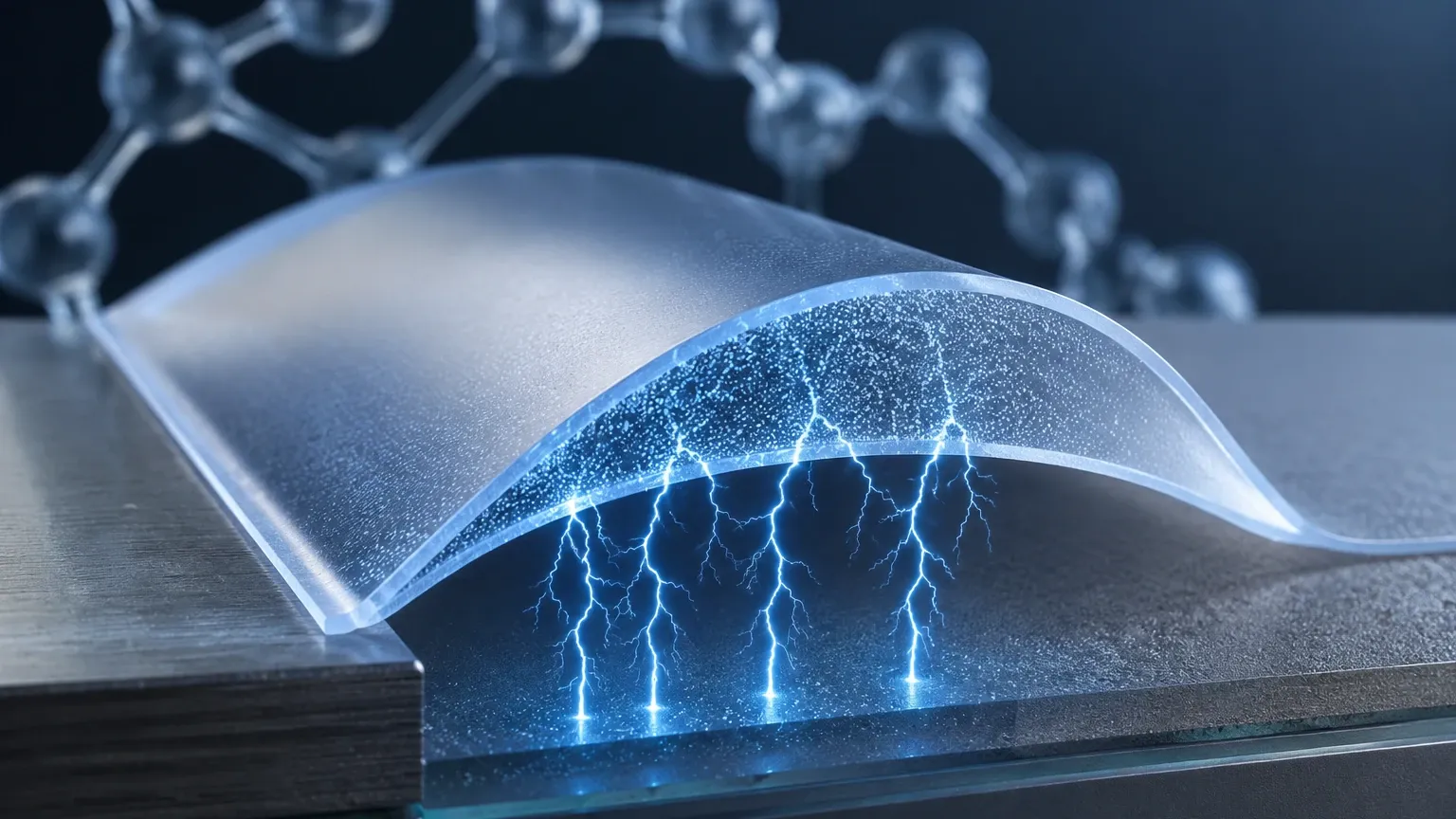
While the parylene c dielectric strength v per micron is impressive, certain environmental factors can influence its performance over time:
* Temperature Limits: Parylene C is generally rated for continuous use up to 100°C (212°F) in oxygen-rich environments. In vacuum or inert atmospheres, this can extend to higher temperatures. Exceeding these limits can lead to oxidative degradation, which reduces dielectric strength.
* UV Exposure: Parylene C is sensitive to long-term ultraviolet light exposure. For outdoor level measurement applications, such as open-channel water treatment or tank farms, the coated components should be housed within UV-stabilized enclosures or protected by secondary opaque coatings.
* Mechanical Abrasion: Although Parylene C is tough, it is a thin-film coating. In applications involving highly abrasive slurries, the coating may require mechanical shielding to prevent physical wear that could thin the dielectric layer.
Frequently Asked Questions (FAQ)
Q: Does the dielectric strength of Parylene C change with humidity?
A: One of the primary advantages of Parylene C is its extremely low moisture vapor transmission rate (MVTR). Unlike epoxies or polyurethanes, its dielectric strength remains remarkably stable even in 95% relative humidity environments.
Q: How does Parylene C compare to PTFE (Teflon) for sensor insulation?
A: PTFE has a high dielectric strength (~60-170 V/µm depending on the grade) and excellent chemical resistance. However, PTFE is difficult to apply as a thin, uniform, pinhole-free conformal coating on complex PCBs. Parylene C provides superior coverage for intricate electronic assemblies.
Q: Can Parylene C be used on flexible circuits within level sensors?
A: Yes. Parylene C is highly flexible and has high tensile strength. It can withstand the flexing of thin-film circuits or diaphragms without cracking or delaminating, maintaining its dielectric integrity.
Q: What is the typical thickness used in industrial B2B applications?
A: Most industrial sensor applications utilize a thickness between 12.5 µm and 50 µm. This range provides an optimal balance between cost, processing time, and electrical insulation (providing between 2,700V and 11,000V of protection).
Conclusion
For B2B procurement and engineering teams, Parylene C represents a gold standard for protecting sensitive level measurement instrumentation. The specific value of parylene c dielectric strength v per micron—averaging 220 V/µm—allows for the design of compact, highly reliable sensors capable of operating in the most demanding industrial environments. Whether protecting the internal circuitry of a radar meter or the probe of a hydrostatic transmitter, Parylene C ensures that electrical failure remains a minimized risk.
When evaluating level measurement solutions, it is crucial to consider not just the measurement technology itself, but the underlying material science that ensures its longevity. For a comprehensive review of instrument options and technical support for your specific application, visit our Main Page. By selecting instruments with high-quality conformal coatings, facilities can reduce maintenance costs and prevent unplanned downtime caused by electrical insulation failure.
Download Parylene C Dielectric Strength V Per Micron as a PDF