Sour Water
Sour Water
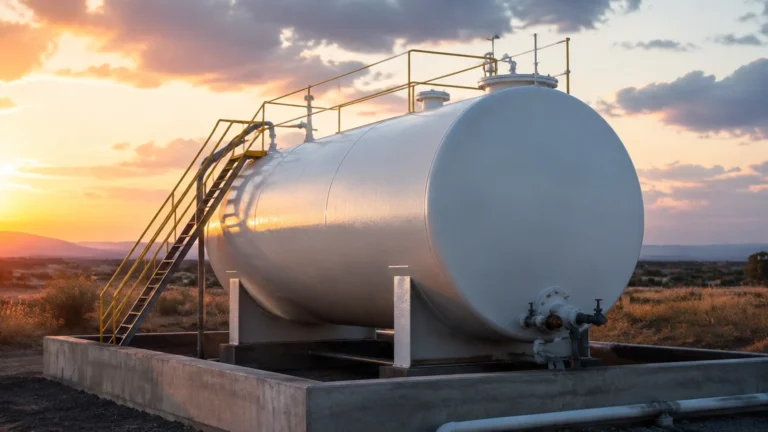
In the petrochemical, oil refining, and gas processing industries, managing wastewater streams is a critical operational and environmental necessity. Among these streams, sour water represents one of the most challenging fluids to monitor and treat. Characterized by high concentrations of dissolved hydrogen sulfide (H2S) and ammonia (NH3), sour water is not only highly corrosive to standard instrumentation but also poses significant health and safety risks due to its toxicity. Accurate level measurement within sour water storage tanks and stripping columns is essential to prevent overflows, manage process efficiency, and ensure the safety of plant personnel.
For process engineers and maintenance managers, selecting the right level measurement technology requires a deep understanding of the chemical properties of the media and the physical environment of the vessel. This guide explores the technical aspects of sour water level monitoring, comparing various technologies to help professionals make informed decisions. For comprehensive product specifications and technical support, engineers may refer to the Main Page of specialized manufacturers like Welk.
Understanding Sour Water in Industrial Processes
Sour water is primarily generated during the refining process, particularly in units such as the atmospheric crude unit, vacuum unit, fluid catalytic cracker (FCC), and hydrotreaters. When steam is used for stripping or as a diluent, it condenses into water, absorbing acidic gases like H2S and alkaline gases like NH3.
Chemical Composition and Challenges
The "sourness" of the water refers specifically to the presence of sulfides. The concentration of H2S can range from a few hundred parts per million (ppm) to several thousand. Ammonia is also typically present, which can raise the pH and create a complex chemical environment.
From a level measurement perspective, sour water presents several difficulties:
1. Corrosiveness: The combination of H2S and water creates a weak acid that can cause stress corrosion cracking (SCC) and general thinning of metallic components.
2. Toxicity: Any leak or failure of a level sensor can release H2S gas, which is lethal at low concentrations.
3. Vapor Layers: Sour water tanks often have a gas blanket (such as nitrogen) or a heavy vapor space filled with H2S and NH3, which can interfere with certain measurement principles.
4. Temperature Variations: In sour water strippers, temperatures can fluctuate significantly, affecting the density and vapor pressure of the liquid.
Measurement Principles for Sour Water Applications
Before selecting a device, it is vital to understand how different measurement principles interact with the properties of sour water.
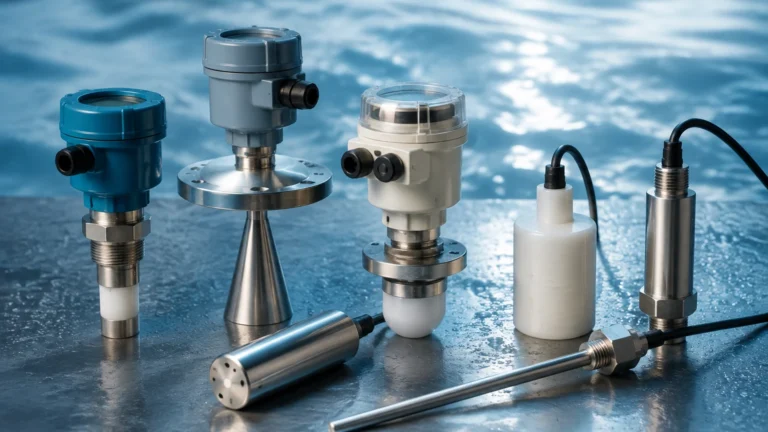
Radar Level Measurement (Non-Contact and Guided Wave)
Radar technology uses electromagnetic pulses to measure the distance to the liquid surface.
* Non-Contact Radar (FMCW): Frequency Modulated Continuous Wave radar emits a continuous signal with a varying frequency. The difference between the emitted and received frequency is proportional to the distance. Because it does not touch the media, it is highly resistant to corrosion, provided the antenna material is compatible with the vapors.
* Guided Wave Radar (GWR): This uses Time Domain Reflectometry (TDR). A pulse travels down a probe, reflects off the liquid surface, and returns. GWR is excellent for interface measurement (e.g., oil on top of sour water) but requires the probe to be submerged in the corrosive liquid.
Ultrasonic Level Measurement
Ultrasonic sensors emit high-frequency sound waves that reflect off the liquid surface. The time-of-flight determines the level. This is a cost-effective non-contact solution. However, the speed of sound is affected by the composition of the gas in the vapor space. High concentrations of H2S or NH3 can change the vapor density, leading to significant measurement errors unless the sensor is calibrated for the specific gas mixture.
Hydrostatic Level Measurement
This principle measures the pressure exerted by the liquid column ($P = \rho gh$). A pressure transmitter at the bottom of the tank converts the head pressure into a level reading. For sour water, the sensor diaphragm must be protected by a chemical seal or made from exotic alloys like Hastelloy C-276 to prevent hydrogen permeation and corrosion.
Magnetic Level Gauges
Magnetic gauges use a float containing a magnet that moves with the liquid level inside a bypass chamber. This motion is coupled to an external indicator. It provides a robust mechanical visual reference and can be equipped with transmitters for remote monitoring. The float must be precisely engineered to match the specific gravity of the sour water, which may vary with temperature.
Critical Technology Comparisons for Level Monitoring
Choosing the optimal technology depends on the specific vessel type and process conditions. The following table summarizes the suitability of common instruments for sour water service.
| Technology | Accuracy | Corrosive Resistance | Gas/Vapor Impact | Ideal Application |
| :— | :— | :— | :— | :— |
| Non-Contact Radar | Excellent (±1-3 mm) | High (Antenna choice) | Minimal | Storage tanks, Stripper tops |
| Guided Wave Radar | High (±2-5 mm) | Moderate (Probe contact) | None | Interface measurement |
| Ultrasonic | Moderate (±0.25%) | High (Transducer choice) | High (Density sensitive) | Open sumps, Water treatment |
| Hydrostatic | Good (±0.1-0.5%) | Depends on Seal | None | Vented tanks, Basins |
| Magnetic Gauge | Good (±5-10 mm) | Moderate (Chamber material) | None | Visual local indication |
| Level Switches | N/A (Point detection) | Moderate to High | None | Overfill protection |
Material Selection and Corrosion Resistance
In sour water applications, material science is as important as the measurement principle. Standard 316L stainless steel may suffice for some low-concentration streams, but it is often susceptible to pitting and cracking in more aggressive environments.
Recommended Materials
* PTFE/PFA: These fluoropolymers are nearly inert to sour water chemistry. They are often used as coatings for radar antennas or as the wetted material for ultrasonic transducers.
* Hastelloy C-276: An alloy with excellent resistance to a wide range of chemical process environments, including those containing ferric and cupric chlorides, and hot contaminated media (organic and inorganic).
* Titanium: Occasionally used for specific high-chloride sour water streams, though less common than Hastelloy.
* Ceramic: Ceramic diaphragms in pressure transmitters offer high resistance to abrasion and corrosion, though they can be brittle.
Hydrogen Permeation
A specific risk in sour water service is hydrogen permeation. Atomic hydrogen can migrate through thin metal diaphragms of pressure sensors, forming bubbles in the fill fluid and causing sensor drift or failure. Using gold-plated diaphragms is a common industrial solution to provide an effective barrier against hydrogen migration.

Installation Guidelines for Sour Water Tanks
Proper installation is paramount to ensure longevity and accuracy. Because sour water is toxic, the "closed-loop" integrity of the system must be maintained.
1. Nozzle Considerations: For radar and ultrasonic sensors, the nozzle should be perpendicular to the liquid surface. Ensure the nozzle diameter and height do not create internal reflections (ringing) that interfere with the signal.
2. Venting and Sealing: All sensors should be installed with appropriate process seals. For hydrostatic transmitters, use flange-mounted chemical seals to avoid clogging and protect the sensor from the harsh media.
3. Stilling Wells: If the tank has significant turbulence or foam, a stilling well (a vertical pipe) can provide a calm surface for radar or ultrasonic measurement. The pipe must be vented to ensure the level inside matches the level outside.
4. Safety Access: Since H2S is heavier than air, level instruments should be positioned where they can be serviced without exposing technicians to concentrated vapors. Remote-mounted transmitters with local displays are preferred.
Limitations and Maintenance Strategies
Despite the robustness of modern instruments, sour water environments impose certain limitations:
* Foam Accumulation: Sour water often contains surfactants or residual oils that can create foam. Foam absorbs radar and ultrasonic signals, potentially leading to a "loss of echo." In such cases, Guided Wave Radar or Hydrostatic sensors are more reliable.
* Scaling and Deposits: Ammonia and other contaminants can lead to scale buildup on probes and floats. Regular inspection intervals are necessary to ensure that floats move freely and probes are clean.
* Calibration Drift: For hydrostatic and ultrasonic sensors, changes in liquid density or vapor composition can cause drift. Periodic verification against a manual gauge or a secondary measurement technology is recommended.
Maintenance Checklist
* Inspect wetted parts for signs of stress corrosion cracking during shutdowns.
* Verify the integrity of gold plating on diaphragms (if applicable).
* Check for moisture ingress in the electronics housing, as H2S can corrode copper wiring and circuit boards if the seals fail.
* Clean radar lenses or ultrasonic faces to remove any condensed sulfur or scale.
Frequently Asked Questions
Q: Can I use a standard ultrasonic sensor for a sour water stripper?
A: It is generally not recommended. The high temperatures and changing concentrations of NH3 and H2S in the vapor space will change the speed of sound, leading to inaccurate readings. Non-contact radar is a much more stable choice for stripper applications.
Q: How does specific gravity affect sour water level measurement?
A: Specific gravity is critical for hydrostatic transmitters and magnetic level gauges. If the concentration of dissolved gases or the temperature changes, the density of the water changes. A hydrostatic sensor will perceive a density decrease as a level drop, even if the volume remains the same. Radar is independent of density.
Q: What is the best way to prevent H2S leaks through the instrument?
A: Use instruments with secondary containment seals and dual-compartment housings. For pressure transmitters, utilize remote seals with capillary tubing so the electronic transmitter is physically removed from the process connection.
Q: Is Guided Wave Radar better than Non-Contact Radar for sour water?
A: GWR is superior if there is a layer of hydrocarbon (oil) floating on the sour water, as it can measure both the total level and the interface. However, for simple level measurement, non-contact radar is often preferred because it avoids the maintenance issues associated with a submerged probe.
Conclusion
Level measurement in sour water applications demands a balance between technical precision and material durability. While non-contact radar is often the gold standard for these environments due to its immunity to vapor changes and its non-contact nature, other technologies like hydrostatic transmitters and magnetic gauges remain vital for specific process configurations. By selecting the correct wetted materials and understanding the physical limitations of each measurement principle, engineers can ensure reliable operation and safety in one of the industry's most demanding applications. For further assistance in selecting the right instrument for your specific sour water process, visit the Main Page to explore professional-grade measurement solutions.