Thermonster
Thermonster
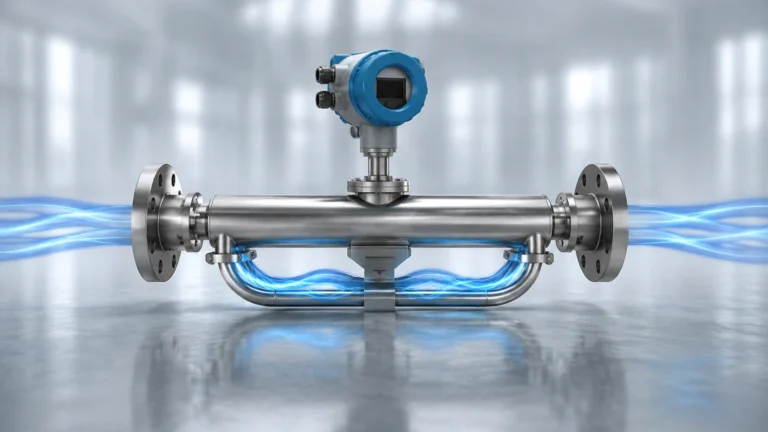
In the landscape of modern industrial automation, the term "thermonster" represents the intersection of extreme thermal management and large-scale process control. For engineers and facility managers, managing level measurement in high-temperature, high-pressure, or volatile thermal environments requires a sophisticated understanding of how heat affects fluid dynamics and sensor accuracy. Whether dealing with molten salts, thermal oils, or high-pressure steam, the challenges posed by these thermal loads—often referred to colloquially as "thermonster" conditions—demand robust instrumentation that can withstand the rigors of continuous operation without sacrificing precision.
Effective level measurement in these environments is not merely a matter of equipment durability; it is a critical safety and efficiency requirement. This guide explores the principles, selection criteria, and installation strategies for level measurement technologies designed to conquer the most demanding thermal applications.
Understanding Thermal Measurement Principles in Industrial Level Sensing
Before selecting a level instrument for a high-temperature environment, it is essential to understand the underlying physics that govern how different technologies interact with heat. Temperature does not just affect the sensor hardware; it changes the physical properties of the media being measured.
1. Thermal Expansion and Density
As temperatures rise, most liquids undergo thermal expansion, leading to a decrease in density. For technologies that rely on pressure or buoyancy, such as hydrostatic transmitters or magnetic level gauges, this change is significant. A hydrostatic sensor measures the weight of the liquid column above it. If the temperature increases and the liquid expands, the height of the liquid increases, but the pressure at the bottom remains the same (assuming a closed system with no mass change). Without temperature compensation, the sensor will report an inaccurate level.
2. Dielectric Constant Variations
In radar level measurement, the dielectric constant (εr) of the medium is a key factor in signal reflection. While radar is generally less affected by temperature than ultrasonic waves, extreme heat can still influence the dielectric properties of certain chemicals and vapors. Furthermore, the speed of electromagnetic waves is relatively constant, but the presence of heavy vapor or high-pressure steam in the headspace can slightly alter the signal travel time, requiring high-frequency (80GHz) radar solutions for better penetration and accuracy.
3. Acoustic Velocity and Temperature
Ultrasonic level sensors rely on the speed of sound, which is highly dependent on the temperature and composition of the air or gas through which it travels. In a "thermonster" application involving high heat, the temperature gradient between the liquid surface and the sensor can cause significant measurement errors. While many ultrasonic sensors include integrated temperature compensation, they are generally limited to applications below 100°C (212°F).
Evaluating Thermonster Systems: Key Selection Criteria
Selecting the right instrument involves balancing the mechanical limits of the device with the specific needs of the process. When evaluating equipment for extreme thermal loads, the following criteria are paramount:
Temperature and Pressure Ratings
The most obvious constraint is the operating temperature. Standard sensors may fail if the process interface exceeds 80°C to 100°C. High-temperature versions of radar and magnetic level gauges can handle temperatures exceeding 400°C (752°F). It is vital to confirm both the continuous operating temperature and the peak excursion temperatures.
Chemical Compatibility at Heat
Many materials that are chemically resistant at room temperature become reactive or degrade at high temperatures. For example, PTFE (Teflon) seals may be rated for 200°C, but in the presence of certain aggressive chemicals at that temperature, they may soften or permeate. For extreme thermal applications, metal-to-metal seals or specialized ceramic insulators are often required.
Selection Comparison Table
| Technology | Max Temp (Typical) | Accuracy | Advantages | Limitations |
| :— | :— | :— | :— | :— |
| Guided Wave Radar | Up to 450°C | ±2 mm | Not affected by foam or dust | Contacting; probe can be damaged by agitation |
| Non-Contact Radar | Up to 250°C+ | ±1 mm | No moving parts; high precision | Requires clear line of sight; lens cooling may be needed |
| Magnetic Level Gauge | Up to 400°C | ±5 mm | Visual indication; no power needed for basic use | High maintenance in scaling liquids; density dependent |
| Hydrostatic Level | Up to 125°C | ±0.1% FS | Simple installation | Requires density compensation; diaphragm fragility |
| Ultrasonic | Up to 95°C | ±0.25% | Cost-effective | Limited by vapor, foam, and high heat |
For a deeper dive into specific product specifications and to find the right fit for your facility, you can consult the Main Page for a full catalog of industrial-grade measurement solutions.
Application-Specific Solutions for High-Temperature Level Monitoring
Different industries face unique "thermonster" challenges. Tailoring the technology to the application ensures long-term reliability.
Thermal Oil and Hot Oil Systems
In industries using thermal fluids for heat transfer, magnetic level gauges are a preferred choice. These systems often operate at temperatures between 200°C and 350°C. A magnetic level gauge provides a clear, highly visible local indication while allowing for the attachment of reed switches or transmitters for remote monitoring. Because the fluid is contained within a sealed chamber, there is no risk of leakage from a sight glass failure.
Chemical Reactors and Distillation Columns
Chemical processes often involve high temperatures combined with high pressures and corrosive vapors. Non-contact radar level meters are ideal here. By using a high-frequency signal, these meters can ignore the turbulence of the boiling liquid and the density of the vapor space. In extreme cases, a flange with a cooling fin or a wave-guide extension is used to isolate the electronics from the heat of the vessel.
Water Treatment and Steam Generation
Boiler drum level control is perhaps the classic high-temperature application. The presence of saturated steam creates a dense, turbulent environment. Guided wave radar (GWR) is often used because the probe helps to guide the signal through the steam, providing a stable reading even when the water is boiling rapidly.
Installation Best Practices for Extreme Thermal Environments
Even the best-engineered sensor will fail if installed incorrectly in a high-thermal-load environment. Proper installation is the first line of defense against the "thermonster" effects of heat soak and thermal cycling.
1. Use of Standoffs and Cooling Fins: If the process temperature exceeds the rating of the sensor electronics, use a standoff pipe or a cooling fin assembly. This allows heat to dissipate into the ambient air before reaching the sensitive internal components of the transmitter.
2. Remote Electronics: For the most extreme heat, choose instruments with remote electronics. This configuration allows the sensor head (the part in contact with the heat) to be separated from the processing unit by a specialized cable, placing the electronics in a cooler, more stable environment.
3. Insulation Considerations: While it is tempting to insulate the entire vessel, avoid insulating the sensor's cooling fins or the transmitter housing. These components need to shed heat to maintain their internal temperature within the specified range (usually -40°C to +80°C for the electronics).
4. Nozzle Design: Ensure the mounting nozzle is not so long that it creates a "dead zone" where condensation can build up. In high-temperature steam applications, condensation on the sensor face can attenuate the signal. A sloping nozzle or a PTFE-faced antenna can help shed droplets.
Challenges and Limitations of Thermal Level Detection
While modern technology has come a long way, there are inherent limitations to be aware of:
* Thermal Shock: Rapid changes in temperature (e.g., during a CIP process or a sudden system startup) can cause mechanical stress on ceramic seals and glass components. Always check the thermal shock rating of the instrument.
* Ambient Temperature Limits: It is not just the process temperature that matters. If the sensor is located in a confined space near a furnace or boiler, the ambient air temperature may exceed the electronics' rating, necessitating the use of sunshades or active cooling (vortex coolers).
* Signal Attenuation: In very high-pressure steam (above 50 bar), the dielectric constant of the steam itself increases, which can slow down the radar signal and cause a "level drop" error. Specialized radar units with steam compensation algorithms are required for these specific conditions.
Frequently Asked Questions (FAQs)
Q: Can I use an ultrasonic sensor for boiling water?
A: Generally, no. The heavy steam and the temperature gradient above boiling water will cause the ultrasonic signal to scatter or provide highly inaccurate readings. Radar or hydrostatic sensors are much better suited for this.
Q: How often should I calibrate a level sensor in a high-temperature application?
A: High-temperature environments accelerate the aging of components. While many modern sensors are "drift-free," it is recommended to perform a verification check every 6 to 12 months, especially if the sensor relies on density (like hydrostatic or magnetic gauges).
Q: What is the benefit of an 80GHz radar over a 26GHz radar in thermal applications?
A: 80GHz radar has a much narrower beam angle, which allows it to be installed in smaller nozzles and avoids reflections from internal tank structures or heating coils. It also handles condensation on the antenna much better than lower-frequency models.
Q: Are magnetic level gauges safe for high-pressure thermal oil?
A: Yes, provided they are manufactured to the correct pressure rating (e.g., PN64 or Class 300). Because they do not use glass that can shatter, they are considered one of the safest methods for high-temperature fluid visualization.
Conclusion
Managing the "thermonster" of industrial thermal loads requires a disciplined approach to instrument selection and installation. By understanding how heat affects both the media and the measurement technology, engineers can implement solutions that provide years of reliable service. From the precision of non-contact radar to the rugged simplicity of magnetic level gauges, the tools exist to tame even the most extreme environments. For further technical support and to explore a wide range of industrial level measurement instruments, visit the Main Page to connect with application experts.