Vega Green
Vega Green
In the modern industrial landscape, the term "Vega Green" has become synonymous with the intersection of high-precision level measurement and environmental sustainability. For process engineers and plant managers, adopting a "green" approach to instrumentation is no longer just about corporate social responsibility; it is about operational efficiency, energy conservation, and long-term reliability. This guide explores the principles of sustainable level measurement, the technologies that drive these initiatives, and how to select the right instruments for environmentally conscious industrial applications.
Understanding the Principles of Sustainable Level Measurement
Before selecting a level measurement solution, it is essential to understand the underlying physics that govern these devices. Sustainable instrumentation focuses on minimizing energy consumption, reducing material waste through longevity, and preventing environmental contamination through high-accuracy monitoring.
Radar Level Measurement (Non-Contact)
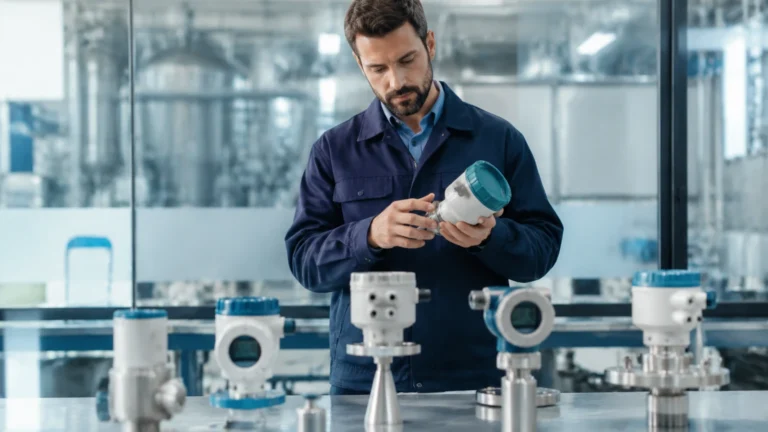
Radar level meters, particularly those operating at high frequencies like 80 GHz, utilize Frequency Modulated Continuous Wave (FMCW) technology. The sensor emits a continuous radar signal with a changing frequency. The signal is reflected by the medium's surface and received by the antenna. The frequency difference between the emitted and received signal is proportional to the distance. From a sustainability perspective, non-contact radar is highly efficient because it lacks moving parts that wear out, reducing the need for replacement components and maintenance-related downtime.
Ultrasonic Level Sensors
Ultrasonic sensors work by emitting high-frequency sound pulses. The time it takes for the pulse to travel to the surface and back determines the level. These are widely used in water treatment and open-channel flow applications. They are inherently "green" solutions for water management, as they help prevent overflows and optimize chemical dosing in treatment plants.
Hydrostatic Level Transmitters
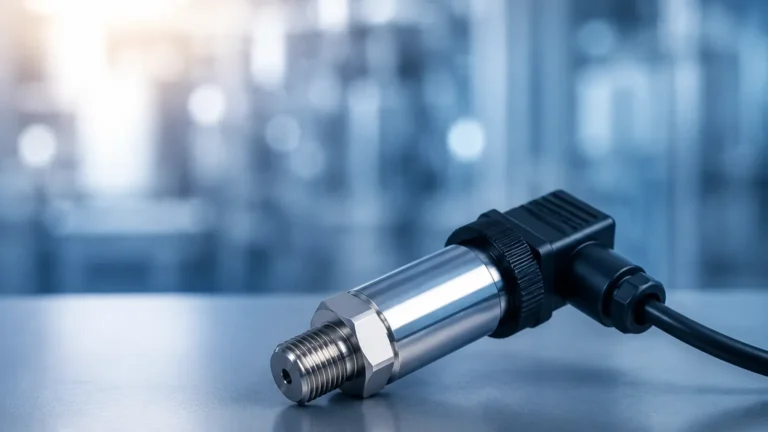
Hydrostatic measurement relies on the principle that the pressure at the bottom of a liquid column is proportional to the height of that column. By measuring the static pressure exerted by the liquid, the transmitter calculates the level. These sensors are often chosen for their simplicity and low power requirements, making them ideal for remote monitoring sites powered by solar energy.
The Core Pillars of Vega Green Initiatives
When evaluating instrumentation through the lens of sustainability, several key factors define the "Vega Green" philosophy. These pillars ensure that the technology serves both the process requirements and the environmental goals of the organization.
1. Energy Efficiency
Modern level meters are designed to operate on minimal current. Many industrial sensors now utilize 2-wire 4-20mA loop-powered configurations, which consume significantly less power than older 4-wire systems. In remote applications, such as reservoir monitoring or oil field tank batteries, low-power sensors enable the use of smaller solar arrays and batteries, reducing the total environmental footprint of the installation.
2. Durability and Lifecycle Management
A sustainable sensor is one that does not need to be replaced frequently. Instruments constructed from high-grade materials like 316L stainless steel, PTFE, or PVDF resist corrosion and mechanical wear. By extending the mean time between failures (MTBF), manufacturers reduce the waste associated with discarded electronics and the carbon footprint of shipping replacement parts.
3. Precision and Waste Reduction
In chemical and pharmaceutical industries, precise level measurement is critical for inventory management and batch processing. High-accuracy radar sensors can achieve tolerances of ±1 mm. This precision prevents tank overfills—which can lead to hazardous spills—and ensures that raw materials are used efficiently, minimizing chemical waste.
Practical Selection Table for Level Measurement Technologies
Choosing the right technology requires balancing performance with environmental impact. The following table provides a comparison based on typical industrial requirements.
| Technology | Accuracy | Power Consumption | Maintenance Needs | Environmental Best Use |
| :— | :— | :— | :— | :— |
| 80 GHz Radar | Excellent (±1mm) | Low (2-wire) | Very Low | Chemical storage, high-precision inventory |
| Ultrasonic | Good (±0.25%) | Moderate | Low | Wastewater treatment, open channels |
| Hydrostatic | High (±0.1%) | Very Low | Medium (Cleaning) | Deep wells, water reservoirs, vented tanks |
| Magnetic Gauge | Visual/High | None (Passive) | Medium | Boiler water, oil/water interface |
| Level Switch | Point-only | Extremely Low | Low | Overfill prevention, pump protection |
For a comprehensive look at available hardware and technical specifications, engineers should Review product options and application support to ensure the selected device aligns with their specific environmental and process constraints.
Installation Considerations for Enhanced Sustainability
Proper installation is a prerequisite for accurate measurement and instrument longevity. Even the most advanced "green" sensor will fail or provide inaccurate data if installed incorrectly.
* Mounting Position: For radar and ultrasonic sensors, avoid mounting the device too close to the tank wall or directly above filling inlets. Internal obstructions like agitators or heating coils can create false echoes. Using a standpipe or stilling well can help stabilize the surface in turbulent applications, ensuring the sensor operates at peak efficiency.
* Environmental Protection: While many sensors are rated IP66/IP67 or even IP68, providing a sunshade or protective housing in extreme climates can prevent UV degradation and thermal shock. This simple step can add years to the device's service life.
* Cable Management: Ensure that cable entries are sealed with appropriate glands to prevent moisture ingress. In "green" facilities, using halogen-free cables reduces the release of toxic gases in the event of a fire.
* Zero-Point Calibration: Correct calibration during commissioning ensures that the sensor's full range is utilized. This prevents "dead zones" where measurement is lost, which could otherwise lead to inefficient tank utilization.

Limitations and Common Risks
While the push toward Vega Green technologies is beneficial, engineers must be aware of the physical limitations of certain measurement methods.
1. Dielectric Constant (Dk): Radar measurement depends on the dielectric constant of the medium. Materials with very low Dk values (like certain liquefied gases) reflect radar signals poorly. In these cases, a guided wave radar or a high-sensitivity non-contact radar is required to maintain accuracy.
2. Vapor and Dust: Heavy steam or dust can attenuate ultrasonic signals. In such environments, radar is generally the more sustainable choice as it is unaffected by air density changes or suspended particles.
3. Pressure and Temperature Extremes: Every sensor has a defined operating envelope. Using a sensor at its absolute limit (e.g., near its maximum temperature rating of 250°C) will accelerate electronic aging and reduce its "green" value due to a shortened lifespan.
The Role of Digitalization in Green Operations
The integration of Bluetooth and HART (Highway Addressable Remote Transducer) protocols allows for remote configuration and diagnostics. This reduces the need for technicians to travel to the site for routine checks, thereby lowering the carbon emissions associated with maintenance vehicle trips. Furthermore, digital sensors provide more than just a level reading; they offer diagnostic data that can predict failure before it occurs, enabling a proactive rather than reactive maintenance strategy.
Frequently Asked Questions (FAQs)
What makes a level meter "green"?
A level meter is considered green if it features low power consumption, high durability, uses recyclable or non-toxic materials, and provides the high accuracy necessary to prevent environmental incidents like spills.
Can I replace an old float switch with a radar sensor for better sustainability?
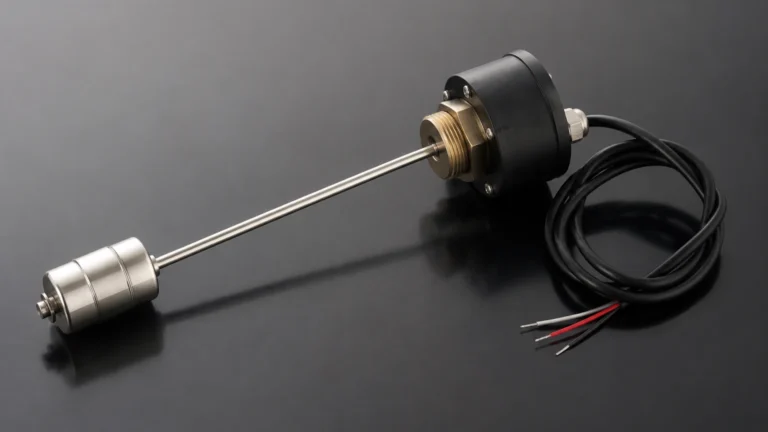
Yes. While float switches are simple, they are prone to mechanical failure and buildup. A non-contact radar sensor from the Main Page of a professional manufacturer provides much higher reliability and eliminates the risk of a stuck mechanical component causing a tank overflow.
How does high-frequency radar (80 GHz) contribute to environmental safety?
High-frequency radar has a narrower beam angle, which means it can be used in narrow tanks or tanks with internal obstructions without interference. This allows for more flexible and accurate monitoring in complex chemical environments where safety is paramount.
Are ultrasonic sensors suitable for chemical tanks?
It depends on the chemical. Some chemicals produce vapors that change the speed of sound, leading to errors in ultrasonic measurement. For aggressive chemicals, a radar sensor with a PTFE-encapsulated antenna is often a more robust and sustainable choice.
What is the typical lifespan of a modern industrial level sensor?
When selected and installed correctly, a high-quality industrial level sensor should have a service life of 10 to 15 years. Regular software updates and periodic calibration checks can further extend this period.
Conclusion
Adopting the Vega Green approach to level measurement involves more than just buying a sensor; it requires a holistic view of the instrument's lifecycle and its impact on process efficiency. By prioritizing technologies like high-frequency radar and low-power hydrostatic transmitters, and by following rigorous installation standards, industrial facilities can achieve a balance between precise automation and environmental responsibility. For those seeking to upgrade their current systems, consulting with a professional manufacturer like Welk ensures access to the latest advancements in reliable, accurate, and cost-effective level measurement solutions.