What Are Coke Ovens
What Are Coke Ovens
In the realm of heavy industry and metallurgical engineering, the question of "what are coke ovens" extends far beyond a simple definition of a furnace. For process engineers and plant managers, coke ovens represent a critical, high-temperature environment where coal is transformed into coke—a vital fuel and reducing agent for blast furnace ironmaking. This thermal distillation process, known as carbonization, requires precise control over temperature, pressure, and material levels to ensure both operational safety and product quality.
Understanding the mechanics of coke ovens and the associated byproduct recovery systems is essential for optimizing steel production. Furthermore, because these environments involve extreme heat, abrasive dust, and corrosive chemicals, selecting the correct instrumentation—specifically for level measurement—is a fundamental engineering challenge. This article explores the technical architecture of coke ovens, the stages of the coking process, and the specialized level measurement technologies required to maintain these systems.
The Technical Definition: What Are Coke Ovens?
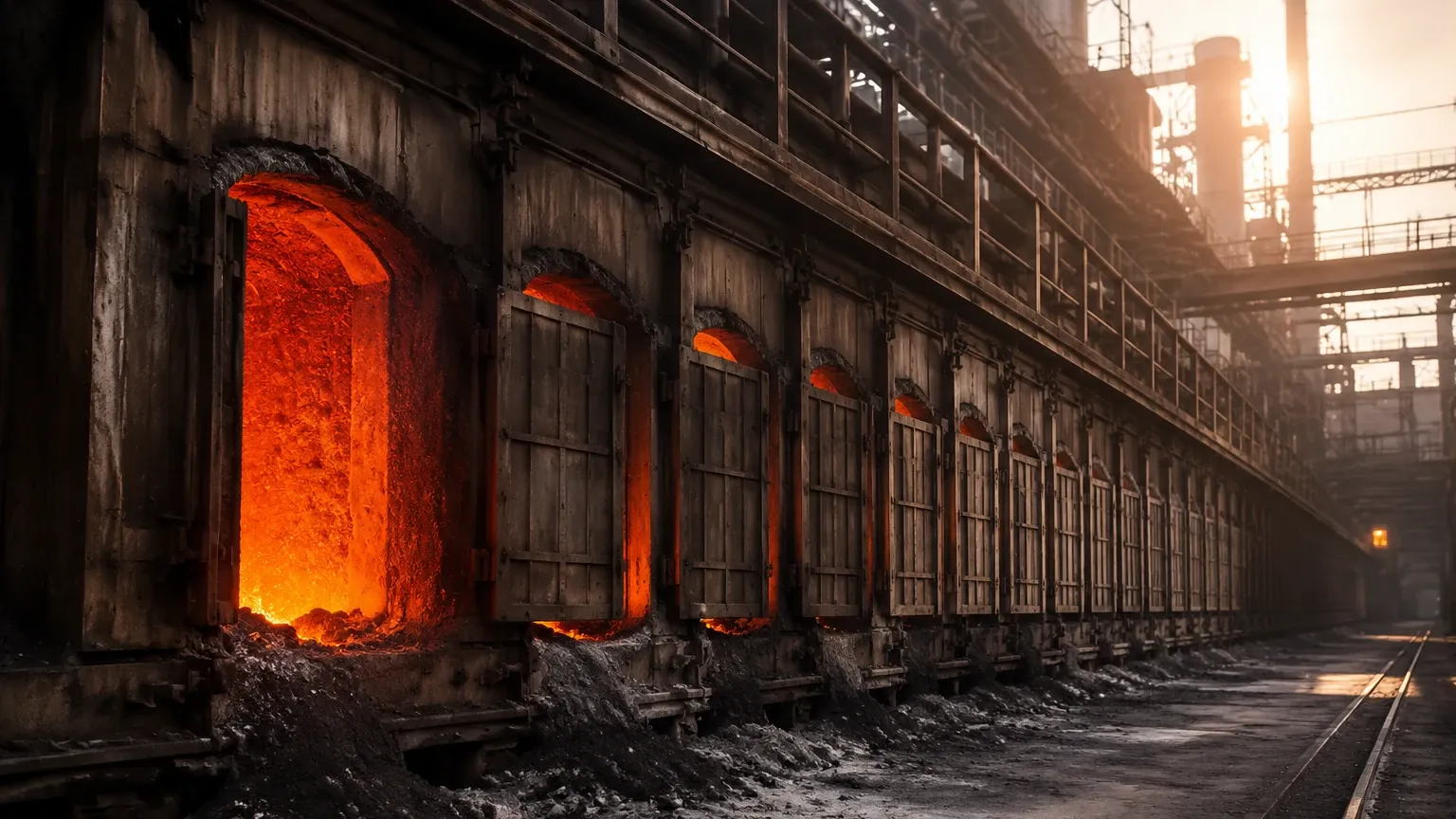
Coke ovens are industrial chambers, typically constructed from high-grade silica refractory bricks, designed to heat coal to temperatures between 1,000°C and 1,100°C (1,832°F to 2,012°F) in the absence of oxygen. This process, termed destructive distillation, drives off volatile matter such as water, coal gas, and coal tar, leaving behind a solid carbonaceous residue known as coke.
A modern coke plant consists of a "battery" of these ovens. A battery may contain anywhere from 20 to 100 individual ovens arranged in a row. Between the ovens are heating flues where fuel gas is burned to provide the necessary thermal energy. Because the coal is sealed off from the atmosphere, it does not combust; instead, it undergoes a physical and chemical transformation that increases its structural strength and carbon purity.
Types of Coke Ovens
There are two primary categories of coke ovens used in modern industrial applications:
1. Byproduct (Recovery) Coke Ovens: These are designed to capture the volatile gases released during carbonization. These gases are processed in a chemical byproduct plant to produce valuable materials like crude tar, light oil (benzene, toluene, xylene), and ammonium sulfate. Most integrated steel mills utilize this type to maximize resource efficiency.
2. Non-Recovery or Heat-Recovery Coke Ovens: In these systems, the volatile matter is not processed for chemicals but is instead burned within the oven or in a secondary combustion chamber to provide heat for the process. The waste heat is often used to generate steam and electricity. These ovens operate under negative pressure, which can reduce fugitive emissions.
The Role of Level Measurement in Coke Production
To understand the operational complexity of coke ovens, one must look at the material handling and storage requirements. Level measurement is required at multiple stages of the cycle to prevent equipment damage and ensure process continuity.
Coal Charging and Storage
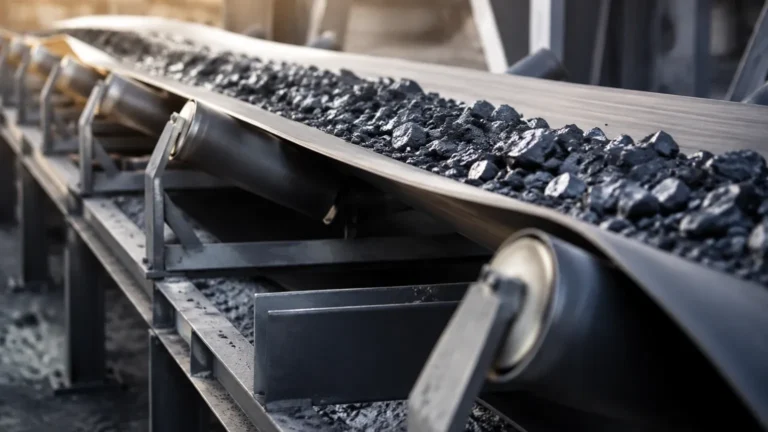
Before coal enters the oven, it is stored in massive coal towers or bunkers. Accurate level measurement in these silos is necessary to ensure the "charging car" (the vehicle that loads coal into the ovens) always has a sufficient supply. Given the dusty nature of coal and the large dimensions of the silos, non-contact measurement is preferred.
Byproduct Recovery Tanks
In recovery plants, the gases are cooled and condensed into liquids. This results in tanks filled with coal tar, ammonia liquor, and various oils. These liquids are often hot, viscous, and corrosive. Monitoring the interface between tar and water, as well as the overall tank levels, is critical for preventing spills and managing inventory.
Quenching Systems
Once the coking process is complete, the red-hot coke is pushed out of the oven and into a quenching car. It is then sprayed with vast amounts of water in a quenching tower to cool it down. Managing the water levels in the quenching basins and settlement tanks is essential for environmental compliance and water recycling.
Measurement Principles for Coke Oven Environments
Choosing the right sensor for a coke plant requires an understanding of the underlying physics of measurement. For those looking to Review product options and application support, it is important to match the technology to the specific environmental constraints of the coke battery.
Radar Level Measurement (80GHz High-Frequency)
Radar technology is the industry standard for coal silos and many byproduct tanks. It works on the Time-of-Flight (ToF) principle, where electromagnetic pulses are emitted, reflected by the material surface, and received by the sensor.
* Advantages: 80GHz radar features a narrow beam angle, which is crucial for avoiding internal structural obstructions in tall coal bunkers. It is unaffected by the heavy dust clouds generated during coal loading.
* Application: Coal tower level monitoring and tar storage.
Guided Wave Radar (GWR)
GWR utilizes a physical probe (cable or rod) to guide the microwave pulse to the surface. This is particularly effective for byproduct liquids with low dielectric constants or where foam is present on the surface.
* Advantages: Provides a very stable signal even in turbulent liquids or tanks with steam.
* Application: Ammonia liquor tanks and separator vessels.
Ultrasonic Level Sensors
Ultrasonic sensors use sound waves to detect the level. While cost-effective, they are limited by temperature and air density variations.
* Limitations: In coke ovens, the high temperatures and the presence of vapors can change the speed of sound, leading to inaccuracies. Therefore, ultrasonic sensors are generally reserved for ambient-temperature water treatment areas within the plant.
* Application: Quenching water basins and wastewater sumps.
Hydrostatic Pressure Transmitters
These measure the pressure exerted by a liquid column. In the byproduct plant, these are often used for tanks with consistent liquid density.
* Application: Clean water storage and some chemical additive tanks.
Selection Table for Coke Plant Level Instrumentation
| Application | Recommended Technology | Key Reason | Temperature Range |
| :— | :— | :— | :— |
| Coal Storage Bunker | 80GHz Non-contact Radar | Penetrates heavy dust; narrow beam | -40°C to +80°C |
| Coal Tar Tank | Guided Wave Radar (GWR) | Handles high viscosity and steam | Up to +250°C |
| Ammonia Liquor | Radar or Hydrostatic | Corrosive resistance required | Ambient to +90°C |
| Quench Water Basin | Ultrasonic or Radar | Reliable in open-air sumps | Ambient |
| Charging Car Bin | Heavy-duty Radar | Vibration resistance is critical | -20°C to +60°C |
Installation and Engineering Considerations
When installing level meters in a coke oven facility, several practical factors must be addressed to ensure long-term reliability.
1. Dust and Build-up Management
Coal dust is not only abrasive but also prone to sticking. For radar units, an air purging system is often necessary. By injecting a small, continuous stream of compressed air into the sensor flange, the antenna remains clear of dust build-up, ensuring the signal remains strong.
2. High-Temperature Protection
While the sensor electronics are usually rated for up to 60°C or 80°C, the process connection near a coke oven can be much hotter. Using cooling fins or remote-mounted electronics can protect the sensitive components from thermal degradation.
3. Angle of Repose
When measuring solid coal in a silo, the material forms a cone (the angle of repose). If the radar is mounted too close to the wall or the fill point, it may provide a false reading. Proper positioning—typically 1/3 of the radius from the tank wall—is recommended for the most representative average level.
4. Chemical Compatibility
Byproducts like crude benzene and hot coal tar are chemically aggressive. Wetted parts of the instruments (probes, flanges, and gaskets) should be specified in 316L Stainless Steel, PTFE, or Hastelloy to prevent corrosion.
Limitations and Challenges
Despite advancements in technology, certain limitations persist in coke oven applications:
* Signal Attenuation: Extremely thick foam in byproduct separators can absorb radar signals. In these rare cases, specialized GWR probes with high-sensitivity algorithms are required.
* Mechanical Stress: The charging and pushing machines in a coke battery create significant vibration. Instrumentation must be ruggedized and mounted with vibration-dampening brackets.
* Safety Zones: Many areas of a coke plant are classified as hazardous (Ex/ATEX zones) due to the presence of flammable gases. All level measurement devices must carry the appropriate explosion-proof certifications.
Frequently Asked Questions (FAQs)
Q: Why can't we use manual dipping for coke byproduct tanks?
A: Manual dipping exposes workers to toxic fumes (like H2S and benzene) and hot liquids. Automated level measurement is essential for both safety and real-time process control.
Q: How does coal moisture affect level measurement?
A: For radar sensors, moisture actually improves the reflectivity (dielectric constant) of the coal, making the signal stronger. However, very wet coal can increase build-up on the sensor face, necessitating air purging.
Q: What is the lifespan of a level sensor in a coke plant?
A: With proper installation (purging and cooling), a high-quality radar sensor can last 5 to 10 years. Without protection, sensors in high-dust or high-heat areas may fail within months.
Q: Can one sensor measure both the tar and water level in a decanter?
A: Yes, Guided Wave Radar (GWR) is capable of "interface measurement," where it detects both the top liquid level (water/liquor) and the interface level where the heavier tar settles at the bottom.
Conclusion
Understanding "what are coke ovens" is the first step in appreciating the harsh conditions that industrial instrumentation must endure. From the massive coal bunkers to the complex byproduct recovery tanks, accurate level measurement is the heartbeat of a safe and efficient coke plant. By selecting the appropriate radar or ultrasonic technology and adhering to strict installation guidelines, engineers can ensure that these critical assets operate at peak performance.
For more detailed technical specifications and to explore a wide range of industrial measurement solutions, visit the Main Page of Welk's level measurement portfolio. Choosing the right partner for instrumentation ensures that your coke oven operations remain productive, compliant, and safe in one of the most demanding environments in modern industry.