What Is a Def Sensor
What Is a Def Sensor
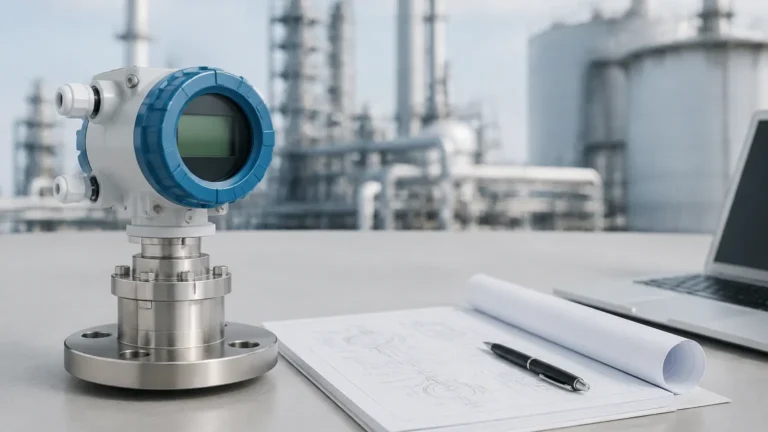
In the realm of modern industrial emissions control and heavy-duty transportation, the Diesel Exhaust Fluid (DEF) sensor has become a critical component. As environmental regulations like the EPA Tier 4 and Euro VI standards have tightened, the requirement for Selective Catalytic Reduction (SCR) systems has grown. At the heart of these systems lies the DEF sensor, a multi-functional instrument designed to ensure that the exhaust treatment process remains efficient and compliant. This article explores the technical principles, selection criteria, and operational importance of these sensors in industrial and automotive applications.
Understanding Diesel Exhaust Fluid (DEF) and Its Role
Before defining what is a def sensor, it is essential to understand the fluid it monitors. Diesel Exhaust Fluid is a non-hazardous solution consisting of 32.5% high-purity urea and 67.5% deionized water. When injected into the exhaust stream, it reacts with nitrogen oxides (NOx) over a catalyst to break them down into harmless nitrogen and water vapor.
Because the SCR system relies on a precise chemical reaction, the quality and quantity of the DEF must be strictly maintained. If the fluid is contaminated, diluted, or depleted, the SCR system cannot function, leading to increased emissions and potential engine "derate" modes where power is limited to prevent environmental damage. The DEF sensor is the primary safeguard against these issues.
How a DEF Sensor Works: Core Measurement Principles
Modern DEF sensors are typically "3-in-1" or "4-in-1" devices. They do not just measure the volume of liquid in a tank; they also monitor the chemical composition and temperature. Several measurement principles are employed depending on the complexity of the application.
1. Ultrasonic Measurement (Level and Quality)
Ultrasonic technology is widely considered the gold standard for high-end DEF sensors. The sensor emits high-frequency sound waves that travel through the fluid.
* Level Sensing: By measuring the "time-of-flight" for a sound pulse to travel to the liquid surface and back, the sensor calculates the exact fluid level.
* Concentration (Quality) Sensing: The speed of sound through a liquid changes based on its density and concentration. By measuring the velocity of sound within the DEF, the sensor can determine if the urea concentration is at the required 32.5%. If the velocity deviates significantly, it indicates that the fluid has been diluted with water or contaminated with other substances like diesel or oil.
2. Reed Switch and Float (Level Only)
For simpler applications where only the fluid level is required, a magnetic float and reed switch assembly is often used. A float containing a magnet moves up and down a stem as the fluid level changes. This triggers reed switches at specific intervals, providing a stepped level reading. While reliable for volume tracking, this method cannot detect fluid quality.
3. Optical Refractive Index (Quality Only)
Some sensors use optical refractometry to measure the concentration of urea. A light source is directed through the fluid, and the angle of refraction is measured. Since the refractive index of a urea solution is proportional to its concentration, this provides a highly accurate quality reading. However, these are often more sensitive to debris and scaling than ultrasonic versions.
4. Temperature Sensing (NTC Thermistors)
Because DEF freezes at -11°C (12°F), temperature monitoring is vital. Most DEF sensors include a Negative Temperature Coefficient (NTC) thermistor to provide real-time data to the engine control unit (ECU). This data determines when the tank heaters need to be activated to thaw the fluid.
Key Components of a DEF Sensor Assembly
An industrial-grade DEF sensor is rarely a standalone probe; it is usually part of a larger header assembly that integrates multiple functions into one unit. For engineers reviewing product options and application support on the Main Page, understanding these components is vital for system integration.
| Component | Function |
| :— | :— |
| Sensing Probe | Houses the ultrasonic transducers or reed switches for level and quality data. |
| Suction and Return Lines | Integrated tubes that draw DEF from the tank to the injector and return unused fluid. |
| Heating Coil | A stainless steel or polymer loop that circulates engine coolant to thaw frozen DEF. |
| Filter Screen | A mesh at the bottom of the suction tube to prevent particulate matter from entering the SCR system. |
| Electrical Connector | Typically a sealed automotive-grade connector (e.g., Deutsch or Amphenol) for CAN bus communication. |
Selection Criteria for DEF Level and Quality Sensors
When specifying a DEF sensor for industrial machinery or fleet vehicles, several factors must be evaluated to ensure long-term reliability.
Chemical Compatibility
DEF is corrosive to certain materials, particularly copper, brass, and some grades of aluminum. Sensors must be constructed from compatible materials such as 316L stainless steel, high-density polyethylene (HDPE), or specialized fluoropolymers. Using incompatible materials can lead to fluid contamination and sensor failure.
Accuracy and Resolution
For level measurement, a resolution of ±5 mm is standard for most tanks. However, quality measurement requires higher precision. A quality sensor should be able to detect urea concentration within ±1% to ensure the SCR system remains within its optimal operating window.
Communication Protocols
Most modern industrial engines utilize the SAE J1939 CAN bus protocol. The DEF sensor must be able to broadcast level, temperature, and quality data directly to the ECU. For stationary industrial tanks, analog outputs like 4-20mA or 0-5V may still be used, though they are becoming less common in mobile applications.
Environmental Durability
Industrial sensors must withstand extreme vibration, thermal shock, and pressure washing. Look for sensors with an Ingress Protection (IP) rating of IP67 or IP69K. Furthermore, the sensor must be designed to handle the expansion of DEF when it freezes, which can exert significant mechanical stress on the probe.
Installation and Maintenance Best Practices
Proper installation is critical to the accuracy of a DEF sensor. Because these sensors often use ultrasonic pulses, they must be mounted vertically and away from internal tank baffles or walls that could cause false echoes.
Installation Considerations:
1. Dead Zone Management: Ultrasonic sensors have a "dead zone" near the transducer where measurements are not possible. Ensure the tank height accounts for this to avoid "full" reading errors.
2. Sealing: Use appropriate gaskets (such as EPDM) that are compatible with urea to prevent leaks and crystallization at the tank entry point.
3. Venting: Ensure the tank is properly vented. A vacuum or overpressure in the tank can affect the suction of DEF and, in some cases, distort the tank shape, leading to inaccurate level readings.
Maintenance and Troubleshooting:
DEF sensors are generally low-maintenance, but they are susceptible to a phenomenon known as urea crystallization. If DEF is allowed to dry, it forms white crystals that can block filters or coat sensor surfaces.
* Cleaning: If a sensor shows erratic readings, it may need to be cleaned with deionized water. Never use tap water, as the minerals can contaminate the SCR catalyst.
* Contamination Checks: If the sensor triggers a "poor quality" alert, the fluid should be tested with a handheld refractometer. Common contaminants include diesel fuel, which will float on top of the DEF and can damage the internal seals of the sensor.
Comparison of DEF Sensing Technologies
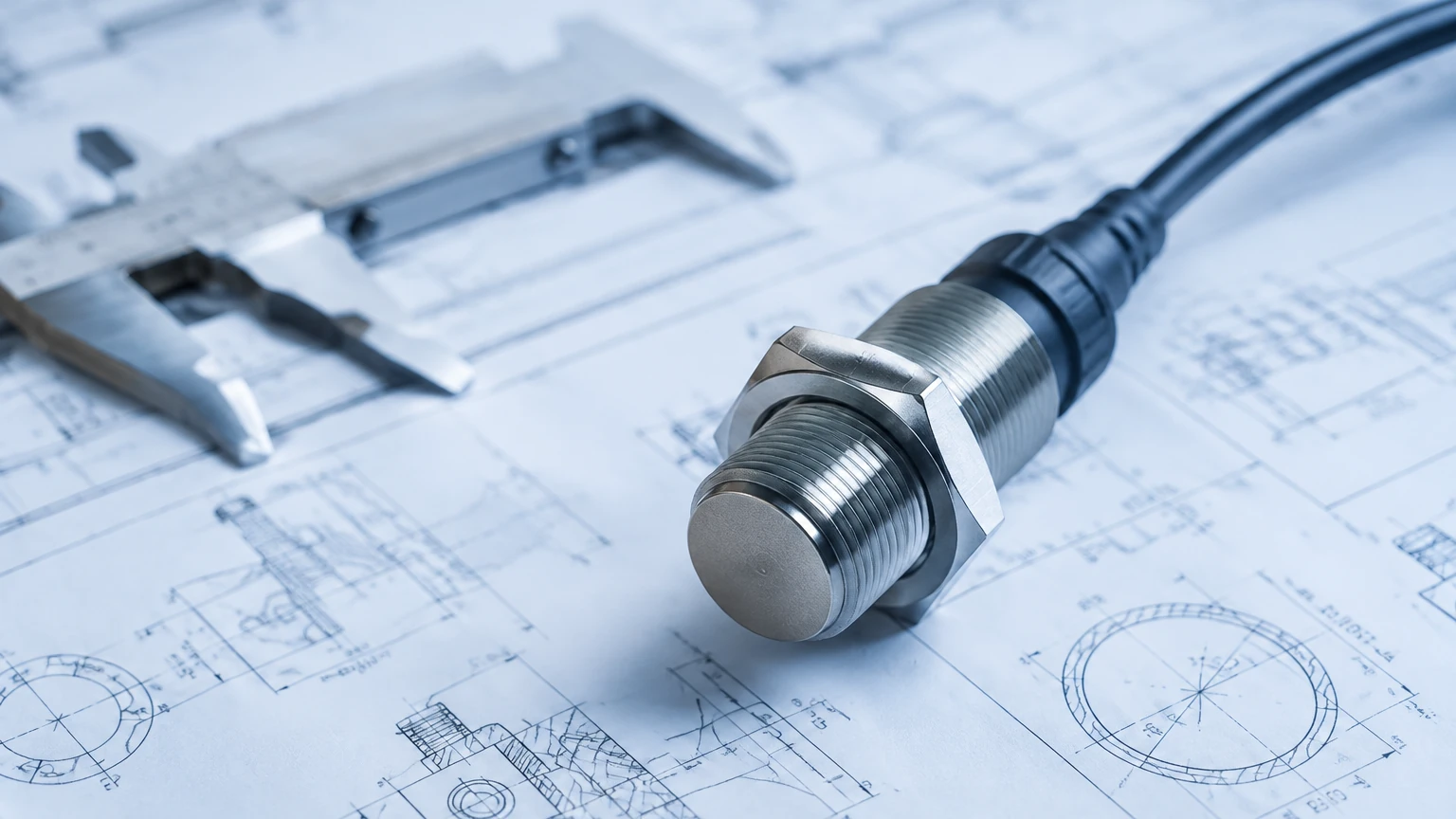
| Feature | Ultrasonic | Reed Switch | Capacitance |
| :— | :— | :— | :— |
| Level Accuracy | High (Continuous) | Moderate (Stepped) | High (Continuous) |
| Quality Detection | Yes | No | No |
| Moving Parts | None | Yes (Float) | None |
| Cost | Higher | Lower | Moderate |
| Reliability | Excellent | Good | Good |
Common Challenges in DEF Level Measurement
One of the primary challenges in answering what is a def sensor's limitations is the behavior of the fluid itself. In addition to freezing, DEF can degrade if stored at high temperatures (above 30°C / 86°F) for extended periods. This degradation reduces the urea concentration, which a quality sensor will detect as a fault.
Another challenge is "sloshing" in mobile applications. In a moving vehicle, the fluid surface is rarely level. Advanced sensors use software algorithms to average the level readings over time, providing a stable output to the dashboard gauge despite the movement of the fluid.
Frequently Asked Questions (FAQ)
Q: Can I use a standard water level sensor for DEF?
A: Generally, no. While the physical measurement might work, standard sensors often use materials that will corrode in urea. Furthermore, a standard sensor will not provide the urea concentration data required by the ECU to maintain emissions compliance.
Q: What happens if the DEF sensor fails?
A: If the sensor fails to report data or reports incorrect data (such as an empty tank when it is full), the engine's ECU will typically trigger a warning light. If the issue is not resolved, the engine may enter a derate mode, significantly reducing speed and power to ensure the vehicle does not operate without functional emissions controls.
Q: How does the sensor distinguish between DEF and water?
A: Ultrasonic sensors measure the speed of sound. Sound travels at a specific velocity through a 32.5% urea solution. In pure water, sound travels slower. The sensor detects this difference and alerts the system that the fluid is not up to specification.
Q: Is it possible to bypass a DEF sensor?
A: Bypassing or tampering with emissions components is illegal in many jurisdictions and can lead to heavy fines and voided warranties. Modern ECUs are designed to detect "simulated" signals, making it very difficult to bypass these sensors without triggering fault codes.
Conclusion
The DEF sensor is a sophisticated piece of industrial instrumentation that does far more than monitor fluid levels. By integrating ultrasonic level detection, concentration analysis, and temperature monitoring, it ensures that SCR systems function correctly to reduce environmental impact. For engineers and fleet managers, selecting a high-quality sensor made from compatible materials is essential for avoiding costly downtime and ensuring regulatory compliance. For those seeking a broader range of industrial measurement solutions, including radar and hydrostatic options, visiting the Main Page provides access to a comprehensive suite of level measurement technologies tailored for diverse industrial environments.