What Is a Sewer Lift Station
What Is a Sewer Lift Station
In the realm of civil engineering and wastewater management, the movement of fluid is typically governed by gravity. However, geographical constraints often prevent a continuous downward slope from the source of waste to the treatment facility. This is where the sewer lift station becomes a critical infrastructure component. A sewer lift station is a pumping facility designed to move wastewater from a lower elevation to a higher elevation, overcoming topographical hurdles that gravity-fed systems cannot navigate.
Understanding what is a sewer lift station requires a look at both its mechanical components and the sophisticated instrumentation required to automate its operation. For engineers and facility managers, the reliability of these stations is paramount to preventing environmental contamination and costly system backups.
The Core Principles of Lift Station Operation
The fundamental purpose of a sewer lift station is to lift wastewater through a pressurized pipe known as a "force main." This process is necessary when the cost of deep excavation for a gravity sewer becomes prohibitive or when the destination (such as a treatment plant) is at a higher elevation than the collection point.
The operation follows a cyclical process:
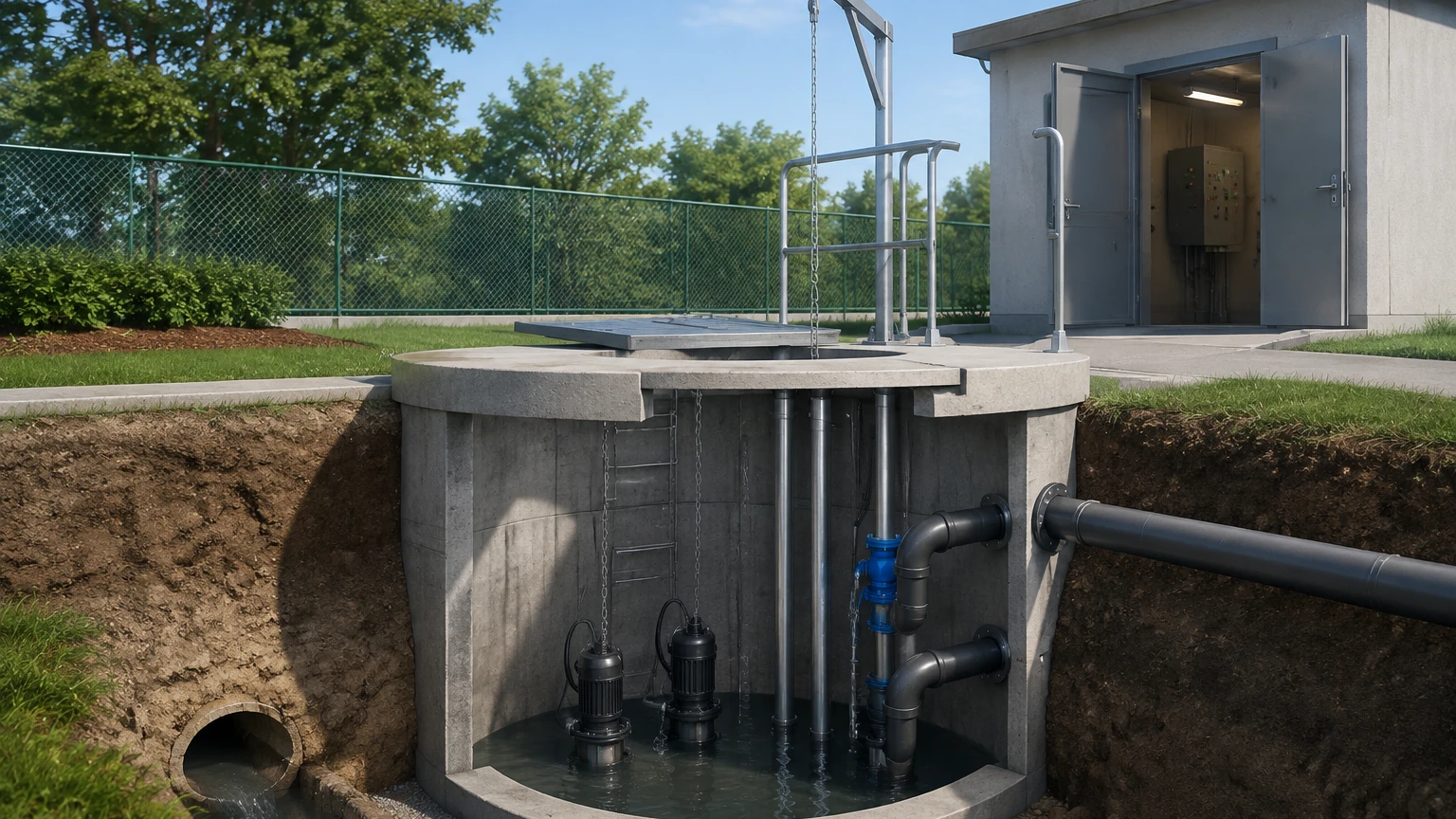
1. Collection: Wastewater flows by gravity into an underground pit called a wet well.
2. Monitoring: As the wet well fills, level measurement instruments monitor the rising fluid.
3. Activation: Once the wastewater reaches a predetermined "start" level, a pump is activated.
4. Discharge: The pump forces the liquid out of the wet well and into the force main.
5. Deactivation: When the level drops to a "stop" setpoint, the pump shuts off to prevent dry running.
Key Components of a Sewer Lift Station
A standard lift station consists of several integrated systems that must work in harmony to handle variable flow rates and corrosive environments.
The Wet Well
This is the primary receiving vessel for the sewage. It is typically a deep, cylindrical concrete or fiberglass tank buried underground. The design must account for "active volume"—the space between the pump start and stop levels—to prevent the pumps from cycling too frequently, which can lead to premature motor failure.
Pumping Systems
Most modern stations utilize submersible pumps, which are designed to operate while fully submerged in the wastewater. These pumps often include "grinder" mechanisms to macerate solids, preventing clogs in the force main. In larger municipal configurations, dry-well pumps may be used, where the pumps are located in a separate dry chamber adjacent to the wet well for easier maintenance access.
Control Panel and SCADA
The control system is the brain of the station. It receives signals from level sensors and manages pump alternation (to ensure even wear across multiple pumps). Many stations are integrated into a Supervisory Control and Data Acquisition (SCADA) system, allowing operators to monitor station health remotely.
Level Measurement Principles in Wastewater Environments
Accurate level detection is the most critical factor in lift station automation. Because sewage is a complex mixture of water, solids, fats, oils, and corrosive gases like hydrogen sulfide (H2S), selecting the right measurement technology is vital. Before selecting a device, it is important to understand the physics behind the most common measurement principles used in these applications.
Ultrasonic Level Measurement
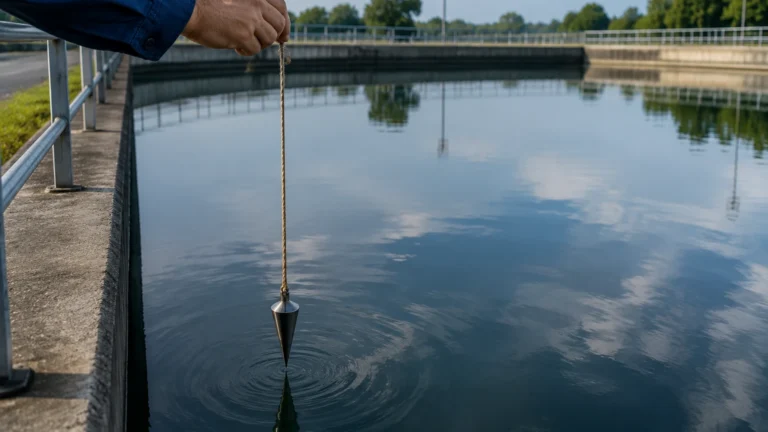
Ultrasonic sensors are non-contact devices that emit high-frequency sound pulses. These pulses reflect off the surface of the wastewater and return to the sensor. By measuring the time-of-flight, the sensor calculates the distance to the liquid.
* Advantages: No contact with the corrosive medium, relatively low cost, and easy to install.
* Limitations: Can be affected by heavy foam, steam, or extreme turbulence, which may scatter the sound waves.
Radar (Microwave) Level Measurement
Radar level meters operate similarly to ultrasonic sensors but use electromagnetic microwave pulses instead of sound. These pulses travel at the speed of light and are virtually unaffected by air temperature, pressure, or the presence of vapors and fumes.
* Advantages: Extremely accurate (often within ±2 mm), unaffected by H2S gas or steam, and capable of penetrating light foam.
* Limitations: Higher initial investment compared to ultrasonic or hydrostatic options.
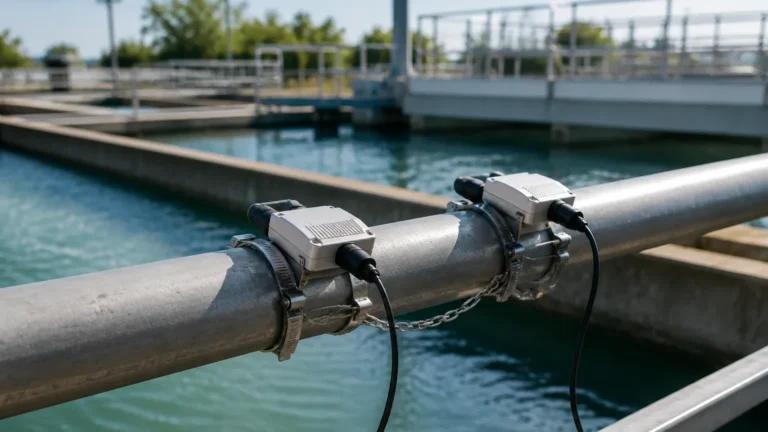
Hydrostatic Pressure Measurement
This method involves placing a submersible pressure transmitter at the bottom of the wet well. The sensor measures the pressure exerted by the column of liquid above it. Since the density of wastewater is relatively constant, the pressure is directly proportional to the depth (1 meter of water ≈ 9.81 kPa).
* Advantages: Highly reliable in deep wells and unaffected by surface foam or floating debris.
* Limitations: Sensors are in direct contact with the sewage and may require periodic cleaning to remove sludge or grease buildup from the diaphragm.
Point Level Switches (Floats)
Float switches are mechanical devices that tip when the liquid reaches a certain height, opening or closing an electrical circuit. In many lift stations, these serve as a redundant backup to the primary continuous level sensor to trigger high-level alarms.
Technical Selection Criteria for Level Instruments
Choosing the appropriate technology depends on the specific characteristics of the lift station. The following table provides a comparison for engineering reference:
| Technology | Contact Type | Accuracy | Resistance to Foam | Maintenance Requirement | Ideal Application |
| :— | :— | :— | :— | :— | :— |
| Ultrasonic | Non-contact | Moderate | Low | Low | Small/Medium residential lift stations |
| Radar | Non-contact | High | Moderate/High | Very Low | Critical municipal infrastructure |
| Hydrostatic | Submersible | High | High | Moderate | Deep wells with high surface foam |
| Float Switch | Contact | Low (Point) | High | Moderate | Redundant high/low level alarms |
Installation and Engineering Considerations
Proper installation is as important as technology selection. When designing the instrumentation layout for a sewer lift station, engineers must consider the following:
* Dead Zones: Non-contact sensors have a "blocking distance" or dead zone directly beneath the sensor where measurement is impossible. The sensor must be mounted high enough to avoid this zone during peak flow.
* Intake Turbulence: Sensors should never be mounted directly above the inlet pipe. The falling water creates turbulence and air bubbles that can interfere with ultrasonic and radar signals or cause physical damage to hydrostatic probes.
* Corrosion Resistance: Due to the presence of H2S gas, which converts to sulfuric acid in moist environments, all exposed sensor components should be made of corrosion-resistant materials such as PVDF, PTFE, or high-grade stainless steel (316L).
* Explosion Protection: Lift stations are often classified as hazardous locations (Class I, Division 1 or ATEX Zone 0/1) because of the potential for methane gas accumulation. Level instruments must be intrinsically safe or explosion-proof to meet safety standards.
Common Risks and Operational Challenges
Operating a sewer lift station involves managing several inherent risks:
1. FOG (Fats, Oils, and Grease): These substances float on the surface and can solidify, creating a thick crust. This crust can trap float switches or cause false readings for ultrasonic sensors. Regular cleaning and the use of radar or hydrostatic sensors can mitigate this.
2. Pump Clogging: Non-flushable items (wipes, rags) frequently clog pumps. Monitoring the pump's electrical current (amperage) alongside the level can help detect a clog before the motor burns out.
3. Power Outages: Since lift stations rely on electricity, a power failure can lead to an immediate overflow. Most critical stations include onsite backup generators or large battery arrays.
4. H2S Corrosion: Hydrogen sulfide is not only toxic but highly corrosive to concrete and metal. Proper ventilation and specialized coatings are required to extend the lifespan of the wet well structure.
Frequently Asked Questions (FAQ)
Q: How often should a sewer lift station be inspected?
A: Monthly inspections are recommended for municipal stations to check for grease buildup, pump performance, and sensor accuracy. High-traffic stations may require weekly checks.
Q: Can I use a standard water level sensor in a sewer lift station?
A: It is not recommended. Sewage is much more aggressive than clean water. Sensors must be specifically rated for wastewater, featuring chemical-resistant housings and non-clogging designs.
Q: What happens if the level sensor fails?
A: If the primary sensor fails, the pumps may either run dry (damaging the seals) or fail to start (causing an overflow). This is why redundant float switches and SCADA alarms are essential safety features.
Q: What is the typical lifespan of a lift station?
A: With proper maintenance, the structural components (wet well) can last 30–50 years, while pumps and electronic instrumentation typically require replacement or refurbishment every 10–15 years.
Summary and Next Steps
A sewer lift station is a vital link in the chain of wastewater management, transforming challenging topography into a functional utility. The success of these stations depends on the integration of robust pumping hardware and precise level measurement technologies. By understanding the principles of ultrasonic, radar, and hydrostatic measurement, engineers can specify solutions that minimize maintenance and maximize system uptime.
For those seeking to optimize their wastewater infrastructure with reliable instrumentation, you can Review product options and application support to find the specific radar, ultrasonic, or hydrostatic solutions tailored for harsh sewage environments. Ensuring the right fit for your project's specific chemistry and depth requirements is the first step toward a resilient lift station design.