Why Is Electrification Important
Why Is Electrification Important
In the landscape of modern industrial automation, the transition from mechanical and manual processes to electronic systems represents a fundamental shift in how facilities operate. When engineers and plant managers ask, "why is electrification important," the answer lies in the intersection of data precision, operational safety, and the integration of the Industrial Internet of Things (IIoT). In the field of level measurement, electrification refers to the replacement of manual dipsticks, mechanical floats, and pneumatic indicators with sophisticated electronic sensors such as radar, ultrasonic, and hydrostatic transmitters. This evolution is not merely a matter of convenience; it is a prerequisite for the high-efficiency, low-waste requirements of 21st-century manufacturing.
The Role of Electrification in Process Control
Electrification serves as the backbone of digital transformation. Without electronic instrumentation, a facility remains "blind" to real-time changes in its processes. Why is electrification important in this context? It converts physical variables—such as the height of a liquid in a tank or the volume of a solid in a silo—into standardized electrical signals (like 4-20mA, HART, or Modbus) that can be interpreted by Programmable Logic Controllers (PLCs) and Supervisory Control and Data Acquisition (SCADA) systems.
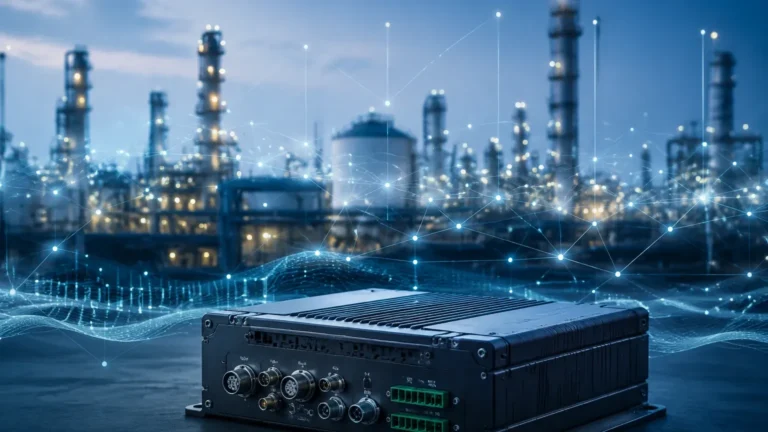
By digitizing level measurement, industries can achieve a level of granularity in their data that was previously impossible. This data allows for predictive maintenance, automated inventory management, and tighter control over chemical dosing or water treatment processes. For those looking to explore a wide range of electronic measurement solutions, the Main Page of Welk's technical catalog provides a comprehensive starting point for selecting the right technology for specific industrial environments.
Core Measurement Principles of Electronic Level Sensors
Before selecting a specific instrument, it is essential to understand the underlying physical principles that govern electronic level measurement. Unlike mechanical systems, which rely on physical contact and buoyancy, many electronic systems use wave propagation or pressure sensing.
1. Radar Level Measurement (Electromagnetic Waves)
Radar level meters operate on the principle of Time-of-Flight (ToF). The sensor emits a high-frequency electromagnetic wave (typically in the 26GHz or 80GHz range) toward the surface of the material. The wave reflects off the surface and returns to the sensor. The distance is calculated using the formula:
Distance = (Speed of Light × Travel Time) / 2
Radar is highly valued because electromagnetic waves do not require a medium to travel, meaning they are unaffected by vacuum, pressure, or temperature fluctuations. This makes them ideal for volatile chemicals and high-temperature reactors.
2. Ultrasonic Level Measurement (Sound Waves)
Ultrasonic sensors also use the ToF principle but utilize mechanical sound waves instead of electromagnetic waves. A piezoelectric crystal inside the sensor converts electrical energy into sound pulses. These pulses bounce off the liquid surface and return to the transducer. Because the speed of sound is influenced by air temperature, these sensors typically include an integrated temperature probe to compensate for variations and maintain accuracy.
3. Hydrostatic Level Measurement (Pressure)
Hydrostatic transmitters measure the pressure exerted by a liquid column at a specific point. The principle is based on Pascal’s Law, where the pressure at the bottom of a tank is directly proportional to the height of the liquid and its density:
P = ρ × g × h
(Where P is pressure, ρ is density, g is gravity, and h is height). By measuring the pressure, the electronic transmitter calculates the level, provided the density of the liquid remains constant.
Why Is Electrification Important for Industrial Efficiency?
Understanding why is electrification important requires looking at the operational benefits that electronic sensors provide over their mechanical predecessors.
* Enhanced Accuracy: Mechanical gauges are prone to wear, friction, and human error during reading. Electronic sensors, particularly 80GHz radar, can provide accuracy within ±2 mm (0.078 inches), ensuring that inventory counts are precise and tanks are never overfilled.
* Remote Monitoring and Safety: In many chemical or oil and gas applications, manual level checks require operators to climb tanks or enter hazardous zones. Electrification allows data to be transmitted wirelessly or via cable to a central control room, keeping personnel out of harm's way.
* Continuous Data Logging: Electronic systems provide a continuous stream of data rather than point-in-time snapshots. This allows for the identification of trends, such as slow leaks or abnormal consumption rates, which would be missed by manual inspections.
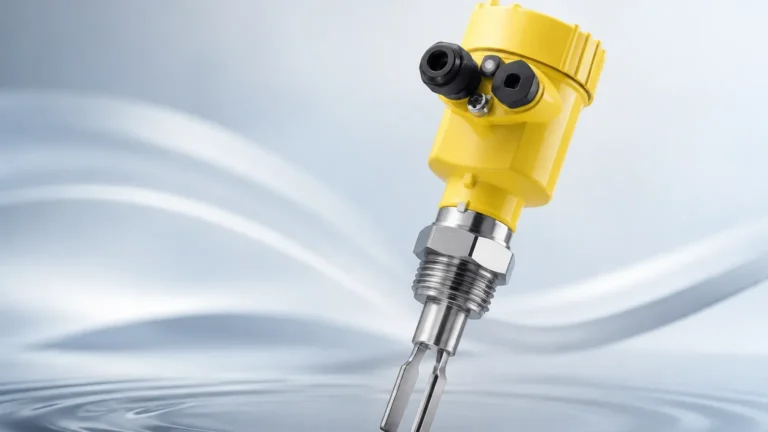
* Reduced Maintenance: Non-contact electronic sensors (radar and ultrasonic) have no moving parts. This eliminates the risk of mechanical failure due to corrosion, clogging, or material buildup on floats.
Practical Selection Table for Level Measurement Technologies
Choosing the right instrument depends on the specific media, environment, and budget. The following table compares common electronic level measurement technologies.
| Feature | Radar (80GHz) | Ultrasonic | Hydrostatic | Magnetic Level Gauge (with Transmitter) |
| :— | :— | :— | :— | :— |
| Measurement Type | Non-contact | Non-contact | Contact (Pressure) | Contact (Buoyancy) |
| Best Application | Aggressive chemicals, dust, foam | Water treatment, open channels | Deep wells, vented tanks | High-pressure boilers |
| Accuracy | ±2 mm | ±0.25% of range | ±0.1% to ±0.5% | ±5 mm |
| Max Range | Up to 120m (393 ft) | Up to 30m (98 ft) | Up to 200m (656 ft) | Up to 6m (20 ft) |
| Influence of Vapor | None | High | None | None |
| Relative Cost | High | Moderate | Low to Moderate | Moderate |
Installation Considerations for Electronic Instruments
To ensure the reliability of an electrified level system, certain installation parameters must be followed. Improper mounting is the leading cause of signal loss or false readings in electronic sensors.
1. Dead Zones (Blocking Distance): Both ultrasonic and radar sensors have a "dead zone" directly beneath the sensor where measurements cannot be taken. For ultrasonic sensors, this is typically 0.25m to 0.8m (10 to 31 inches). The sensor must be mounted high enough that the maximum liquid level never enters this zone.
2. Obstruction Avoidance: Electronic waves spread out in a cone shape. If there are ladders, agitators, or heating coils within the beam angle, they will create "false echoes." Advanced software can filter these out, but it is best to install the sensor in a location with a clear path to the product surface.
3. Power Supply and Wiring: Most industrial level transmitters are 2-wire systems (Loop Powered), meaning the same pair of wires carries both the 24V DC power and the 4-20mA signal. In high-power applications, 4-wire systems may be required to support internal heaters or high-intensity signals.
4. Nozzle Height: For radar and ultrasonic sensors, the nozzle should be as short as possible. If the nozzle is too long or narrow, the signal may reflect off the internal walls of the pipe before reaching the tank, causing interference.
Limitations and Challenges of Electrification
While the benefits are significant, engineers must account for the limitations of electronic systems. Why is electrification important to evaluate critically? Because no single technology is a universal solution.
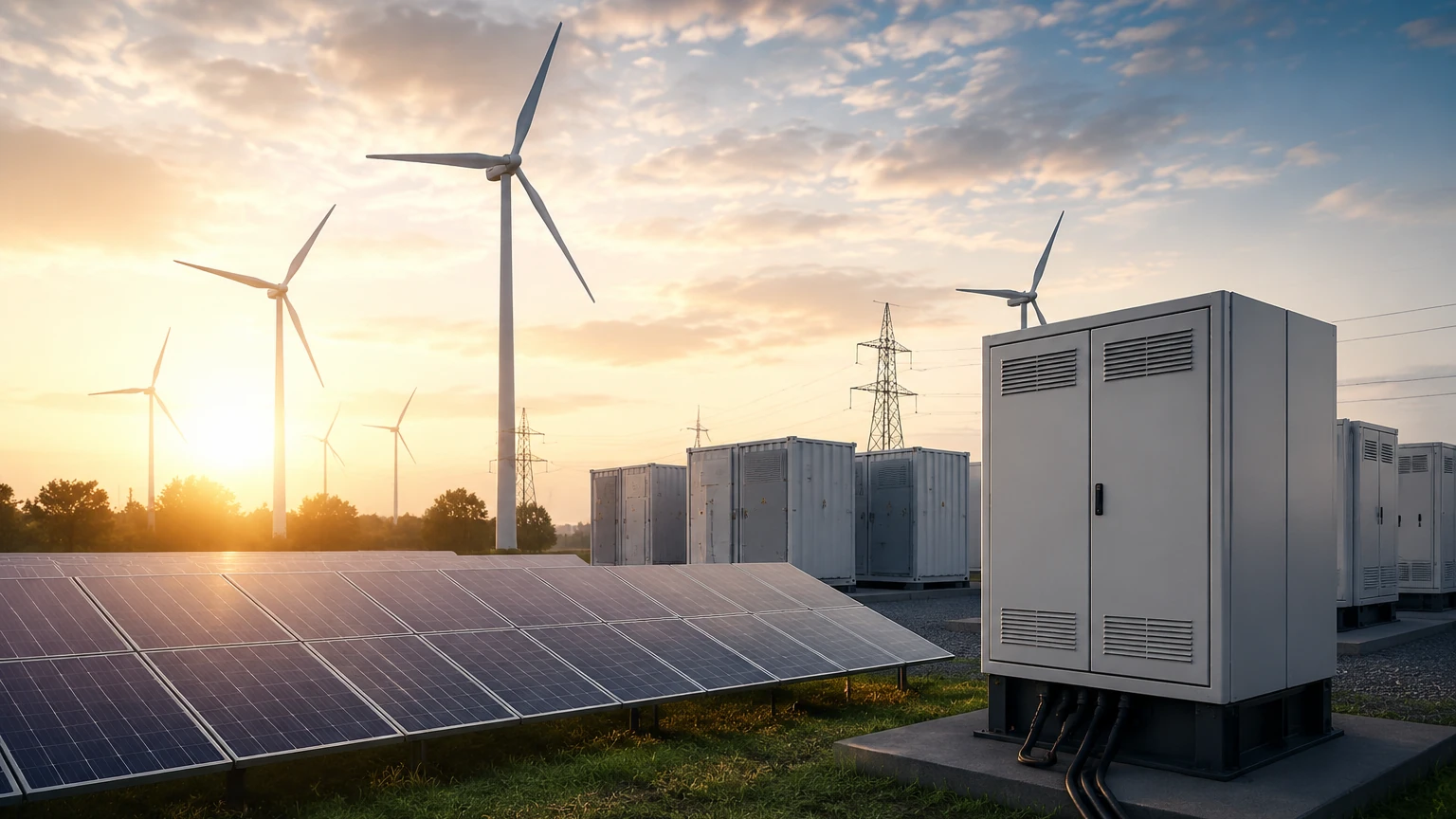
* Power Dependency: Electronic sensors require a stable power supply. In remote areas, this may necessitate solar panels and battery storage.
* Signal Interference: In environments with heavy electrical noise (EMI) from large motors or variable frequency drives (VFDs), shielded cabling and proper grounding are mandatory to prevent signal degradation.
* Media Properties: Ultrasonic sensors struggle in heavy foam because the foam absorbs the sound waves. Similarly, radar sensors require the material to have a sufficient dielectric constant (εr) to reflect the electromagnetic signal. For materials with very low dielectric constants, such as certain oils or liquefied gases, specialized guided wave radar (GWR) may be necessary.
Frequently Asked Questions (FAQs)
Q: How does electrification contribute to environmental sustainability?
A: By providing precise level control, electrification prevents tank overfills and spills, which protects the surrounding environment. Additionally, it optimizes pump usage, reducing the overall energy consumption of the facility.
Q: Can electronic level meters be used in explosive atmospheres?
A: Yes. Most professional level meters are available with intrinsically safe (Ex ia) or explosion-proof (Ex d) certifications, allowing them to be used safely in refineries and chemical plants.
Q: What is the difference between a level switch and a level transmitter?
A: A level switch is a point-level device that indicates when a material has reached a specific height (on/off). A level transmitter provides continuous measurement of the level across the entire range of the tank.
Q: Why is electrification important for IIoT integration?
A: IIoT relies on data. Electronic sensors provide the digital output necessary for cloud-based monitoring and big-data analytics, which are not possible with mechanical gauges.
Conclusion
The transition toward electrified level measurement is a cornerstone of modern industrial strategy. By moving away from manual and mechanical methods, facilities gain the accuracy, safety, and connectivity required to remain competitive. Whether through the precision of 80GHz radar or the cost-effectiveness of hydrostatic pressure sensors, electrification provides the visibility needed to manage complex processes with confidence. For further technical specifications and to view the full range of available instrumentation, please refer to the Main Page for detailed product support and application guidance.