Radar Level Sensor Hsn Code
Radar Level Sensor HSN Code: A Technical and Regulatory Guide for Industrial Procurement
In the landscape of industrial automation and process control, precision in level measurement is non-negotiable. For engineers and procurement specialists, selecting the right technology is only half the battle; ensuring the equipment is correctly classified for international trade and local taxation is equally vital. This guide provides a comprehensive technical overview of Radar Level Meters, their operating principles, and the specific radar level sensor hsn code requirements for global logistics.
Understanding Radar Level Measurement Principles
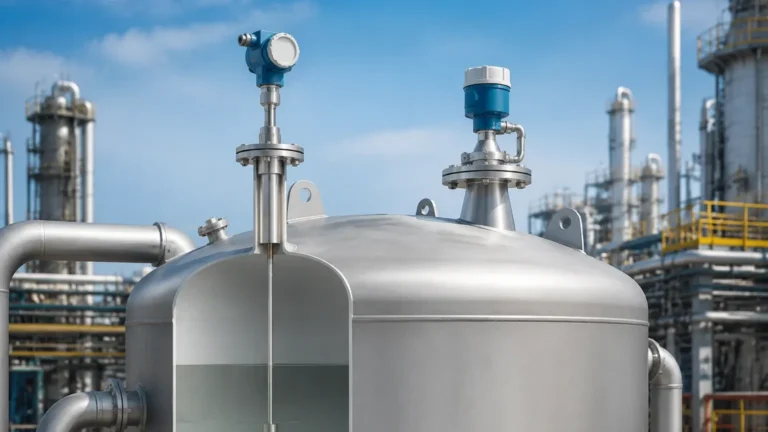
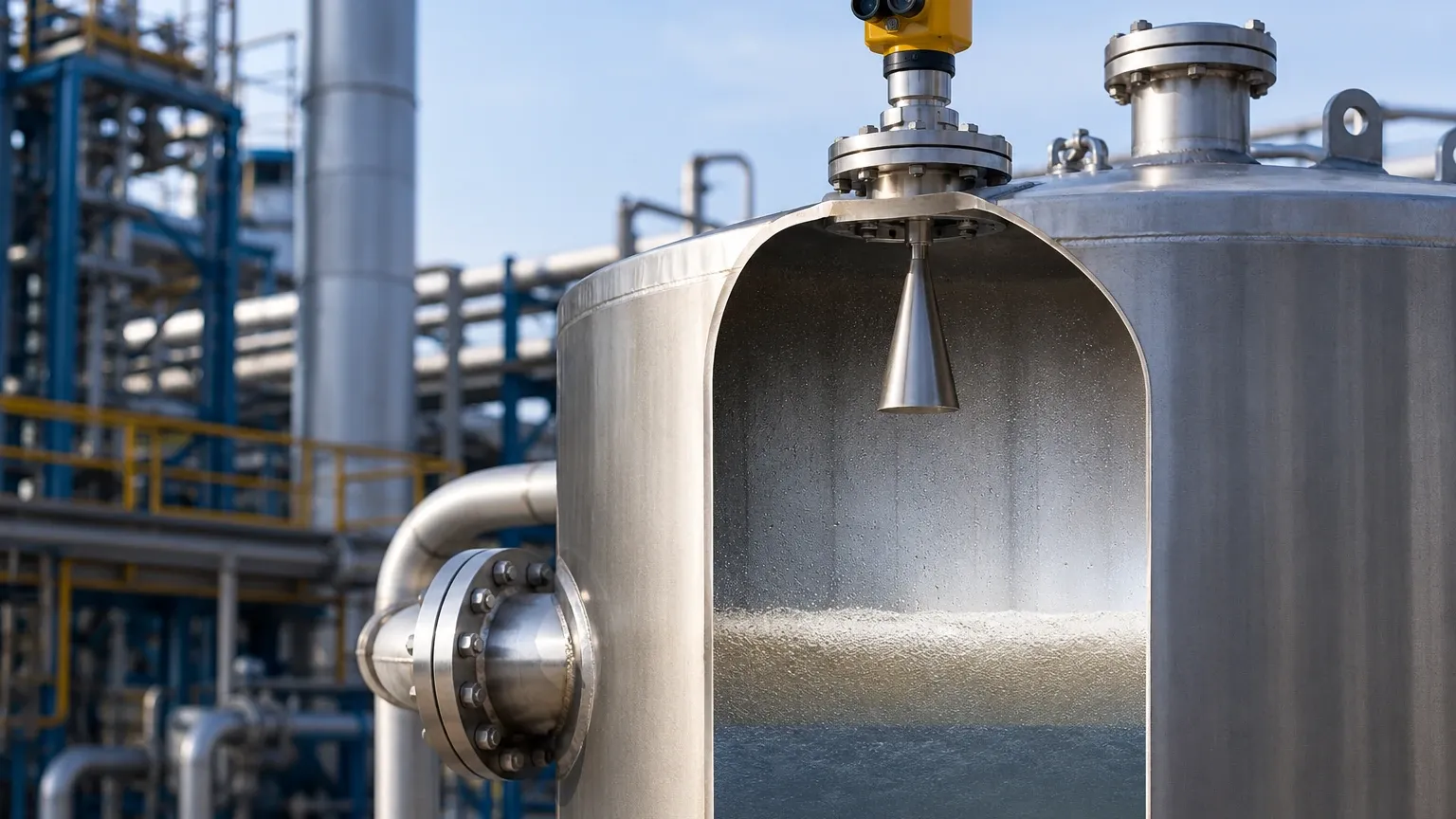
Before addressing the regulatory aspects of procurement, it is essential to understand how radar technology functions within a process vessel. Radar level sensors utilize electromagnetic waves, typically in the microwave frequency range, to measure the distance from the sensor to the surface of a liquid or solid medium.
Pulse Radar (Time of Flight)
Pulse radar sensors emit short microwave pulses toward the target material. These pulses travel at the speed of light, reflect off the surface of the medium, and return to the sensor antenna. The instrument measures the "Time of Flight" (ToF)—the interval between transmission and reception. Since the speed of light is constant, the distance is calculated using the formula:
*Distance = (Speed of Light × Time of Flight) / 2*
This method is highly effective for long-range measurements and is relatively energy-efficient.
FMCW (Frequency Modulated Continuous Wave)
FMCW radar technology is increasingly becoming the industry standard for high-precision applications. Instead of pulses, the sensor emits a continuous signal with a constantly changing frequency (a frequency sweep). When the reflected signal is received, it is compared to the signal being emitted at that exact moment. The difference in frequency (the "beat frequency") is directly proportional to the distance. FMCW provides superior resolution and signal-to-noise ratios, making it ideal for narrow tanks or media with low dielectric constants.
The Importance of the Radar Level Sensor HSN Code
For international trade, the Harmonized System of Nomenclature (HSN) is a standardized numerical method of classifying traded products. It is used by customs authorities around the world to identify products for the application of duties, taxes, and regulations.
Classification for Radar Level Sensors
In most jurisdictions, radar level sensors fall under Chapter 90 of the HSN code, which covers "Optical, photographic, cinematographic, measuring, checking, precision, medical or surgical instruments and apparatus."
Specifically, the radar level sensor hsn code is generally categorized under:
* HSN 9026: Instruments and apparatus for measuring or checking the flow, level, pressure, or other variables of liquids or gases.
* HSN 902610: For measuring or checking the level of liquids.
* HSN 90261010: Specifically designated for level indicators or similar electronic instruments.
Accurate classification using the 8-digit HSN code is critical for B2B buyers to avoid customs delays, ensure compliance with Import/Export (IE) codes, and correctly calculate Goods and Services Tax (GST) or Value Added Tax (VAT) liabilities. While 9026.10.10 is the most common classification for liquid level radar, sensors used for solids (silos) may sometimes be classified under 9026.80.90 depending on local customs interpretations.
Selection Criteria for Industrial Radar Level Meters
Choosing the correct radar level meter requires an analysis of both the process environment and the physical properties of the medium. Engineers should consider the following parameters:
1. Frequency (26GHz vs. 80GHz)
* 26GHz Radar: Features a wider beam angle. It is robust and suitable for applications with heavy steam, dust, or turbulent surfaces where a broader signal can provide a more averaged, stable reading.
* 80GHz Radar: Offers a very narrow beam angle (often as small as 3°). This is ideal for tall, narrow tanks with internal obstructions like agitators, heating coils, or ladders, as the narrow beam can easily bypass these obstacles.
2. Dielectric Constant (εr)
The reflectivity of the radar signal depends on the dielectric constant of the medium. Water has a high dielectric constant (εr ≈ 80) and is easy to measure. Hydrocarbons, oils, and certain powders have low dielectric constants (εr < 2), which may require high-sensitivity FMCW sensors or guided wave radar (GWR) variants.
3. Process Conditions
* Pressure: Sensors must be rated for the maximum vessel pressure, often ranging from vacuum to 40 bar (580 psi) or higher.
* Temperature: Standard sensors operate up to 80°C (176°F), but high-temperature versions with integrated cooling fins or ceramic seals can handle up to 250°C (482°F).
Installation Considerations and Constraints
Proper installation is the most significant factor in the long-term reliability of a radar level sensor. Even the most advanced 80GHz sensor will fail if placed incorrectly.
Mounting Position
* Wall Distance: The sensor should be mounted at a distance of approximately 1/6th of the tank diameter from the side wall. Mounting too close to the wall can cause interference from side-lobe reflections.
* Avoid the Center: Never mount the sensor in the exact center of a tank with a domed top. This can create a "parabolic effect," where multiple reflections converge at the center, leading to false high-level alarms.
* Inflow Interference: Ensure the radar beam does not intersect the path of the filling stream. The turbulence and physical presence of the incoming material will cause significant signal noise.
Nozzle Requirements
The mounting nozzle should be as short as possible. If the nozzle is too long or narrow, the radar signal may reflect off the internal edges of the nozzle (nozzle interference), masking the true level of the medium. For high-frequency radar, the nozzle height should ideally not exceed its diameter.
Technical Comparison Table
| Feature | 26GHz Pulse Radar | 80GHz FMCW Radar | Guided Wave Radar (GWR) |
| :— | :— | :— | :— |
| Measurement Range | Up to 30m (98 ft) | Up to 120m (393 ft) | Up to 75m (246 ft) |
| Accuracy | ±3mm to ±5mm | ±1mm | ±2mm |
| Beam Angle | 8° – 20° | 3° – 8° | N/A (Guided) |
| Application | General liquid storage | Narrow tanks, solids, high precision | Low dielectric liquids, foam |
| HSN Code (Typical) | 9026.10.10 | 9026.10.10 | 9026.10.10 |
Limitations and Application Risks
While radar is one of the most versatile level measurement technologies, it is not universal. Engineers must be aware of the following risks:
1. Heavy Foam: Thick, dense foam can absorb the microwave signal entirely, preventing any reflection from reaching the sensor. In these cases, a Guided Wave Radar or a hydrostatic pressure transmitter may be more appropriate.
2. Vacuum Conditions: While radar works in a vacuum (unlike ultrasonic sensors), extreme vacuum can affect the seal integrity of the antenna. Specialized process connectors are required.
3. Crystallization and Coating: If the medium is prone to crystallization or heavy coating, it can build up on the antenna. While many modern radars have "antenna aiming" or "self-cleaning" designs, significant buildup will eventually attenuate the signal.
Frequently Asked Questions (FAQ)
Q: Does the radar level sensor hsn code change if the sensor is for solids?
A: Generally, no. Most customs authorities classify all level-measuring instruments under 9026. However, if the device is marketed as a "distance meter" rather than a "level meter," it might be shifted to 9031. It is best to stick to 9026.10.10 for consistency in industrial level applications.
Q: Can radar measure through a plastic tank wall?
A: Yes, non-metallic materials like plastic, glass, and fiberglass are transparent to microwaves. This allows for "non-contact" measurement from outside the tank, which is ideal for highly corrosive or ultrapure chemicals.
Q: How do I handle internal agitators?
A: If using an 80GHz radar, the narrow beam can often be positioned to miss the agitator blades. Additionally, most modern radar software includes a "false signal suppression" or "background subtraction" feature that allows the sensor to "learn" and ignore static reflections from internal structures.
Q: Is there a difference between a radar level transmitter and a radar level sensor?
A: In industrial terms, a "sensor" refers to the sensing element, while a "transmitter" refers to the complete assembly that converts the sensor signal into a standardized output (like 4-20mA, HART, or Modbus). Most industrial radar units are technically transmitters.
Conclusion
Selecting and procuring Radar Level Meters requires a balance of technical expertise and regulatory awareness. By understanding the nuances of FMCW technology, adhering to strict installation guidelines, and ensuring the correct radar level sensor hsn code is applied during the shipping process, industrial operators can ensure high-performance level monitoring with minimal logistical friction. For complex applications involving low dielectric media or extreme temperatures, consulting with a manufacturer for a customized OEM/ODM solution is recommended to ensure long-term accuracy and reliability.