2 Ultrasonic Water Meter
2 Ultrasonic Water Meter: A Comprehensive Engineering Guide to DN50 Measurement Solutions
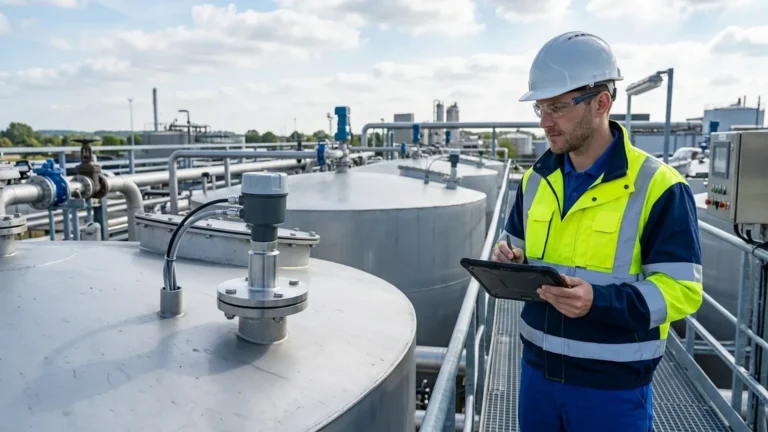
In industrial water management and process automation, the 2-inch (DN50) pipe size represents a critical threshold. It is one of the most common diameters for branch lines, chemical dosing systems, and small-scale water distribution networks. When selecting a 2 ultrasonic water meter or a corresponding level sensor for these applications, engineers must balance precision, installation constraints, and long-term reliability.
As a professional manufacturer, Welk provides advanced Ultrasonic Level Meters and flow solutions designed to meet the rigorous demands of industrial environments. This guide explores the principles, selection criteria, and installation nuances of 2-inch ultrasonic measurement technology.
1. Measurement Principles: How Ultrasonic Technology Works
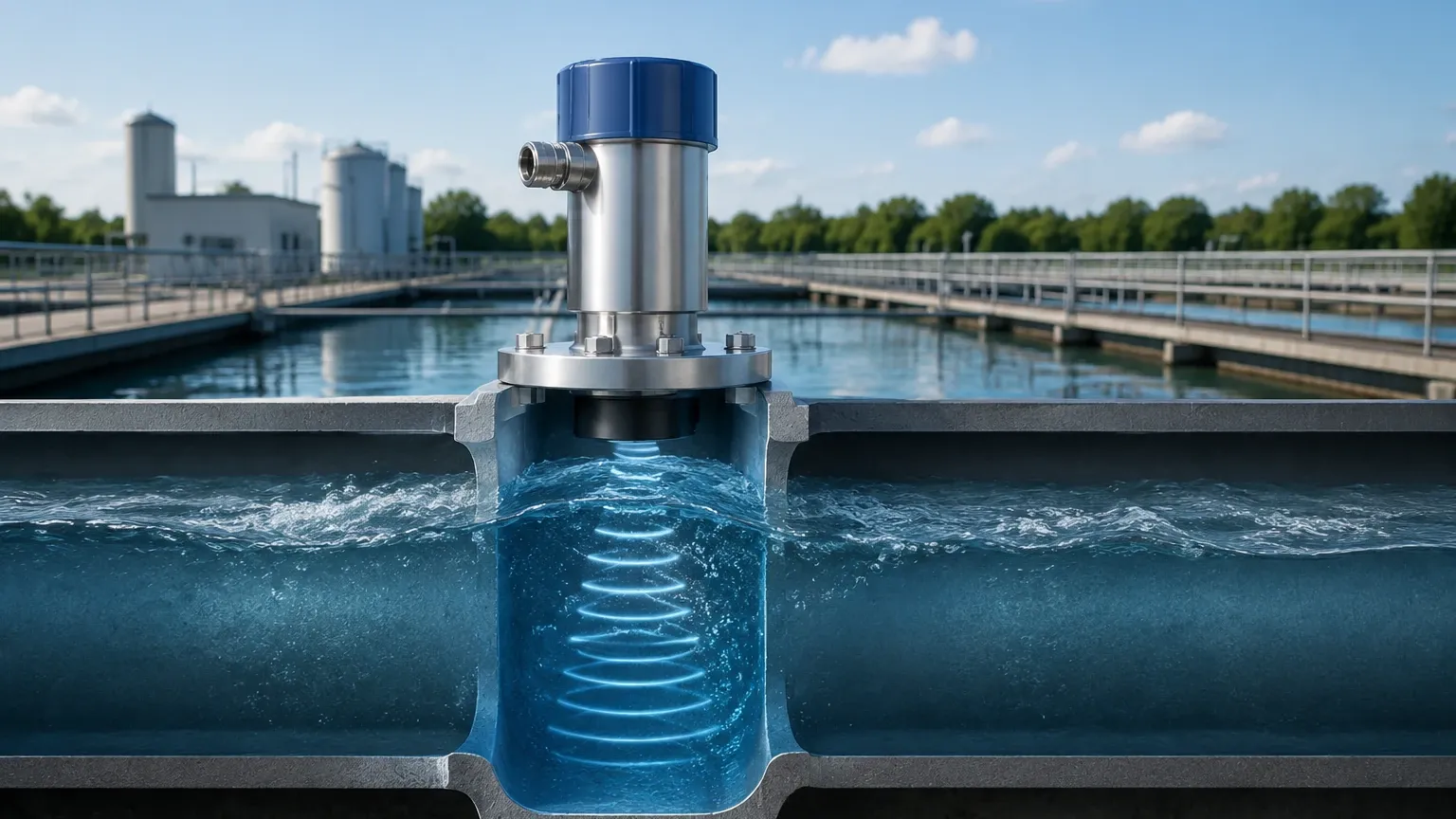
Ultrasonic measurement is a non-invasive, non-contact technology that utilizes sound waves to determine either the volume of liquid flowing through a pipe or the level of liquid within a vessel. For a 2-inch system, two primary methods are employed depending on whether the goal is flow metering or level monitoring.
1.1 Time-of-Flight (Level Measurement)
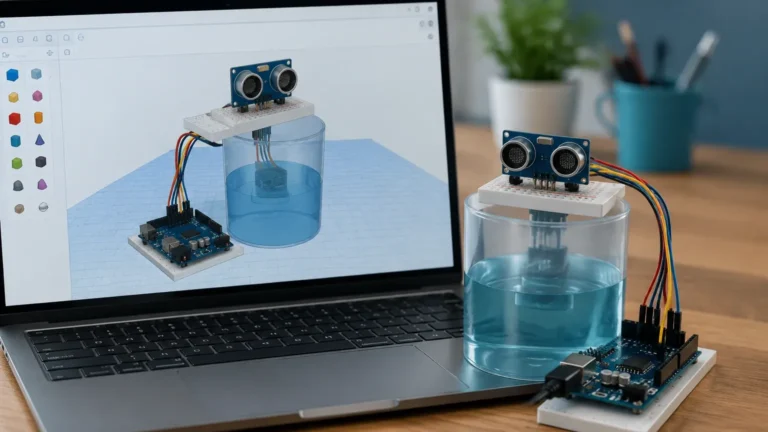
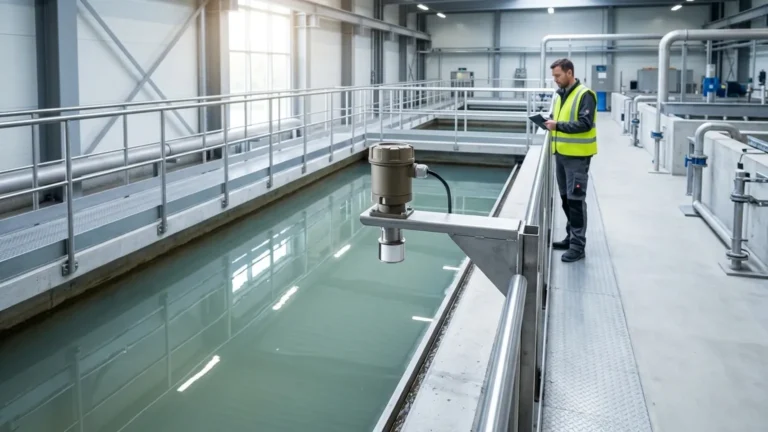
In level measurement applications, the ultrasonic transducer is mounted at the top of a tank or above an open channel. The sensor emits a high-frequency acoustic pulse that travels through the air, reflects off the liquid surface, and returns to the transducer. The device calculates the distance based on the time taken for the pulse to return, using the formula:
Distance = (Speed of Sound × Time) / 2
For 2-inch mounting ports, the beam angle of the sensor is a critical factor to prevent signal interference from the port walls.
1.2 Transit-Time (Flow Measurement)
When used as a water meter within a 2-inch pipe, the system typically uses the transit-time principle. Two transducers are positioned on the pipe (either clamped on or integrated into a spool piece). They transmit and receive ultrasonic signals simultaneously.
* Downstream travel: The signal moving with the flow travels faster.
* Upstream travel: The signal moving against the flow travels slower.
The difference in transit time is directly proportional to the flow velocity. This method is highly accurate for clean water applications where the 2-inch diameter allows for a stable flow profile.
2. Technical Specifications for 2-Inch (DN50) Systems
Choosing a 2 ultrasonic water meter requires an understanding of the specific technical boundaries associated with this size. Below are the typical specifications found in industrial-grade DN50 ultrasonic instruments.
| Feature | Specification (Typical) |
| :— | :— |
| Pipe/Port Diameter | 50 mm (2 inches) |
| Measurement Range (Level) | 0.25m to 5m (standard) |
| Flow Velocity Range | 0.01 m/s to 12 m/s |
| Accuracy | ±0.2% to ±1.0% of span |
| Output Signals | 4-20mA, RS485 (Modbus), Pulse |
| Power Supply | 24V DC or Battery-powered |
| Enclosure Rating | IP67 or IP68 |
| Process Temperature | -20°C to +60°C (standard) |
3. Selection Criteria: Choosing the Right Instrument
Selecting the appropriate instrument involves more than just matching the pipe size. Engineers must evaluate the fluid characteristics and the physical environment.
3.1 Integrated vs. Split Type
* Integrated Type: The transducer and electronics are housed in a single unit. This is ideal for 2-inch installations where space is available directly at the measurement point and environmental conditions are moderate.
* Split Type: The transducer is connected to a remote transmitter via a cable. This is preferred if the 2-inch pipe or tank port is located in a hazardous area, high-vibration zone, or a space with limited accessibility for reading the display.
3.2 Material Compatibility
For water treatment, standard ABS or PVC housings are often sufficient. However, if the 2-inch line carries corrosive chemicals or deionized water, PVDF (Polyvinylidene Fluoride) transducers are recommended to ensure longevity and prevent contamination.
3.3 The "Dead Zone" Consideration
Every ultrasonic level sensor has a "dead zone" (also known as the blocking distance) directly beneath the transducer face where measurement is impossible. For a sensor designed for a 2-inch port, the dead zone typically ranges from 200mm to 300mm. This must be accounted for in tank height calculations to avoid "blind" spots when the tank is full.
4. Installation Best Practices for 2-Inch Ports and Pipes
Correct installation is the most significant factor in the performance of a 2 ultrasonic water meter. Small-diameter pipes and ports present unique acoustic challenges.
4.1 Mounting on 2-Inch Tank Ports
When installing an ultrasonic level meter on a 2-inch threaded or flanged port:
1. Avoid the Wall: Ensure the sensor is not mounted too close to the tank wall. The ultrasonic beam expands as it travels; if it hits the wall, it will create a false echo.
2. Perpendicularity: The transducer face must be perfectly parallel to the liquid surface. Even a slight tilt can cause the signal to bounce away rather than return to the sensor.
3. Standpipes: If the 2-inch port is tall (a nozzle), the internal weld seams or the narrowness of the pipe can interfere with the signal. In such cases, using a smooth-walled standpipe or a sensor with a narrower beam angle is necessary.
4.2 Inline Flow Metering Installation
For flow measurement in a 2-inch pipe:
* Straight Pipe Requirements: To ensure a laminar flow profile, maintain at least 10 diameters (500mm) of straight pipe upstream and 5 diameters (250mm) downstream of the meter.
* Full Pipe Condition: The meter must be installed in a section of the pipe that is always full of liquid. Installing the meter at the lowest point of a U-section or in a vertical upward-flow line is ideal.
5. Limitations and Environmental Factors
While ultrasonic technology is versatile, certain conditions can degrade the accuracy of a 2 ultrasonic water meter.
* Foam and Turbulence: Heavy foam on the water surface absorbs ultrasonic pulses, leading to signal loss. Similarly, extreme turbulence can scatter the signal. In these scenarios, a stilling well or a different technology (like radar or hydrostatic) may be required.
* Temperature Gradients: The speed of sound changes with air temperature. High-quality sensors include built-in temperature compensation, but rapid temperature fluctuations or steam can still introduce errors.
* Pressure: Ultrasonic sensors are generally designed for atmospheric or near-atmospheric pressure. High-pressure vessels (exceeding 0.3 MPa) may require specialized transducers or alternative measurement methods.
6. Comparison: Ultrasonic vs. Other Technologies for 2-Inch Lines
| Technology | Advantages for 2" Lines | Disadvantages |
| :— | :— | :— |
| Ultrasonic | Non-contact, no moving parts, low maintenance. | Sensitive to foam and heavy steam. |
| Radar (60GHz/80GHz) | Unaffected by vapor or pressure. | Higher initial cost. |
| Hydrostatic | Simple to install in deep tanks. | Contact-based; sensor can foul in dirty water. |
| Magnetic (Flow) | Highly accurate for conductive liquids. | Requires cutting the pipe; heavier than ultrasonic. |
7. Maintenance and Troubleshooting
One of the primary benefits of the 2 ultrasonic water meter is its low maintenance requirement due to the lack of moving parts. However, periodic checks are recommended:
1. Transducer Cleaning: In humid or dusty environments, condensation or buildup can occur on the transducer face. Wipe the face gently with a soft cloth and water; avoid abrasive cleaners or sharp tools.
2. Signal Strength Monitoring: Most modern digital transmitters provide a signal quality diagnostic. A sudden drop in signal strength may indicate a change in process conditions (e.g., new foam formation) or a misaligned sensor.
3. Cable Integrity: For split-type models, inspect the cable connections for corrosion or moisture ingress, particularly in outdoor installations.
8. Frequently Asked Questions (FAQ)
Q: Can a 2-inch ultrasonic sensor measure boiling water?
A: It is generally not recommended. Steam and heavy vapor significantly attenuate ultrasonic signals and change the speed of sound unpredictably. Radar is a better choice for boiling liquids.
Q: What is the maximum distance a 2-inch level sensor can measure?
A: While some sensors can reach up to 10 or 15 meters, most optimized for a 2-inch mounting port are designed for ranges between 2 and 5 meters to maintain a narrow beam.
Q: Does the material of the 2-inch pipe matter for clamp-on flow meters?
A: Yes. The ultrasonic signal must pass through the pipe wall. Most metals (steel, copper) and plastics (PVC, PE) work well, but lined pipes or very old, corroded cast iron pipes can be challenging.
Q: How do I handle the dead zone if my tank is very small?
A: You can install the sensor on a short extension neck (nozzle) to move the transducer face further away from the maximum liquid level, effectively shifting the dead zone outside the tank's working volume.
Summary
The 2 ultrasonic water meter is an essential tool for modern industrial water management. Whether monitoring the inventory of a chemical tank or measuring the flow rate in a distribution line, understanding the acoustic principles and installation requirements ensures a reliable, maintenance-free solution. For projects requiring high precision and robust construction, Welk's range of Ultrasonic Level Meters offers the versatility needed to handle diverse industrial challenges. Always confirm chemical compatibility and environmental conditions with a technical specialist before finalizing your instrument selection.