Ultrasonic Level Sensor Schneider
Ultrasonic Level Sensor Schneider: An Engineering Guide to Selection and Application
In the landscape of industrial automation, non-contact level measurement has become a standard for reliability and hygiene. Among the various technologies available, ultrasonic sensors remain a primary choice for liquid and solid level detection due to their lack of moving parts and cost-effectiveness. For engineers and system integrators, evaluating options like the ultrasonic level sensor schneider (Telemecanique Sensors) often involves comparing specialized industrial components with broader automation ecosystems. This guide provides a technical deep dive into the principles, selection criteria, and installation best practices for ultrasonic level measurement in modern process industries.
Understanding the Ultrasonic Measurement Principle
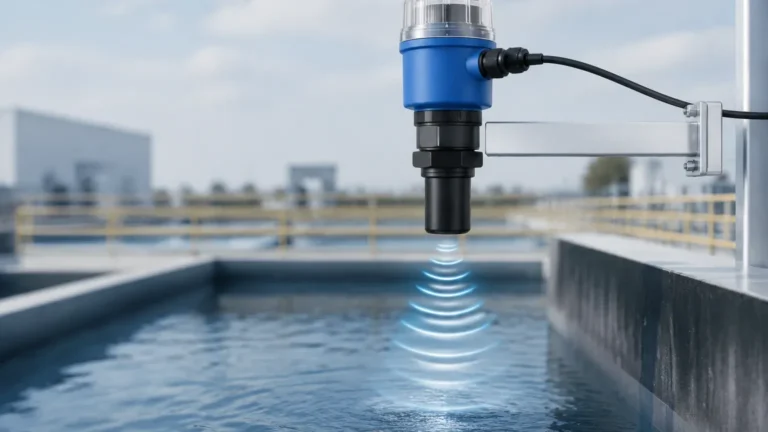
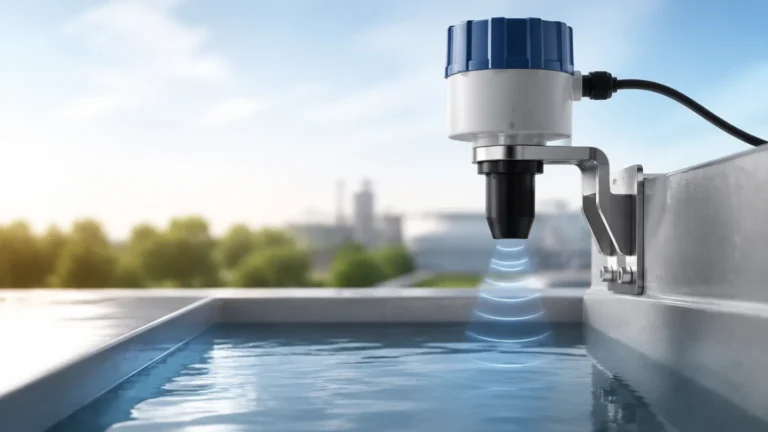
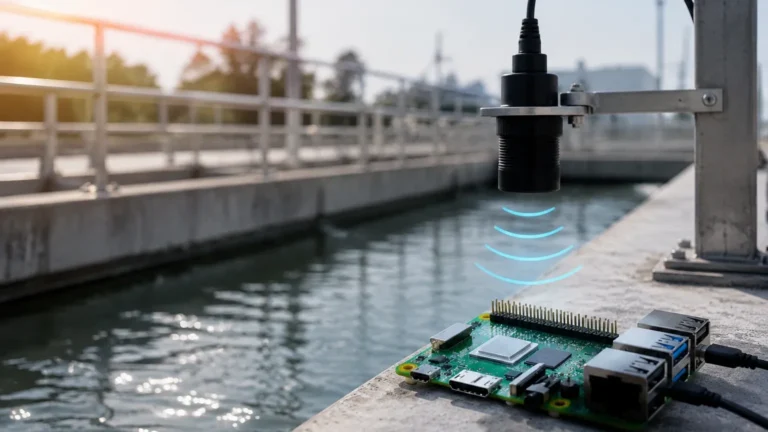
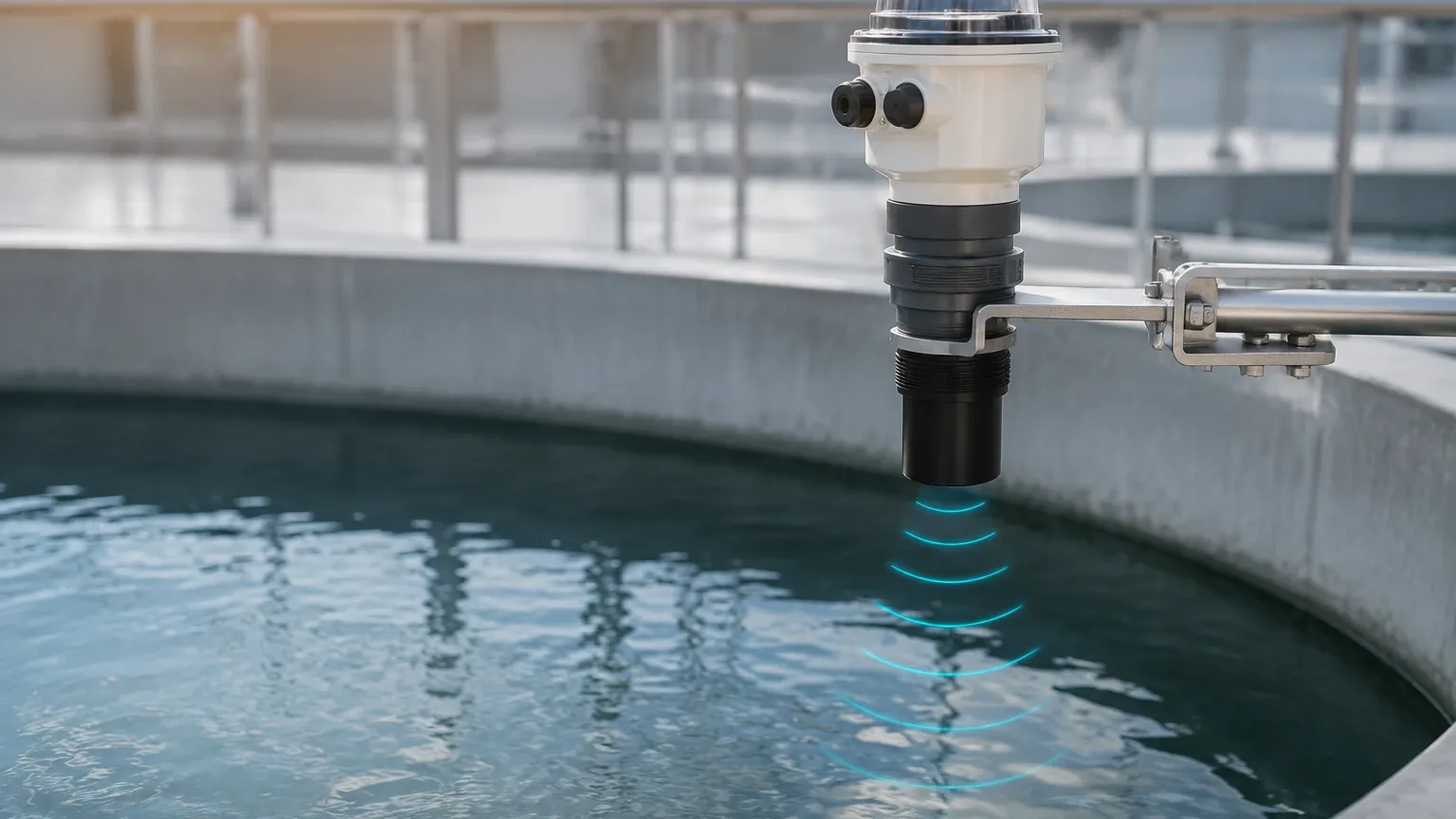
Ultrasonic level measurement is based on the "Time of Flight" (ToF) principle. The sensor's transducer contains a piezoelectric crystal that, when excited by an electrical pulse, vibrates at a specific high frequency (typically between 20 kHz and 200 kHz). This vibration generates an ultrasonic sound wave that travels through the air toward the surface of the medium being measured.
Once the sound wave hits the surface—whether it is water, chemical fluids, or bulk solids—it is reflected back as an echo. The sensor then switches to "receive mode" to capture this returning pulse. The internal microprocessor calculates the distance ($D$) based on the time elapsed ($t$) between emission and reception, using the speed of sound ($v$) in the medium (usually air):
$$D = \frac{v \times t}{2}$$
Since the total distance traveled is twice the distance from the sensor to the surface, the result is divided by two. The actual level ($L$) in the tank is then determined by subtracting the measured distance from the total height of the vessel ($H$):
$$L = H – D$$
The Role of Temperature Compensation
The speed of sound in air is not constant; it fluctuates with temperature. At 0°C, the speed of sound is approximately 331.5 m/s, and it increases by roughly 0.6 m/s for every degree Celsius rise. To maintain accuracy, high-quality Ultrasonic Level Meters and sensors like the ultrasonic level sensor schneider series include integrated temperature sensors to adjust the calculation in real-time.
Evaluating the Ultrasonic Level Sensor Schneider Ecosystem
Schneider Electric, primarily through its Telemecanique Sensors brand (specifically the OsiSense XX range), provides ultrasonic solutions designed for seamless integration into industrial control architectures. When engineers specify an ultrasonic level sensor schneider, they are typically looking for compatibility with PLC systems such as the Modicon M221 or M241.
These sensors are characterized by their ruggedness and ability to operate in harsh environments. Key features often include:
- Standardized Outputs: Support for 4-20 mA analog signals, 0-10V, or discrete PNP/NPN outputs.
- Synchronization: The ability to synchronize multiple sensors to prevent cross-talk when sensors are mounted in close proximity.
- Configurability: Software-based setup for defining window limits, hysteresis, and response times.
While Schneider's offerings are excellent for general factory automation and conveyor systems, specialized manufacturers like Welk focus on dedicated Ultrasonic Level Meters that cater to complex process industry requirements, such as deep-well measurement and chemical-resistant housings.
Technical Selection Criteria and Practical Comparison
Choosing the right sensor requires an analysis of the application environment. Factors such as the range, the chemical nature of the medium, and the required output protocol are paramount.
Selection Table: Ultrasonic Sensor Categories
| Feature | Compact Industrial Sensor | High-Performance Level Meter |
| :— | :— | :— |
| Typical Range | 0.1m to 8m | 0.3m to 30m |
| Housing Material | PBT Plastic / Stainless Steel | PVDF / PTFE / Cast Aluminum |
| Display | LED Indicators (usually) | Integrated Backlit LCD |
| Connectivity | M12 Connector | Terminal Block / Gland Entry |
| Protection Rating | IP67 | IP67 / IP68 |
| Common Use Case | Object detection, small tanks | Wastewater treatment, large silos |
When selecting an ultrasonic level sensor schneider, engineers often prioritize the compact M18 or M30 cylindrical form factors for space-constrained applications. However, for large-scale industrial tanks, a dedicated level meter with a larger transducer face is often required to provide the necessary acoustic power to cover distances exceeding 10 meters.
Installation Guidelines for Optimal Accuracy
Correct installation is the most critical factor in the performance of any ultrasonic instrument. Even the most advanced ultrasonic level sensor schneider or Welk meter will fail if physical constraints are ignored.
1. The Dead Zone (Blocking Distance)
Every ultrasonic transducer has a "dead zone" or "blanking distance" immediately in front of the sensor face. In this region, the sensor cannot receive an echo because the crystal is still vibrating from the emission pulse. Typical dead zones range from 100mm to 800mm depending on the frequency. The sensor must be mounted high enough so that the maximum liquid level never enters this zone.
2. Beam Angle and Obstructions
Ultrasonic waves spread in a cone shape, typically between 6° and 12°. It is essential to ensure that no internal tank structures—such as ladders, heating coils, or agitators—intersect this cone. If an obstruction is unavoidable, many modern Ultrasonic Level Meters offer "false echo suppression," allowing the software to ignore reflections from fixed objects.
3. Mounting Position
- Avoid the Center: In rounded or domed tanks, mounting the sensor in the exact center can cause multiple reflections that confuse the processor.
- Distance from Wall: The sensor should be placed at a distance from the tank wall of at least 1/10th of the total height to prevent wall-echo interference.
- Perpendicularity: The sensor face must be perfectly parallel to the liquid surface to ensure the echo returns directly to the transducer.
Environmental Limitations and Mitigation
While ultrasonic technology is versatile, it has physical boundaries that engineers must respect to avoid measurement errors.
Foam and Turbulence
Heavy foam on the surface of a liquid acts as an acoustic absorber, soaking up the sound wave rather than reflecting it. In such cases, the sensor may report a "Lost Echo" error. If foam is present, a radar level meter or a hydrostatic pressure transmitter may be more appropriate. For light turbulence, increasing the damping or response time in the sensor settings can stabilize the reading.
Vacuum and Pressure
Sound requires a medium (air or gas) to travel. Therefore, ultrasonic sensors cannot function in a vacuum. Similarly, high-pressure environments change the density of the air, significantly affecting the speed of sound and requiring complex compensation that standard sensors may not support.
Vapor and Dust
Heavy steam or chemical vapors can change the composition of the air in the tank, altering the speed of sound. Furthermore, extreme dust in silos can attenuate the signal. For these applications, choosing a sensor with a high power output and a lower frequency (which penetrates dust better) is recommended.
Choosing Welk Ultrasonic Level Meters for Industrial Automation
While the ultrasonic level sensor schneider provides a reliable solution for general automation and PLC-integrated sensing, Welk offers specialized Ultrasonic Level Meters designed for the rigors of the process industry. Welk's instruments are engineered with advanced signal processing algorithms that excel in challenging conditions, such as wastewater sumps with fluctuating temperatures or chemical storage tanks requiring high corrosion resistance.
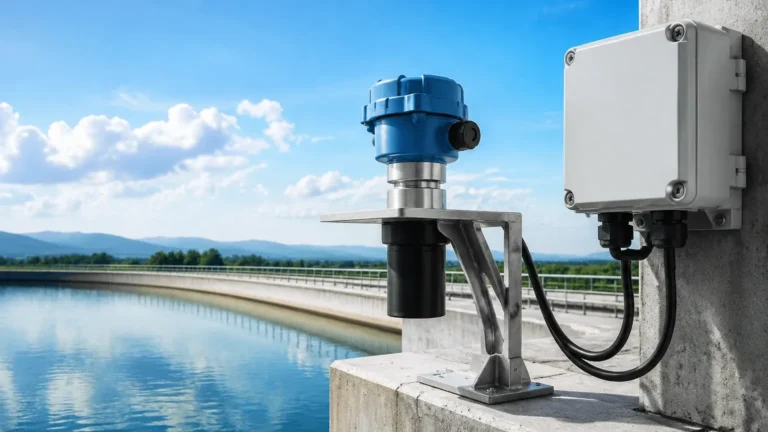
Welk provides both integrated and split-type (remote) ultrasonic meters. The split-type models allow the electronics and display to be mounted at eye level or in a control room, while the transducer is located at the top of the tank. This is particularly useful in hazardous areas or where the tank top is difficult to access for maintenance.
Frequently Asked Questions (FAQ)
Q: Can an ultrasonic level sensor schneider be used for solids?
A: Yes, but with caveats. Solids like grain or plastic pellets do not have a flat surface; they form a cone. This scatters the sound waves, reducing the effective range of the sensor. It is generally recommended to de-rate the sensor's maximum range by 50% when measuring solids.
Q: How do I handle condensation on the sensor face?
A: Condensation can cause the sensor to "see" a high-level alarm because it reflects the sound immediately. Some Welk Ultrasonic Level Meters feature a self-cleaning transducer face or a specialized coating to minimize droplet formation. Mounting the sensor with a slight tilt (less than 2 degrees) can also help droplets run off.
Q: What is the difference between an ultrasonic sensor and a radar sensor?
A: Ultrasonic sensors use sound waves and are affected by air temperature and density. Radar sensors use electromagnetic waves, which are unaffected by temperature or vacuum but are influenced by the dielectric constant of the material being measured. Ultrasonic is generally more cost-effective for standard water and chemical applications.
Q: Is it possible to shorten the dead zone?
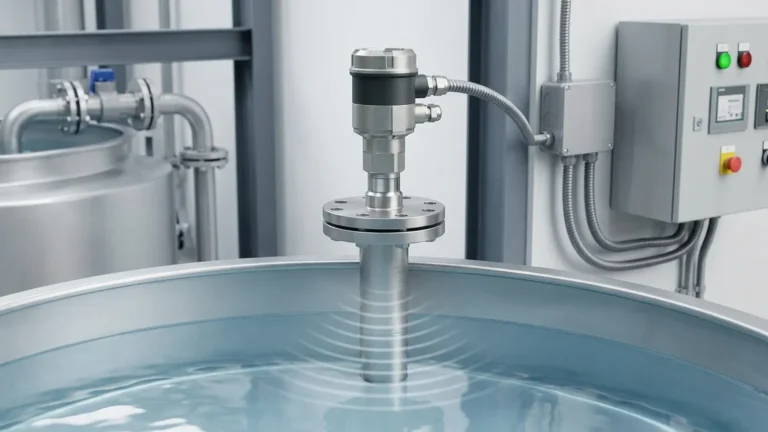
A: The dead zone is a physical property of the transducer's frequency. Higher frequency sensors have smaller dead zones but shorter total ranges. To effectively "shorten" it for a specific tank, you can mount the sensor on a stand-off pipe (nozzle), provided the pipe is wide enough to prevent internal reflections.
By understanding these technical nuances, engineers can confidently specify the correct instrumentation—whether it is an ultrasonic level sensor schneider for a machine-level application or a Welk Ultrasonic Level Meter for a plant-wide process control system—ensuring accurate, long-term performance in any industrial environment.