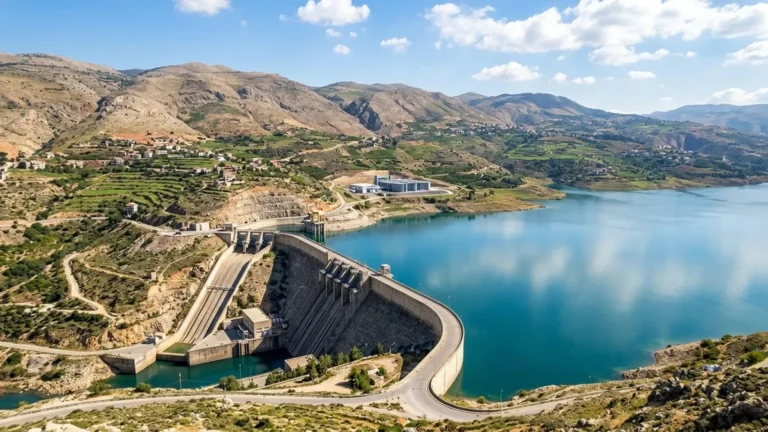
Ultrasonic Level Sensor South Africa
Ultrasonic Level Sensor South Africa: A Comprehensive Engineering Guide to Selection and Application
In the industrial landscape of South Africa, efficient resource management is a cornerstone of operational success. From the deep-level mining operations in the North West to the extensive water treatment facilities in Gauteng and the agricultural hubs of the Western Cape, accurate liquid and solid level monitoring is essential. Among the various technologies available, Ultrasonic Level Meters have emerged as a preferred solution due to their non-contact nature, reliability, and cost-effectiveness.
This guide explores the technical principles, selection criteria, and installation best practices for an ultrasonic level sensor in South Africa, providing engineers and procurement specialists with the factual data required to optimize their process control systems.
Understanding the Measurement Principle
Before selecting a specific instrument, it is vital to understand the physics governing ultrasonic technology. Ultrasonic sensors operate on the "Time of Flight" (ToF) principle.
The Transducer and Sound Waves
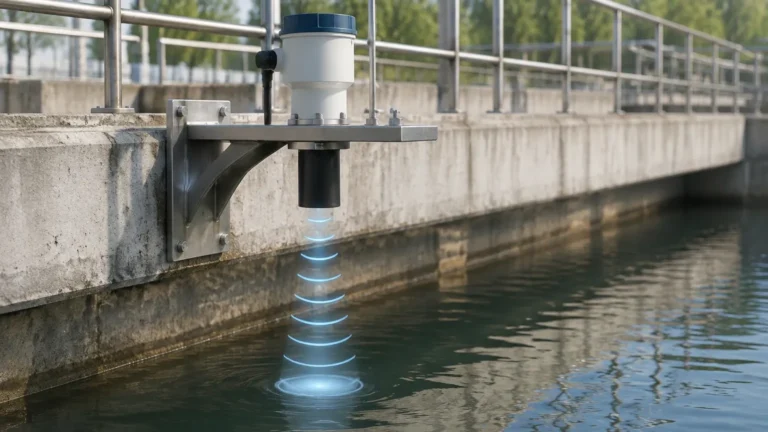
The core component of the sensor is the piezoelectric transducer, which acts as both a transmitter and a receiver. The device emits high-frequency sound pulses (typically between 20 kHz and 200 kHz). These sound waves travel through the air or gas medium until they strike the surface of the material being measured.
Distance Calculation
Upon hitting the surface, the sound waves are reflected back to the sensor. The instrument’s internal microprocessor measures the time interval between the emission of the pulse and the reception of the echo. The distance is calculated using the formula:
Distance = (Speed of Sound × Time) / 2
Since the speed of sound in air is approximately 343 meters per second at 20°C, the sensor can determine the distance to the product surface with high precision. By subtracting this distance from the total tank height (the calibration span), the device provides the actual level of the material.
Temperature Compensation
The speed of sound is heavily influenced by air temperature. In South African environments, where ambient temperatures can fluctuate significantly between day and night, integrated temperature compensation is a critical feature. Most professional-grade Ultrasonic Level Meters include a built-in temperature sensor to adjust the calculation in real-time, ensuring accuracy across varying thermal conditions.
Why Use an Ultrasonic Level Sensor in South Africa?
The South African industrial sector faces unique challenges, including water scarcity and the need for robust equipment in remote locations. Ultrasonic sensors offer several advantages:
1. Non-Contact Measurement: Because the sensor never touches the medium, it is ideal for corrosive chemicals, wastewater, and abrasive slurries common in mining.
2. Low Maintenance: With no moving parts to wear out or probes to coat with residue, long-term maintenance costs are significantly lower than mechanical or contact-based systems.
3. Versatility: These sensors are effective for both liquids and certain types of bulk solids, making them a flexible choice for diverse industries.
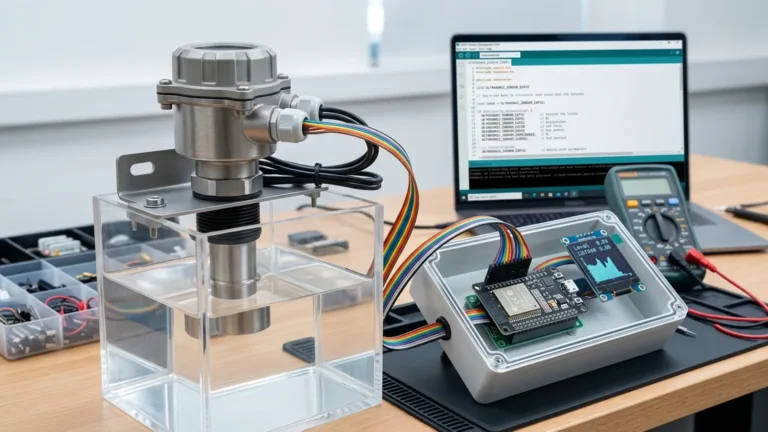
4. Ease of Integration: Modern sensors offer standard industrial outputs, such as 4-20mA, HART, or RS485 Modbus, allowing for seamless integration into existing SCADA or PLC systems.
Practical Selection Criteria and Comparison
Choosing the right ultrasonic level sensor in South Africa requires a detailed analysis of the application environment. The following table provides a comparison of typical specifications for industrial-grade ultrasonic meters.
Selection Table: Ultrasonic Level Meter Specifications
| Feature | Standard Series | Long-Range Series | Chemical/Explosion-Proof |
| :— | :— | :— | :— |
| Measurement Range | 0.3m to 10m | 0.5m to 30m | 0.3m to 15m |
| Accuracy | ±0.25% to 0.5% of span | ±0.25% of span | ±0.2% of span |
| Output Signal | 4-20mA / RS485 | 4-20mA / HART | 4-20mA / HART / Modbus |
| Power Supply | 24V DC / 220V AC | 24V DC | 24V DC (Intrinsically Safe) |
| Enclosure Rating | IP66 / IP67 | IP67 | IP68 / Ex d IIB T6 |
| Operating Temp. | -20°C to +60°C | -40°C to +80°C | -40°C to +70°C |
| Beam Angle | 9° to 12° | 6° to 9° | 5° to 8° |
Key Evaluation Factors
* Measuring Range: Always select a sensor with a range slightly exceeding the maximum height of your vessel to avoid signal loss at the bottom of the tank.
* Beam Angle: A narrower beam angle is preferable for tall, narrow tanks or vessels with internal obstructions like ladders or agitators.
* Dead Zone (Blocking Distance): Every ultrasonic sensor has a minimum distance (dead zone) near the face of the transducer where measurement is impossible. Ensure your maximum fill level does not enter this zone.
Installation Considerations for Optimal Performance
Correct installation is the most significant factor in the success of an ultrasonic level sensor in South Africa. Engineers should adhere to the following guidelines:
1. Positioning and Alignment
The sensor must be mounted perpendicular to the surface of the material. If the sensor is tilted, the echo may reflect away from the transducer, resulting in a "Lost Echo" error. In tanks with domed tops, avoid mounting the sensor in the exact center, as the shape can focus unwanted secondary reflections.
2. Avoiding Obstructions
The ultrasonic pulse spreads out as it travels (the beam angle). Any internal structures within this "cone"—such as cooling coils, support beams, or inlet pipes—will create false echoes. If obstructions are unavoidable, many modern meters feature "False Echo Suppression" software, allowing the user to map out and ignore these static reflections.
3. Environmental Protection
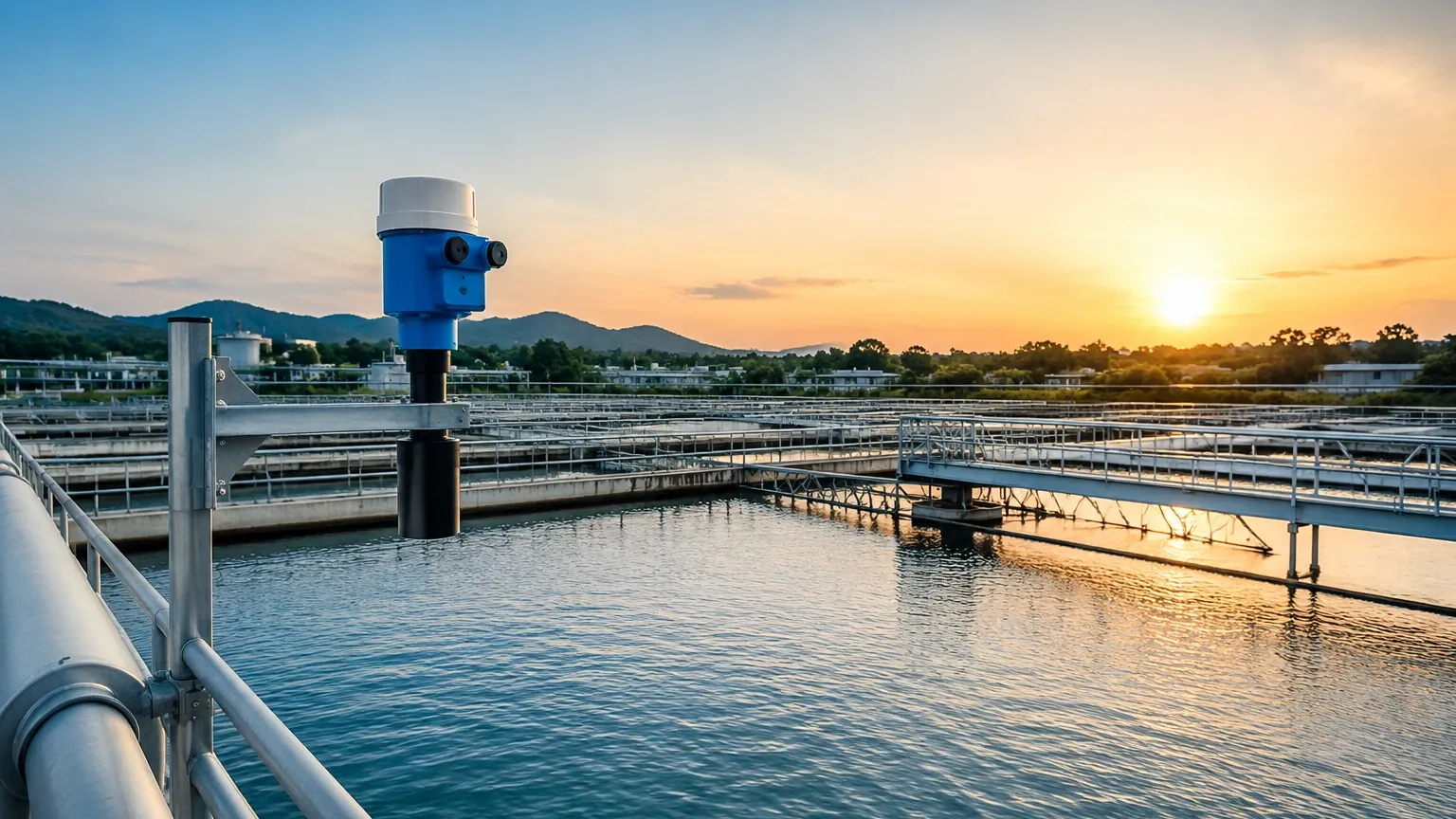
In South African outdoor installations, sensors are exposed to intense UV radiation and heavy seasonal rains. Using a sunshade or protective canopy can prevent overheating of the electronics and reduce the impact of heavy rain droplets on the transducer face, which can temporarily attenuate the signal.
4. Stilling Wells
In applications where the liquid surface is extremely turbulent or covered in light foam, installing the sensor inside a stilling well (a vertical pipe) can provide a stable surface for measurement. The pipe must be vented at the top to ensure the level inside the pipe matches the level in the tank.
Limitations of Ultrasonic Technology
While highly versatile, ultrasonic level meters are not suitable for every application. Engineers should be aware of the following limitations:
* Vacuum Conditions: Sound waves require a medium (air or gas) to travel. Therefore, ultrasonic sensors cannot function in a vacuum.
* Heavy Foam: Thick, dense foam absorbs the sound pulse rather than reflecting it. In these cases, radar or hydrostatic level transmitters are often better alternatives.
* High Pressure and Temperature: Extreme pressure changes the density of the air, affecting the speed of sound beyond what standard compensation can handle. Similarly, temperatures exceeding 80°C to 100°C can damage standard piezoelectric crystals.
* Dust and Steam: While light dust is manageable, extremely heavy dust (in cement silos) or thick steam can scatter the ultrasonic signal.
Common Applications in South Africa
Water and Wastewater Management
Municipalities across South Africa utilize ultrasonic sensors for monitoring reservoir levels and open channel flow measurement (using Flumes or Weirs). The IP68-rated versions are particularly effective for sewage lift stations where the environment is humid and corrosive.
Chemical Processing
In the chemical manufacturing sectors of Durban and Port Elizabeth, ultrasonic sensors are used to monitor bulk storage tanks containing acids and alkalis. The non-contact design ensures the sensor body (often made of PVDF or PTFE) remains unaffected by the medium.
Agriculture and Boreholes
With the increasing reliance on groundwater, an ultrasonic level sensor in South Africa is often deployed to monitor borehole depths and irrigation dam levels. Battery-powered or solar-integrated units are frequently used in these remote agricultural settings.
Frequently Asked Questions (FAQs)
Q: Can ultrasonic sensors measure the level of solids like grain or coal?
A: Yes, but with caveats. Solids do not reflect sound as efficiently as liquids and often have an uneven surface (angle of repose). A sensor with a higher power output and a narrower beam angle is usually required for solids.
Q: How does wind affect outdoor ultrasonic level measurement?
A: Strong winds can "blow" the sound pulse away or create air turbulence that affects the signal. In very windy areas, using a stilling well or switching to radar technology is recommended.
Q: What is the difference between a 2-wire and a 4-wire ultrasonic meter?
A: A 2-wire sensor uses the same two wires for both power supply and the 4-20mA output signal, which simplifies wiring. A 4-wire sensor has separate wires for power and signal, typically allowing for higher power consumption and stronger pulses for difficult applications.
Q: Is it necessary to calibrate the sensor for different liquids?
A: Generally, no. Since the sensor measures the distance to the surface, the chemical composition of the liquid does not matter, provided it does not produce heavy vapors that change the speed of sound in the air space.
Conclusion
Selecting the appropriate ultrasonic level sensor in South Africa involves a balance of technical requirements, environmental factors, and budgetary constraints. By understanding the ToF principle and accounting for the specific challenges of the South African climate and industrial landscape, engineers can implement a measurement solution that provides accurate data for years to come. For those requiring high-precision instruments with advanced features like false echo suppression and robust temperature compensation, exploring professional Ultrasonic Level Meters is the recommended next step in project planning.