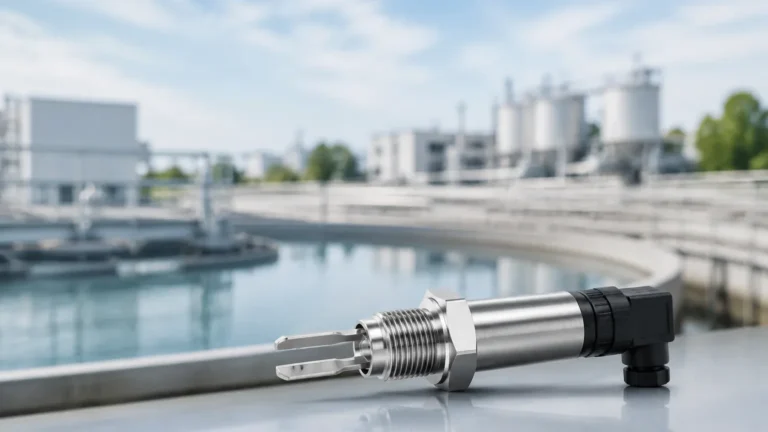
Magnetrol Level Switches
Magnetrol Level Switches
In the landscape of industrial process control, point level detection serves as a critical safeguard for overfill prevention, pump protection, and automated inventory management. Among the most recognized names in this sector, Magnetrol level switches have established a legacy based on mechanical robustness and reliability in extreme environments. For engineers and plant operators, understanding the underlying principles of these devices—and the broader category of industrial Level Switches—is essential for ensuring plant safety and operational efficiency.
This guide examines the technical foundations of buoyancy and thermal dispersion technologies, provides selection criteria for various industrial applications, and outlines the practical considerations required when integrating these instruments into complex process loops.
Measurement Principles of Point Level Detection
Before selecting a specific instrument, it is vital to understand how different technologies interact with the process media. Magnetrol level switches and similar high-end industrial sensors typically utilize one of three primary physical principles: buoyancy (float/displacer), thermal dispersion, or ultrasonic gap technology.
1. Buoyancy-Based Switches (Float and Displacer)
Buoyancy is the most traditional method for liquid level detection. It relies on Archimedes' principle, which states that a body immersed in a fluid is buoyed up by a force equal to the weight of the fluid displaced.
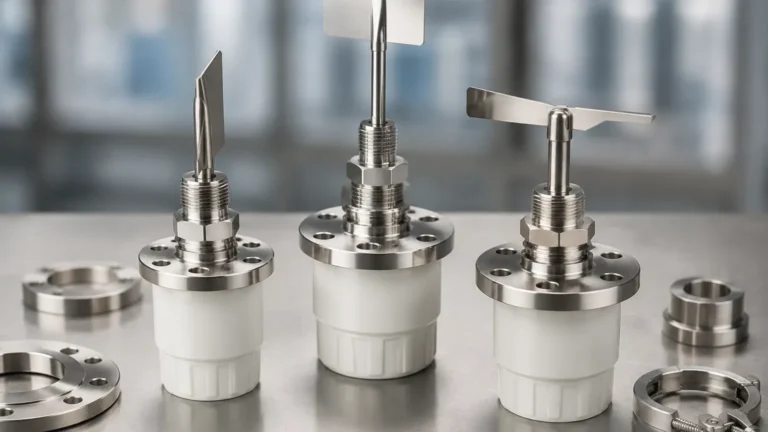
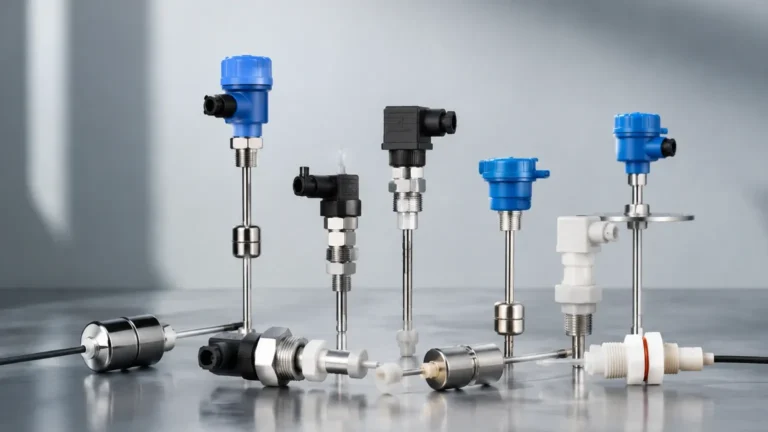
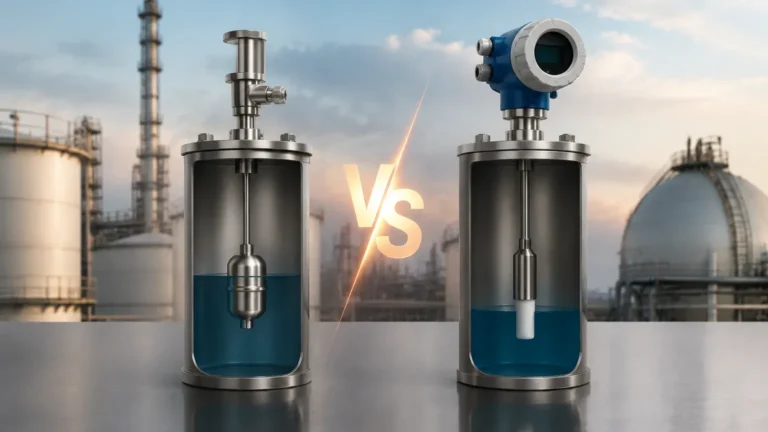
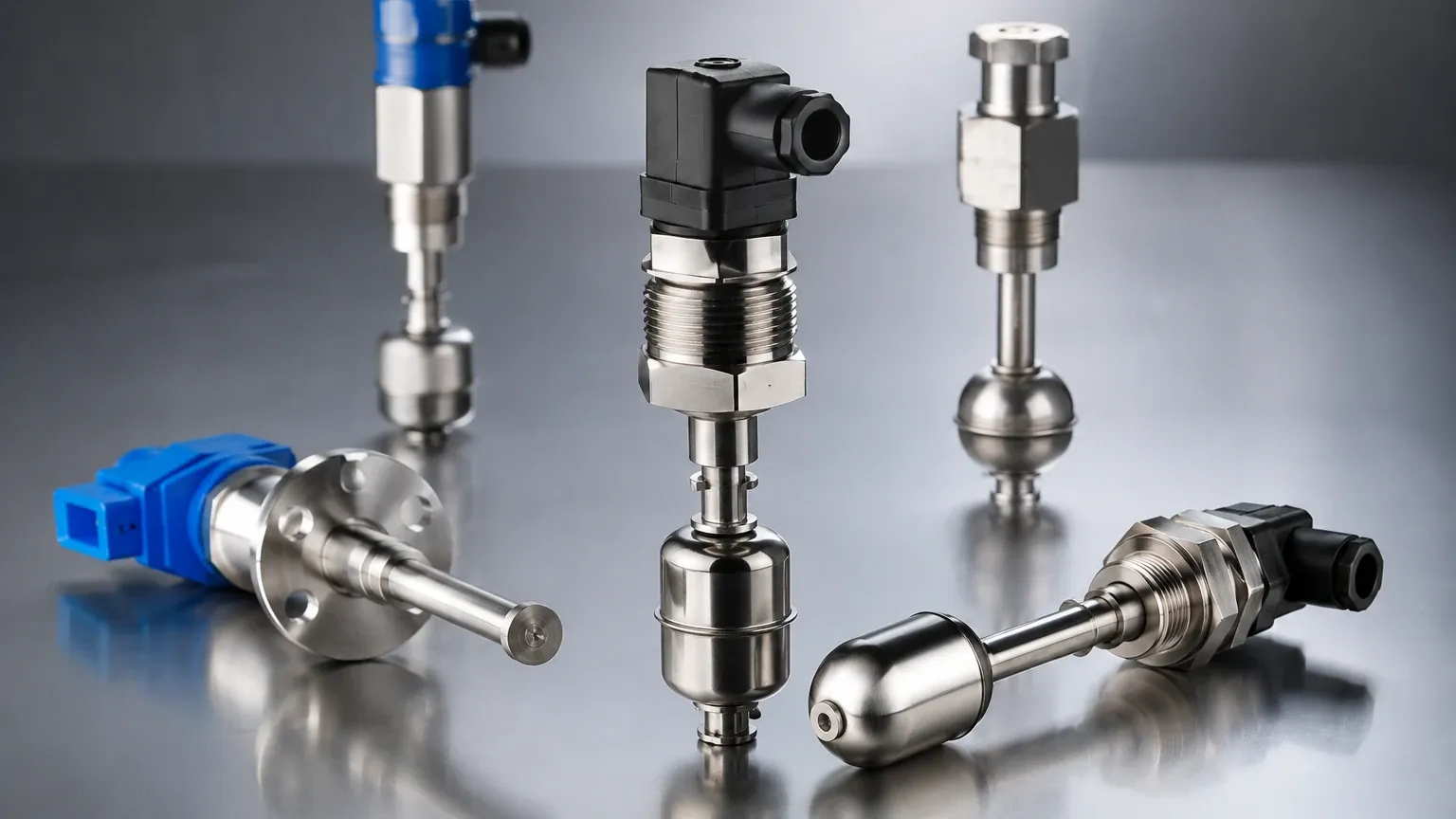
* Float Switches: These utilize a float that is specifically weighted to be more buoyant than the process liquid. As the liquid level rises, the float moves physically. In magnetic designs, the float is attached to a rod with an internal magnet. When the float reaches a predetermined point, the magnet actuate a reed switch or a microswitch located outside the process pressure boundary.
* Displacer Switches: Unlike floats, displacers are heavier than the liquid and are suspended by a spring. When liquid rises and covers the displacer, the buoyant force reduces the effective weight of the displacer. This change in weight allows the spring to retract slightly, moving a magnetic sleeve into the field of an external switch mechanism. Displacers are often preferred for turbulent liquids or applications involving high pressures, as they do not "bounce" as easily as floats.
2. Thermal Dispersion
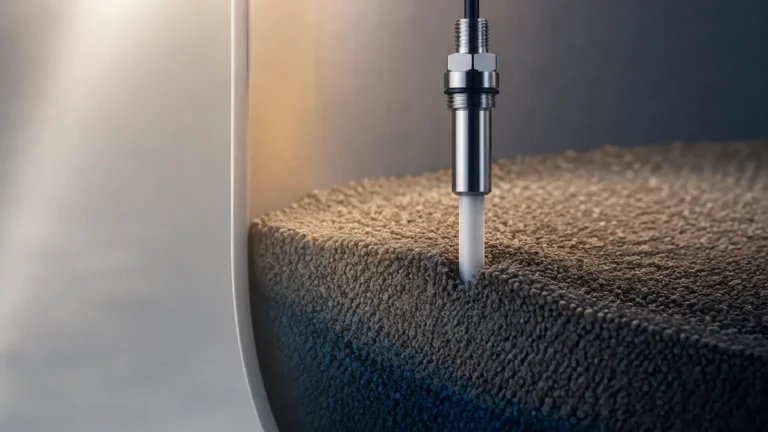
Thermal dispersion switches are solid-state devices with no moving parts. The sensor tip consists of two RTD (Resistance Temperature Detector) elements. One is heated, and the other remains at the ambient temperature of the process.
When the sensor is in gas (air or vapor), the heat dissipation is low, creating a high temperature differential between the two RTDs. When the liquid (which has higher thermal conductivity) reaches the sensor, it carries the heat away rapidly, narrowing the temperature differential. This change triggers the switch output. This technology is highly effective for detecting interfaces between different media or for flow/no-flow detection.
3. Ultrasonic Gap Technology
These switches feature a sensor with a small gap. An ultrasonic signal is transmitted across the gap. When the gap is filled with air, the signal is attenuated; when liquid fills the gap, the signal passes through easily, triggering the relay. This is ideal for clean liquids where density changes might affect buoyancy-based systems.
Key Evaluation Criteria for Magnetrol Level Switches
When evaluating magnetrol level switches or equivalent high-performance instruments, engineers must look beyond the basic "on/off" function. The reliability of a point level switch is determined by its ability to withstand the chemical and physical stresses of the application.
Media Properties
* Specific Gravity (SG): For buoyancy switches, the SG of the liquid is the most critical factor. A float designed for water (SG 1.0) may not float in a light hydrocarbon (SG 0.6). Conversely, a displacer must be calibrated for the specific density of the fluid to ensure the spring tension responds correctly.
* Viscosity: High-viscosity liquids can cause mechanical "drag" on floats and displacers. In such cases, thermal dispersion or non-contacting methods are often superior.
* Coating and Scaling: If the media tends to crystallize or leave deposits, mechanical switches may stick. Thermal dispersion switches can also be affected if the coating acts as an insulator, though many modern designs include compensation for light coating.
Process Conditions
* Temperature and Pressure: Industrial level switches often operate in extreme environments, such as boiler steam drums or cryogenic storage. Mechanical magnetic switches are valued here because the switching mechanism is completely isolated from the process pressure by a non-magnetic pressure tube.
* Turbulence and Foam: In tanks with heavy agitation, a standard float switch may provide false triggers. Displacer switches or switches installed within a stilling well (bypass chamber) are the standard solution for these environments.
Technical Selection Table
The following table provides a general comparison of common point level technologies used in B2B industrial applications.
| Technology | Media Type | Max Temp (Approx.) | Max Pressure (Approx.) | Best For |
| :— | :— | :— | :— | :— |
| Float Switch | Clean Liquids | 250°C (480°F) | 70 bar (1000 psi) | Simple tank high/low alarms |
| Displacer Switch | Turbulent Liquids | 400°C (750°F) | 345 bar (5000 psi) | Oil/Gas separators, Heavy industrial |
| Thermal Dispersion | Liquids & Slurries | 200°C (390°F) | 200 bar (3000 psi) | Interface detection, Pump protection |
| Ultrasonic Gap | Clean Liquids | 150°C (300°F) | 100 bar (1450 psi) | Highly repeatable chemical dosing |
Installation Considerations and Best Practices
Correct installation is as important as instrument selection. Even the highest quality magnetrol level switches can fail if the physical mounting ignores fluid dynamics or mechanical clearances.
1. Stilling Wells and Cages: For applications involving agitation or surface waves, buoyancy switches should be mounted in a stilling well or an external cage. This provides a "quiet" column of liquid, preventing the switch from rapidly cycling (chattering), which can damage pumps and contactors.
2. Orientation: While many thermal switches can be mounted in any orientation, buoyancy switches are typically gravity-dependent. Displacer switches must be mounted vertically. Float switches may be side-mounted or top-mounted depending on the specific model design.
3. Magnetic Interference: Since many industrial level switches rely on magnetic coupling, they should be kept away from large motors, transformers, or high-voltage lines that could create electromagnetic interference (EMI), potentially causing the internal magnetic sleeve to move unexpectedly.
4. Wiring and Conduits: Always use the recommended conduit seals (EYS or similar) in hazardous areas to prevent the migration of gases through the wiring system. Ensure the housing cover is tightened to the manufacturer's torque specifications to maintain the NEMA or IP rating.
Common Risks and Limitations
While magnetrol level switches are engineered for longevity, they are not universal solutions. Users should be aware of the following limitations:
* Mechanical Wear: Any device with moving parts—such as the pivots in a float switch or the spring in a displacer—is subject to fatigue over decades of operation. Regular proof-testing is required in safety-instrumented systems (SIS).
* Specific Gravity Shifts: If a process involves different fluids at different times (batch processing), a buoyancy switch calibrated for one fluid may fail to operate correctly for another. In these scenarios, a technology independent of density, such as thermal dispersion, is preferred.
* Particulate Matter: In heavy slurries or liquids with high solids content, particles can lodge in the narrow clearances of a displacer's pressure tube or the pivot point of a float, leading to a "stuck" condition.
Frequently Asked Questions (FAQ)
Q: Can magnetrol level switches be used for interface detection?
A: Yes. Displacer switches are particularly adept at interface detection (e.g., oil over water). By adjusting the weight of the displacer and the spring tension, the switch can be tuned to respond only when the heavier liquid reaches the sensor.
Q: What is the advantage of a magnetic coupling in a level switch?
A: The primary advantage is the elimination of seals or bellows that could leak. The process fluid is entirely contained within a pressure-tight tube, and the switching mechanism is activated through the tube wall via magnetic force.
Q: How often should these switches be calibrated?
A: Mechanical buoyancy switches generally do not require "calibration" in the traditional sense, but they do require periodic functional testing. Thermal switches may require a zero-point check annually depending on the stability of the electronics and the severity of the process environment.
Q: Are there mercury-free options available?
A: Yes. While older level switches used mercury tilt switches, modern industrial versions use dry contact microswitches or hermetically sealed reed switches to comply with environmental regulations and safety standards.
Conclusion
Selecting the right point level measurement solution requires a balance between process compatibility, mechanical durability, and maintenance requirements. Magnetrol level switches remain a benchmark for reliability in the B2B sector, particularly in high-pressure and high-temperature applications where solid-state electronics might struggle. By understanding the physics of buoyancy and thermal dispersion, and by adhering to strict installation guidelines, plant engineers can ensure long-term accuracy and safety in their level control loops.
For those seeking customized OEM/ODM solutions or alternative high-performance instruments, exploring the full range of Level Switches is the first step toward optimizing industrial automation and water treatment processes. Whether the application demands the simplicity of a float or the advanced detection of thermal dispersion, matching the technology to the specific gravity and temperature of the media is the foundation of successful engineering.