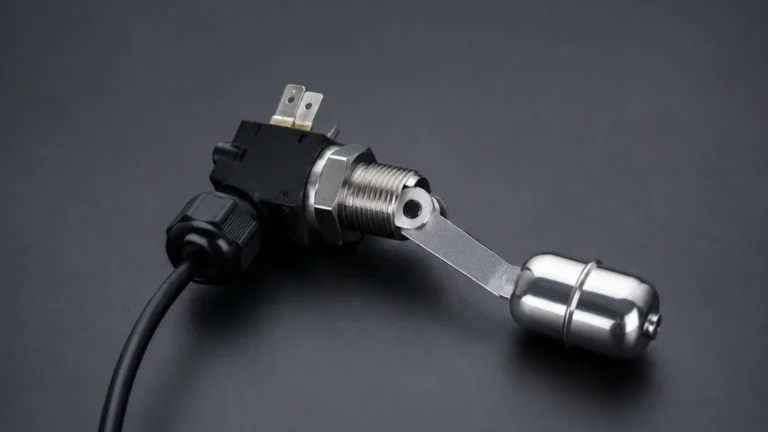
Level Switch Trimod Besta
Level Switch Trimod Besta
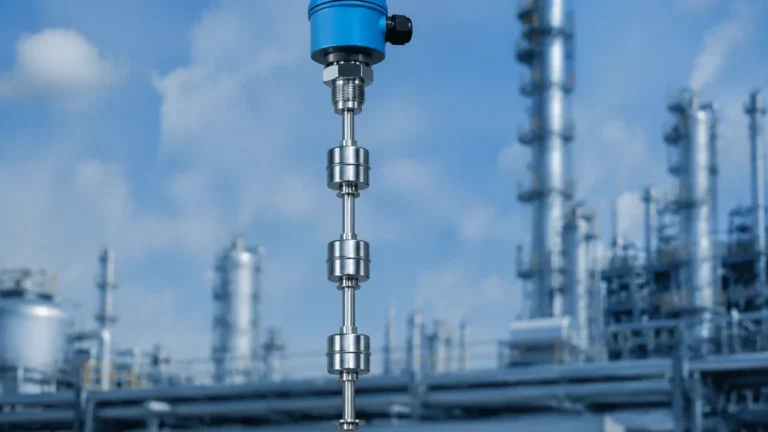
In the landscape of industrial process control, the reliability of point level detection is paramount for safety, efficiency, and environmental protection. Among the various technologies available, the level switch trimod besta stands out as a highly versatile and robust solution. This modular system, based on the principle of buoyancy and magnetic coupling, allows for thousands of possible configurations to meet specific application requirements in industries ranging from petrochemicals to water treatment.
Selecting the right instrumentation requires a deep understanding of the underlying physics, the mechanical architecture of the device, and the specific constraints of the process environment. This guide provides a technical overview of the Trimod Besta system, its operating principles, and the criteria necessary for successful integration into industrial systems.
Understanding the Principle of Float-Operated Level Switches
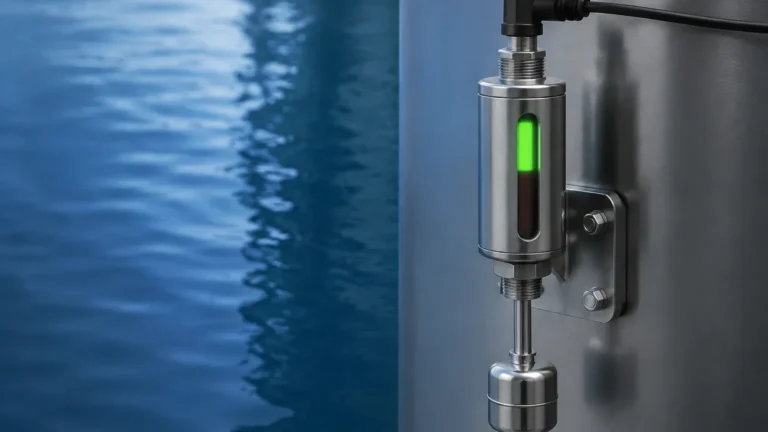
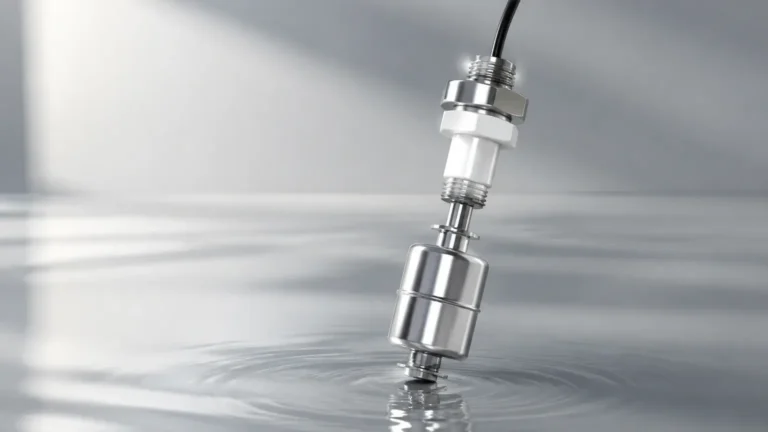
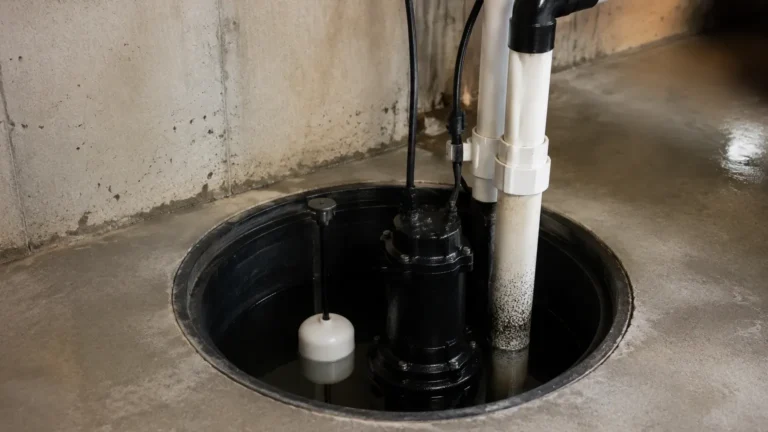
Before diving into specific product configurations, it is essential to understand the fundamental measurement principle employed by these devices. The level switch trimod besta operates on the displacement principle, utilizing a float that moves in response to the rising or falling liquid level.
The Buoyancy Effect
As the liquid level in a vessel rises, it exerts an upward force on the float according to Archimedes' principle. This force is equal to the weight of the liquid displaced by the float. When the buoyancy force exceeds the weight of the float assembly, the float moves upward. Conversely, as the level drops, gravity pulls the float back down.
Magnetic Coupling and Hermetic Separation
One of the defining features of high-quality Level Switches is the method used to transmit the float's motion to the switching element. In the Trimod Besta design, a permanent magnet is attached to the end of the float arm inside the process chamber. A corresponding magnet is located within the switch housing, which is hermetically sealed from the process.
As the float magnet moves, its magnetic field interacts with the switch magnet through a non-magnetic diaphragm (usually stainless steel or Hastelloy). This magnetic coupling ensures that there is no physical connection—and thus no leak path—between the process medium and the electrical components. This design is critical for handling hazardous, corrosive, or high-pressure fluids.
The Modular Architecture of the Trimod Besta System
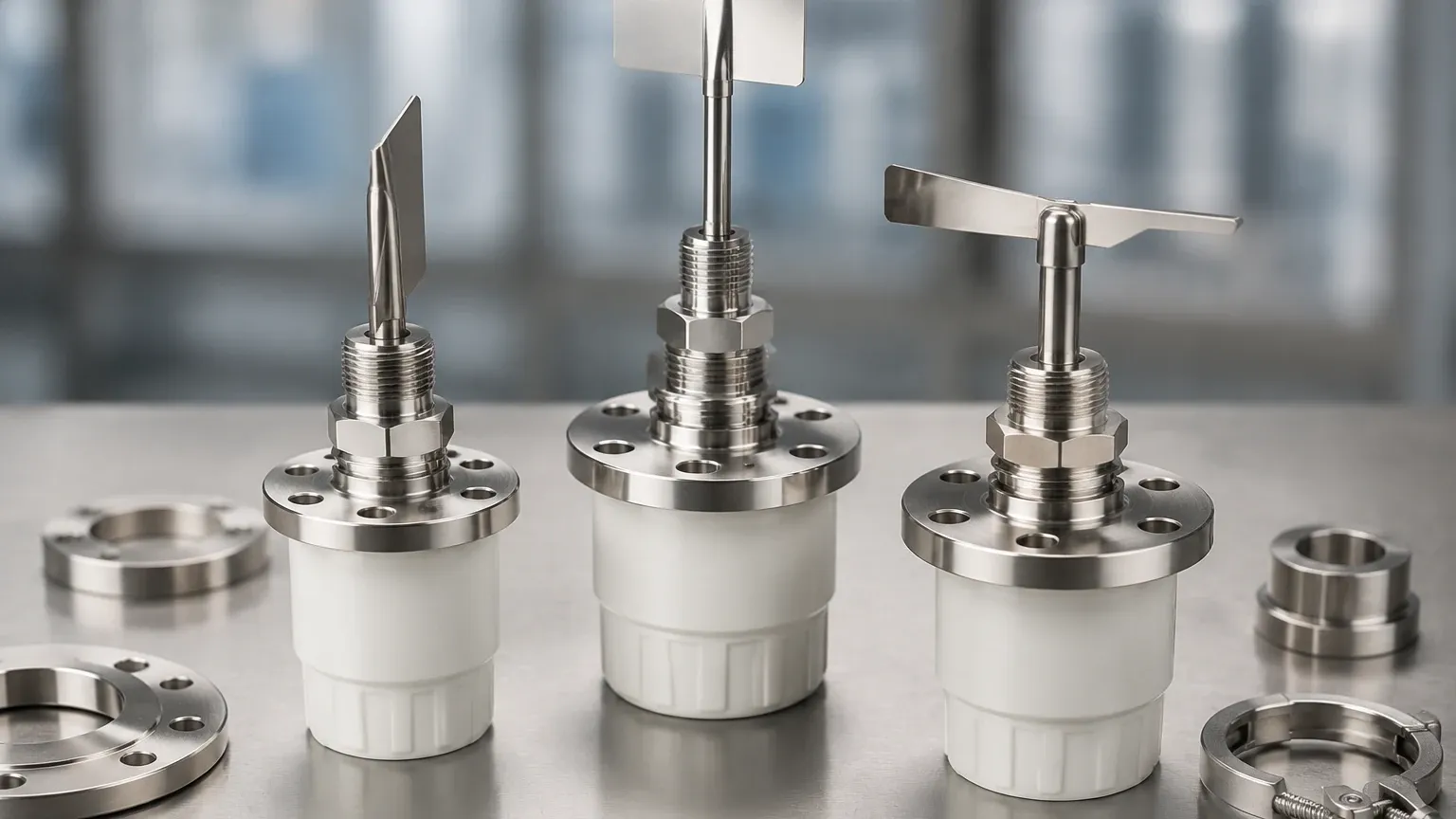
The "Trimod" name refers to the three-part modular construction that defines the system: the switch module, the flange module, and the float module. This modularity allows engineers to mix and match components to create a customized solution without the lead times associated with fully bespoke instruments.
1. The Switch Module
The switch module contains the electrical or pneumatic contact elements. Depending on the application, several types are available:
* Microswitches: Standard SPDT (Single Pole Double Throw) or DPDT (Double Pole Double Throw) configurations for basic electrical signaling.
* Proximity Switches: Used for low-current applications or where mechanical wear must be minimized.
* Pneumatic Switches: Ideal for hazardous areas where electrical power is unavailable or undesirable, providing a 0 to 6 bar output signal.
* Gold-Plated Contacts: Recommended for low-voltage/low-current PLC inputs to prevent contact oxidation.
2. The Flange Module
The flange module serves as the mechanical interface between the vessel and the switch. It defines the pressure rating and the material compatibility. Standard options include:
* Square Flanges: Often 92mm x 92mm, common in general industrial applications.
* Industrial Flanges: Compliant with DIN, ANSI, or JIS standards for integration into standardized piping systems.
* High-Pressure Flanges: Designed to withstand pressures up to PN 315 or Class 2500.
3. The Float Module
The float module is the sensing element in contact with the process media. Selection depends on the liquid's density, temperature, and chemical properties. Floats are available in various materials, including 316L stainless steel, Hastelloy, and various plastics (PP, PVDF). The length of the float arm can also be adjusted to change the switching differential or to reach further into the tank.
Key Evaluation Criteria for Selecting Level Switches
When specifying a level switch trimod besta, several technical parameters must be confirmed to ensure reliable operation and longevity. Failure to account for these factors can lead to premature sensor failure or inaccurate switching.
Media Density (Specific Gravity)
The float must be lighter than the liquid it is intended to measure. Most standard floats are designed for liquids with a density of 0.7 kg/dm³ or higher. For liquefied gases or light hydrocarbons, specialized thin-walled or oversized floats may be required to provide sufficient buoyancy.
Operating Pressure and Temperature
The combination of pressure and temperature determines the mechanical stress on the flange and the float. It is important to note that the pressure rating of a float decreases as the temperature increases. For example, a float rated for 40 bar at 20°C might only be rated for 25 bar at 250°C.
Chemical Compatibility
All wetted parts—the float, the arm, and the flange face—must be resistant to the process fluid. While stainless steel is the standard, aggressive chemicals like hydrochloric acid or seawater may require exotic alloys or plastic coatings. Welk provides a range of Level Switches with diverse material options to accommodate these requirements.
Hazardous Area Certifications
If the switch is installed in an environment with explosive gases or dust, it must carry the appropriate certifications, such as ATEX, IECEx, or CSA. The switch module must be selected as either "Ex d" (Flameproof) or "Ex i" (Intrinsically Safe) depending on the plant's safety philosophy.
Technical Specification Comparison
The following table illustrates common configurations for the level switch trimod besta system across different application tiers.
| Feature | Standard Industrial | High Temperature | Chemical/Corrosive |
| :— | :— | :— | :— |
| Switch Element | SPDT Microswitch | Ceramic Insulated Switch | Gold-plated or Pneumatic |
| Flange Material | Carbon Steel / 316SS | 316L Stainless Steel | PVDF / Hastelloy C |
| Max Temperature | 135°C (275°F) | 400°C (752°F) | 100°C (212°F) |
| Max Pressure | PN 25 (362 PSI) | PN 100 (1450 PSI) | PN 10 (145 PSI) |
| Min. Density | 0.75 kg/dm³ | 0.65 kg/dm³ | 0.80 kg/dm³ |
| Housing Rating | IP65 | IP67 / IP68 | IP66 (Corrosion Resistant) |
Installation and Commissioning Guidelines
Proper installation is as critical as correct selection. Because the level switch trimod besta is a mechanical device, its orientation and mounting environment directly impact its performance.
Mounting Orientation
These switches are typically designed for horizontal mounting on the side of a tank. The flange must be leveled to ensure the float arm moves freely in a vertical arc. If the switch is tilted, the switching point will shift, and the internal friction may increase, leading to "sticking."
Nozzle Dimensions
The mounting nozzle on the tank must be wide enough to allow the float to pass through and long enough to ensure the float does not hit the nozzle walls during its full range of motion. For long-arm floats, the nozzle diameter usually needs to be at least 80mm to 100mm.
Seal and Gasket Selection
The gasket between the switch flange and the tank flange must be compatible with the process fluid and capable of sealing at the maximum operating pressure. For high-temperature applications, graphite or spiral-wound gaskets are preferred over standard elastomers.
Wiring and Grounding
Electrical connections should follow local codes. It is highly recommended to use shielded cables for signal integrity, especially when connecting to high-sensitivity PLC inputs. The switch housing must be properly grounded to prevent static buildup, particularly in hazardous areas.
Operational Limitations and Environmental Factors
While the level switch trimod besta is exceptionally durable, it is not suitable for every application. Engineers should be aware of the following limitations:
1. Viscosity: High-viscosity liquids (typically above 5000 cSt) can impede the motion of the float or cause it to stick to the tank wall. In such cases, non-contact methods like radar or ultrasonic sensors may be more appropriate.
2. Turbulence: In tanks with heavy agitation or high-velocity inflow, the float can bounce erratically, leading to "chattering" of the switch contacts. This can be mitigated by installing a stilling well (a vertical pipe that shields the float from turbulence).
3. Build-up and Scaling: If the liquid tends to crystallize or leave heavy deposits, the buildup on the float arm or the pivot point can eventually prevent motion. Regular inspection is required in these environments.
4. Vibration: Extreme mechanical vibration from nearby pumps or motors can cause premature wear on the microswitch or even accidental triggering. Using a switch module with high vibration resistance or remote mounting the electronics can help.
Frequently Asked Questions (FAQs)
Q: Can the switching point be adjusted after installation?
A: In the standard level switch trimod besta, the switching point is fixed relative to the flange center. However, by using different float arm lengths or offset arms, the switching point can be customized during the ordering process. For field adjustment, some models offer adjustable differentials.
Q: How do I test the switch without filling the tank?
A: Many Trimod Besta modules include a manual test actuator. This allows an operator to mechanically move the internal switch mechanism from the outside, simulating a high or low-level condition to verify the electrical circuit and alarm logic.
Q: Is it possible to replace the switch module while the tank is under pressure?
A: Yes. Because the switch module is magnetically coupled and hermetically separated from the process by a solid diaphragm, you can remove the switch housing for maintenance or replacement without depressurizing the vessel or risking a leak.
Q: What is the difference between a standard float and a "sandwich" float?
A: A sandwich float is often used for interface measurement (detecting the boundary between two immiscible liquids, like oil and water). The float is weighted so that it sinks in the top liquid but floats on the bottom liquid.
Conclusion
The level switch trimod besta remains a cornerstone of industrial level control due to its simple yet effective mechanical design and its unparalleled modularity. By understanding the relationship between buoyancy, magnetic coupling, and material science, engineers can specify a device that provides decades of reliable service in even the most demanding environments.
When evaluating your next project, consider the full range of Level Switches and sensing technologies. Whether you require a modular float switch, a vibrating fork for solids, or a continuous radar transmitter, selecting a partner like Welk ensures access to high-accuracy, cost-effective, and technically sound measurement solutions tailored to your specific automation needs.