Emerson Level Switches
Emerson Level Switches
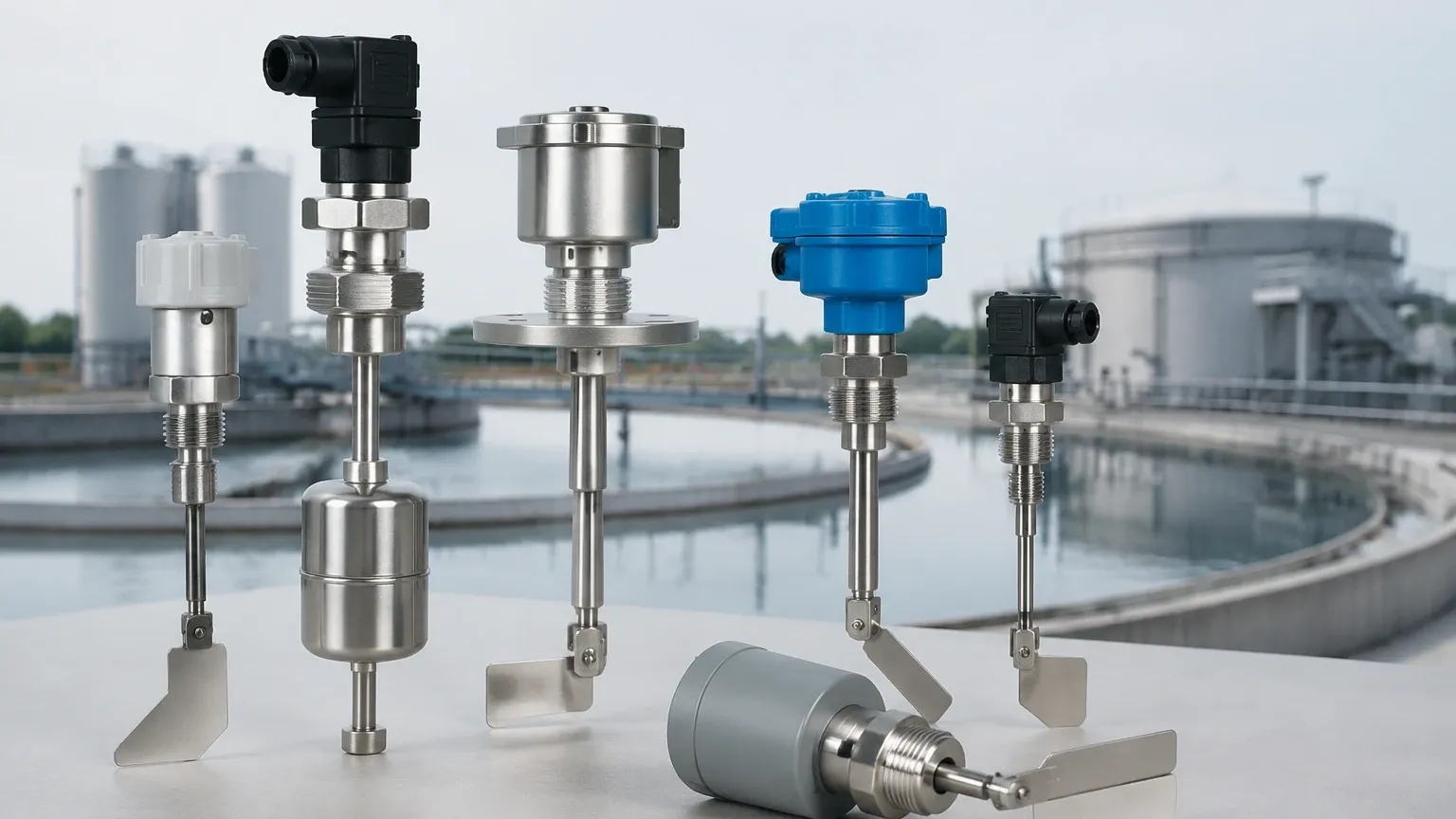
In the landscape of industrial automation, point level detection serves as a critical safeguard for process efficiency and safety. Emerson level switches, primarily marketed under the Rosemount and Mobrey brands, are widely recognized for their reliability in liquid and solid level monitoring. These devices act as the "eyes" of a process system, providing discrete signals to prevent tank overfills, protect pumps from dry running, and manage high-low level alarms. For engineers and procurement specialists, understanding the underlying measurement principles and selection criteria of these instruments is essential for ensuring long-term operational stability.
Measurement Principles of Point Level Detection
Before selecting a specific model, it is vital to understand how different level switch technologies interact with the process media. Emerson utilizes several distinct physical principles to detect the presence or absence of material.
Vibrating Fork Technology (Tuning Fork)
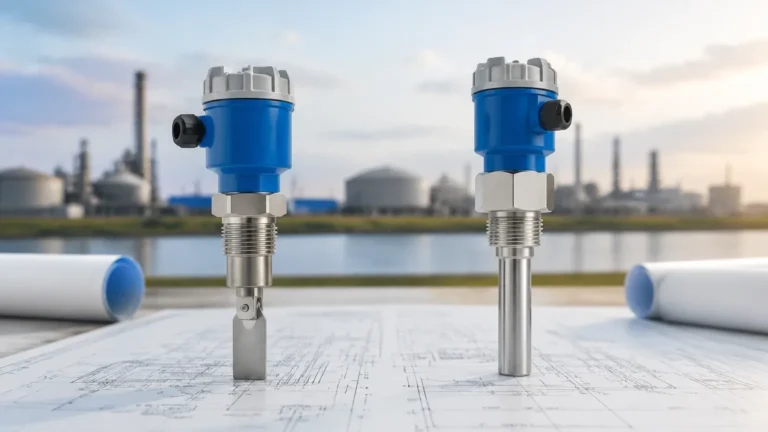
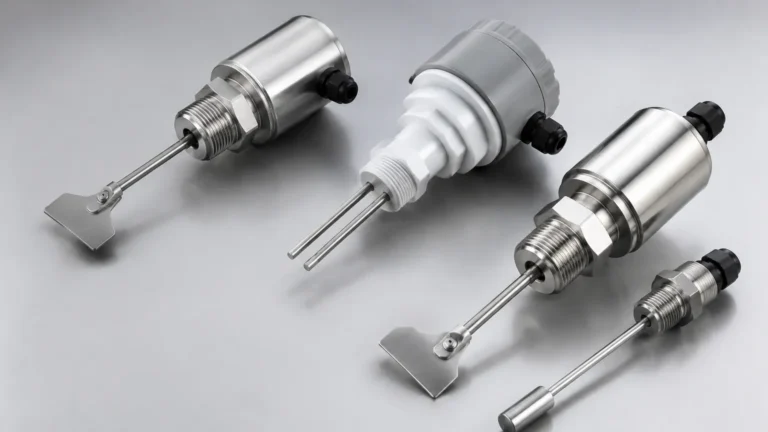
This is the most common technology found in the Rosemount 2100 series. The sensor consists of a tuning fork that is piezoelectrically energized to vibrate at its natural resonance frequency in the air. When the fork is submerged in a liquid, the frequency changes due to the increased density of the surrounding medium. An internal electronic circuit detects this frequency shift and converts it into a switching output. This technology is largely independent of the liquid's physical properties, such as conductivity, dielectric constant, or turbulence.
Ultrasonic Gap Technology
Used frequently in the Mobrey product line, ultrasonic gap switches utilize two crystals mounted on opposite sides of a small gap in the sensor head. One crystal transmits an ultrasonic signal, and the other receives it. When the gap is filled with air, the signal is too weak to reach the receiver. When liquid fills the gap, the ultrasonic signal is efficiently coupled through the liquid, triggering the switch. This is particularly effective for clean, non-aerated liquids.
Capacitance and RF Admittance
Capacitance switches measure the change in electrical capacitance between the sensor probe and the tank wall (or a reference electrode). As the media covers the probe, the dielectric constant changes, altering the capacitance. RF admittance is an advanced form of capacitance that uses a guard circuit to ignore the effects of material build-up on the probe, making it suitable for sticky or coating substances.
Magnetic Float and Displacer
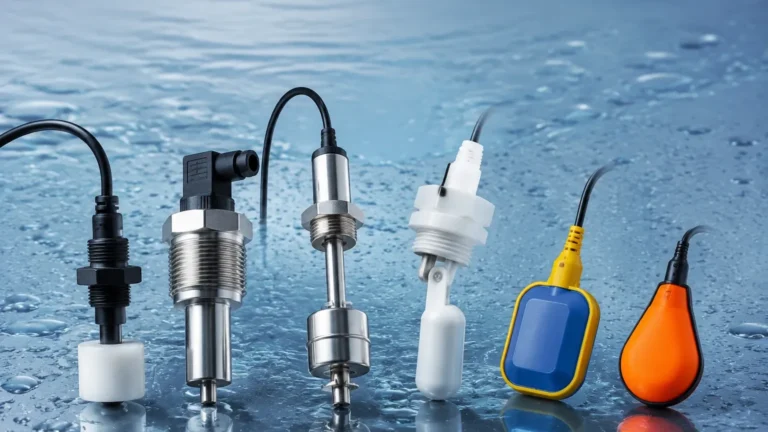
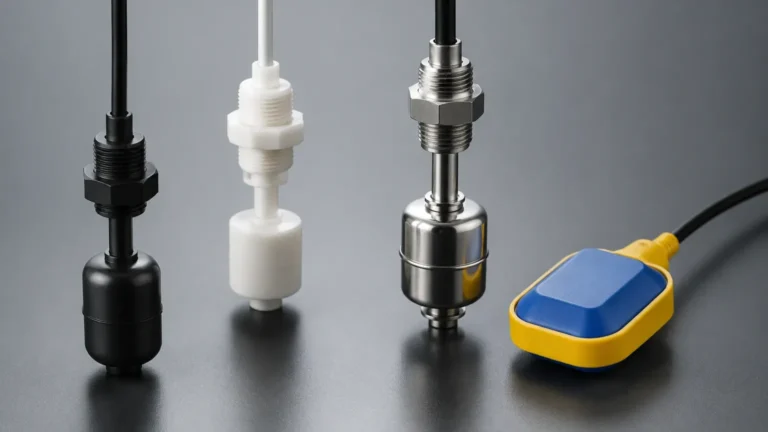
These are mechanical or electro-mechanical switches. A float containing a magnet moves with the liquid level, actuating a reed switch or a microswitch. Displacers rely on Archimedes' principle, where the change in buoyant force on a weighted element moves a spring-loaded mechanism to trigger a switch. These are often used in high-pressure or high-temperature applications where electronic sensors might fail.
Overview of Emerson Level Switch Series
Emerson’s portfolio is structured to address various industrial complexities, from simple water tanks to hazardous chemical reactors. When evaluating Level Switches, the following series are commonly encountered:
* Rosemount 2110: A compact vibrating fork switch designed for high-volume OEM applications and basic liquid level detection. It features a rugged stainless steel body and is often used for overfill protection in small vessels.
* Rosemount 2120: A versatile vibrating fork switch with extensive certifications (ATEX, IECEx, SIL 2). It is designed for more demanding process environments and offers various housing materials and process connections.
* Rosemount 2130: Engineered for extreme conditions, this series can handle temperatures up to 260°C (500°F) and features advanced electronics for self-checking and diagnostics.
* Rosemount 2140: The first wired HART vibrating fork switch, providing not only a switching signal but also continuous health monitoring and remote testing capabilities via the HART protocol.
* Mobrey Magnetic Float Switches: These are the traditional choice for industrial boiler water level control and heavy-duty industrial sumps, known for their mechanical robustness.
Key Evaluation Criteria for Selection
Selecting the correct level switch requires a detailed analysis of the process environment. Failure to account for a single variable can lead to false alarms or, more dangerously, a failure to trigger during an overfill event.
1. Media Properties:
* Density (Specific Gravity): For vibrating forks, the minimum density (typically 500 kg/m³ or 31.2 lb/ft³) must be met to ensure a detectable frequency shift.
* Viscosity: Highly viscous fluids (above 10,000 cP) may slow the response time or cause "bridging" between the forks.
* Coating/Scaling: If the media leaves a thick residue, RF admittance or vibrating forks with "fast drip" designs are preferred over standard ultrasonic gap sensors.
2. Process Conditions:
* Pressure: Standard switches often handle up to 64 bar (928 psi), but high-pressure versions are required for steam applications or deep-sea oil and gas processes.
* Temperature: Cryogenic applications or high-temperature reactors require specialized seals and remote electronics to protect the sensor’s circuitry.
3. Electrical and Output Requirements:
* Direct load switching (AC/DC), PNP/NPN transistor outputs, or relay outputs must be matched to the Control System (PLC/DCS) input cards.
* In safety-instrumented systems (SIS), SIL 2 or SIL 3 ratings are mandatory.
Technical Selection Table
| Feature | Vibrating Fork (e.g., 2120) | Ultrasonic Gap | Capacitance | Magnetic Float |
| :— | :— | :— | :— | :— |
| Primary Media | Liquids (most types) | Clean Liquids | Liquids, Slurries, Solids | Clean Liquids |
| Max Pressure | Up to 100 bar (1450 psi) | Up to 40 bar (580 psi) | Up to 100 bar (1450 psi) | Up to 200 bar (2900 psi) |
| Max Temp | -50°C to 260°C | -40°C to 150°C | -40°C to 200°C+ | -50°C to 400°C |
| Build-up Risk | Low (Self-cleaning) | High | Medium (Requires Guard) | High |
| Moving Parts | None | None | None | Yes |
| Best Use Case | Overfill Prevention | Pump Protection | Interface Detection | Boiler Level Control |
Installation Considerations and Best Practices
Proper installation is as important as instrument selection. For Emerson level switches, particularly the vibrating fork variety, the following guidelines should be observed:
* Orientation: Vibrating forks can be mounted at any angle. However, for horizontal mounting in viscous liquids, the forks should be oriented edgewise (vertical) so that the liquid can drain easily from between the tines. This prevents the "bridge" effect where liquid is trapped, causing a false "wet" signal.
* Nozzle Length: The sensor must extend far enough into the vessel to ensure the sensing element is fully submerged in the media, not trapped in a stagnant nozzle where air or residue might accumulate.
* Turbulence and Agitation: If the tank has an agitator, the switch should be installed in a location where the forks are not directly hit by the flow stream, which could cause mechanical fatigue. Alternatively, a splash shield can be installed.
* Wiring and Grounding: In hazardous areas, ensure that the cable glands are properly sealed and that the instrument is grounded according to local electrical codes (e.g., NEC or IEC). For 2-wire DC circuits, ensure the polarity is correct to prevent damaging the internal electronics.
Common Risks and Limitations
While Emerson level switches are highly advanced, they are not universal solutions. Engineers must be aware of the following limitations:
* Aeration and Foam: Excessive aeration in a liquid reduces its effective density. If the density drops below the switch's threshold, a vibrating fork may not detect the liquid. Similarly, light foam may not be detected by ultrasonic or fork switches, though it might trigger a capacitance switch.
* Mechanical Wear: In abrasive slurries, the tines of a vibrating fork can erode over time. This changes the mass of the fork and, consequently, its resonance frequency, potentially leading to a permanent error state.
* Interference: High-frequency vibration from nearby pumps or machinery can occasionally interfere with the resonance of vibrating fork switches if the frequencies harmonize. Rosemount switches typically include frequency-shifting logic to mitigate this, but it remains a factor in extreme environments.
Frequently Asked Questions (FAQ)
Q: Can a vibrating fork level switch be used for solids?
A: While the Rosemount 2100 series is optimized for liquids, specific vibrating fork designs (often called "vibrating rods" or specialized forks) are required for fine-grained solids or powders to prevent material from wedging between the tines.
Q: How do I test the functionality of an Emerson level switch without filling the tank?
A: Many modern Emerson switches, such as the Rosemount 2140, feature a "Partial Proof Test" or a magnetic test point on the housing. By holding a magnet against a specific spot on the casing, the user can simulate a wet condition to verify the electronics and output relay function.
Q: What is the difference between a "Wet On" and "Dry On" configuration?
A: This refers to the fail-safe mode. "Wet On" means the switch energizes the output when it detects liquid (typically used for low-level alarms). "Dry On" means the switch is energized when the sensor is dry and de-energizes when liquid is detected (typically used for high-level overfill protection to ensure safety if power is lost).
Q: Are these switches compatible with hygienic applications?
A: Yes, Emerson offers versions with polished stainless steel finishes and Tri-Clamp connections that meet 3-A and EHEDG standards for the food, beverage, and pharmaceutical industries.
Conclusion
Emerson level switches represent a high standard in point level measurement, offering diverse technologies to meet the rigors of modern industrial processing. By understanding the physics of vibrating forks, ultrasonic waves, and capacitance, engineers can make informed decisions that enhance plant safety and reliability. For those seeking specialized solutions or comparative technical data, Welk provides a range of industrial Level Switches designed to complement these high-precision systems in water treatment, chemical, and automation sectors. Ensuring the right match between the instrument and the application remains the most effective way to prevent costly downtime and environmental incidents.