Level Sensor Grommet
Level Sensor Grommet
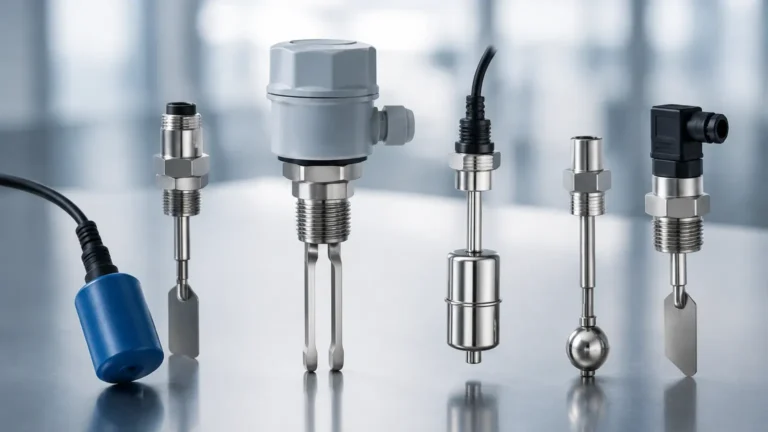
In the field of industrial automation and process control, the reliability of a measurement system often depends on the smallest components. While much attention is given to the electronics and sensing elements of level measurement devices, the physical interface where the sensor meets the vessel is equally critical. A level sensor grommet serves as a vital sealing and protective component, ensuring that the transition point for cables or probes remains airtight, watertight, and resistant to environmental stressors. For engineers and maintenance professionals working with various Level Switches, understanding the selection and application of these grommets is essential for long-term system integrity.
Understanding the Role of Sealing in Level Measurement
Level measurement instruments are frequently installed in harsh environments where they are exposed to moisture, dust, corrosive chemicals, and fluctuating temperatures. The level sensor grommet acts as a primary barrier at the entry point of the sensor cable or probe into a tank, reservoir, or control box.
Its primary functions include:
1. Environmental Sealing: Preventing the ingress of water (IP rating maintenance) and dust into the sensor housing or electrical connections.
2. Media Containment: In low-pressure applications, the grommet prevents the process liquid or vapors from escaping the vessel through the cable entry point.
3. Strain Relief: Providing a degree of mechanical support to the cable, reducing the risk of internal wire damage caused by pulling or vibration.
4. Vibration Damping: Absorbing mechanical shocks that could otherwise be transmitted from the tank wall to the sensitive electronics of the sensor.
Principles of Point Level Detection and Entry Requirements
Before selecting a level sensor grommet, it is important to understand the measurement principles of the devices they support. Level switches are designed to detect the presence or absence of a substance at a specific height (point level).
Float Level Switches
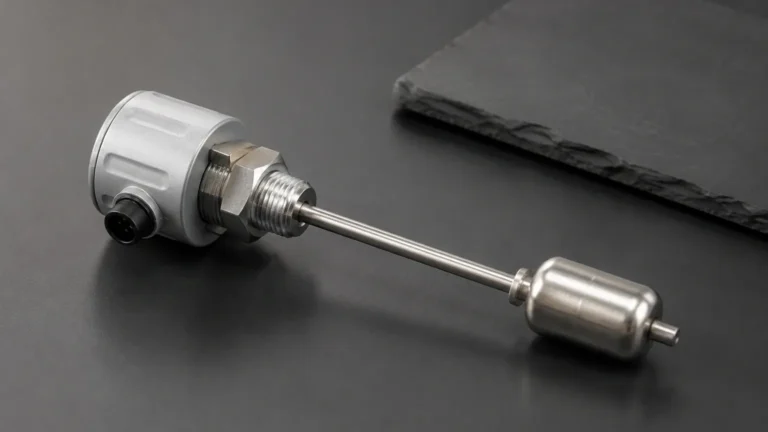
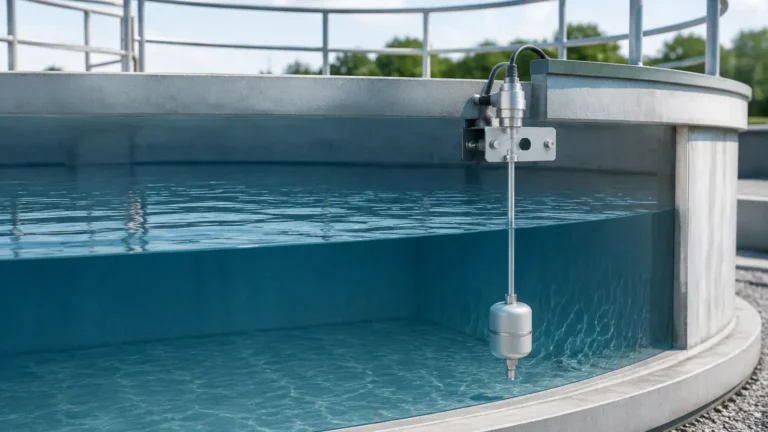
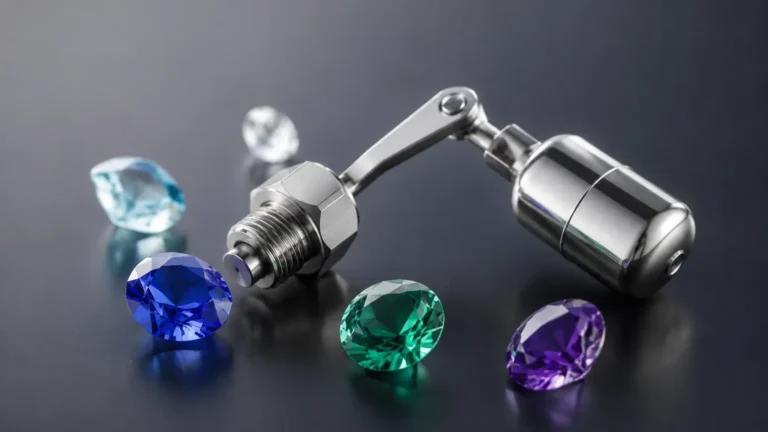
These devices operate on the principle of buoyancy. A float containing a magnet moves with the liquid level, triggering a reed switch. Cable-suspended float switches often rely on a grommet to seal the cable as it exits the tank. The grommet must be flexible enough to allow for minor cable adjustments while maintaining a tight seal.
Ultrasonic Level Switches
Ultrasonic sensors emit high-frequency sound waves. While the sensor face is often sealed by design, the cable connection at the rear of the housing typically requires a grommet or gland to protect the internal circuitry from ambient humidity.
Conductivity and Capacitance Probes
These switches detect changes in electrical properties. The entry point for the probe or its wiring must be insulated and sealed. A level sensor grommet in these applications often serves the dual purpose of sealing and providing electrical isolation from the tank wall.
Materials and Specifications for Level Sensor Grommets
The performance of a grommet is largely determined by its material composition. Industrial environments require materials that can withstand specific chemical exposures and temperature ranges without degrading.
| Material | Temperature Range (°C) | Chemical Resistance | Common Applications |
| :— | :— | :— | :— |
| NBR (Nitrile) | -20°C to +100°C | Excellent for oils, fuels, and hydraulic fluids. | Oil and gas, automotive, general machinery. |
| EPDM | -40°C to +150°C | Good resistance to water, steam, and dilute acids. | Water treatment, HVAC, outdoor tanks. |
| Silicone | -50°C to +200°C | High thermal stability; inert. | Food and beverage, pharmaceutical, high-temp steam. |
| Viton (FKM) | -15°C to +200°C | Superior resistance to aggressive chemicals and solvents. | Chemical processing, petrochemical. |
| PVC | -10°C to +60°C | Cost-effective; limited chemical resistance. | Light-duty commercial water tanks. |
Selection Criteria: Matching Grommets to Industrial Environments
Selecting the correct level sensor grommet involves more than just matching the cable diameter. Engineers must evaluate the following factors to ensure the longevity of the installation.
1. Cable Diameter and Fit
An undersized grommet will be difficult to install and may tear, while an oversized grommet will fail to provide a seal. Most grommets are specified by their internal diameter (ID), which should be slightly smaller than the cable's outer diameter (OD) to ensure a compression fit. For example, a cable with an 8 mm OD typically requires a grommet with a 7.5 mm ID.
2. Wall Thickness
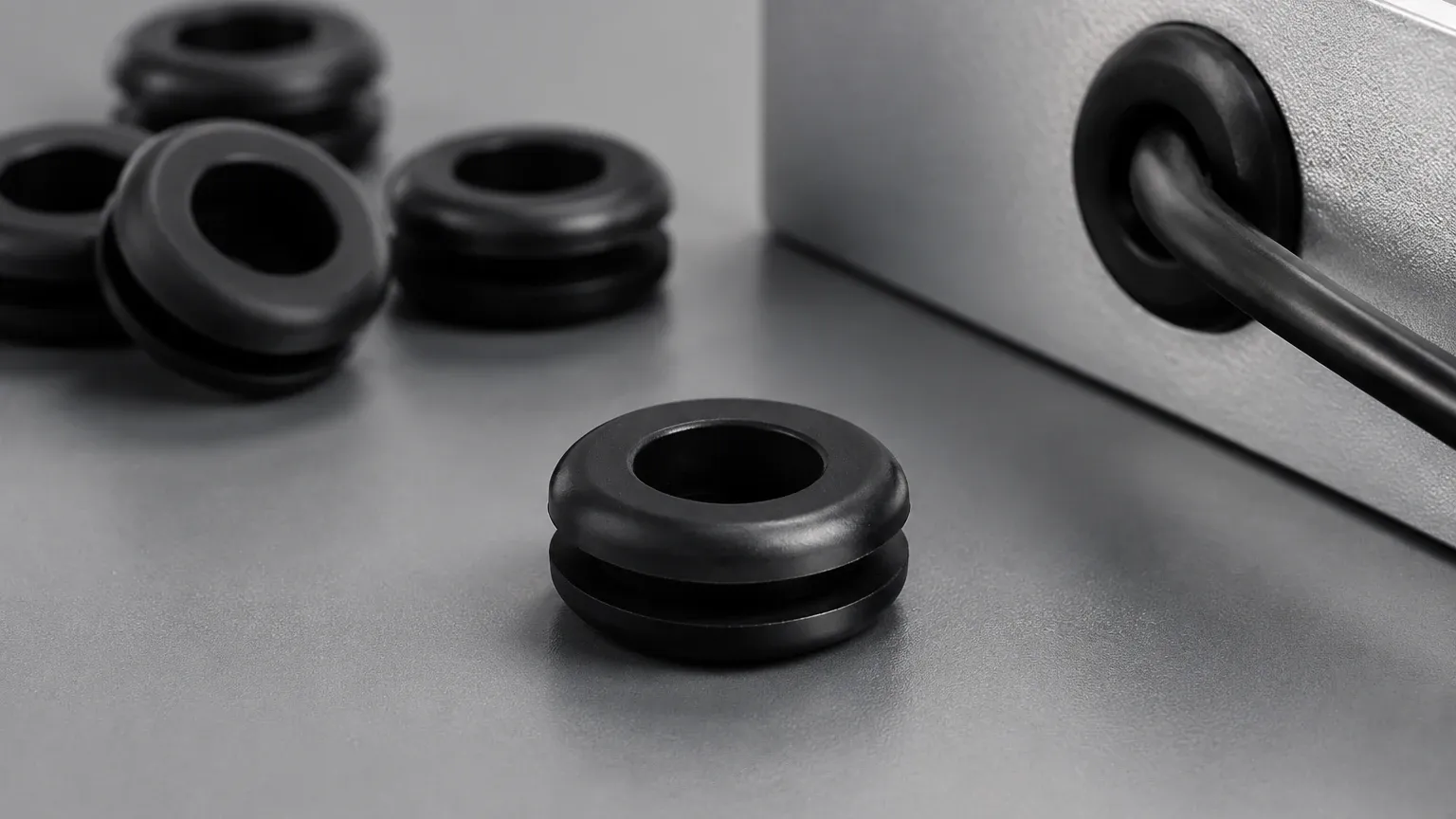
The "groove width" of the grommet must match the thickness of the tank wall or junction box. If the wall is too thick, the grommet will not seat properly in the hole; if it is too thin, the grommet may slide or leak.
3. Pressure Requirements
Standard rubber grommets are generally intended for atmospheric or very low-pressure applications. In pressurized vessels, a grommet is usually insufficient, and a threaded cable gland or a specialized compression fitting should be used instead. Grommets are most effective in vented tanks or top-mounted configurations where liquid contact is intermittent.
4. Environmental Exposure
* UV Resistance: For outdoor installations, EPDM or specialized UV-stabilized polymers are necessary to prevent cracking.
* Ozone Resistance: In high-voltage environments or near large motors, ozone can degrade standard rubber quickly.
Installation Best Practices for Reliable Sealing
Proper installation is critical to the performance of a level sensor grommet. Following these steps ensures a secure fit:
1. Hole Preparation: Ensure the mounting hole is deburred. Sharp edges on metal tanks can cut the grommet during installation or eventually slice through the cable insulation.
2. Lubrication: If the fit is tight, use a compatible lubricant (such as water or a silicone-based spray, depending on the material) to help slide the grommet into the hole and the cable through the grommet.
3. Seating Check: Verify that the flange of the grommet is flush against both sides of the mounting surface. There should be no visible gaps.
4. Strain Relief: The grommet itself provides limited strain relief. For heavy cables or applications with significant movement, use a secondary cable tie or clamp inside the enclosure to prevent the cable from pulling against the grommet seal.
5. Orientation: When possible, install the cable entry at the bottom or side of the enclosure with a "drip loop." This prevents gravity from pulling water directly toward the grommet seal.
Limitations and Comparison: Grommets vs. Cable Glands
In industrial level measurement, there is often a choice between using a simple grommet and a more robust cable gland. Understanding the limitations of the level sensor grommet is vital for safety.
* Mechanical Strength: Cable glands provide superior mechanical retention. If a cable is likely to be stepped on or pulled with force, a grommet may be pulled out of its mounting hole.
* Ingress Protection: While a well-fitted grommet can achieve IP65 or even IP67, a liquid-tight cable gland is more reliable for submerged or high-pressure washdown environments (IP68/IP69K).
* Installation Complexity: Grommets are faster and cheaper to install, requiring no threading or specialized tools. They are ideal for high-volume OEM production where cost-effectiveness is a priority.
Frequently Asked Questions (FAQ)
Can I use a standard hardware store grommet for a chemical level switch?
Generally, no. Standard grommets are often made of SBR rubber or low-grade PVC, which can swell or disintegrate when exposed to industrial chemicals or oils. Always verify the material compatibility (e.g., Viton for acids, NBR for oils) before installation.
How often should level sensor grommets be replaced?
In stable, indoor environments, grommets can last for many years. However, in outdoor or high-temperature applications, they should be inspected annually for signs of hardening, cracking, or loss of elasticity. If the material feels brittle, it should be replaced immediately to prevent moisture ingress.
What is the difference between a "blind" grommet and a level sensor grommet?
A blind grommet (or plug) has no center hole and is used to seal unused openings in a tank or enclosure. A level sensor grommet is a "webbed" or "open" grommet designed specifically to pass a cable through while maintaining a seal around it.
Does the grommet affect the accuracy of the level switch?
Indirectly, yes. If a grommet fails and allows moisture to enter the sensor housing, it can cause short circuits, corrosion of terminals, or signal interference, leading to inaccurate readings or total sensor failure. Physically, the grommet does not interfere with the sensing technology itself.
Conclusion
While the level sensor grommet is a small part of the overall instrumentation package, its role in protecting the system cannot be overstated. By selecting the correct material, ensuring a proper fit, and following installation best practices, engineers can significantly extend the service life of their Level Switches and reduce maintenance costs. Whether in water treatment plants or chemical processing facilities, the integrity of the cable entry point remains a cornerstone of reliable industrial level measurement. For complex applications involving high pressure or extreme chemical aggression, always consult with the instrument manufacturer to determine if a grommet or a more specialized sealing solution is appropriate for the project requirements.