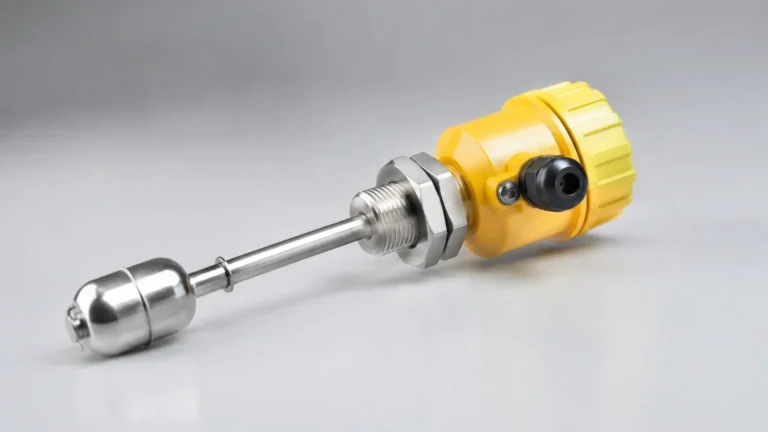
Parker Level Switch Jf302t
Parker Level Switch Jf302t
In the landscape of industrial automation and fluid management, the precise control of liquid levels is a fundamental requirement for both safety and operational efficiency. Among the diverse array of technologies available, the parker level switch jf302t has established itself as a critical component, particularly within industrial refrigeration and high-pressure process environments. This article provides a comprehensive engineering reference for the JF302T, exploring its underlying measurement principles, technical specifications, and the practical considerations necessary for successful integration into modern industrial systems.
Understanding the Measurement Principle
The parker level switch jf302t operates on the principle of buoyancy and magnetic coupling. Unlike simple mechanical switches that require a physical seal between the fluid and the electrical housing, the JF302T utilizes a glandless design that enhances reliability in high-pressure or hazardous applications.
Buoyancy and Float Dynamics
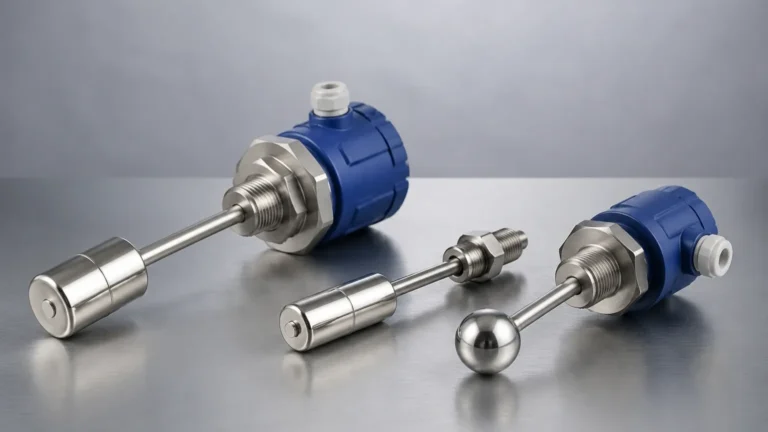
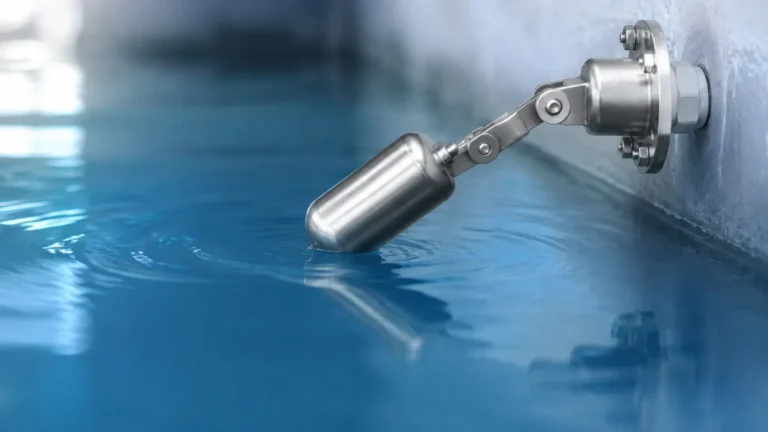
The core of the device is a stainless steel float. As the liquid level in a vessel or bypass chamber rises, the float moves upward according to Archimedes' principle. The float is attached to a rod that houses a magnetic sleeve. Because the float's density is lower than the liquid it measures, it provides a predictable and repeatable movement relative to the fluid surface.
Magnetic Coupling
The defining feature of this technology is the magnetic linkage. The magnetic sleeve, located inside a non-magnetic pressure tube, moves into the field of a permanent magnet located outside the tube within the switch housing. This external magnet is part of a switch mechanism. When the sleeve enters the magnetic field, it attracts the magnet, causing the switch to trip (either opening or closing the electrical circuit). This design ensures that the electrical components are completely isolated from the process fluid, eliminating the risk of leaks through dynamic seals.
Technical Specifications and Design Features
The parker level switch jf302t is engineered for demanding environments where standard Level Switches might fail due to pressure or chemical compatibility issues.
Material Composition
Standard models typically feature high-grade stainless steel for all wetted parts. This makes the switch suitable for a wide range of fluids, including ammonia (R717), CO2 (R744), and various fluorinated refrigerants. The use of stainless steel also provides excellent resistance to corrosion in industrial atmospheres.
Pressure and Temperature Ratings
One of the primary reasons for selecting the JF302T is its robust pressure rating. Most variants are designed to handle working pressures up to 40 bar (approximately 580 psi), with some specialized versions capable of higher limits. Temperature ranges typically span from -50°C to +150°C (-58°F to 302°F), making it ideal for both cryogenic refrigeration and high-temperature process steam applications.
Electrical Configuration
The switch usually incorporates a Single Pole Double Throw (SPDT) microswitch. This allows the unit to be wired for either "normally open" or "normally closed" operation, providing flexibility for high-level alarms, low-level cutouts, or pump control logic.
Selection Criteria for Industrial Level Switches
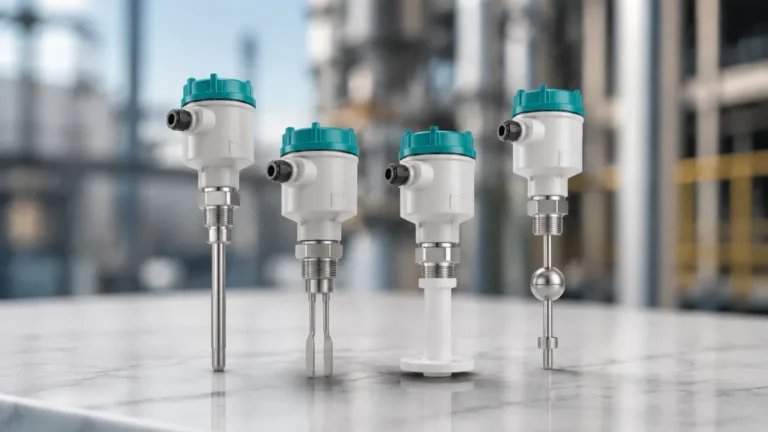
When evaluating the parker level switch jf302t against other technologies, engineers must consider the specific characteristics of the application. While float switches are highly reliable, they are not universal solutions.
| Feature | Parker JF302T (Float) | Ultrasonic Sensors | Radar Level Meters |
| :— | :— | :— | :— |
| Measurement Type | Point Level (Switch) | Continuous / Point | Continuous |
| Fluid Density | Must be > Float Density | Irrelevant | Irrelevant |
| Pressure Limits | Up to 40+ Bar | Typically Lower | Very High |
| Foam Sensitivity | Low | High | Moderate |
| Cost | Moderate | Moderate/High | High |
| Moving Parts | Yes (Float) | No | No |
When to Choose the JF302T
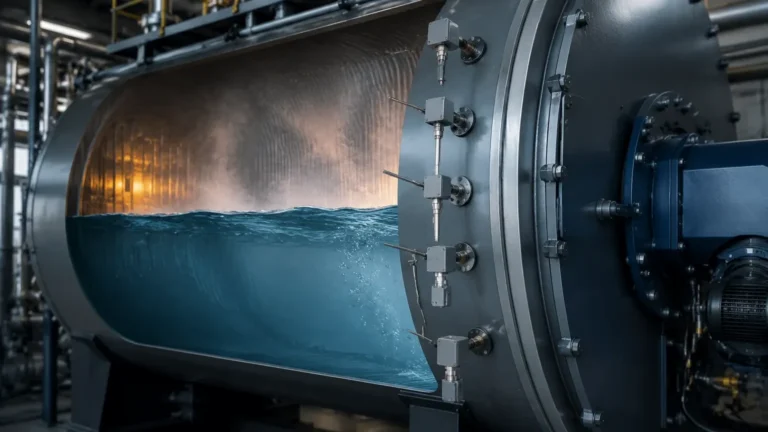
* Refrigeration Systems: It is specifically optimized for surge drums and liquid receivers.
* High Pressure: Where non-contact electronic sensors might struggle with vessel wall thickness or pressure seals.
* Simple Logic: When a simple on/off signal is required without the need for complex signal processing or 4-20mA loops.
Installation and Mounting Considerations
Proper installation is paramount to ensuring the longevity and accuracy of the parker level switch jf302t. Failure to follow orientation and placement guidelines often results in premature mechanical wear or false switching.
Orientation and Positioning
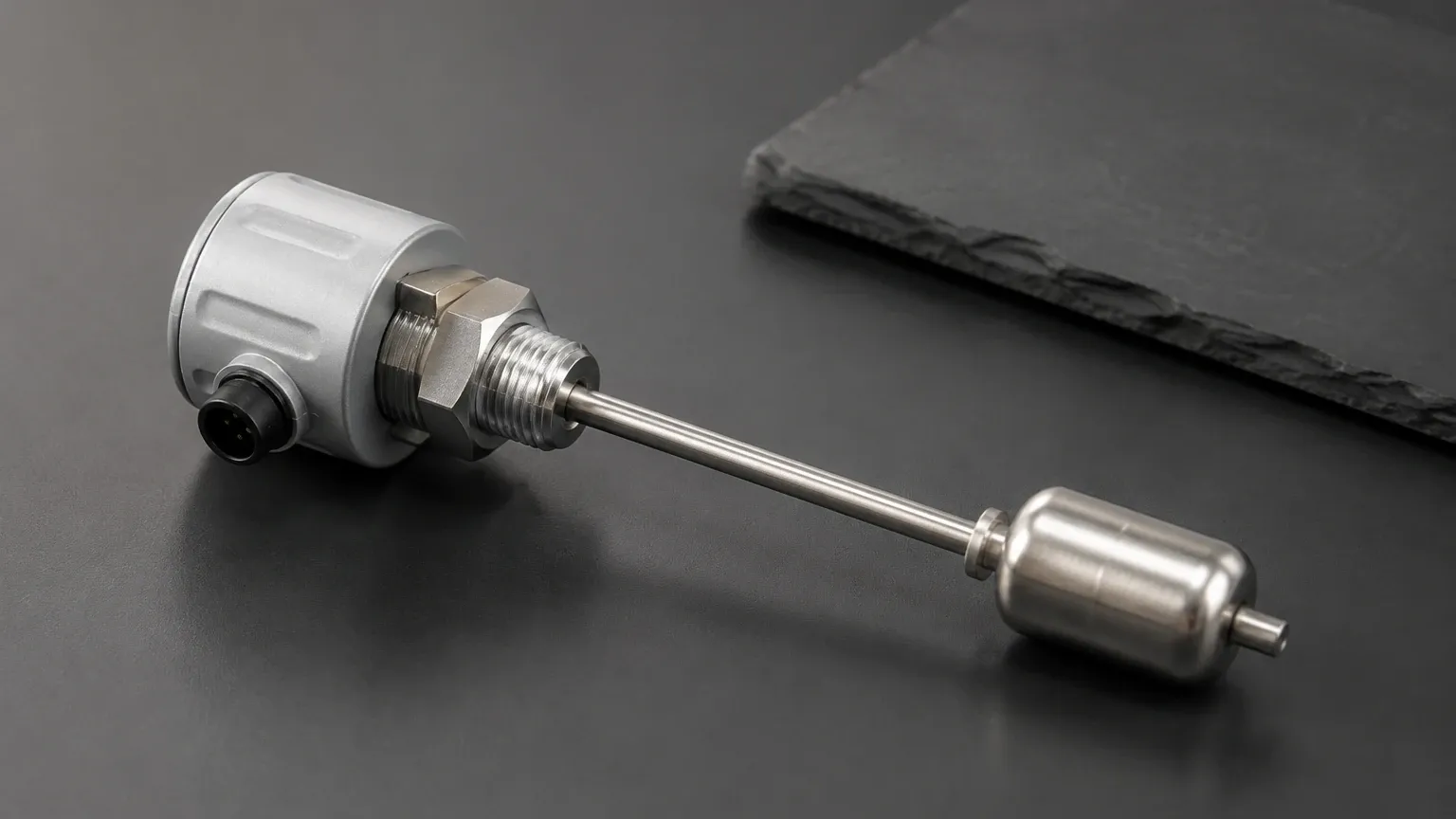
The JF302T is designed for vertical mounting. The pressure tube must be perfectly plumb to allow the float and magnetic sleeve to move freely without friction against the tube walls. Even a slight tilt can cause the internal rod to bind, leading to a failure to switch or a "stuck" signal.
Use of Bypass Chambers (Still Wells)
In applications where the liquid surface is turbulent—such as near an inlet pipe or an agitator—it is standard practice to install the switch in a bypass chamber or a still well. This isolates the float from surface waves and foam, ensuring that the switch responds only to the actual mean liquid level. The bypass chamber should be equipped with isolation valves to allow for maintenance without draining the main vessel.
Wiring and Conduit
Electrical connections should be made using flexible conduit to prevent vibration from the piping system from being transferred to the switch housing. Ensure that the housing cover is tightly sealed to maintain the IP rating, especially in outdoor or wash-down environments.
Limitations and Common Risks
While the parker level switch jf302t is a robust industrial tool, engineers must be aware of its operational boundaries:
1. Fluid Density (Specific Gravity): The float is calibrated for a specific range of fluid densities. If the process fluid is significantly lighter than the design specification (e.g., switching from a heavy oil to a light hydrocarbon), the float may not rise sufficiently to actuate the switch.
2. Viscosity and Fouling: High-viscosity fluids or liquids containing suspended solids can coat the float and the internal pressure tube. Over time, this buildup can increase the weight of the float or create enough friction to prevent movement.
3. Magnetic Interference: Because the switch relies on magnetic coupling, the presence of strong external electromagnetic fields or the accumulation of magnetic particles (iron filings) in the fluid can interfere with the switching action.
4. Mechanical Fatigue: As a mechanical device, the microswitch and the float assembly have a finite cycle life. In applications with extremely frequent cycling, electronic Level Switches may offer a longer service life.
Maintenance and Troubleshooting
A proactive maintenance schedule ensures that the parker level switch jf302t remains a reliable safety barrier.
* Visual Inspection: Regularly check the switch housing for signs of moisture ingress or corrosion. Verify that the conduit entries remain sealed.
* Functional Testing: Periodically manually lift the float (if accessible) or vary the liquid level to confirm the switch trips and resets at the correct points.
* Cleaning: In systems prone to scaling or sludge, remove the switch assembly during scheduled shutdowns to clean the float and the pressure tube. Use solvents that are compatible with 316 stainless steel.
Troubleshooting Common Issues
* Switch won't trigger: Check if the fluid density has changed or if the float is punctured and filled with liquid (losing buoyancy).
* Intermittent signals: Often caused by loose wiring or vibration. Ensure all terminals are torqued correctly and the mounting is stable.
* Switch stuck "on": Check for magnetic debris inside the pressure tube or a bent float rod.
Frequently Asked Questions (FAQ)
Q: Can the JF302T be used in hazardous (Ex) areas?
A: Yes, many versions of the JF302T are available with explosion-proof or intrinsically safe switch housings. Always verify the specific ATEX or UL/CSA rating on the nameplate before installation in a classified zone.
Q: What is the minimum specific gravity required for the float to operate?
A: While this varies by specific float design, most standard units require a minimum specific gravity (SG) of approximately 0.6 to 0.7. For lighter fluids like LPG, a specialized high-buoyancy float may be required.
Q: Can the switch be repaired in the field?
A: The switch mechanism (the external part) can often be replaced without breaking the pressure seal. However, if the internal float or pressure tube is damaged, the entire unit usually requires replacement to ensure pressure vessel integrity.
Q: Is the JF302T compatible with ammonia refrigeration?
A: Yes, the stainless steel construction and glandless magnetic design are specifically engineered to handle the corrosive and high-pressure nature of anhydrous ammonia (R717).
By adhering to these engineering guidelines and understanding the mechanical nature of the parker level switch jf302t, facilities can ensure accurate level detection and long-term reliability in their most critical process loops.