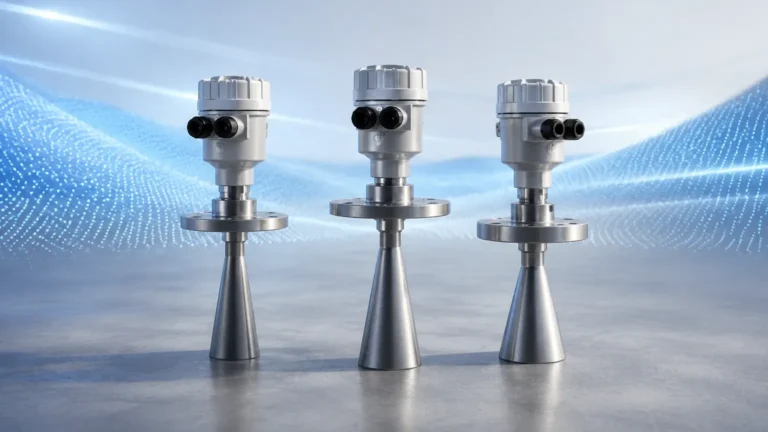
Leveling Switches
Leveling Switches
In the landscape of industrial automation, leveling switches serve as the fundamental sentinels of process safety and efficiency. Often referred to interchangeably as point level sensors or Level Switches, these devices are designed to detect the presence or absence of a medium at a specific height within a vessel, tank, or silo. Unlike continuous level transmitters that provide a constant stream of data regarding the exact volume of a container, leveling switches provide a discrete binary output—typically an electrical contact or a digital signal—when a pre-defined threshold is reached.
For engineers and plant managers, selecting the correct leveling switches is a critical task. A failure in a high-level alarm can lead to catastrophic overflows, environmental contamination, and equipment damage, while a failure in a low-level switch can cause pump cavitation or dry-run conditions that halt production. This guide examines the technical principles, selection criteria, and installation requirements for modern leveling switches in industrial environments.
Core Measurement Principles of Point Level Detection
Before selecting a device, it is essential to understand the physical principles that govern how different leveling switches interact with the process media. Each technology has specific strengths and inherent limitations based on the physical properties of the substance being measured.
1. Buoyancy (Float Switches)
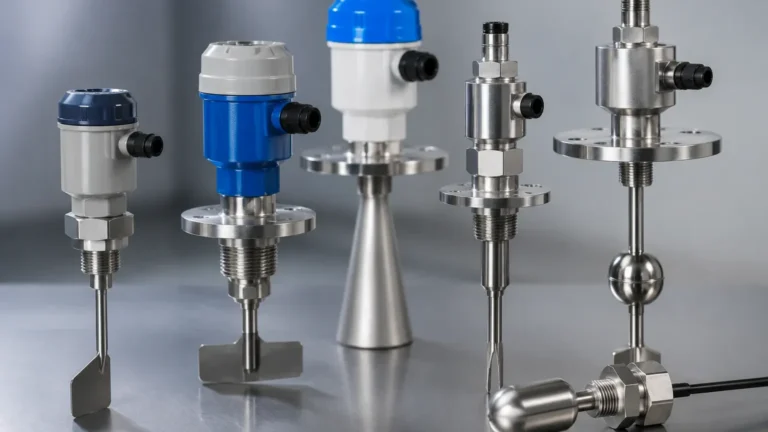
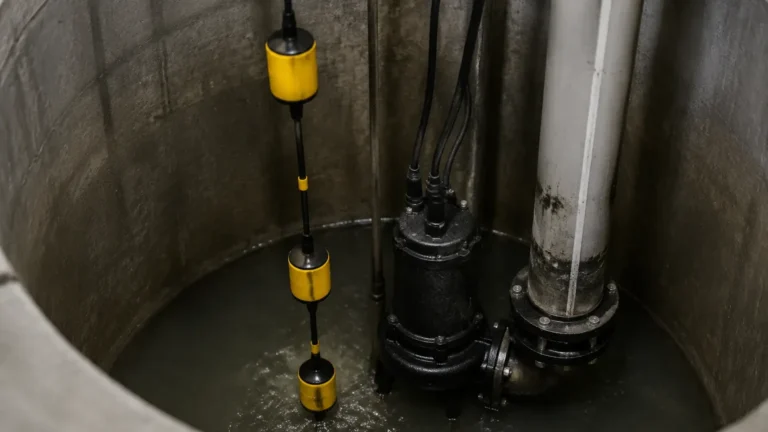
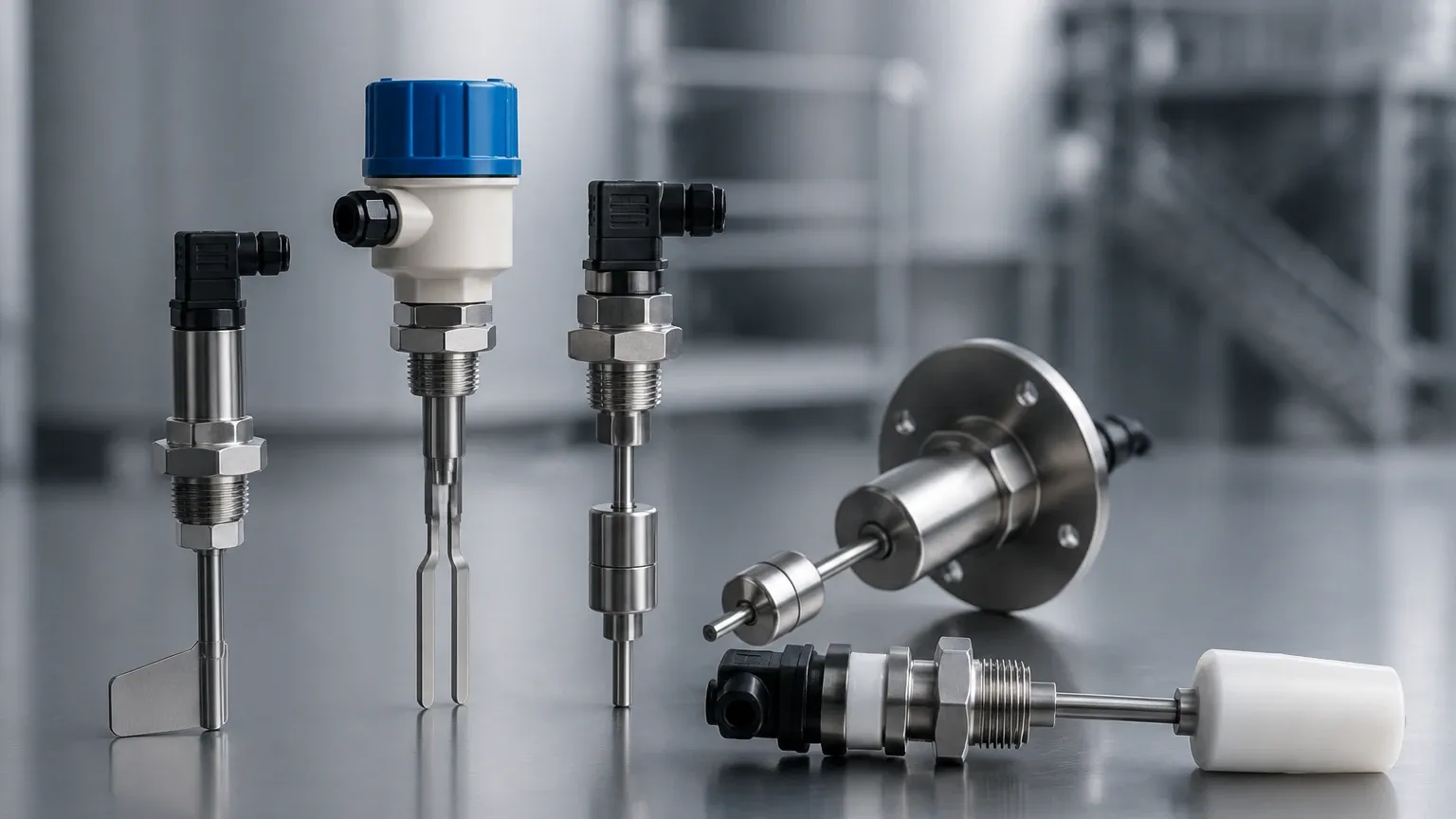
Float-based leveling switches are among the most established technologies. They rely on Archimedes' principle, where a float moves vertically along a stem or pivots on a hinge as the liquid level rises or falls. Inside the float or the stem, a permanent magnet triggers a reed switch or a microswitch once the float reaches the activation point.
* Best for: Clean, non-coating liquids with stable densities.
* Advantages: Simple, requires no external power for the sensing element, and is highly cost-effective.
2. Vibrating Fork (Tuning Fork) Technology
Vibrating leveling switches utilize a sensing element shaped like a tuning fork, which is vibrated at its natural resonant frequency by piezoelectric crystals. When the fork is immersed in a liquid or covered by bulk solids, the frequency of vibration changes. The electronic circuit detects this frequency shift and converts it into a switching signal.
* Best for: Both liquids and fine-grained solids (powders). They are particularly effective in applications with turbulence or bubbles.
* Advantages: No moving parts to wear out, unaffected by changes in dielectric constant or conductivity.
3. Capacitive Level Detection
Capacitive leveling switches measure the change in electrical capacitance between the sensor probe and the vessel wall (or a reference electrode). As the medium displaces air around the probe, the dielectric constant changes, causing a shift in capacitance that triggers the switch.
* Best for: Corrosive chemicals, slurries, and high-temperature applications.
* Advantages: Can be designed with "active shield" technology to ignore material build-up on the probe.
4. Rotary Paddle Switches
Designed specifically for bulk solids, these switches use a low-speed motor that rotates a paddle. When the material reaches the paddle, the rotation is impeded, creating a torque that trips a microswitch and cuts power to the motor.
* Best for: Sand, grain, plastic pellets, and cement silos.
* Advantages: Robust mechanical design suitable for heavy-duty industrial environments.
5. Hydrostatic Pressure Switches
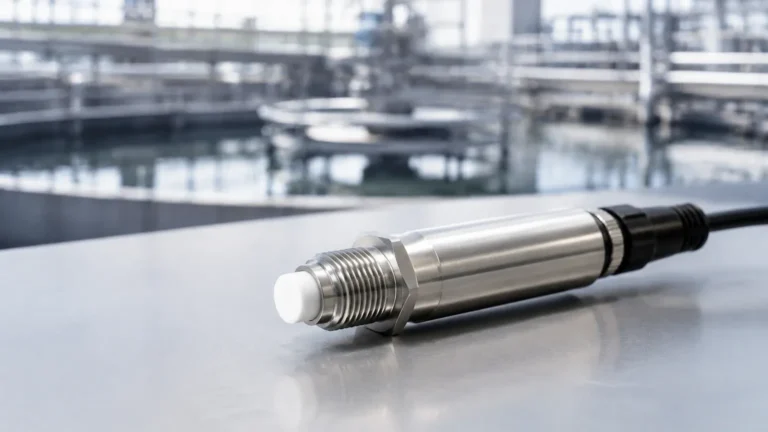
While often used for continuous measurement, hydrostatic switches detect the pressure exerted by a liquid column at a specific depth. When the pressure exceeds a set point (corresponding to a specific height), the switch activates.
* Best for: Deep tanks, reservoirs, and water treatment applications.
* Advantages: Excellent for vented tanks where the sensor can be submerged at the bottom.
Technical Selection Criteria for Leveling Switches
Choosing the right leveling switches requires a detailed analysis of the process conditions. Engineers must look beyond the price point and evaluate the long-term reliability of the technology within the specific application environment.
Media Characteristics
* Viscosity: Highly viscous liquids can cause float switches to stick or create false readings on vibrating forks if the material does not drain away quickly.
* Corrosivity: For aggressive acids or bases, PTFE, PVDF, or high-grade stainless steel (316L) wetted parts are mandatory.
* Dielectric Constant: If using capacitive technology, the medium must have a significantly different dielectric constant than air (typically > 1.5).
Process Conditions
* Temperature: Standard switches often operate up to 80°C (176°F), but high-temperature variants using ceramic insulators or cooling fins can handle up to 400°C (752°F).
* Pressure: In pressurized reactors, the switch housing and process connection must be rated for the maximum operating pressure, often exceeding 40 bar (580 psi).
* Vibration: In mining or heavy manufacturing, high-vibration environments may require reinforced electronics or remote-mounted transmitters.
Practical Selection Table
| Technology | Suitable Media | Max Temp (Approx) | Max Pressure (Approx) | Key Advantage |
| :— | :— | :— | :— | :— |
| Float | Clean Liquids | 150°C | 40 bar | Low cost, simple operation |
| Vibrating Fork | Liquids / Powders | 250°C | 100 bar | Reliable in turbulent media |
| Capacitance | Liquids / Slurries | 400°C | 100 bar | High temp/pressure capability |
| Rotary Paddle | Bulk Solids | 80°C | Atmospheric | Robust for heavy solids |
| Optical | Clear Liquids | 125°C | 50 bar | Extremely compact size |
Installation Best Practices and Geometric Considerations
Proper installation is just as critical as selecting the right technology. Even the most advanced leveling switches will fail if they are positioned incorrectly within the vessel.
1. Avoiding the Fill Stream
Never install a leveling switch directly in the path of the incoming material. The force of the falling liquid or solid can cause mechanical damage to paddles or floats and will certainly lead to "chatter" (rapid cycling of the switch) as the material splashes against the sensor.
2. Mounting Orientation
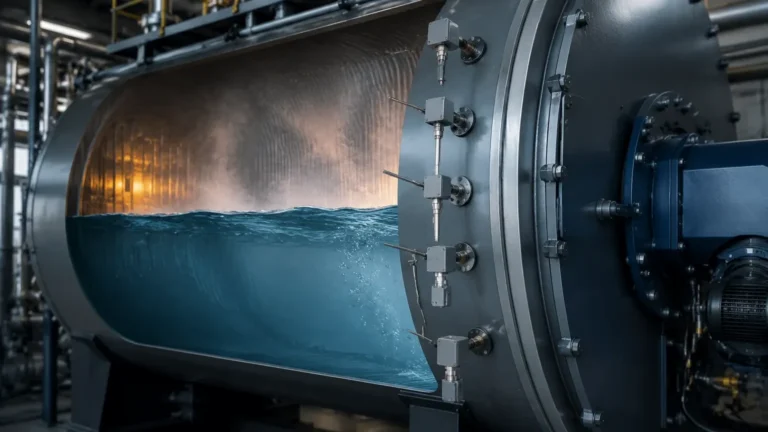
* Side Mounting: Ideal for high and low-level alarms. Ensure the probe is long enough to clear any internal tank features like baffles or heating coils.
* Top Mounting: Preferred for deep tanks or when side-wall access is restricted. Top-mounted switches often require extended rods or cables to reach the desired switching point.
3. Turbulence and Agitation
In tanks with agitators, vibrating forks or floats should be installed behind a stilling well—a vertical pipe that protects the sensor from the direct force of the moving liquid while allowing the level to equalize through small vent holes.
4. Electrical Considerations
Ensure that the output type matches the control system. Common outputs include:
* Relay (SPDT/DPDT): For direct control of pumps or valves.
* Transistor (PNP/NPN): For high-speed switching into a PLC.
* Two-wire (Contact-less): Often used in intrinsically safe circuits.
Limitations and Operational Risks
Every leveling technology has "blind spots" that can lead to operational failure if not addressed during the design phase.
* Material Build-up: In sticky applications (e.g., wastewater or chocolate manufacturing), material can coat the sensor. If the coating is conductive, it may trick a capacitive or vibrating switch into thinking the tank is full even when it is empty.
* Foam Interference: Surface foam can be problematic. Optical and ultrasonic switches may trigger on the top of the foam layer rather than the actual liquid level. In these cases, vibrating forks with adjusted sensitivity or hydrostatic sensors are usually more reliable.
* Density Changes: Float switches are calibrated for a specific specific gravity. If the process involves different liquids at different times, a float calibrated for oil (SG 0.8) may not function correctly in water (SG 1.0) or vice versa.
* Mechanical Wear: Rotary paddles and floats have moving parts. Over time, bearings can seize or hinges can corrode. Regular maintenance cycles are necessary for these mechanical devices compared to solid-state alternatives.
Frequently Asked Questions (FAQs)
Q: Can a single leveling switch provide both high and low alarms?
A: Generally, a single point switch only detects one level. However, some specialized float switches with multiple reed switches in a single stem, or dual-probe capacitive switches, can provide two or more switching points in one process connection.
Q: How do I test the functionality of a leveling switch without filling the tank?
A: Many modern vibrating forks and electronic switches include a "test" or "magnet check" feature. For mechanical floats, a manual override lever is sometimes provided. For critical safety loops, a partial stroke test or manual immersion is recommended during scheduled shutdowns.
Q: What is the difference between NORMALLY OPEN (NO) and NORMALLY CLOSED (NC) in this context?
A: This refers to the state of the switch when the level is *not* at the trigger point. For a high-level alarm, a "Normally Closed" configuration is often preferred for fail-safe operation; if the power fails or a wire breaks, the system interprets it as a "full" condition and stops the pump.
Q: Are leveling switches suitable for hygienic applications?
A: Yes, but they must be specifically rated (e.g., 3-A or EHEDG certified). These versions feature polished stainless steel surfaces, specialized gaskets, and tri-clamp connections to prevent bacterial growth and allow for CIP (Clean-In-Place) processes.
Conclusion
Effective level management is a cornerstone of industrial process control. By understanding the physical principles of Level Switches and carefully matching the technology to the specific chemical and physical properties of the media, engineers can significantly reduce downtime and prevent accidents. Whether managing bulk solids in a silo or corrosive chemicals in a reactor, the right leveling switches provide the reliable, discrete data necessary for a safe and automated facility.