Level Sensor Genie Scissor Lift
Level Sensor Genie Scissor Lift
In the operation of Mobile Elevating Work Platforms (MEWPs), such as those manufactured by Genie, precision in level sensing is a critical safety and operational requirement. The term "level sensor" in the context of a Genie scissor lift typically encompasses two distinct but equally vital functions: the detection of the machine's inclination (tilt) relative to the horizon and the monitoring of fluid levels within hydraulic reservoirs and fuel tanks. Ensuring these systems function correctly is essential for preventing machine tip-overs and ensuring the hydraulic system remains primed for lifting operations.
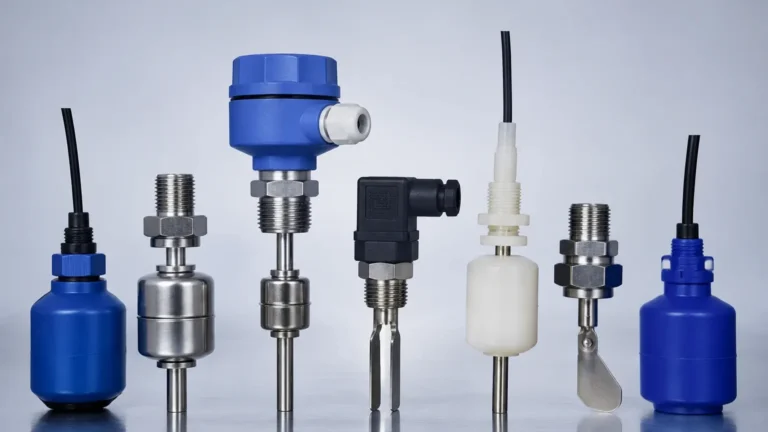
For engineers and fleet maintenance managers, understanding the principles behind these sensors is the first step in selecting appropriate replacements or upgrades. Industrial-grade Level Switches and sensors provide the necessary feedback to the lift’s electronic control unit (ECU) to enable or disable functions based on the safety envelope of the machine.
Measurement Principles in Scissor Lift Applications
Level sensing technology within a Genie scissor lift relies on several different physical principles depending on whether the goal is to measure the chassis angle or the fluid level in a tank.
1. Tilt and Inclination Sensing (Chassis Leveling)
Most modern scissor lifts utilize MEMS (Micro-Electro-Mechanical Systems) accelerometers or inclinometers. These sensors measure the force of gravity to determine the angle of the lift's chassis. If the sensor detects that the lift is on a slope exceeding the manufacturer’s rated limit (often 3 to 5 degrees depending on the model and extension height), it triggers an alarm and may cut off the lift and drive functions to prevent instability.
2. Hydrostatic Pressure Sensing
In hydraulic reservoirs, hydrostatic level transmitters measure the pressure exerted by the column of fluid. Since pressure is directly proportional to the height of the liquid (based on its density), these sensors provide a continuous reading of the oil level. This is particularly useful for detecting slow leaks that could eventually lead to pump cavitation.
3. Magnetic Float Level Switches
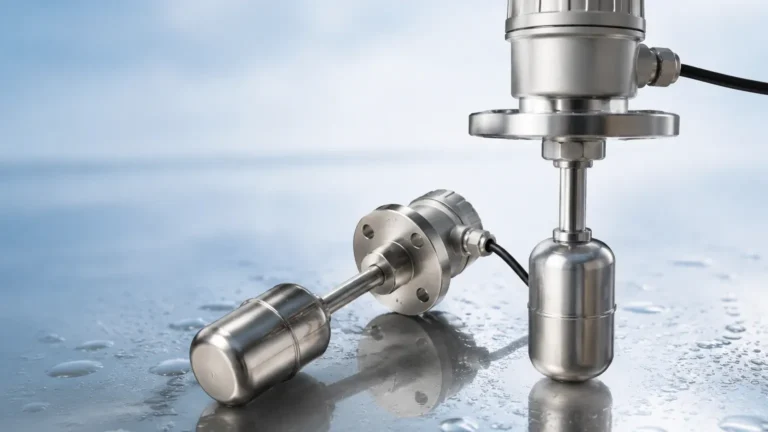
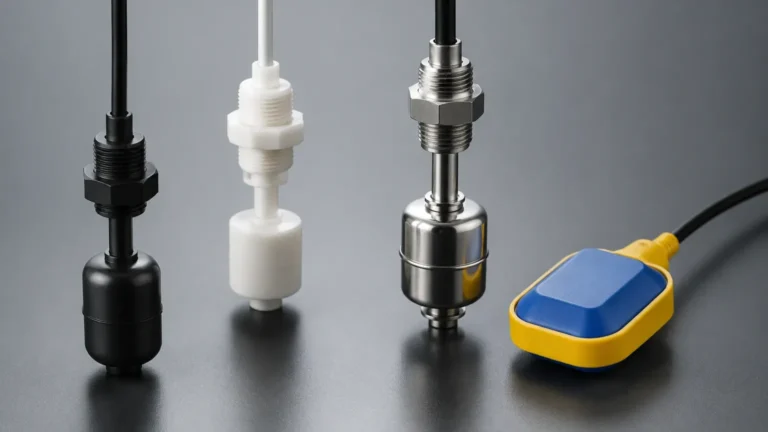
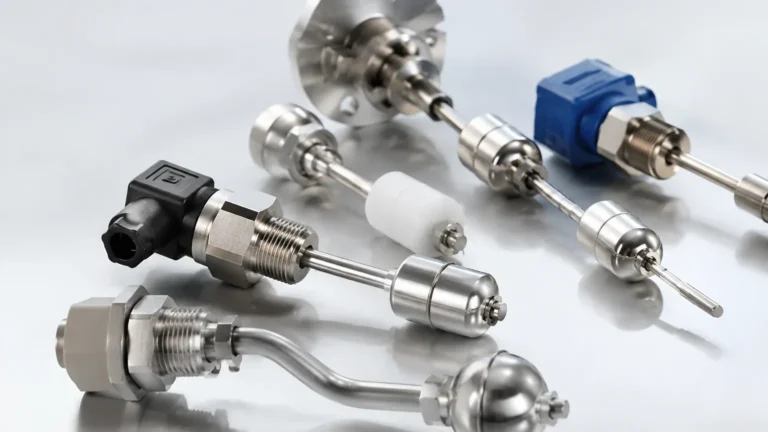
For point-level detection—such as "low fuel" or "low hydraulic oil" warnings—magnetic float switches are the industry standard. A float containing a permanent magnet moves along a stem. When the fluid level reaches a specific point, the magnet actuates a reed switch inside the stem, completing or breaking an electrical circuit. These Level Switches are valued for their reliability in high-vibration environments typical of construction equipment.
4. Ultrasonic Level Sensing
Non-contact ultrasonic sensors emit high-frequency sound waves that reflect off the surface of the liquid. The sensor measures the time-of-flight of the pulse to calculate the distance to the fluid. This technology is often used in fuel tanks where contact-based sensors might be prone to corrosion or mechanical wear.
Key Applications for Level Sensors in Genie Scissor Lifts
The integration of level sensing technology is distributed across several subsystems of the machine. Each application has specific requirements for accuracy and durability.
Hydraulic Fluid Monitoring
The hydraulic system is the heart of a scissor lift. A level sensor genie scissor lift application in the hydraulic tank ensures that there is sufficient oil to reach full extension. If the level drops too low, the sensor sends a signal to the controller to prevent the lift from rising, protecting the pump from running dry.
Fuel Level Management
For internal combustion models (engine-powered), accurate fuel level sensing prevents unexpected downtime on the job site. These sensors must be resistant to the chemical properties of diesel or gasoline and capable of providing steady readings even when the fuel sloshes during transport.
Tilt Safety Interlocks
The tilt sensor is perhaps the most critical safety component. It ensures the machine is operating within its stability limits. If the sensor fails or is bypassed, the risk of a catastrophic tip-over increases significantly. Modern Genie lifts use redundant tilt sensors to ensure that a single component failure does not compromise operator safety.
Technical Selection Criteria
When selecting a replacement level sensor or switch for a scissor lift, several technical parameters must be evaluated to ensure compatibility and longevity.
| Feature | Requirement for Scissor Lifts | Why It Matters |
| :— | :— | :— |
| Ingress Protection (IP) | IP67 or IP69K | Sensors are exposed to rain, dust, and high-pressure washing. |
| Vibration Resistance | Up to 10g or higher | Scissor lifts experience significant vibration from engines and rough terrain. |
| Operating Temperature | -40°C to +85°C | Equipment must operate in both arctic and desert environments. |
| Supply Voltage | 12V or 24V DC | Compatibility with standard mobile equipment electrical systems. |
| Output Signal | 4-20mA, 0-5V, or CANbus | Integration with the machine's digital or analog control system. |
Installation Considerations and Best Practices
Proper installation of a level sensor genie scissor lift component is as important as the sensor's quality. Incorrect mounting can lead to false readings or premature failure.
1. Mounting Orientation: For float switches, ensure the stem is perfectly vertical. Even a slight tilt can cause the float to bind against the stem, leading to stuck readings. For tilt sensors, they must be mounted on a machined flat surface on the chassis that is representative of the machine's true level.
2. Damping and Slosh Control: In fluid tanks, sensors should be placed away from return lines where turbulence is high. If using ultrasonic sensors, internal baffles in the tank can help minimize the impact of fluid sloshing on the sensor's accuracy.
3. Wiring and Shielding: Given the proximity to heavy-duty electric motors and alternators, level sensor wiring should be shielded to prevent electromagnetic interference (EMI) from corrupting the signal. Use high-quality, weather-sealed connectors (such as Deutsch or Amphenol) to prevent moisture ingress.
4. Calibration: After installation, tilt sensors must be zeroed on a known level surface. This process usually involves using the machine's onboard diagnostic tools to calibrate the sensor to the "home" position.
Limitations and Environmental Challenges
While level sensors are highly advanced, they are not without limitations. Understanding these boundaries helps in troubleshooting and maintenance.
* Temperature Sensitivity: Fluctuations in temperature can affect the density of hydraulic oil, which may slightly alter the readings of hydrostatic pressure sensors. High-quality sensors include internal temperature compensation to mitigate this effect.
* Surface Turbulence: In mobile applications, the constant movement of the machine causes the liquid surface to ripple. This can lead to "chattering" in simple level switches. To counter this, controllers often use software delays (e.g., the level must be low for 5 continuous seconds before an alarm is triggered).
* Coating and Buildup: In hydraulic systems, over time, a film of oil or varnish can build up on contact-based sensors. Regular inspection is required to ensure that floats move freely and that ultrasonic transducers are clean.
Safety Standards and Compliance
The design and implementation of level sensors in Genie scissor lifts are governed by international standards such as ANSI A92.20 in the United States and EN 280 in Europe. These standards mandate that MEWPs be equipped with an inclination sensing system that prevents certain movements if the chassis is out of level. Compliance with these standards is not optional; it is a legal requirement for equipment manufacturers and owners.
When sourcing Level Switches for these applications, ensure they carry the necessary certifications for use in industrial and mobile machinery. Using non-compliant or lower-grade sensors can void the machine's safety certification and increase liability in the event of an accident.
Frequently Asked Questions (FAQ)
Q: Why is my Genie scissor lift alarm sounding even on level ground?
A: This is often caused by a tilt sensor that has drifted out of calibration or a faulty level sensor genie scissor lift component. It can also be caused by debris interfering with the sensor's ability to read the horizon correctly. Check for physical obstructions and perform a recalibration according to the service manual.
Q: Can I replace a float switch with an ultrasonic sensor?
A: While possible, it requires significant changes to the machine's wiring and control logic. Float switches provide a simple digital signal (on/off), whereas ultrasonic sensors typically provide a continuous analog or digital signal. You must ensure the machine's ECU can interpret the new signal type.
Q: How often should level sensors be inspected?
A: Level sensors should be part of the daily pre-operation inspection. Operators should check that the tilt alarm is functional and that there are no visible leaks around tank sensors. A more thorough technical inspection should be performed during six-month or annual service intervals.
Q: What is the impact of using the wrong hydraulic oil on the level sensor?
A: If using a hydrostatic pressure sensor, a significant change in oil density (viscosity) can lead to inaccurate level readings. Always use the fluid types recommended by the manufacturer to ensure sensor accuracy.
Conclusion
Level sensors are the silent guardians of scissor lift safety and efficiency. Whether it is ensuring the chassis is stable or monitoring the lifeblood of the hydraulic system, these components must be selected and maintained with precision. By understanding the underlying measurement principles and adhering to strict installation and selection criteria, fleet managers can ensure their Genie scissor lifts remain reliable and compliant with global safety standards.