Z Switches
Z Switches
In the landscape of industrial automation and process control, point level detection remains a fundamental requirement for safety, overfill prevention, and pump control. Among the various components used to achieve reliable signaling, Z switches—often referring to high-precision limit switches or specific configurations of point level sensors—play a critical role. These devices are engineered to provide a binary output (on/off) when a specific liquid or solid level is reached within a vessel or tank.
For engineers and plant managers, understanding the mechanical and electronic principles behind these switches is essential for maintaining operational integrity. This guide explores the technical foundations of point level detection, the specific application of Z switches in industrial environments, and the criteria for selecting the most robust Level Switches for diverse media.
Principles of Point Level Detection and Z Switch Integration
Point level detection is the process of identifying when a material reaches a predetermined height. Unlike continuous level measurement, which provides a constant stream of data (e.g., 4-20mA or Modbus), a switch provides a discrete signal. This signal is typically used to trigger alarms, stop inflow, or start discharge cycles.
Mechanical Actuation
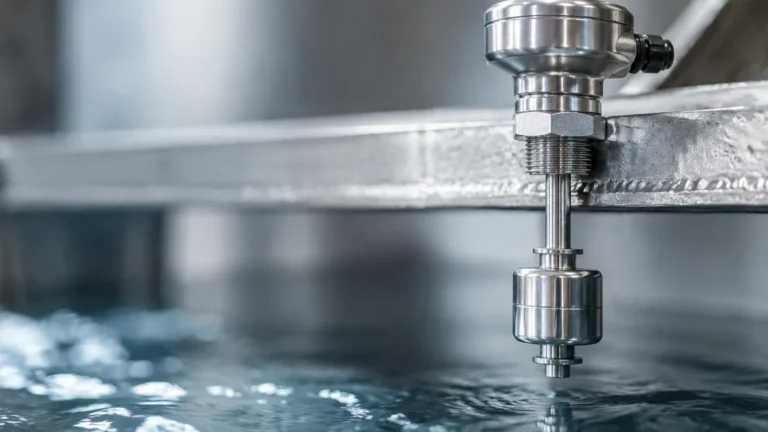
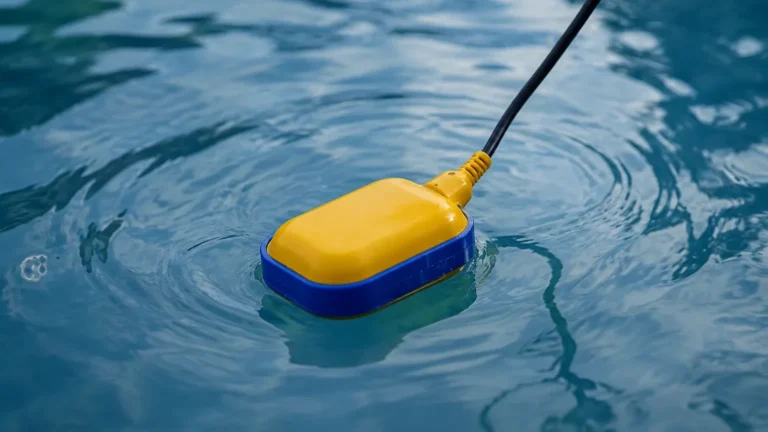
Z switches, particularly in their classic limit switch form, rely on mechanical displacement. In a level measurement context, this often involves a float or a displacer. As the liquid level rises, the buoyant force moves an arm or a rod that physically toggles the switch mechanism. The "Z" designation historically identifies a class of basic switches known for high precision and high current capacity, often featuring a snap-action mechanism. This snap-action ensures that the transition between the open and closed states is near-instantaneous, reducing electrical arcing and improving the repeatability of the level trip point.
Electronic and Solid-State Principles
Modern industrial applications often replace or augment mechanical Z switches with electronic point sensors. These operate on principles such as:
* Conductivity: Using the liquid as a conductor to close an electrical circuit between two electrodes.
* Capacitance: Detecting the change in dielectric constant when the sensor probe is submerged.
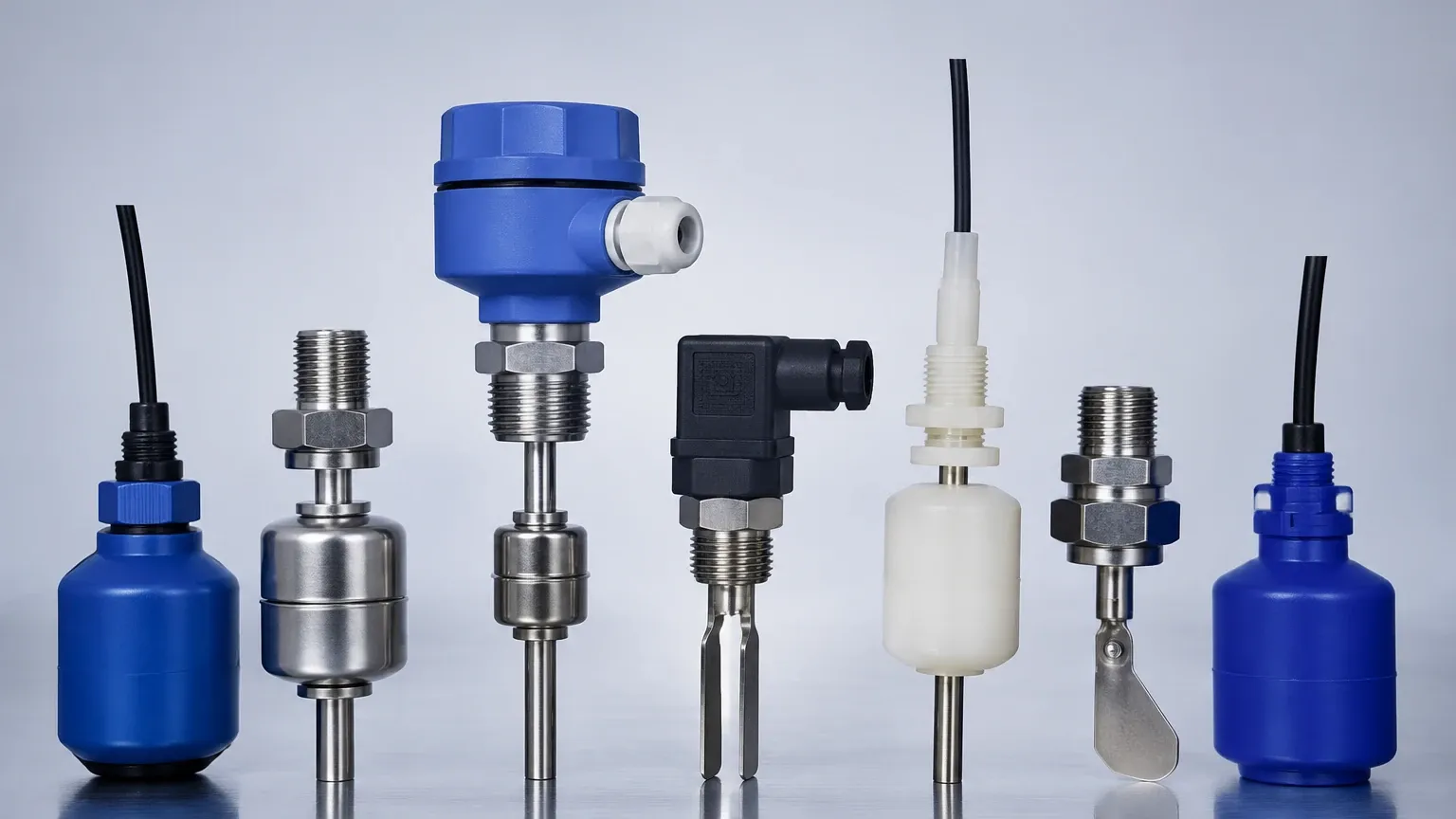
* Vibration: Utilizing a tuning fork that vibrates at a specific frequency in air; when submerged in liquid or powder, the frequency changes, triggering the internal relay.
Regardless of the sensing technology, the integration of the switch into the control loop follows standard B2B industrial protocols, ensuring compatibility with PLCs (Programmable Logic Controllers) and DCS (Distributed Control Systems).
Types of Level Switches and Their Applications
When evaluating Z switches and broader level detection technologies, it is important to match the sensor type to the physical properties of the media. Welk provides a range of solutions tailored to different industrial demands.
1. Magnetic Float Switches
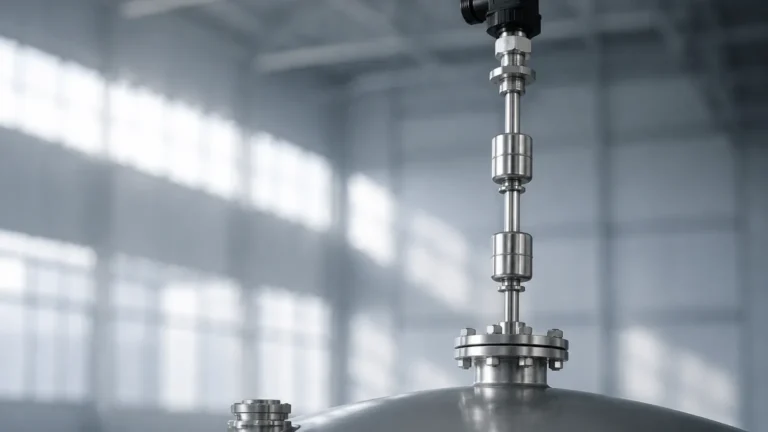
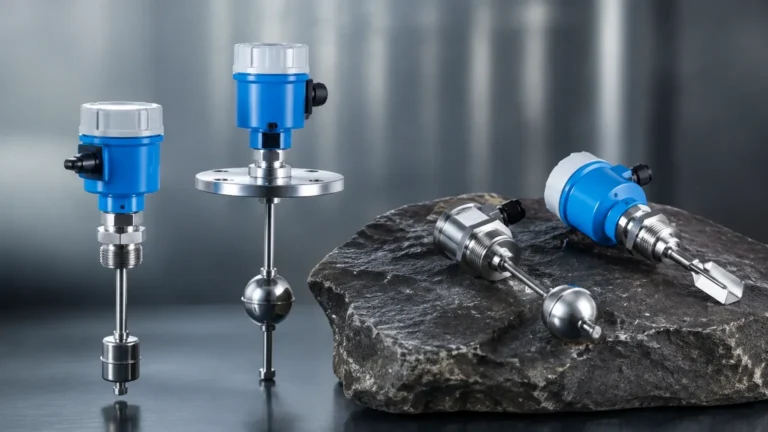
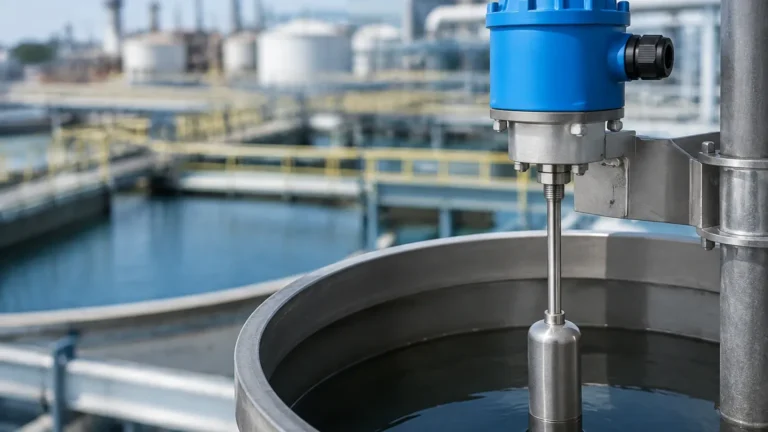
Magnetic float switches are the most common implementation of a mechanical switch in liquid environments. A float containing a permanent magnet moves along a stem. Inside the stem, a reed switch (or a high-precision Z-style limit switch in external cage designs) is actuated by the magnetic field. These are ideal for clean liquids and water treatment applications.
2. Vibrating Level Switches
Often referred to as tuning fork switches, these are highly versatile. They are unaffected by flow, turbulence, bubbles, or foam. Because they do not have moving parts that can clog or wear out, they are frequently used in the chemical and food processing industries where hygiene and low maintenance are priorities.
3. Ultrasonic Point Level Switches
These switches use ultrasonic waves to detect the presence of liquid in a gap. When the gap is filled with liquid, the ultrasonic signal is transmitted; when empty, the signal is attenuated. These are excellent for hazardous liquids where non-contact or minimal-contact sensing is preferred.
4. Hydrostatic and Pressure-Based Switches
While hydrostatic transmitters are usually used for continuous measurement, they can be configured with internal relays to function as high-accuracy switches. By measuring the weight of the liquid column (P = ρgh), the device triggers a state change at a specific pressure threshold.
Selection Criteria for Z Switches
Choosing the correct switch involves more than simply matching a pipe size. Engineers must perform a thorough analysis of the process conditions. The following table provides a comparison of common point level technologies used in industrial automation.
Technology Comparison Table
| Technology | Media Type | Temp. Range (°C) | Max Pressure (Bar) | Key Advantage |
| :— | :— | :— | :— | :— |
| Magnetic Float | Clean Liquids | -40 to 150 | Up to 40 | Low cost, no power required |
| Vibrating Fork | Liquids/Solids | -50 to 250 | Up to 64 | Immune to foam and turbulence |
| Capacitive | Powders/Liquids | -40 to 200 | Up to 25 | Can detect through non-metallic walls |
| Conductive | Conductive Liquids | -20 to 100 | Up to 10 | Simple, multi-point detection |
| Ultrasonic Gap | Viscous Liquids | -40 to 120 | Up to 20 | No moving parts, high reliability |
Material Compatibility
The wetted parts of the switch must be chemically compatible with the process media. Common materials include:
* 316L Stainless Steel: Standard for water, food, and mild chemicals.
* PP/PVC/PVDF: Utilized for highly corrosive acids and bases where metals would fail.
* PTFE Coating: Applied to stainless steel probes to prevent sticking in viscous or sticky media.
Installation and Wiring Considerations
Proper installation is paramount to the longevity of Z switches. A common point of failure in industrial level control is improper mounting, which leads to false triggers or mechanical fatigue.
Mounting Positions
* Top Mounting: Typically used for high-level alarms. The probe or float stem hangs vertically into the tank. It is essential to ensure the probe length is accurately calculated to account for the "dead zone" near the tank roof.
* Side Mounting: Ideal for both high and low-level detection. Side-mounted switches are often installed via NPT/G threads or flanges. In tanks with heavy agitation, a stilling well may be required to protect the switch from lateral forces.
Electrical Configuration
Z switches and industrial level sensors generally offer several output options:
* SPDT (Single Pole Double Throw): Provides one normally open (NO) and one normally closed (NC) contact. This is the standard for most alarm circuits.
* DPDT (Double Pole Double Throw): Provides two sets of contacts, allowing the switch to trigger an alarm and a physical pump stop simultaneously through independent circuits.
* Transistor Output (PNP/NPN): Common in DC-powered electronic switches for high-speed switching and direct PLC integration.
Wiring for Safety
In hazardous areas (Ex-rated zones), switches must be wired through intrinsically safe barriers. This limits the energy available to the switch, preventing sparks that could ignite flammable vapors. Always verify the ATEX or IECEx rating of the switch housing before installation in oil and gas or chemical environments.
Limitations and Common Risks
While Z switches are robust, they are not universal solutions. Certain process conditions can compromise their accuracy:
1. Build-up and Coating: In wastewater or slurry applications, material can accumulate on the sensing element. For mechanical float switches, this can cause the float to stick. For capacitive switches, build-up can lead to false "full" signals. In these cases, vibrating forks or non-contact radar are preferred.
2. Turbulence: Rapidly swirling liquid can cause mechanical floats to bounce, leading to "chatter" in the relay. This can be mitigated by using electronic switches with a programmable delay (hysteresis).
3. Specific Gravity Changes: Mechanical float switches are calibrated for a specific density. If the process fluid changes (e.g., switching from water to an oil-based chemical), the float may no longer sit at the correct buoyancy level, shifting the trip point.
4. Vacuum Conditions: Some low-cost switches are not rated for vacuum. Under negative pressure, seals can fail, allowing process fluid to enter the electrical housing.
Frequently Asked Questions (FAQs)
Q: Can a Z switch be used for both high and low-level detection?
A: A single point switch can only detect one level. To have both high and low detection, you must install two separate switches or use a multi-point float switch assembly.
Q: What is the difference between a limit switch and a level switch?
A: A limit switch is a general-purpose mechanical switch (like the Z-series) used to detect the position of a machine part. A level switch is a specialized sensor designed to detect the presence of a fluid or solid at a specific point in a container.
Q: How do I test if my level switch is functioning correctly?
A: For mechanical switches, a manual lift test of the float is standard. For electronic switches, most modern units include a "test" button or a magnetic test point that simulates a submerged state to verify the relay logic.
Q: Are Z switches suitable for hygienic applications?
A: Yes, provided they are housed in stainless steel with appropriate tri-clamp fittings and meet FDA or EHEDG standards for surface roughness (typically < 0.8 μm Ra).
Conclusion
Z switches and their modern electronic counterparts are indispensable tools in the industrial sector. Whether used for simple sump pump control or critical high-level shutdowns in chemical reactors, the reliability of these devices hinges on correct technology selection and precise installation. By understanding the physical principles of the media and the mechanical limits of the hardware, engineers can implement level control solutions that minimize downtime and maximize safety. For those seeking to upgrade their current systems or specify new projects, reviewing the latest advancements in Level Switches is a necessary step in ensuring long-term operational success.