Level Switch in Water Tank
Level Switch in Water Tank
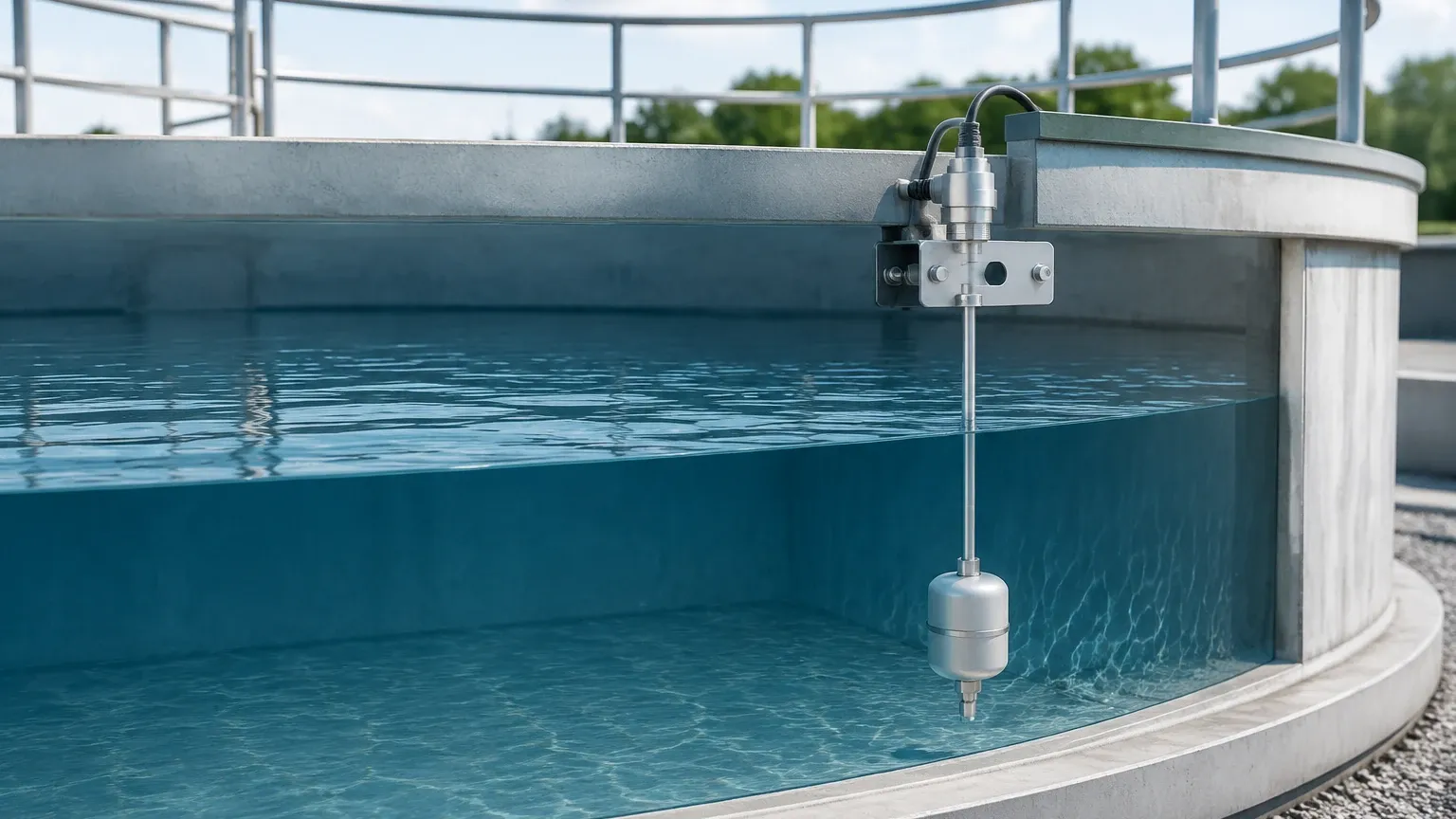
Maintaining the correct volume of liquid in industrial and municipal storage systems is a fundamental requirement for process stability and equipment protection. A level switch in water tank applications serves as the primary safeguard against dry-running pumps, tank overflows, and inefficient water distribution. Unlike continuous level transmitters that provide a constant data stream of the exact volume, a level switch is a point-level device designed to trigger an action—such as starting a pump or sounding an alarm—when the water reaches a specific predetermined height.
For engineers and facility managers, selecting the appropriate technology from the broad category of Level Switches requires a technical understanding of fluid dynamics, material compatibility, and the physical principles that govern sensor activation.
Core Measurement Principles for Level Switches
Before selecting a specific model, it is essential to understand the physics behind how these devices detect the presence or absence of water. Each principle offers distinct advantages depending on the water quality and tank environment.
1. Buoyancy (Float Switches)
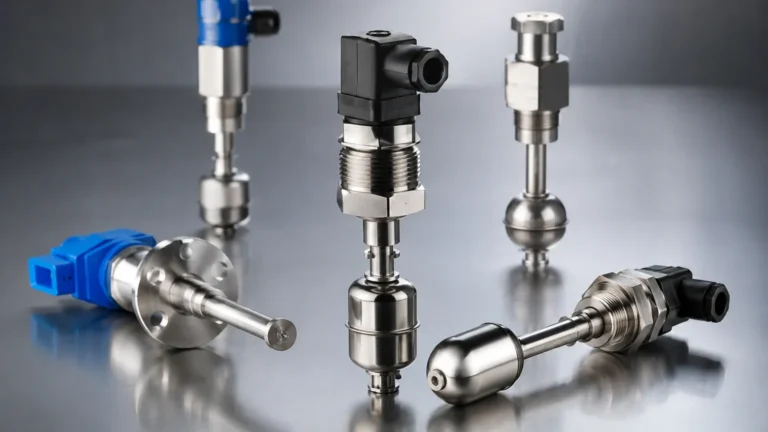
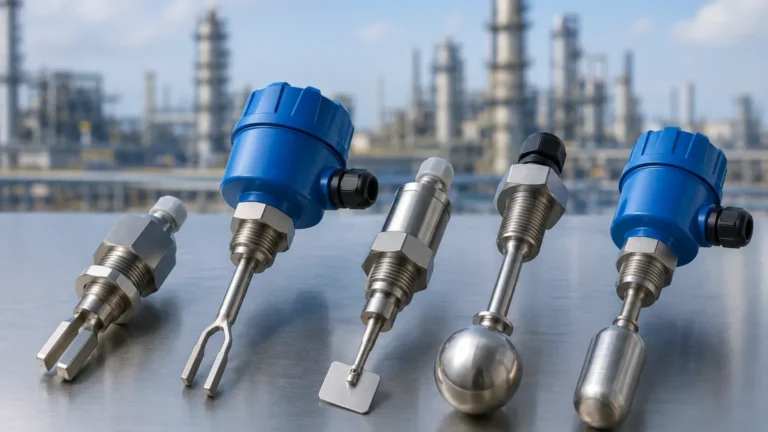
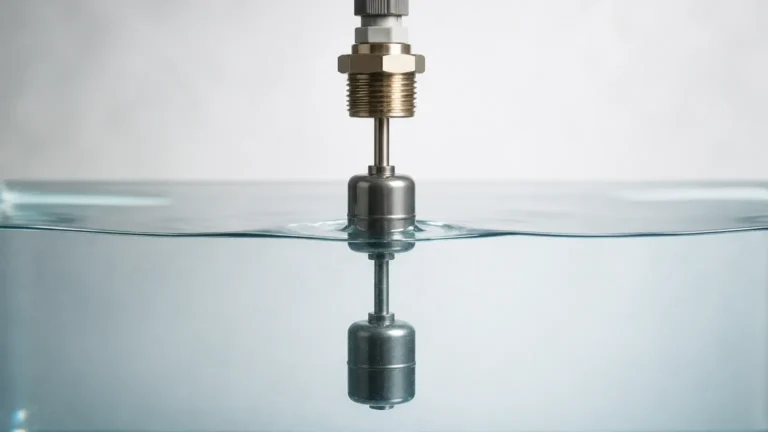
Float switches are the most traditional form of level detection. They operate on the principle of buoyancy, where a float—typically made of stainless steel or plastic—rises and falls with the water level. Inside the float or the mounting stem, a magnet actuates a reed switch or a mechanical microswitch. In a level switch in water tank setup, these are often used for high-level alarms or low-level pump protection due to their simplicity and low cost.
2. Vibration (Tuning Fork Switches)
This technology utilizes a sensing element shaped like a tuning fork, which is vibrated at its resonant frequency by internal piezoelectric crystals. When the fork is submerged in water, the frequency of vibration changes due to the increased density of the medium compared to air. An internal electronic circuit detects this frequency shift and converts it into a switching signal. Tuning fork switches are highly reliable because they are not affected by foam, bubbles, or moderate turbulence.
3. Capacitance
Capacitance level switches treat the probe and the tank wall (or a reference electrode) as two plates of a capacitor. Water has a significantly higher dielectric constant (approximately 80) compared to air (1). As the water level rises and covers the probe, the capacitance of the system increases. This change is measured by the sensor’s electronics to determine the switch state. These are particularly useful in tanks where mechanical moving parts might become stuck due to mineral deposits.
4. Hydrostatic Pressure
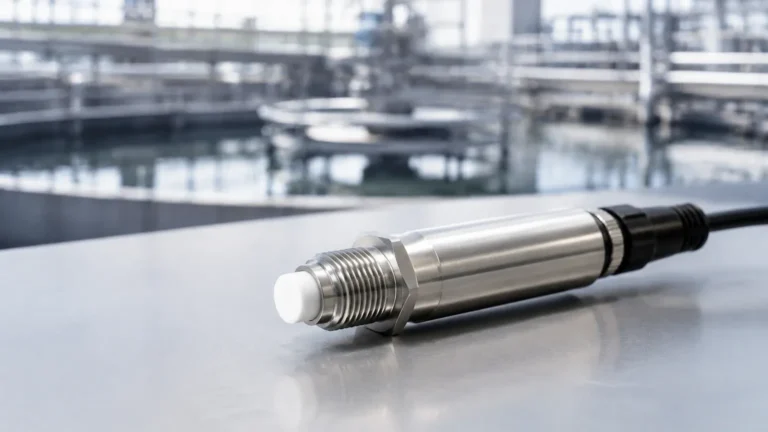
While often used for continuous measurement, hydrostatic pressure sensors can be configured with integrated switch outputs. The sensor measures the weight of the water column above it. For a level switch in water tank application, the pressure (P) is equal to the density of the water (ρ) multiplied by gravity (g) and the height of the liquid (h). When the pressure reaches a specific threshold, the switch is triggered.
Key Evaluation Criteria for Water Tank Applications
Selecting the right level switch in water tank environments involves more than just choosing a technology; it requires matching the instrument to the specific operational conditions of the facility.
Water Quality and Composition
* Potable Water: Requires food-grade materials, such as SS316 or certified plastics, to ensure no contaminants leach into the supply.
* Wastewater/Greywater: These environments often contain suspended solids or biological growth. Non-contact or vibration-based switches are preferred here to prevent mechanical failure from debris entanglement.
* Deionized/Ultrapure Water: Low conductivity in these fluids may render certain conductive-type switches ineffective, making ultrasonic or float switches a better choice.
Tank Geometry and Material
The physical structure of the tank dictates the mounting style. For deep underground reservoirs, a cable-suspended float or a submersible hydrostatic switch is often the most practical. For smaller process tanks, side-mounted (horizontal) or top-mounted (vertical) rigid probes are standard. If the tank is made of plastic or fiberglass, capacitance switches may require a dedicated ground reference or a dual-probe configuration.
Environmental Conditions
* Temperature: Standard water tanks operate between 5°C and 40°C, but industrial process water can exceed 80°C. Ensure the sensor housing and seals (such as EPDM or Viton) can withstand the maximum expected temperature.
* Pressure: Most atmospheric water tanks do not require high-pressure ratings, but pressurized surge tanks may require switches rated for 10 bar (145 psi) or higher.
Selection Guide and Technical Comparison
The following table provides a comparison of common technologies used for a level switch in water tank applications to assist in the initial engineering phase.
| Technology | Accuracy | Maintenance Need | Ideal Application | Limitations |
| :— | :— | :— | :— | :— |
| Mechanical Float | Moderate | High | Simple sump pumps, non-critical alarms | Prone to sticking if scaling occurs |
| Tuning Fork | High | Low | Industrial process water, bypass pipes | Not suitable for very high-viscosity sludge |
| Capacitance | High | Medium | Small tanks, chemical dosing | Sensitive to heavy coating/build-up |
| Ultrasonic Switch | High | Very Low | Corrosive liquids, non-contact needs | Affected by heavy surface foam |
| Hydrostatic | High | Low | Deep wells, large reservoirs | Requires vented cable for atmospheric comp |
Installation Best Practices for Reliable Operation
Even the highest quality level switch in water tank systems will fail if installed incorrectly. Proper placement is critical to avoiding false triggers and premature wear.
1. Avoid the "Splash Zone": Never install a level switch directly beneath a tank inlet. The turbulence and falling water can cause the switch to oscillate rapidly (chatter), which can damage pumps and shorten the life of the switch contacts.
2. Stilling Wells: In tanks with high agitation or surface waves, install the switch inside a stilling well (a vertical pipe with vent holes). This provides a calm surface for the sensor to measure accurately.
3. Mounting Orientation: For horizontal float switches, ensure there is enough clearance for the float to move through its full arc. For vertical probes, ensure the probe is perfectly plumb to prevent lateral stress on the mounting threads.
4. Wiring and Protection: Use shielded cables for electronic switches to prevent electromagnetic interference (EMI) from nearby high-voltage pump motors. Ensure the cable entry point is sealed with a proper gland to maintain the IP65/IP68 rating of the enclosure.
5. Dead Band Adjustment: If the switch is controlling a pump directly, ensure there is an appropriate "dead band" or hysteresis. This prevents the pump from turning on and off too frequently when the water level is right at the switching point.
Managing Common Risks and Maintenance Requirements
While modern Level Switches from manufacturers like Welk are designed for longevity, certain environmental risks must be managed.
Scaling and Calcification
In regions with hard water, calcium carbonate deposits can build up on the sensing elements. On a float switch, this can increase the weight of the float or jam the pivot mechanism. On capacitance probes, scaling can change the detected dielectric constant. Regular inspection and cleaning with a mild descaling agent are recommended every 6 to 12 months.
Turbulence and Foam
Surface foam is common in water treatment tanks. Ultrasonic sensors may struggle to penetrate foam, leading to false "tank full" readings. In these cases, a tuning fork switch is superior as it ignores the foam and only triggers when it contacts the liquid phase.
Electrolytic Corrosion
When using metal probes in water tanks, ensure that the materials are compatible with the tank and any internal components to prevent galvanic corrosion. Using SS316L is generally the standard for industrial water applications to ensure a long service life.
Frequently Asked Questions
Q: Can I use a single level switch to start and stop a pump?
A: While a single switch with a large hysteresis can sometimes manage this, it is standard engineering practice to use two switches: a "Low Level" switch to start the pump and a "High Level" switch to stop it. This prevents rapid cycling and provides a clear control logic.
Q: What is the difference between NPN and PNP outputs in electronic level switches?
A: These refer to the type of transistor output. PNP (Sourcing) provides a positive voltage when the switch is active, while NPN (Sinking) provides a path to ground. The choice depends on the input requirements of your PLC or control relay.
Q: How do I choose between a plastic and a stainless steel level switch in water tank applications?
A: Plastic (PP or PVC) is excellent for cost-effectiveness and resistance to certain chemicals, but it is more fragile and has lower temperature limits. Stainless steel (SS304/316) is the preferred choice for industrial environments due to its mechanical strength and durability.
Q: Is a level switch better than a level transmitter for a water tank?
A: It depends on the goal. If you only need to know when the tank is full or empty to trigger an action, a switch is more cost-effective and simpler to integrate. If you need to monitor the exact percentage of water (e.g., 45% full) for inventory management, a continuous transmitter is required.
For specialized applications requiring high precision or integration into complex automation systems, Welk provides a range of customized OEM/ODM solutions. Confirming the specific chemical properties of your water and the physical constraints of your tank is the first step toward a reliable level control system.