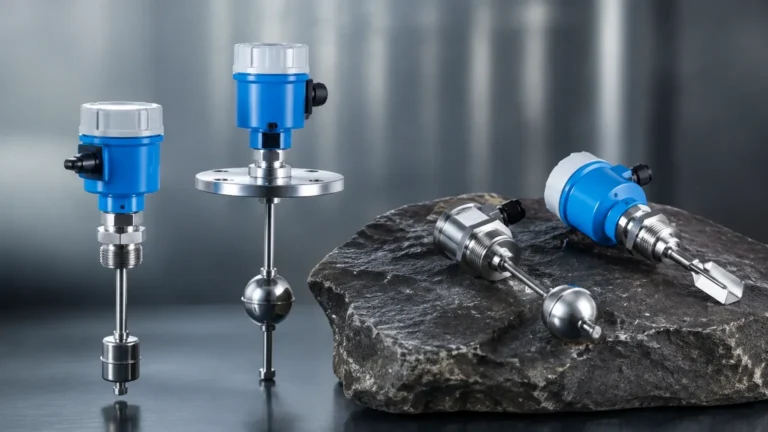
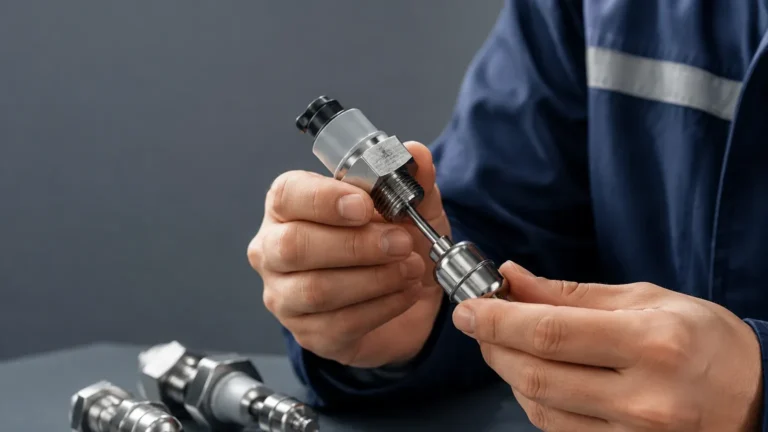
Level Sensor X5
Level Sensor X5
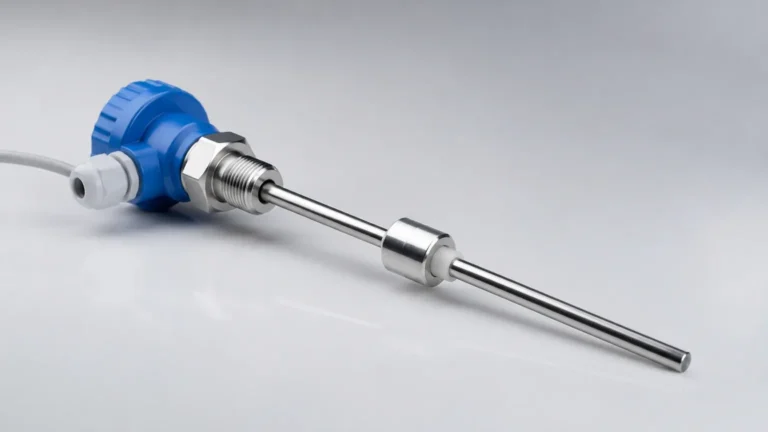
In industrial process control, the accuracy and reliability of point-level detection often dictate the safety and efficiency of an entire production line. The Level Sensor X5 represents a specialized category of high-performance instrumentation designed to address the complexities of modern industrial environments. Whether managing corrosive chemicals in a processing plant or monitoring water levels in municipal treatment facilities, selecting the correct level switch technology is a critical engineering decision.
This guide examines the technical foundations, application scenarios, and selection criteria for the Level Sensor X5 series, providing engineers and plant managers with the factual data required to optimize their level measurement systems.
Measurement Principles of Point-Level Detection
Before evaluating the specific features of the Level Sensor X5, it is essential to understand the physical principles that govern industrial Level Switches. These devices are primarily used for high-level alarm (overfill protection) or low-level alarm (dry-run protection).
Vibrating Fork Technology
One of the most common principles utilized in high-end sensors like the Level Sensor X5 is the vibrating fork (tuning fork) method. The sensor's tines are driven to vibrate at their natural resonant frequency by a piezoelectric crystal. When the tines are submerged in a liquid or solid medium, the frequency of vibration shifts. The electronic circuit detects this change and triggers a switching output. This method is highly resistant to changes in pressure, temperature, and foam.
Capacitive Level Sensing
Capacitive sensors operate by measuring the change in electrical capacitance between the sensor probe and the tank wall (or a reference electrode). As the medium rises, it displaces air, which has a lower dielectric constant than most liquids or solids. This change in capacitance is converted into a switching signal. This technology is particularly effective for non-conductive materials and can be calibrated to ignore build-up on the probe.
Ultrasonic Point-Level Detection
Ultrasonic sensors emit high-frequency sound waves. In point-level applications, the sensor typically measures the attenuation or reflection of the signal within a gap. If the gap is filled with liquid, the signal transmits differently than if it were filled with air. This non-contact or gap-based approach is ideal for applications where mechanical wear must be minimized.
Technical Specifications of the Level Sensor X5
The Level Sensor X5 is engineered for versatility across multiple industries. Below are the standard technical parameters typically associated with this class of industrial instrumentation:
* Housing Material: Stainless Steel 316L or reinforced PBT plastic.
* Process Connection: G1/2", G1", or NPT threads, with optional flange mounts.
* Operating Pressure: Up to 40 bar (4.0 MPa), depending on the specific model and process connection.
* Temperature Range: Standard models operate from -40°C to +150°C. High-temperature variants can extend to +250°C.
* Output Options: PNP/NPN transistor outputs, relay contacts, or 2-wire 4-20mA loop-powered switches.
* Ingress Protection: IP66/IP67 as standard; IP68 for submersible applications.
Selection Criteria for Industrial Level Switches
Choosing the right configuration for a Level Sensor X5 requires a detailed analysis of the process media and the environmental conditions. The following table provides a comparison of common technologies used within the X5 framework to assist in the selection process.
| Feature | Vibrating Fork | Capacitive | Ultrasonic (Gap) | Float Switch |
| :— | :— | :— | :— | :— |
| Media Type | Liquids, Powders | Liquids, Solids | Clean Liquids | Clean Liquids |
| Viscosity Limit | Up to 10,000 mm²/s | Moderate | Low | Low |
| Foam Resistance | Excellent | Poor to Fair | Fair | Good |
| Build-up Sensitivity | Low | High (unless compensated) | Moderate | High |
| Maintenance | Very Low | Low | Low | Moderate |
| Cost Index | Moderate | Low to Moderate | Moderate | Low |
Media Characteristics
The chemical compatibility of the sensor wetted parts must be verified against the process medium. For example, while Stainless Steel 316L is suitable for water and many oils, highly acidic or alkaline solutions may require PTFE coating or specialized alloys like Hastelloy.
Process Dynamics
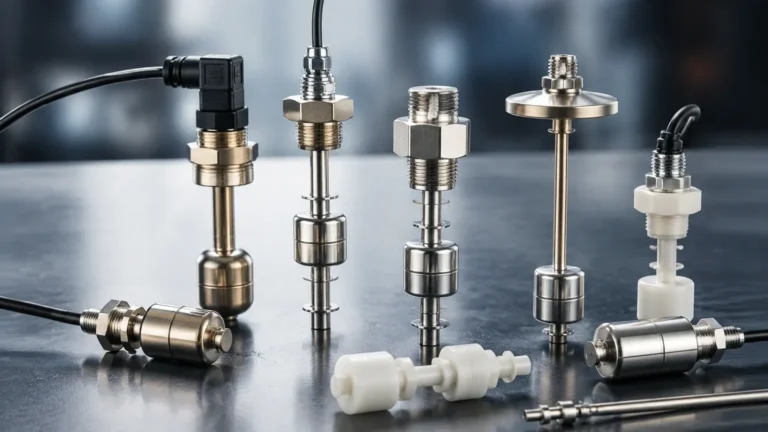
In tanks with high turbulence or agitation, mechanical float switches are prone to premature failure. In these instances, the Level Sensor X5 utilizing vibrating fork technology is preferred due to its lack of moving parts and high immunity to mechanical vibration.
Installation Considerations and Best Practices
Correct installation is as vital as sensor selection. Even the most advanced Level Sensor X5 will provide unreliable data if positioned incorrectly within a vessel.
1. Avoid the Inflow Stream: Never install a level switch directly in the path of the falling material. The kinetic energy of the inflow can cause false triggers or mechanical damage to the sensor tines.
2. Orientation: For vibrating fork sensors, the tines should be oriented so that the liquid can easily drain off them. In horizontal installations, ensure the tines are vertical (side-by-side) rather than horizontal (one above the other) to prevent material entrapment.
3. Distance from Walls: To avoid interference, capacitive and ultrasonic sensors must be installed at a minimum distance from the tank wall, typically specified as 10% of the tank diameter or a minimum of 100mm.
4. Nozzle Length: Ensure the active part of the sensor extends beyond the mounting nozzle into the vessel. If the sensor is recessed within a long nozzle, material may become trapped, leading to a "stuck" high-level signal.
5. Wiring and Grounding: Proper grounding of the sensor housing is essential, especially for capacitive sensors, to ensure a stable reference point for measurement.
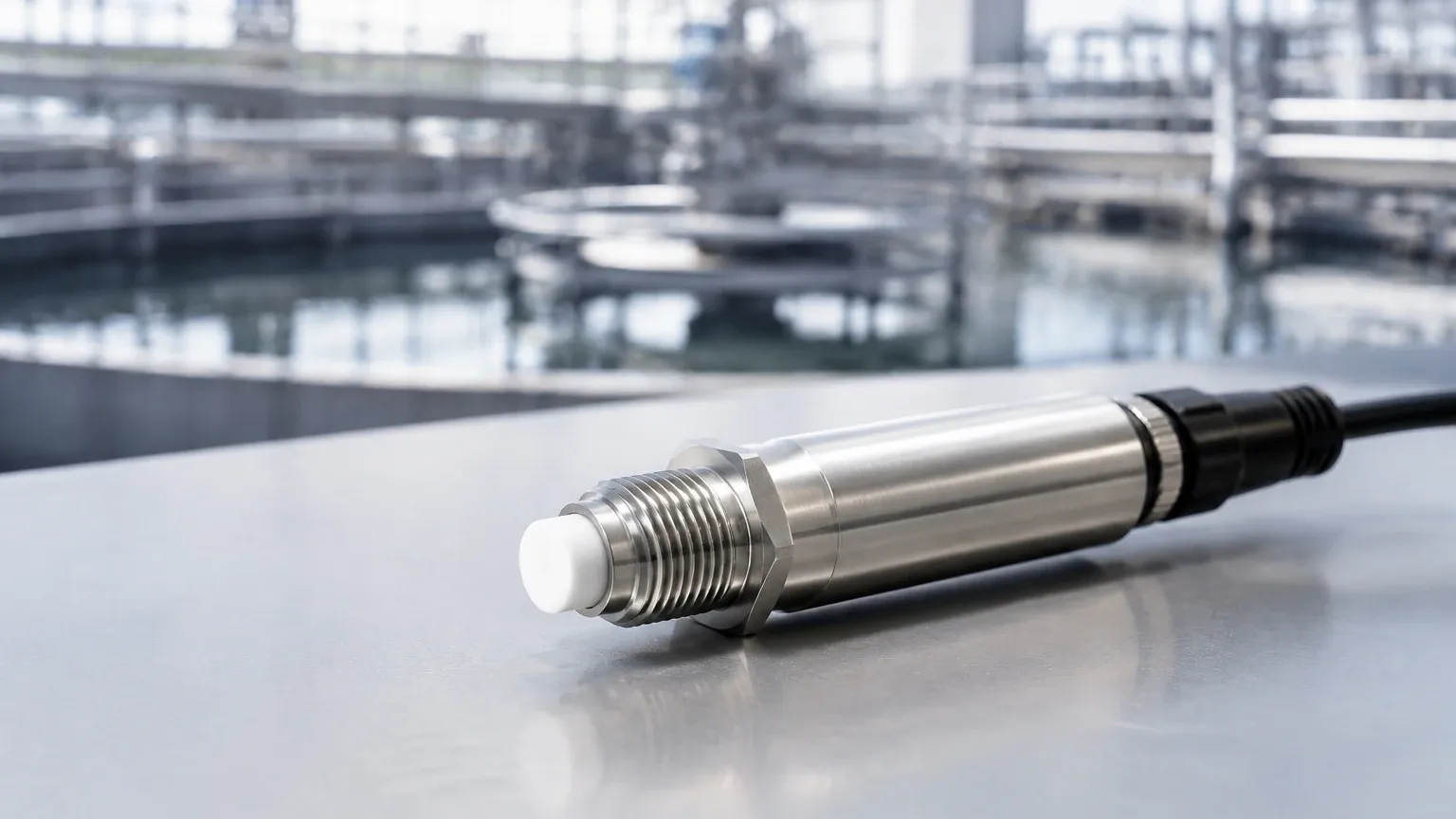
Limitations and Operational Risks
While the Level Sensor X5 is a robust solution, certain conditions can limit its effectiveness:
* Heavy Coating: While some technologies can ignore thin films, heavy, conductive build-up (such as thick sludge or crystallizing salts) can bridge the gap between tines or electrodes, causing a permanent "covered" state.
* Extreme Turbulence: While vibrating forks are stable, extreme turbulence can occasionally cause cavitation around the sensor, leading to intermittent switching.
* Dielectric Changes: For capacitive models, if the dielectric constant of the medium changes significantly (e.g., switching from an oil-based to a water-based liquid), the sensor may require recalibration.
* Vacuum Applications: Some ultrasonic gap sensors may struggle in high-vacuum environments where sound transmission is inhibited.
Application Scenarios
Water and Wastewater Treatment
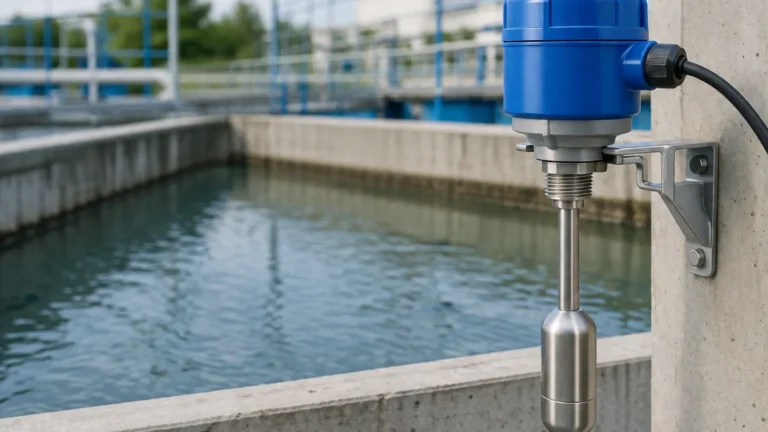
In pump stations and treatment tanks, the Level Sensor X5 is frequently used for dry-run protection of expensive centrifugal pumps. By detecting the absence of liquid in the suction pipe, the switch can trigger an emergency shutdown before the pump seals are damaged.
Chemical Processing
In chemical dosing tanks, the X5 provides overfill protection. Its ability to be constructed from corrosion-resistant materials ensures a long service life even when exposed to aggressive reagents like sulfuric acid or sodium hydroxide.
Food and Beverage
For hygienic applications, the Level Sensor X5 is available with polished surfaces and Tri-Clamp connections. These versions are designed to withstand Clean-in-Place (CIP) and Steam-in-Place (SIP) cycles, where temperatures can reach 130°C for sterilization.
Frequently Asked Questions (FAQ)
Q: Can the Level Sensor X5 be used for continuous level measurement?
A: No, the X5 is a point-level switch designed to detect the presence or absence of material at a specific height. For continuous measurement (0-100%), radar or ultrasonic transmitters are required.
Q: How do I test the sensor without filling the tank?
A: Most Level Sensor X5 models include a magnetic test point or a local test button on the electronics module. Touching a magnet to the designated area on the housing simulates a covered state, allowing you to verify the loop and alarm logic.
Q: Is it possible to adjust the sensitivity of the switch?
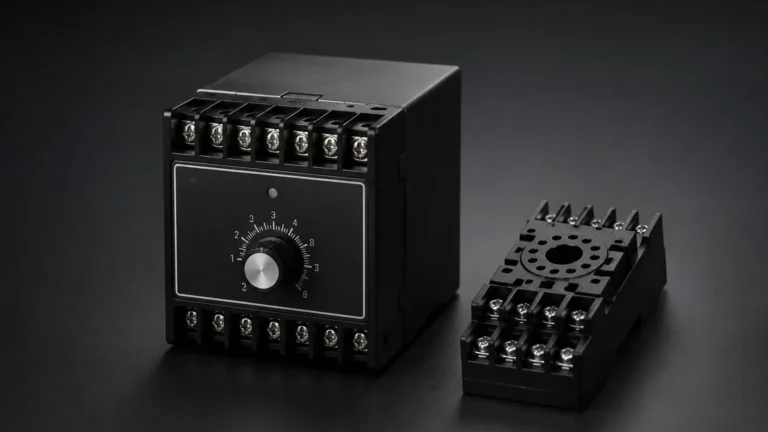
A: Yes, many models feature a sensitivity adjustment (potentiometer or DIP switch) to allow the sensor to distinguish between the actual liquid level and foam or heavy vapors.
Q: What is the typical lifespan of an X5 sensor?
A: In standard water or oil applications, these sensors typically have an operational life exceeding 10 years. In highly corrosive or abrasive environments, the lifespan depends on the wear rate of the wetted materials.
Conclusion
The Level Sensor X5 is a cornerstone of industrial automation, providing the reliable point-level data necessary for safe and efficient operations. By understanding the underlying measurement principles and adhering to rigorous selection and installation standards, engineers can ensure their systems remain protected against overfills and dry-runs. For those seeking to integrate these solutions into their infrastructure, exploring the full range of Level Switches is the first step toward achieving precise process control.