Kenco Level Switches
Kenco Level Switches
In the landscape of industrial process control, point level detection serves as a critical safeguard for overfill prevention, pump protection, and automated inventory management. Among the established names in this sector, Kenco level switches have earned a reputation for reliability in demanding environments, particularly within the oil and gas, petrochemical, and power generation industries. This guide provides a technical overview of the measurement principles, selection criteria, and installation considerations for these instruments, alongside a broader look at modern level switch technologies.
Understanding Point Level Detection Principles
Before selecting a specific instrument, it is essential to understand the physics governing point level detection. Unlike continuous level transmitters that provide a 4-20mA or digital signal representing the exact level, a level switch is designed to trigger a discrete output (typically a relay or transistor switch) when the material reaches a specific height.
Mechanical Buoyancy (Float and Displacer)
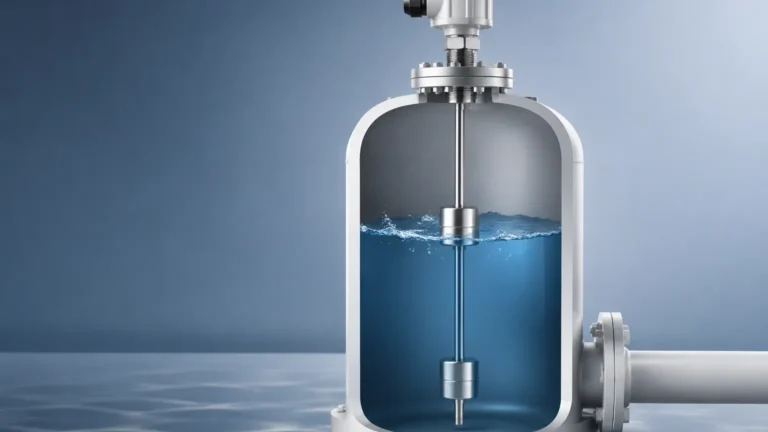
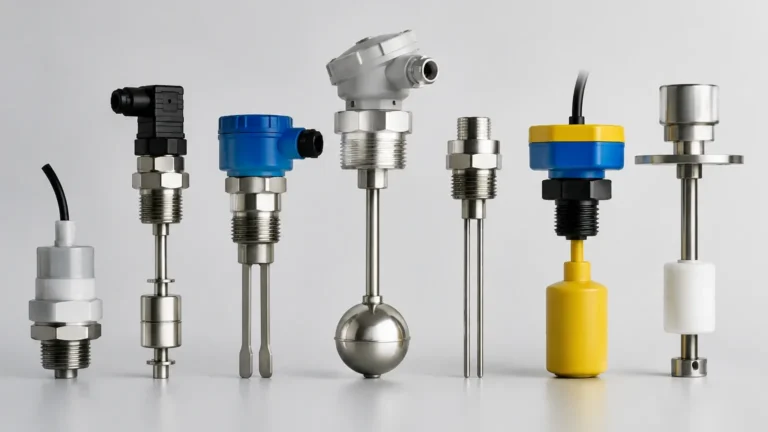
Mechanical level switches rely on Archimedes' principle. A float, designed with a lower density than the process liquid, remains on the surface. As the liquid level rises, the float moves an internal magnetic sleeve into the field of an externally mounted switch mechanism. This isolation ensures that the electrical components never come into contact with the process media.
Displacer switches operate slightly differently. Instead of floating on the surface, a weighted displacer is suspended by a spring. When the liquid reaches the displacer, the buoyant force reduces the effective weight of the displacer, causing the spring to retract and actuate the switch. This method is often preferred for turbulent liquids or high-pressure applications.
Thermal Dispersion
Thermal dispersion switches, a hallmark of many high-end level switch lines including those from Kenco, utilize the principle of heat transfer. The sensor consists of two thermistors: one is heated, and the other serves as a reference for the ambient process temperature. When the sensor is in air or gas, the heat dissipation is low, creating a high temperature differential. When submerged in a liquid, the higher thermal conductivity of the liquid carries heat away rapidly, narrowing the temperature differential and triggering the switch.
Ultrasonic Gap Technology
Ultrasonic level switches use a pair of crystals (a transmitter and a receiver) separated by a small gap. When the gap is filled with air, the ultrasonic signal is attenuated and does not reach the receiver. When liquid fills the gap, the signal propagates through the medium, signaling the presence of the liquid. This technology is highly effective for clean liquids and requires no moving parts.
Overview of Kenco Level Switch Technologies
Kenco Engineering Company has specialized in liquid level instrumentation for decades. Their product line is characterized by robust construction, often utilizing 316 stainless steel and explosion-proof housings suitable for hazardous areas.
Magnetic Float Switches
Kenco’s magnetic float switches are frequently used in conjunction with their magnetic level gauges or as standalone units. These switches are valued for their simplicity. Because the switching mechanism is magnetically coupled, there are no seals or bellows to leak, which is a significant advantage in high-pressure steam or volatile chemical applications.
Thermal Dispersion Switches
Kenco level switches employing thermal dispersion are particularly effective for detecting the interface between two different liquids (such as oil and water) or for flow/no-flow detection in pipelines. Because they do not have moving parts, they are resistant to mechanical wear and can withstand high-vibration environments that might cause mechanical floats to fail or provide false readings.
Electric and Pneumatic Options
Depending on the facility's infrastructure, Kenco offers both electric (SPDT/DPDT relays) and pneumatic switch outputs. Pneumatic switches are essential in remote oilfield locations where electrical power is unavailable or where the risk of spark must be entirely eliminated without the cost of explosion-proof electrical runs.
Selection Criteria for Industrial Level Switches
Choosing the correct instrument requires a detailed analysis of the process conditions. Engineers must evaluate several factors to ensure the longevity and accuracy of the device.
| Selection Factor | Consideration | Recommended Technology |
| :— | :— | :— |
| Media Density | Low specific gravity (SG < 0.5) | Displacer or Thermal |
| Viscosity | High viscosity/Coating liquids | Thermal Dispersion |
| Pressure | High pressure (> 100 bar) | Magnetic Float or Displacer |
| Temperature | Extreme heat (> 200°C) | Mechanical Float with Heat Fins |
| Turbulence | High agitation or splashing | Displacer or Ultrasonic Gap |
| Cleanliness | Presence of solids or debris | Thermal (Non-contacting options preferred) |
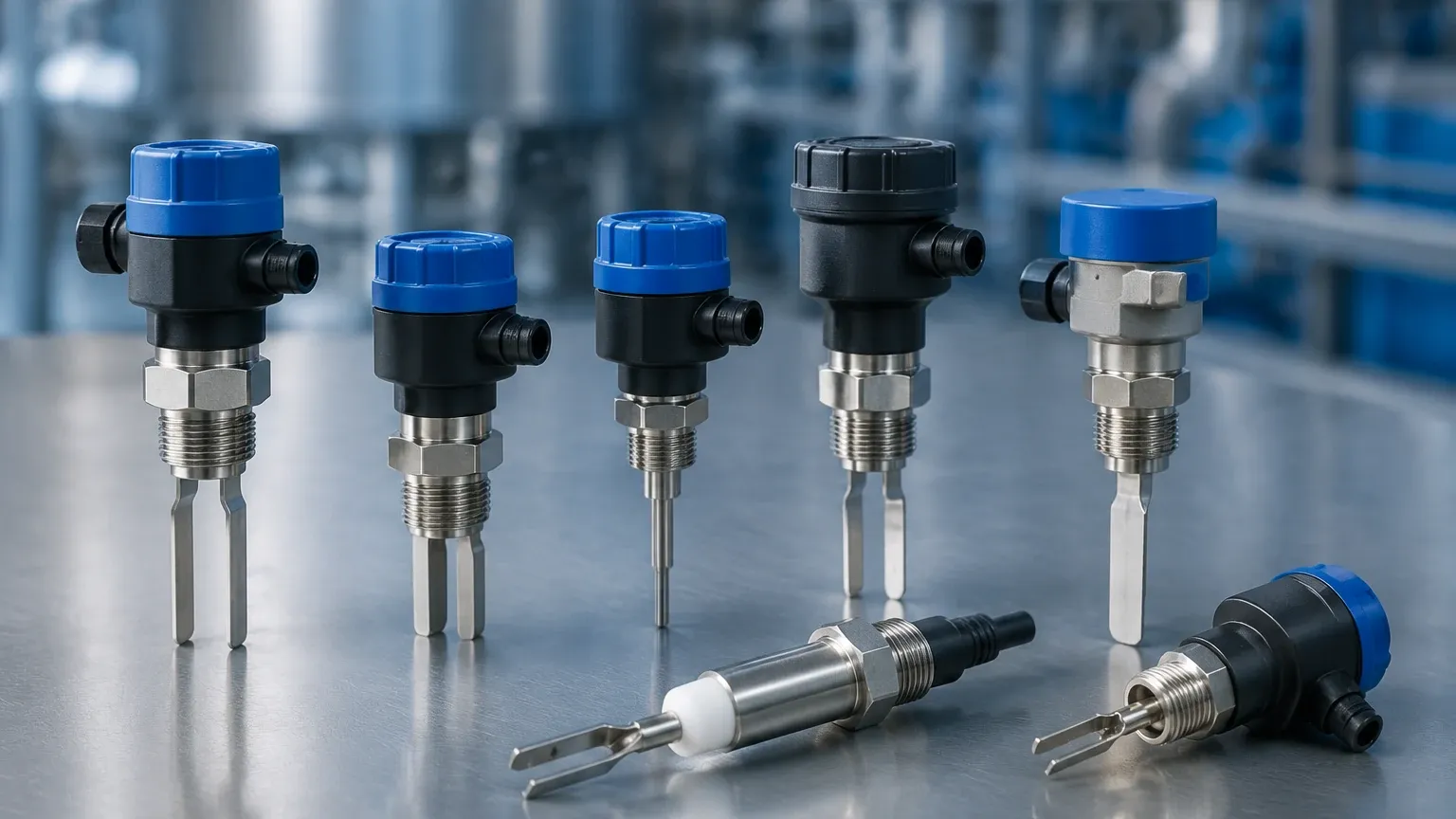
When evaluating high-reliability options for process safety, engineers often compare specialized brands like Kenco with broader industrial portfolios of Level Switches to find the best fit for specific chemical compatibility requirements. For instance, while a float switch is cost-effective, a vibrating fork or ultrasonic switch might be necessary if the liquid is prone to scaling or crystallization.
Material Compatibility
The wetted parts of the switch must be chemically compatible with the process media. While 316 Stainless Steel is the industry standard, highly corrosive environments involving hydrochloric acid or seawater may require exotic alloys like Hastelloy C or plastics like PVC and PVDF.
Installation and Mounting Best Practices
Proper installation is as critical as instrument selection. A perfectly specified switch will fail if mounted incorrectly.
1. Mounting Orientation: Most float switches are designed for either horizontal (side-mount) or vertical (top-mount) installation. A horizontal switch must be leveled precisely to ensure the float moves freely. Vertical switches should be installed away from the tank inlet to avoid the force of incoming fluid.
2. Stillwells: In tanks with high turbulence or agitation, a stillwell (a pipe surrounding the sensor) should be used. This protects mechanical floats from lateral forces and provides a stable surface for the measurement.
3. Electrical Isolation: In hazardous environments, ensure that the conduit entries are sealed with approved potting compounds. This prevents the migration of flammable gases through the wiring system.
4. Hysteresis Adjustment: Some advanced switches allow for the adjustment of the deadband (the distance between the switch-on and switch-off points). This is vital in pump control applications to prevent "chattering," where the pump cycles on and off rapidly due to surface ripples.
Maintenance and Troubleshooting
While many modern level switches are marketed as "maintenance-free," regular verification is required in safety-critical applications.
* Mechanical Inspection: For float-based switches, check for buildup of paraffin, scale, or sediment that could weigh down the float or jam the mechanism.
* Loop Testing: Periodically trigger the switch manually (if the design allows) to ensure the control room receives the correct signal and that the final control element (e.g., a valve or pump) responds correctly.
* Thermal Calibration: For thermal dispersion switches, ensure the probe is clean. A thick coating of sludge can act as an insulator, slowing the response time or causing the switch to remain in one state.
Common Risks and Limitations
Despite their reliability, Kenco level switches and similar industrial instruments have limitations. Mechanical switches are susceptible to fatigue in high-cycle applications. Furthermore, float switches can fail if the process liquid's specific gravity changes significantly due to temperature fluctuations, as the float may no longer stay buoyant at the intended trip point.
For applications involving extremely sticky media, such as bitumen or heavy resins, non-contacting methods like radar or ultrasonic sensors are often more appropriate than point-level switches. However, for the majority of industrial liquid storage and transport tasks, the discrete level switch remains the most cost-effective and robust solution.
Frequently Asked Questions
Q: Can Kenco level switches be used in high-pressure steam applications?
A: Yes, specifically the heavy-duty magnetic float and displacer models are designed for high-pressure and high-temperature steam service, often found in boiler drum level control.
Q: What is the advantage of a DPDT switch over an SPDT switch?
A: A DPDT (Double Pole Double Throw) switch allows you to control two separate circuits simultaneously—for example, one to trigger a local alarm and another to send a signal to a PLC or to shut down a pump.
Q: How do I handle foaming in a tank?
A: Foam can trick ultrasonic and some thermal switches. In foaming applications, a mechanical float switch is usually more reliable as it responds to the density of the liquid rather than the surface of the foam.
Q: Are there wireless options for these switches?
A: While traditional Kenco switches are wired, they can be integrated into wireless transmitters (such as WirelessHART or LoRaWAN) to send discrete signals to a gateway without the need for long cable runs.
By carefully matching the switch technology to the specific chemical and physical properties of the process, engineers can ensure long-term operational safety and efficiency. Whether utilizing the specialized designs of Kenco or exploring the broader range of industrial Level Switches, the priority must always be a combination of accuracy, material compatibility, and ease of maintenance.