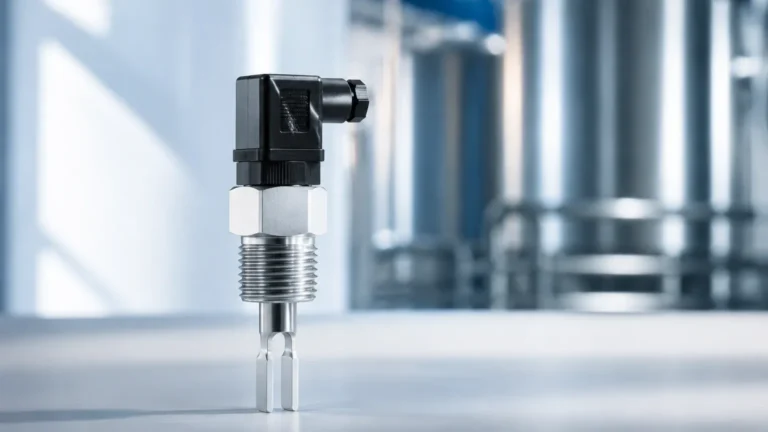
Besta Level Switches
Besta Level Switches
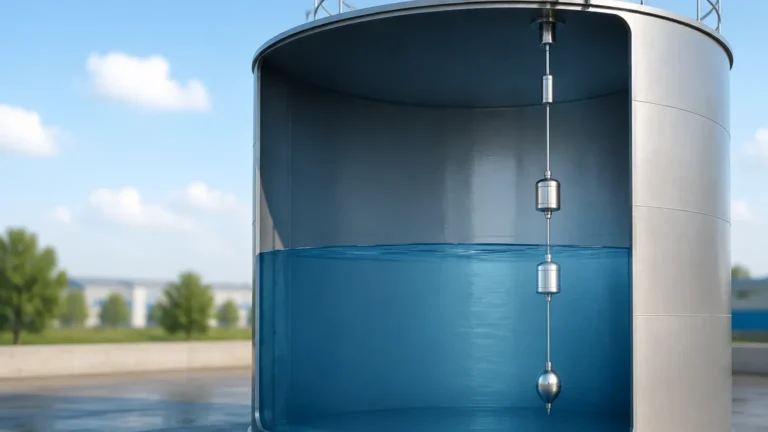
In the realm of industrial automation and process safety, point level detection remains a critical requirement for preventing tank overfills, protecting pumps from dry running, and managing complex liquid interfaces. Among the various technologies available, the magnetic float level switch—often referred to in the industry as the Besta-style switch—is recognized for its extreme durability and mechanical simplicity.
This guide provides a comprehensive technical overview of these instruments, focusing on their operating principles, modular design, and the engineering considerations necessary for successful integration into industrial processes. Whether you are managing water treatment facilities or high-pressure chemical reactors, understanding the nuances of these Level Switches is essential for ensuring long-term operational reliability.
Operating Principles: The Magnetic Coupling Advantage
The fundamental operation of a Besta level switch relies on the principle of magnetic coupling. Unlike simpler mechanical switches that may use a direct shaft or seal that can leak over time, these switches utilize a non-contact method to transmit the movement of the float to the switching element.
The Snap-Action Mechanism
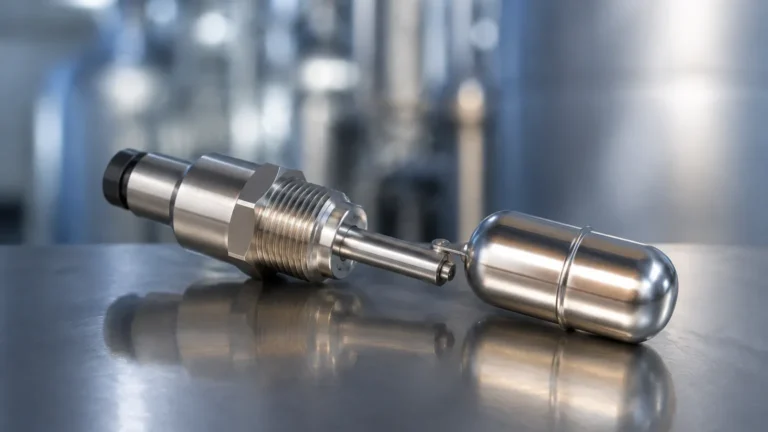
The core of the device is a horizontal float arm equipped with a permanent magnet at the end opposite the float. As the liquid level rises or falls, the float moves, causing the arm to pivot. On the other side of the pressure-retaining wall (the mounting flange), a second magnet is positioned within the switch housing.
When the float magnet approaches the switch magnet, the magnetic fields interact. This interaction triggers a "snap-action" movement of the switch contact. Because the two magnets have the same polarity facing each other, they repel, providing a fast and decisive switching action that minimizes arcing and contact wear. This hermetic separation ensures that the process medium never comes into contact with the electrical components, making it an ideal choice for hazardous or corrosive environments.
The Modular Design Architecture
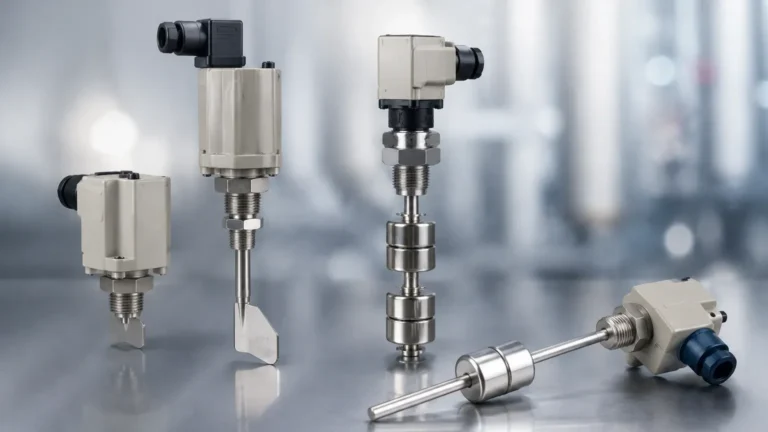
One of the defining characteristics of high-quality level switches in this category is their modularity. A standard assembly typically consists of three distinct components that can be mixed and matched to suit specific application requirements:
1. The Switch Module: This contains the electrical contacts (typically SPDT or DPDT) and the magnetic trigger mechanism. Modules are available in various configurations, including explosion-proof (Ex d), intrinsically safe (Ex i), or standard industrial housings.
2. The Mounting Flange: This is the interface between the switch and the vessel. Common standards include DIN, ANSI, and JIS flanges, as well as square flanges for specific OEM applications. The material of the flange must match the vessel's chemical and pressure requirements.
3. The Float and Internal Mechanism: This includes the float itself and the pivot arm. The float's size and weight are engineered based on the density (specific gravity) of the liquid being measured.
This modular approach allows maintenance teams to replace a switch module without depressurizing the tank or removing the float assembly, significantly reducing downtime during service intervals.
Technical Specifications and Selection Criteria
Selecting the correct configuration for besta level switches requires a detailed analysis of the process conditions. Failure to account for variables such as liquid density or operating pressure can lead to switch failure or inaccurate signaling.
1. Liquid Density (Specific Gravity)
For a float to operate correctly, it must be buoyant in the process medium. Standard floats are typically designed for liquids with a density of 0.7 g/cm³ or higher. For liquefied gases or light hydrocarbons with lower densities, specialized large-volume or high-buoyancy floats are required.
2. Pressure and Temperature Limits
Industrial level switches must withstand the full design pressure of the vessel. Standard models often handle up to 25 bar (2.5 MPa), but high-pressure variants can exceed 250 bar. Similarly, temperature ratings can range from cryogenic levels (-196°C) to extreme heat (up to 400°C) with the use of cooling fins or specialized ceramic switch modules.
3. Material Compatibility
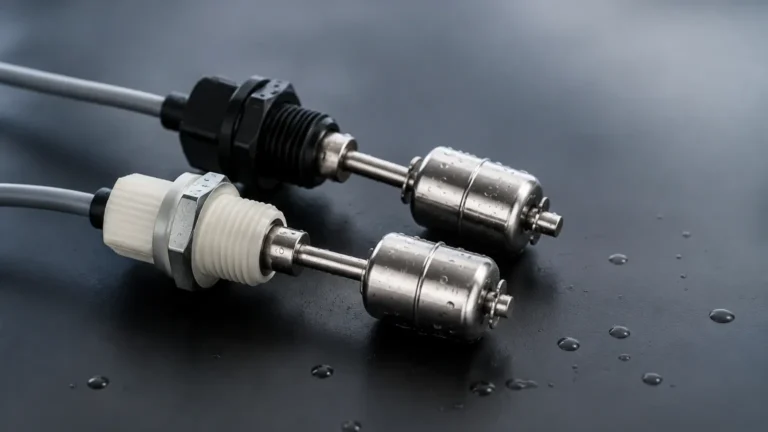
Wetted parts are typically constructed from stainless steel (316L / 1.4404 or 1.4435). For highly corrosive media like concentrated acids, exotic materials like Hastelloy, Monel, or plastic coatings (PTFE/PFA) may be necessary.
Selection Table: Common Configurations
| Feature | Standard Industrial | High-Temperature / High-Pressure | Chemical / Corrosive |
| :— | :— | :— | :— |
| Housing Material | Aluminum Alloy | Aluminum or Stainless Steel | Stainless Steel or Plastic |
| Wetted Parts | SS316L | SS316L / Hastelloy | PTFE Coated / PVDF |
| Max Pressure | 25 bar (2.5 MPa) | Up to 250 bar (25 MPa) | 10–16 bar (1.0–1.6 MPa) |
| Temp Range | -20°C to +120°C | -196°C to +400°C | -10°C to +100°C |
| Min. Density | 0.75 g/cm³ | 0.60 g/cm³ (with specialized floats) | 0.80 g/cm³ |
Installation and Engineering Considerations
Proper installation is paramount to the longevity of Level Switches. Unlike vertical ultrasonic or radar sensors, these are primarily side-mounted devices, which introduces specific mechanical considerations.
Mounting Orientation
The switch must be mounted horizontally. A deviation of more than a few degrees can increase friction in the pivot point and lead to sticking. The flange should be aligned so that the pivot pin is perfectly horizontal.
Clearance Requirements
Engineers must ensure there is sufficient internal clearance for the float arm's arc of motion. If the tank has internal baffles, heating coils, or agitators, the switch must be positioned to avoid physical interference. Externally, there must be enough space to remove the switch module for maintenance.
Turbulence and Stillwells
In tanks with high turbulence or heavy agitation, the float can bounce, causing "chatter" in the electrical signal. In these cases, installing the switch inside a stillwell (a vertical pipe within the tank) or a side-mounted bypass chamber is recommended to dampen the liquid's surface movement.
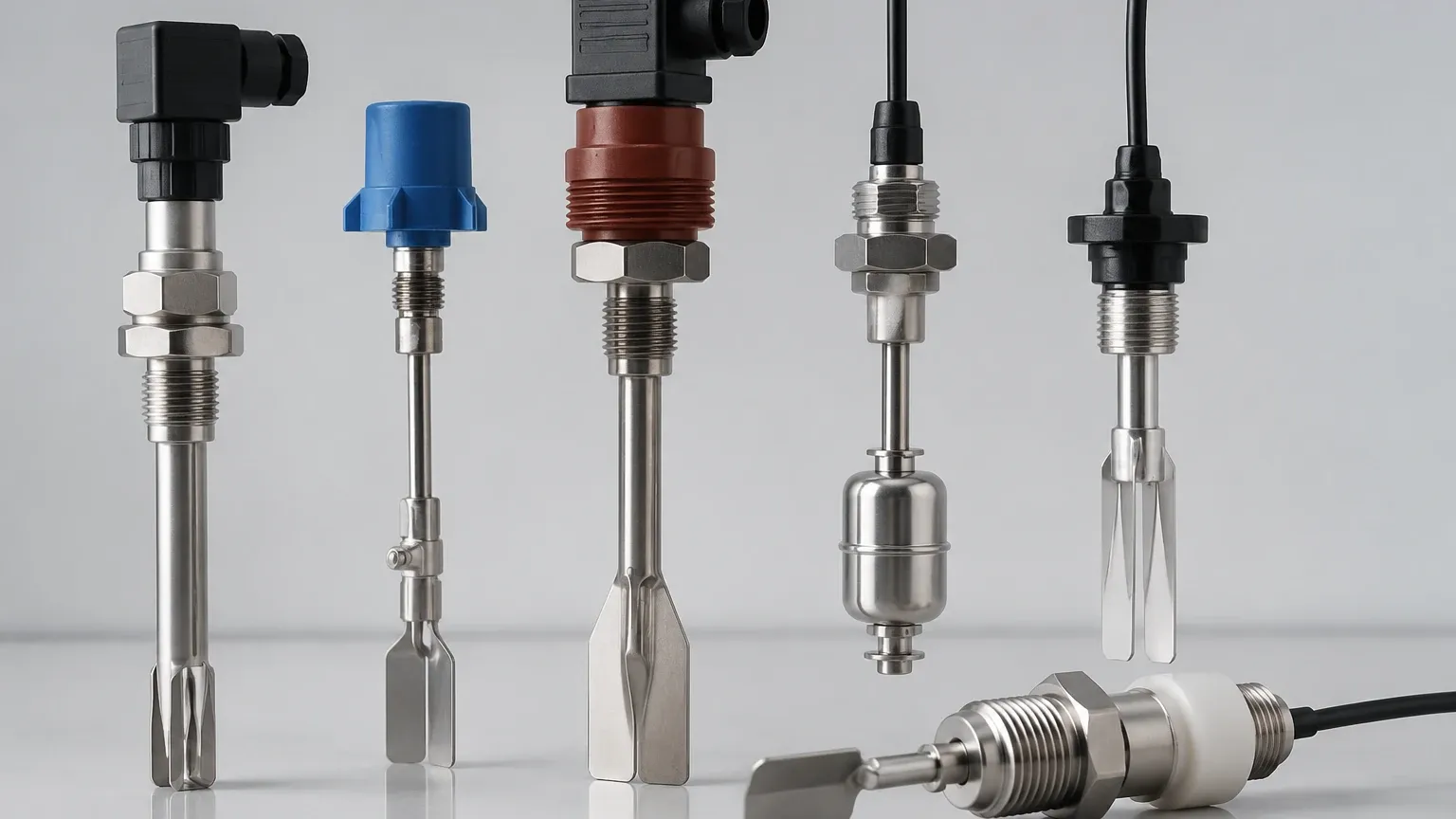
Limitations and Application Risks
While magnetic float switches are highly reliable, they are not universal solutions. Certain process conditions can compromise their performance:
* Viscous Liquids: Extremely thick or sticky media can coat the float and pivot mechanism, increasing its weight and eventually causing it to seize.
* Particulate Matter: Large solids can jam the pivot arm. Furthermore, if the liquid contains magnetic particles (such as iron filings), these particles will migrate to the magnetic coupling area and cause mechanical interference.
* Crystallization: If the process medium tends to crystallize upon cooling, it can build up around the pivot point, preventing movement. In these applications, heat tracing or insulation of the switch flange is required.
Maintenance and Testing Procedures
One of the primary advantages of the Besta-style design is the ability to perform functional tests without changing the liquid level in the tank. Many models can be equipped with a "test actuator." This is a manual lever or button on the outside of the housing that allows a technician to mechanically move the internal switch mechanism to verify that the electrical circuit (alarms, pumps, or valves) responds correctly.
Routine maintenance should include:
1. Visual Inspection: Checking the housing for signs of corrosion or moisture ingress.
2. Contact Resistance Check: Ensuring the switch contacts have not degraded over time due to electrical arcing.
3. Float Inspection: During vessel shutdowns, the float should be inspected for pitting, corrosion, or buildup of process material.
Frequently Asked Questions (FAQs)
Q: Can these switches be used for interface detection (e.g., oil and water)?
A: Yes. By weighting the float so that it sinks in the upper liquid (oil) but floats on the lower liquid (water), the switch can be used to detect the interface level between two immiscible liquids.
Q: What is the difference between an SPDT and a DPDT switch module?
A: A Single Pole Double Throw (SPDT) switch can control one circuit (e.g., an alarm). A Double Pole Double Throw (DPDT) switch can control two independent circuits simultaneously (e.g., an alarm and a pump shutdown), providing redundant safety signaling.
Q: Are there versions available for hygienic applications?
A: Yes. For the food, beverage, and pharmaceutical industries, versions with polished surfaces (Ra < 0.8 μm) and Tri-Clamp connections are available to meet sanitary standards.
Q: How do I handle high-vibration environments?
A: For applications on ships or near heavy machinery, look for switch modules specifically rated for high vibration. The snap-action magnetic mechanism is inherently more resistant to vibration than traditional mercury or simple reed switches.
Conclusion
Besta level switches represent a mature, field-proven technology for point level control. Their modularity, combined with the safety of magnetic coupling, makes them a staple in heavy industry. By carefully matching the float material, flange type, and switch module to the specific demands of the process, engineers can achieve decades of reliable service with minimal maintenance. When evaluating your next project, consider the specific gravity, pressure, and temperature of your media to ensure you select the most effective Level Switches for your application.