Oleumtech Level Switches
Oleumtech Level Switches
In the landscape of industrial automation and remote asset monitoring, point level detection serves as a critical safeguard against overfills, dry runs, and process inefficiencies. While many modern facilities utilize continuous level measurement for inventory management, the role of dedicated level switches remains indispensable for redundant safety and discrete control. Within this sector, Oleumtech level switches and their integrated wireless transmitters have carved a niche, particularly in the oil and gas, water/wastewater, and chemical processing industries where remote monitoring is a logistical necessity.
Selecting the appropriate level switch requires a deep understanding of the physical properties of the medium, the environmental conditions of the site, and the communication infrastructure available. This guide explores the technical foundations of level switching technology, the specific applications of Oleumtech-compatible sensors, and the engineering considerations necessary for a reliable installation.
Measurement Principles for Level Switches
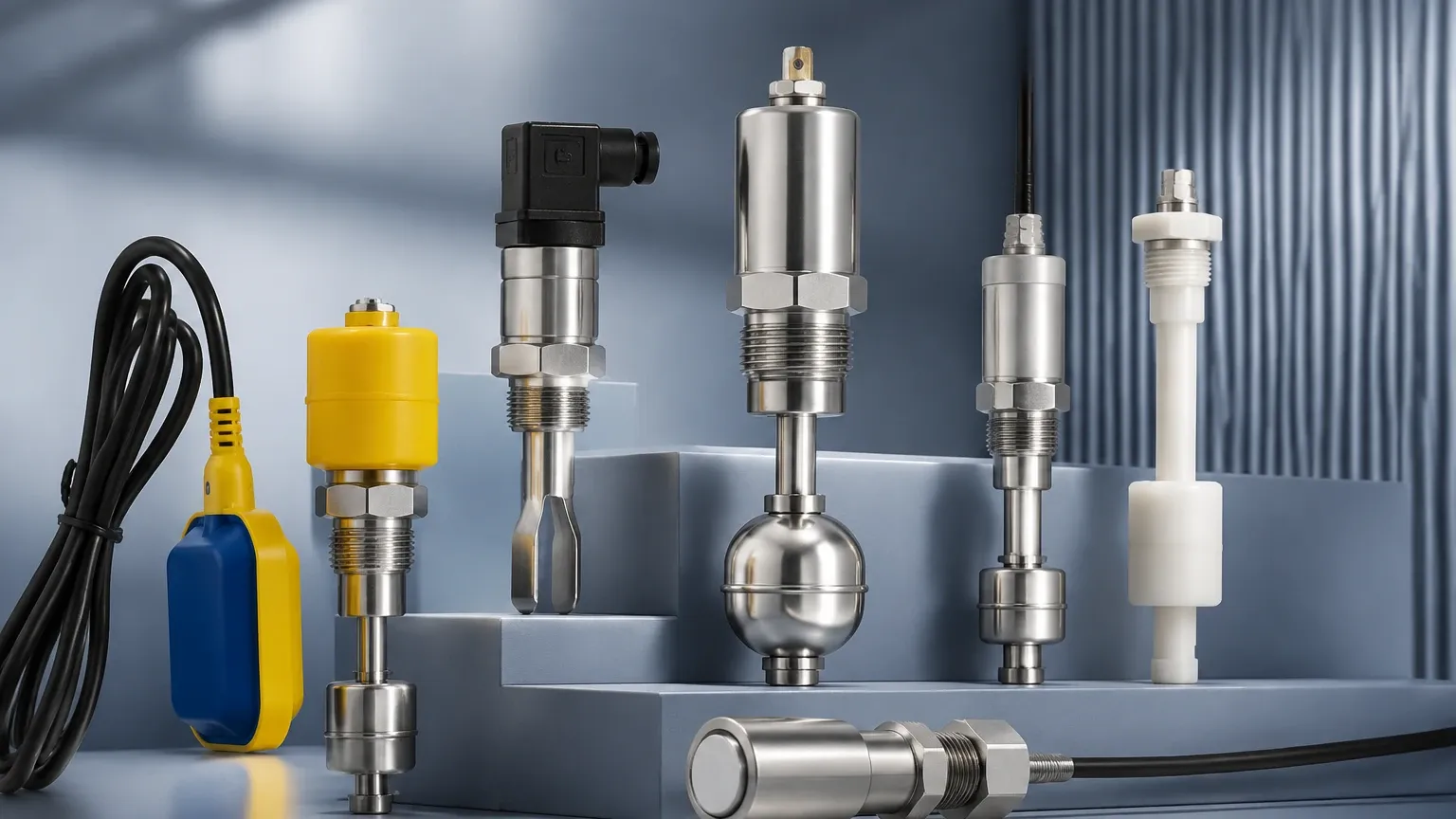
Before selecting a specific model of oleumtech level switches or any industrial point-level sensor, it is essential to understand the underlying physical principles that trigger the switch. Different technologies are suited to different fluids and solids.
Mechanical Float Switches
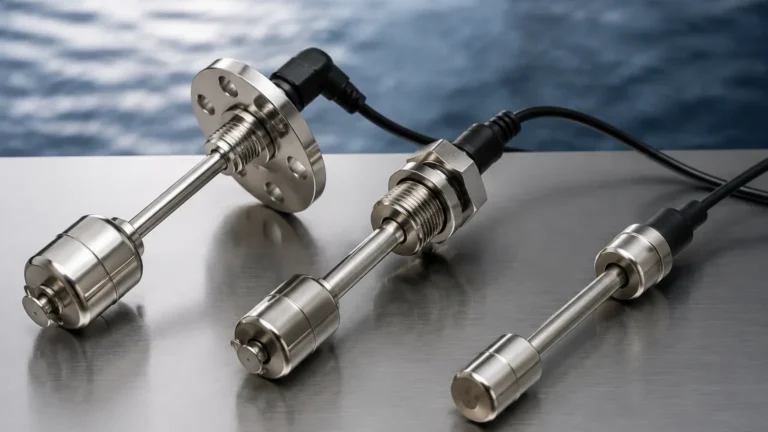
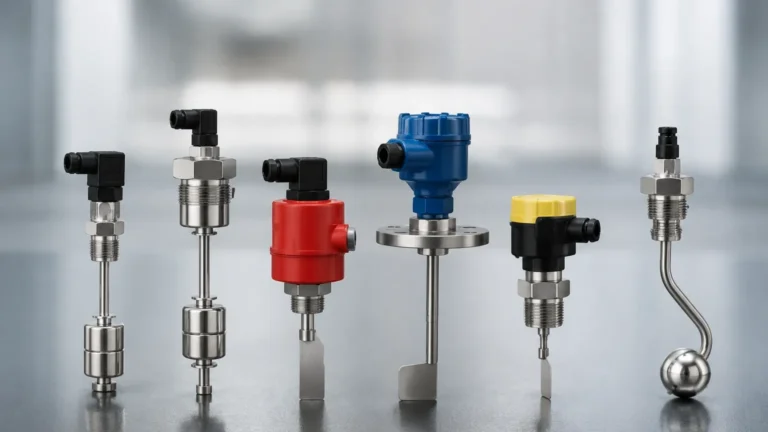
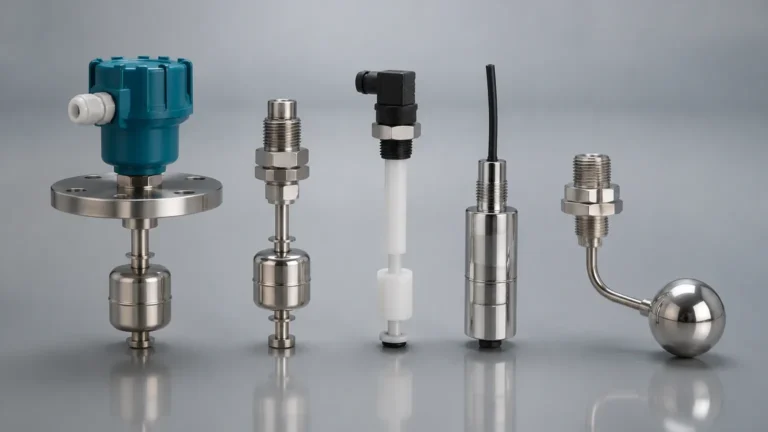
Mechanical float switches are the most traditional form of point level detection. They rely on buoyancy. A float, typically made of stainless steel or specialized plastics, moves with the liquid level. When the float reaches a predetermined height, it mechanically actuates a microswitch or moves a magnet that closes a reed switch. These are highly reliable for clean liquids but can be prone to sticking if the fluid is viscous or contains debris.
Vibrating Fork (Tuning Fork) Switches
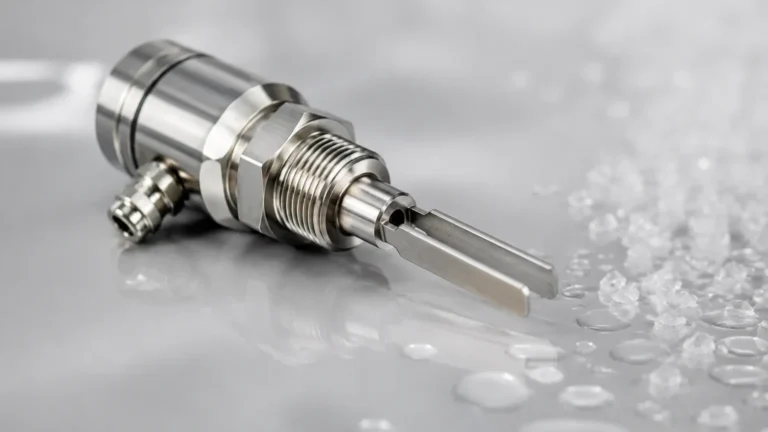
The vibrating fork switch uses piezoelectric crystals to vibrate a metal fork at its natural frequency. When the fork is immersed in a liquid or solid, the frequency changes. The electronics detect this shift and trigger the switch output. This technology is excellent for detecting the presence of liquids regardless of their dielectric constant or conductivity, making it a versatile choice for diverse chemical applications.
Capacitance Level Switches
Capacitance switches measure the change in electrical capacitance between the sensor probe and the tank wall (or a reference probe). As the medium covers the probe, the dielectric constant changes, altering the capacitance. These are often used for powders, granulates, and non-conductive liquids. However, they require calibration and can be sensitive to material buildup on the probe.
Ultrasonic Point Level Switches
Ultrasonic switches utilize high-frequency sound waves. A gap in the sensor head prevents the signal from reaching the receiver until a liquid fills the gap, allowing the sound waves to propagate. This is a non-mechanical method that is highly resistant to changes in density or pressure, though it may struggle with aerated liquids or heavy foam.
The Role of Oleumtech Level Switches in Wireless Automation
Oleumtech is widely recognized for its Wireless Sensor Network (WSN) solutions. In many industrial contexts, "oleumtech level switches" refers to the integration of a high-quality point-level sensor with an Oleumtech wireless transmitter, such as the OTC (Open Transducer Network) series.
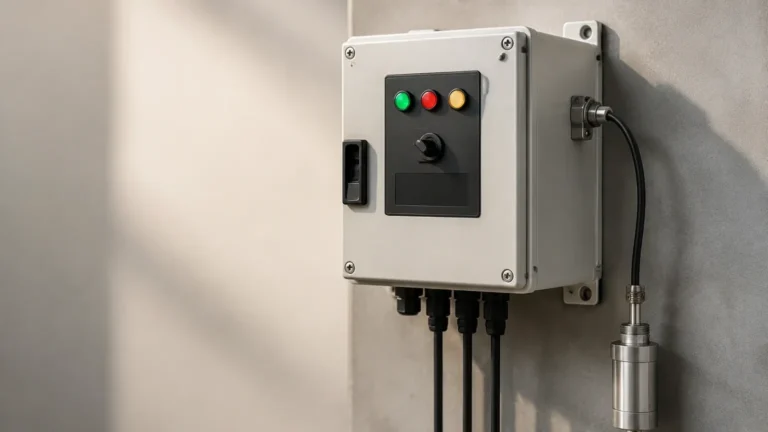
This integration allows for the deployment of Level Switches in locations where running conduit and wiring would be cost-prohibitive. For example, in a large tank farm or a remote wellhead, a wireless level switch can transmit high-level or low-level alarms back to a central gateway via a 900 MHz or 2.4 GHz radio frequency.
Key advantages of this approach include:
* Reduced Infrastructure Costs: Eliminates the need for trenching and cabling.
* Rapid Deployment: Wireless nodes can be commissioned in a fraction of the time required for wired systems.
* Battery Efficiency: Modern wireless level switch transmitters are designed for ultra-low power consumption, often lasting 5 to 10 years on a single battery pack, depending on the reporting interval.
Key Evaluation Criteria for Selection
When specifying oleumtech level switches for a project, engineers must evaluate several technical parameters to ensure long-term reliability and safety compliance.
1. Process Compatibility
The wetted materials of the switch must be chemically compatible with the process fluid. Common materials include 316 Stainless Steel, Hastelloy, and various fluoropolymers (PTFE/PFA). For oilfield applications, resistance to Hydrogen Sulfide (H2S) is often a mandatory requirement (NACE compliance).
2. Hazardous Area Certifications
Since many level switches are installed in environments with explosive gases or dust, certifications such as Class I, Division 1 (CID1) or ATEX/IECEx Zone 0/1 are critical. The switch and its associated transmitter must be rated for the specific zone in which they are installed.
3. Pressure and Temperature Ratings
Process temperatures can range from cryogenic levels to over 200°C (392°F), and pressures can exceed 100 bar (1450 PSI). Selecting a switch that can withstand these extremes without mechanical failure or signal drift is paramount. For instance, high-pressure separators in the oil industry require heavy-duty float or displacer switches.
4. Output Logic and Redundancy
Engineers must decide between Normally Open (NO) and Normally Closed (NC) configurations. In safety-critical applications, a "fail-safe" design is preferred, where the circuit opens upon alarm or loss of power, ensuring that a system failure is treated as a high-level event.
Technical Selection Table
The following table provides a general comparison of common technologies used in conjunction with wireless level monitoring systems.
| Technology | Suitable Media | Viscosity Limit | Pressure Max (Approx) | Temperature Max |
| :— | :— | :— | :— | :— |
| Magnetic Float | Clean Liquids | Low (< 500 cP) | 50 bar | 150°C |
| Vibrating Fork | Liquids / Solids | Medium (< 10,000 cP) | 64 bar | 250°C |
| Capacitance | Powders / Oils | High | 35 bar | 200°C |
| Ultrasonic Gap | Clean/Dirty Liquids | Low | 40 bar | 125°C |
| Hydrostatic Switch | Water / Wastewater | Low | 20 bar | 80°C |
Installation and Maintenance Best Practices
Proper installation is as important as the selection of the hardware itself. For oleumtech level switches integrated into wireless networks, both the physical mounting and the RF (Radio Frequency) environment must be considered.
Physical Mounting
* Orientation: Most float switches are designed for either horizontal (side-mount) or vertical (top-mount) installation. Ensure the orientation matches the manufacturer’s specifications to prevent mechanical binding.
* Still Wells: In tanks with high turbulence or agitation, a stilling well (a pipe surrounding the sensor) should be used to protect the switch from lateral forces and to provide a stable surface for measurement.
* Nozzle Length: Ensure the sensor probe or float extends far enough into the vessel to clear the mounting nozzle. If the switch remains inside the nozzle, it may become trapped by debris or fail to actuate due to stagnant fluid.
Wireless Considerations
* Antenna Height: For wireless transmitters, increasing the height of the antenna can significantly improve signal range and reliability by clearing the Fresnel zone of obstructions.
* Signal Path: Avoid placing the wireless node directly behind large metal structures or thick concrete walls which can attenuate the signal.
Maintenance
Routine maintenance should include a "functional test" or "proof test." This involves manually lifting the float or immersing the probe in a sample of the process fluid to verify that the alarm reaches the control room. For wireless units, battery voltage should be monitored through the gateway's diagnostic interface.
Common Risks and Limitations
While Level Switches are robust, they are not immune to failure. Engineers should be aware of the following risks:
1. Material Buildup: In applications like wastewater or crude oil, paraffin or sludge can accumulate on the sensor. Vibrating forks and capacitance probes are particularly sensitive to coating, which can cause "false positives."
2. Mechanical Wear: Float switches have moving parts that can wear out over millions of cycles. In high-vibration environments, the internal reed switches may also be susceptible to premature failure.
3. Battery Depletion: In wireless setups, if the update rate is set too high (e.g., reporting every few seconds), the battery life will be significantly reduced. Balancing the need for real-time data with power conservation is a key operational challenge.
4. RF Interference: In increasingly crowded industrial environments, interference from other wireless networks or heavy electrical machinery can occasionally cause data packets to be lost, requiring robust error-correction protocols.
Frequently Asked Questions (FAQs)
Q: Can Oleumtech level switches be used for both high and low-level alarms?
A: Yes. Most switches can be configured for either high-level (overfill) or low-level (dry run) detection. In wireless configurations, a single node can often support two discrete inputs, allowing one device to monitor both high and low points.
Q: What is the maximum range for a wireless level switch transmitter?
A: Range varies based on the environment and frequency. 900 MHz systems can reach several kilometers with a clear line-of-sight, while 2.4 GHz systems are typically limited to shorter distances but offer higher data rates.
Q: Are these switches suitable for high-viscosity fluids like bitumen?
A: Mechanical floats are generally not recommended for extremely high-viscosity fluids. In these cases, a vibrating fork or a heavy-duty displacer-type switch is more appropriate.
Q: How do I handle a "false alarm" caused by foam?
A: If foam is a persistent issue, avoid using ultrasonic gap switches. Vibrating forks or specialized capacitance probes with active shield technology are better at ignoring foam and detecting only the liquid level.
Conclusion
The integration of reliable point-level detection with advanced wireless connectivity has transformed how remote assets are managed. Whether utilizing traditional mechanical principles or modern electronic sensing, oleumtech level switches provide the critical data needed to prevent environmental incidents and optimize process flow. By carefully matching the sensor technology to the chemical and physical demands of the application, and adhering to rigorous installation standards, facility operators can ensure a high level of safety and operational continuity. For those seeking to upgrade their current monitoring capabilities, exploring the diverse range of available Level Switches is the first step toward a more resilient automation strategy.