Level Switch Techtrol
Level Switch Techtrol
In the landscape of industrial automation and process control, point level detection remains a fundamental requirement for safety, inventory management, and operational efficiency. The term "level switch techtrol" identifies a specific category of robust instrumentation widely utilized across the chemical, water treatment, and oil and gas sectors. These devices are engineered to provide reliable switching signals when a liquid or solid reaches a predetermined height within a vessel or tank.
Selecting the correct level switch requires a deep understanding of the underlying measurement principles, the physical properties of the media, and the environmental constraints of the installation site. This guide examines the technical specifications and application engineering necessary to deploy these instruments effectively.
Core Measurement Principles of Level Switches
Before selecting a specific model within the level switch techtrol range, engineers must evaluate which physical principle best suits their process. Level switches generally operate on mechanical, electrical, or ultrasonic principles.
Magnetic Float Principle
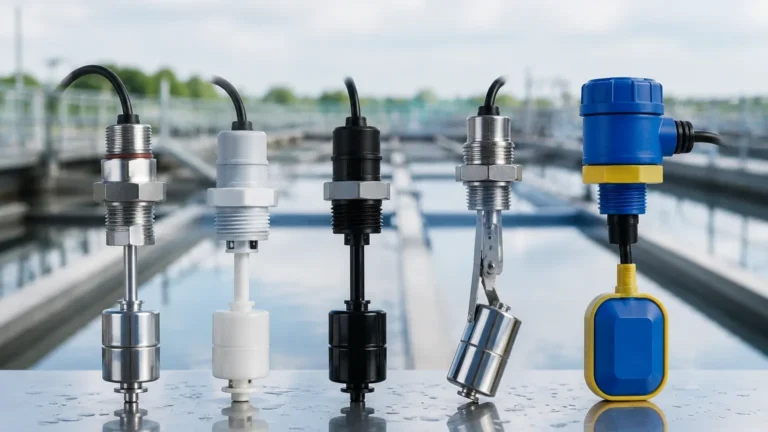
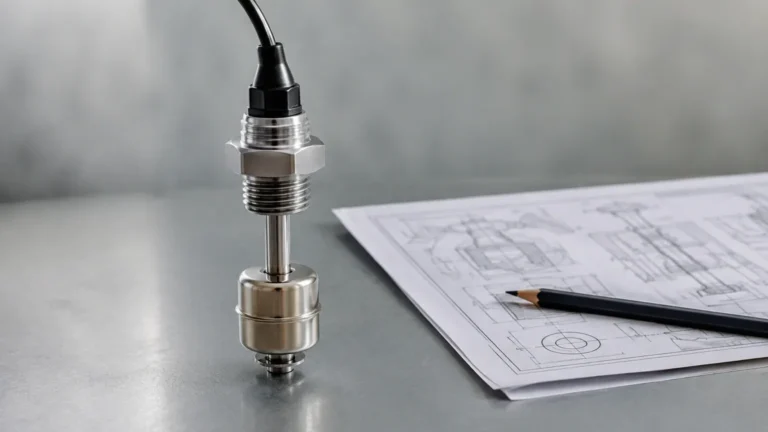
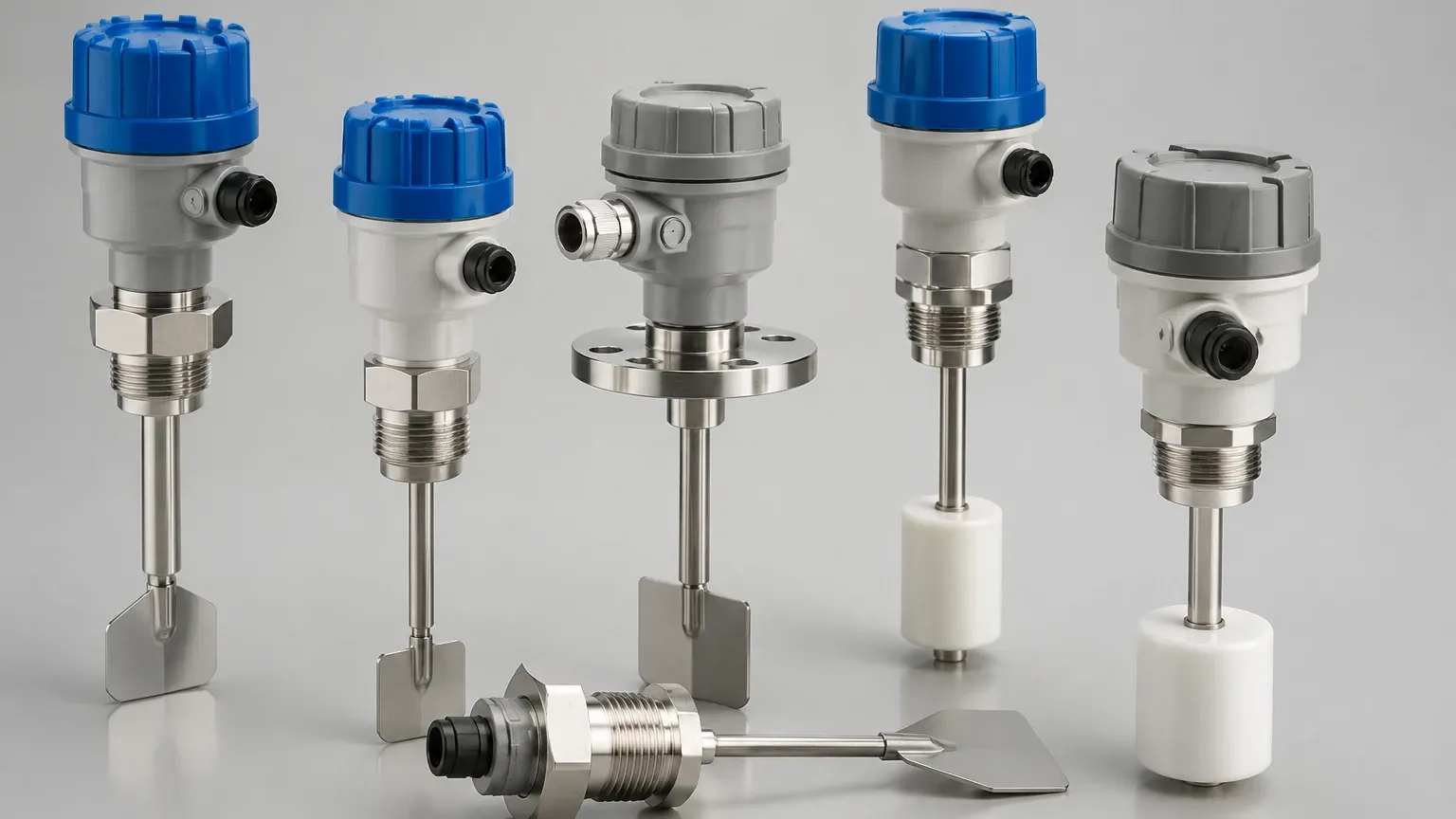
The magnetic float switch is one of the most common technologies used in liquid level detection. It operates on the principle of buoyancy. A float containing an internal magnet moves up and down a stem in response to the liquid level. Inside the stem, a hermetically sealed reed switch is positioned at a specific point. When the float’s magnetic field aligns with the reed switch, the circuit closes (or opens), triggering an alarm or controlling a pump. This method is highly reliable for clean liquids but can be sensitive to particulate matter that may jam the float.
Conductivity Principle
Conductivity level switches are designed for conductive liquids, such as water, acids, and alkalis. The system typically consists of a set of electrodes (probes). When the liquid touches the probe, it completes an electrical circuit between the electrode and the tank wall (if metallic) or a reference electrode. The low-voltage current is then processed by a controller to toggle a relay. This technology is valued for its lack of moving parts and its ability to handle multiple set points in a single installation.
Vibrating Fork Principle
Vibrating fork level switches utilize a piezoelectric crystal to vibrate the tines at their natural resonance frequency in air. When the tines are submerged in the medium, the frequency of vibration changes or is dampened. The internal electronics detect this shift and convert it into a switching signal. This technology is highly versatile, as it is largely unaffected by the flow, bubbles, or the chemical properties of the liquid.
Displacer Principle
Unlike a float that sits on the surface of the liquid, a displacer is heavier than the liquid and is suspended by a spring or a torque tube. According to Archimedes' principle, as the liquid rises and covers the displacer, the buoyant force reduces the apparent weight of the displacer. This change in weight is used to actuate a switch. Displacers are often preferred for high-pressure or high-temperature applications where standard floats might collapse or fail.
Key Features of Level Switch Techtrol Solutions
The level switch techtrol portfolio is characterized by its adaptability to harsh industrial environments. These switches are often categorized by their mounting orientation and the specific media they are designed to monitor.
1. Miniature Float Switches: Typically used in small tanks or OEM equipment where space is limited. These are often constructed from PP (Polypropylene) or SS316 (Stainless Steel).
2. Large Magnetic Float Switches: Designed for heavy-duty industrial tanks, often featuring flanged connections and the ability to handle high pressures (up to 40 bar or 4.0 MPa).
3. Multi-Point Conductivity Switches: Used in boiler water level control and sump management, allowing for high-high, high, low, and low-low alarm configurations in a single probe assembly.
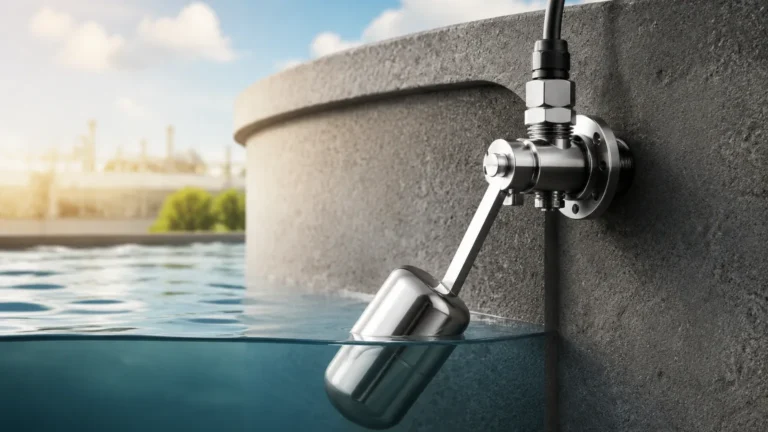
4. Side-Mounted Magnetic Switches: These are installed through the side wall of a vessel. They use a hinged float mechanism to actuate a microswitch, making them ideal for tanks where top access is restricted.
For a comprehensive look at the various types of industrial Level Switches, it is essential to compare the mechanical durability and electrical output options required for your specific control system.
Technical Selection Criteria
Choosing the right level switch techtrol configuration involves more than just identifying the medium. Engineers must consider the following parameters to ensure long-term reliability:
Media Density (Specific Gravity)
For buoyancy-based switches (floats and displacers), the density of the liquid is critical. A float must be lighter than the liquid it is intended to measure. Most industrial floats are designed for a specific gravity (SG) of 0.7 or higher. If the liquid is lighter than the float's design, the switch will fail to actuate.
Temperature and Pressure
Process conditions dictate the materials of construction. While plastic switches are cost-effective for ambient water treatment, chemical processes involving hot acids or high-pressure steam require SS316L, Hastelloy, or PTFE-lined components. Standard level switch techtrol models often support temperatures from -20°C to +200°C, with specialized versions reaching higher limits.
Viscosity and Coating
Highly viscous liquids or those that tend to crystallize or leave a film can interfere with mechanical switches. In such cases, vibrating fork switches or non-contact ultrasonic switches are preferred over float-based designs, as they are less susceptible to "sticking."
Chemical Compatibility
The wetted parts must be resistant to corrosion. A common error is selecting a stainless steel switch for a highly concentrated hydrochloric acid application, where a PVDF or PTFE coating would be mandatory.
Selection Table: Technology Comparison
| Technology | Suitable Media | Max Pressure (Approx) | Advantage | Limitation |
| :— | :— | :— | :— | :— |
| Magnetic Float | Clean liquids, oils | 40 bar (4.0 MPa) | Simple, no power needed | Sensitive to debris |
| Conductivity | Conductive liquids | 25 bar (2.5 MPa) | No moving parts | Requires conductive media |
| Vibrating Fork | Liquids, powders | 64 bar (6.4 MPa) | High reliability | Can be affected by heavy buildup |
| Displacer | Heavy oils, chemicals | 100 bar (10.0 MPa) | High pressure/temp | Complex installation |
| Side-Mounted | Water, fuels | 20 bar (2.0 MPa) | Easy side installation | Limited to single point |
Installation and Maintenance Considerations
Proper installation is the most significant factor in preventing premature failure of a level switch techtrol unit. Below are practical guidelines for field engineers:
Orientation and Turbulence
* Verticality: Top-mounted float switches must be installed perfectly vertical (within ±5°) to ensure the float moves freely along the stem.
* Turbulence: If the tank has an agitator or high-velocity inlet flow, the switch should be installed inside a stilling well (a pipe with vent holes) to protect the float or probe from mechanical stress and false triggering.
Electrical Wiring
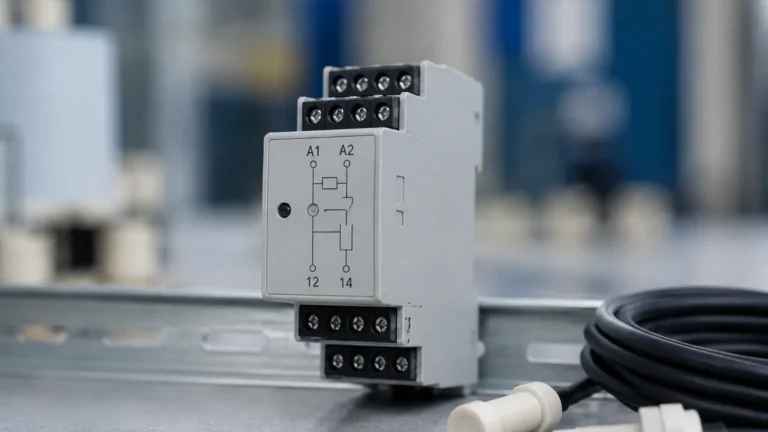
Most level switches provide a dry contact (SPDT or DPDT) output. It is vital to ensure that the electrical load (e.g., a pump motor) does not exceed the contact rating of the switch. For high-power applications, the level switch should trigger a secondary contactor or relay rather than driving the load directly.
Maintenance Checkpoints
* Cleaning: For conductivity and float switches, periodic inspection for scale buildup or biological growth is necessary, especially in water treatment applications.
* Seal Integrity: Check the cable entry and housing seals (IP65/IP67/IP68) to prevent moisture ingress, which is a leading cause of electronic failure in outdoor installations.
Limitations and Risks
While level switch techtrol products are highly reliable, they are not universal solutions. Users should be aware of the following risks:
* Dielectric Constant: Some electronic level switches (like capacitance types) depend on the dielectric constant of the material. If the moisture content of a solid material changes significantly, the switch may require recalibration.
* Interface Detection: Standard float switches may struggle with interface detection (e.g., the line between oil and water) unless the float is specifically weighted to sink in the top layer and float on the bottom layer.
* Mechanical Wear: In high-vibration environments, mechanical microswitches inside side-mounted units may have a shorter lifespan compared to solid-state vibrating fork sensors.
Frequently Asked Questions (FAQs)
Q: Can a level switch be used for continuous level measurement?
A: No. A level switch is a point-level device that provides an on/off signal at a specific height. For continuous monitoring (e.g., 0-100% volume), a level transmitter (radar, ultrasonic, or hydrostatic) is required.
Q: What is the difference between an NO and NC contact in a level switch?
A: NO (Normally Open) means the circuit is open when the switch is in its "normal" state (usually empty). NC (Normally Closed) means the circuit is closed. Many level switch techtrol models allow the user to reverse the action by flipping the float 180 degrees on the stem.
Q: Are these switches suitable for hazardous areas?
A: Yes, but you must specify the requirement for flameproof (Ex d) or intrinsically safe (Ex i) enclosures. Always check the local certification requirements (ATEX, IECEx, or PESO) before installation in explosive atmospheres.
Q: How do I handle foaming liquids?
A: Foam can cause false triggers in ultrasonic and some capacitance switches. Vibrating fork switches or magnetic float switches are generally better at ignoring foam and detecting the actual liquid surface.
Conclusion
The effective deployment of a level switch techtrol solution hinges on matching the sensor technology to the specific physical and chemical properties of the process. By understanding the measurement principles—whether buoyancy, conductivity, or resonance—and adhering to strict installation standards, industrial operators can ensure high levels of safety and process reliability. For complex applications involving extreme pressures or corrosive media, consulting with a professional manufacturer is recommended to customize the instrument for the intended environment.