Level 1 Switch Up
Level 1 Switch Up
In industrial process control, the term "Level 1" often refers to the primary layer of automation—the point at which physical states are converted into actionable digital signals. For liquid and solid storage, a "Level 1 switch up" represents the critical transition from manual monitoring or basic visual inspection to automated point level detection. Selecting the right technology for this first line of defense is essential for preventing tank overfills, protecting pumps from dry running, and ensuring the safety of chemical, water treatment, and oil and gas operations.
Reliable Level Switches serve as the fundamental building blocks of industrial safety loops. This guide examines the engineering principles behind various switching technologies, provides selection criteria for upgrading your current systems, and outlines the practical installation steps required for a successful level 1 switch up strategy.
Understanding Measurement Principles
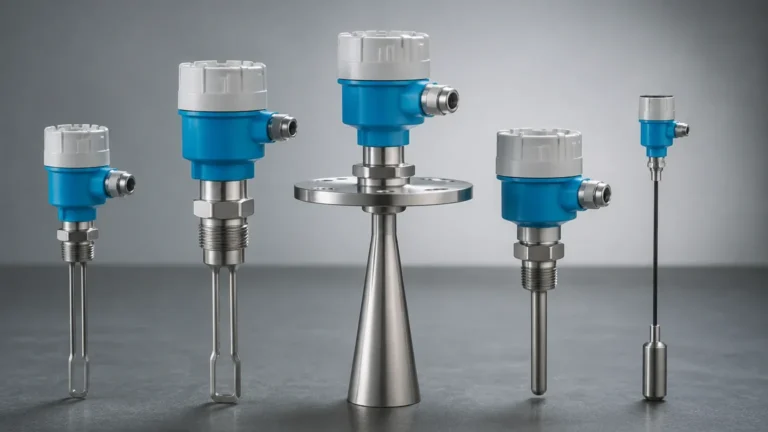
Before recommending a specific instrument, it is vital to understand the physics governing different level switch types. Each technology interacts with the process media differently, making some more suitable for viscous liquids and others for dry bulk solids.
1. Float Level Switches (Buoyancy Principle)
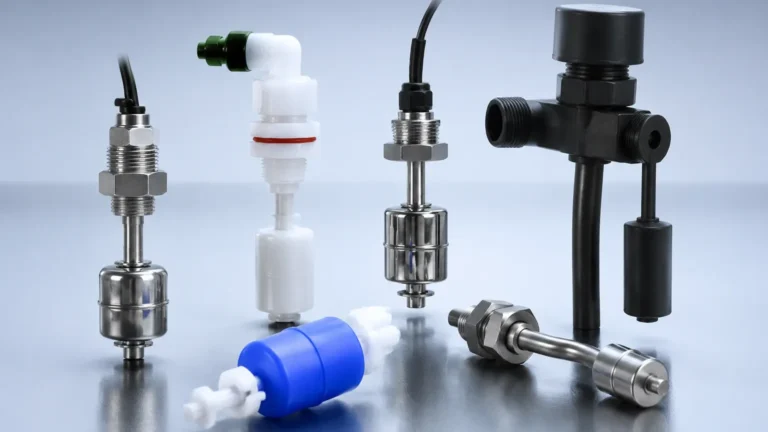
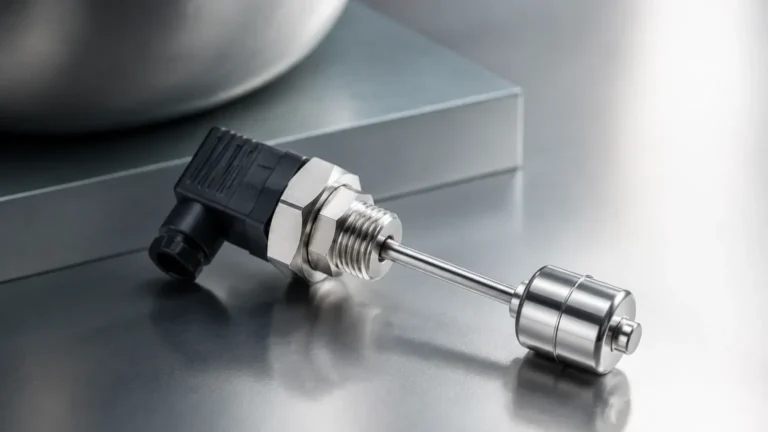
Float switches operate on the principle of buoyancy. A float containing a permanent magnet moves with the liquid level. When the float reaches a predetermined point, the magnet actuates a hermetically sealed reed switch or a mechanical microswitch located within the stem or housing.
* Best for: Clean liquids with stable densities.
* Limitations: Susceptible to fouling in viscous or coating media; moving parts can wear over time.
2. Vibrating Level Switches (Tuning Fork Principle)
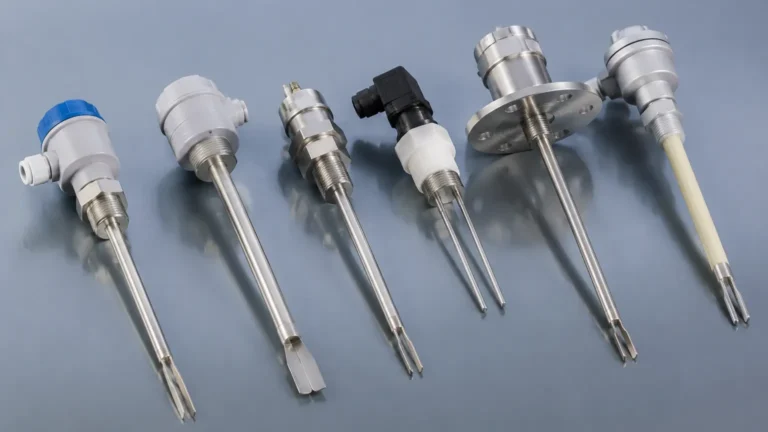
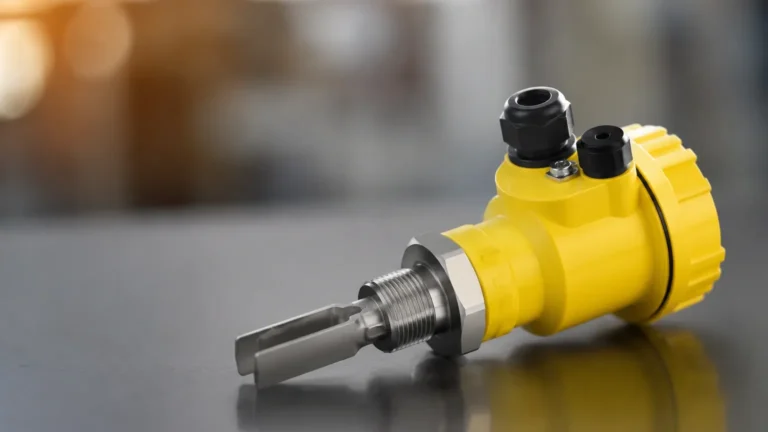
Often considered a significant "switch up" from traditional floats, vibrating switches use piezoelectric crystals to energize a tuning fork at its natural resonant frequency. When the fork is immersed in a medium (liquid or powder), the frequency changes. The internal electronics detect this shift and trigger the output.
* Best for: High-viscosity liquids, aerated liquids, and powders.
* Advantages: No moving parts, unaffected by flow, turbulence, or bubbles.
3. Capacitive Level Switches (Dielectric Principle)
These switches measure the change in capacitance between a probe and the tank wall (or a reference probe). As the media covers the probe, the dielectric constant changes, altering the capacitance of the circuit.
* Best for: Bulk solids, interface detection, and aggressive chemicals.
* Consideration: Requires calibration based on the dielectric constant ($\\epsilon_r$) of the material.
4. Ultrasonic Level Switches (Acoustic Principle)
Ultrasonic switches utilize a pair of piezoelectric crystals separated by a gap. One crystal transmits an ultrasonic signal; if the gap is filled with liquid, the signal reaches the receiver. If the gap contains air or gas, the signal is attenuated.
* Best for: Non-contact detection or highly corrosive environments where physical contact must be minimized.
5. Conductive Level Switches (Resistance Principle)
These are used for conductive liquids. When the liquid touches the electrode, a low-voltage circuit is completed between the electrode and the tank wall (or a ground electrode).
* Best for: Water, acids, and caustic solutions.
* Limitations: Cannot be used with oils, distilled water, or non-conductive hydrocarbons.
Selection Criteria for a Level 1 Switch Up
Upgrading your level detection system requires a detailed analysis of the application environment. Engineers must look beyond the initial cost and consider the Total Cost of Ownership (TCO), including maintenance and downtime risks.
| Technology | Media Type | Max Temperature | Max Pressure | Maintenance Level |
| :— | :— | :— | :— | :— |
| Float | Clean Liquids | Up to 200°C (392°F) | Up to 40 bar (580 psi) | Moderate |
| Vibrating Fork | Liquids/Solids | Up to 150°C (302°F) | Up to 64 bar (928 psi) | Very Low |
| Capacitance | Solids/Liquids | Up to 250°C (482°F) | Up to 100 bar (1450 psi) | Low |
| Conductive | Conductive Liquids | Up to 100°C (212°F) | Up to 10 bar (145 psi) | Low |
Key Evaluation Factors
1. Media Properties: Is the material corrosive, abrasive, or prone to build-up? For coating materials, a vibrating fork or a capacitance switch with "active shield" technology is preferred over a float.
2. Process Conditions: High-pressure vessels (above 20 bar / 290 psi) require robust housings and specialized process connections (flanged or NPT).
3. Output Requirements: Do you need a simple relay contact (SPDT/DPDT), a transistor output (PNP/NPN), or a two-wire loop-powered signal?
4. Safety Ratings: For hazardous areas, ensure the switch carries ATEX, IECEx, or UL certifications for intrinsic safety or explosion-proof enclosures.
Practical Installation Considerations
A successful level 1 switch up depends as much on installation as it does on hardware selection. Even the most advanced sensor will fail if placed in a high-turbulence zone without protection.
Mounting Orientation
* Top Mounting: Ideal for high-level alarms. Ensure the probe length is correctly specified to reach the desired switching point.
* Side Mounting: Common for low-level pump protection. Ensure the switch is angled slightly or protected by a shroud if the media is heavy or contains solids that could settle on the sensor.
Avoiding Interference
* Turbulence: If the tank has an agitator, install the level switch in a stilling well or a bypass chamber to prevent false triggering from splashing.
* Inlet Streams: Never install a switch directly under a fill pipe. The falling material will cause immediate and constant false alarms.
* Nozzle Length: For ultrasonic and vibrating switches, ensure the nozzle is not so long that it creates a "dead zone" or allows material to trap and harden inside the mounting port.
Wiring and Grounding
For capacitance and conductive switches, proper grounding to the metal tank wall is mandatory. If the tank is plastic or lined, a dedicated ground reference electrode must be used to complete the sensing circuit.

Common Risks and Limitations
While modernizing your Level 1 infrastructure, be aware of the following technical limitations:
* Foam and Aeration: Ultrasonic and float switches may struggle with thick foam. Vibrating forks are generally better at ignoring foam and detecting the true liquid level.
* Dielectric Fluctuations: Capacitance switches are sensitive to changes in moisture content or chemical composition. If the media changes frequently, the switch may require re-calibration.
* Coating and Build-up: In wastewater applications, grease and sludge can coat sensors. While vibrating forks are designed to shed material, extreme build-up can eventually dampen the vibration, leading to a "fail-safe" error.
* Specific Gravity: Float switches are density-dependent. If the process fluid changes from water (SG 1.0) to a light hydrocarbon (SG 0.7), the float may no longer reach the switching point.
Implementation Checklist for Project Managers
Before finalizing a level 1 switch up project, confirm the following with your technical team or supplier:
1. Chemical Compatibility: Verify that the wetted parts (316L Stainless Steel, PTFE, PFA, or Hastelloy) are compatible with the process fluid.
2. Vibration and Shock: In applications near heavy machinery, ensure the switch housing is rated for high-vibration environments to prevent internal electronic failure.
3. Testing Protocols: Establish a proof-testing schedule. Many modern switches include a "test" magnet or button that allows operators to simulate a high-level condition without filling the tank.
4. Integration: Confirm the switch output is compatible with your PLC or DCS input cards (e.g., 24VDC vs. 110VAC).
Frequently Asked Questions (FAQ)
Q: Can a single level switch handle both high and low alarms?
A: Generally, a point level switch detects a single level. However, some multi-point float switches or conductive probes can have multiple switching points along a single stem. For continuous monitoring, a radar or ultrasonic level transmitter is required.
Q: How often should level switches be calibrated?
A: Vibrating forks and float switches typically do not require field calibration. Capacitance switches should be checked annually or whenever the process media composition changes significantly.
Q: What is the difference between "Normally Open" (NO) and "Normally Closed" (NC) in this context?
A: For safety, most engineers prefer "Fail-Safe High" or "Fail-Safe Low" configurations. This means the switch is energized in the normal state so that a loss of power is treated as an alarm condition.
Q: Are vibrating forks suitable for high-viscosity oils?
A: Yes, but the fork must be sized correctly. Very high viscosity (above 10,000 cP) may require a specialized fork design to ensure the material flows off the tines quickly enough to reset the switch.
By carefully evaluating these technical parameters, facilities can successfully execute a level 1 switch up, moving from reactive maintenance to a proactive, automated safety and control strategy. For more detailed specifications on industrial-grade hardware, engineers should Review product options and application support to match the technology to their specific environmental constraints.