Coke Oven Coke
Coke Oven Coke
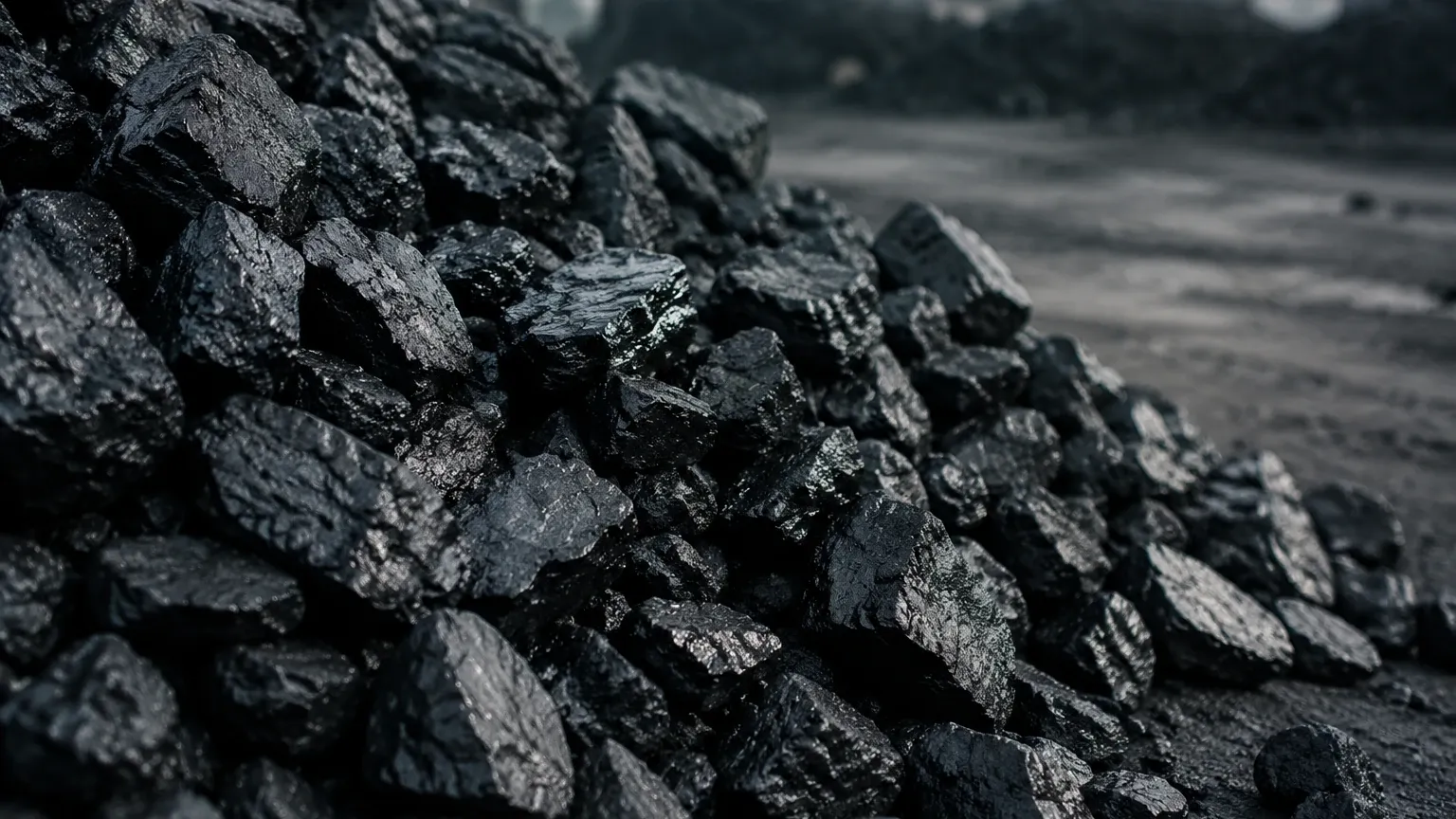
In the metallurgical and energy sectors, the production of coke oven coke represents a critical link in the value chain, particularly for integrated steel mills. Coke oven coke is the solid carbonaceous residue derived from the destructive distillation of specific grades of bituminous coal. This process, known as carbonization or coking, occurs in large-scale batteries of ovens in the absence of air at temperatures often exceeding 1,000°C (1,832°F).
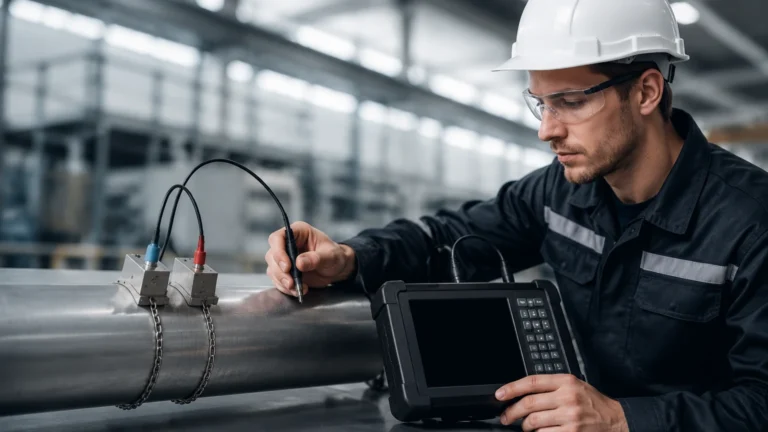
For plant engineers and instrumentation specialists, managing the lifecycle of coke oven coke—from the initial coal storage to the final screening and load-out—presents some of the most demanding environmental challenges in industrial automation. Precise level measurement is essential to ensure a continuous feed to the ovens, prevent silo overfills, and optimize the quenching process. This article examines the technological requirements for monitoring levels in coking operations and provides an engineering framework for selecting the appropriate instrumentation.
The Role of Level Measurement in Coke Production
The transformation of coal into coke oven coke is a batch-process operation that requires meticulous inventory management. The process begins in the coal preparation plant, where various coal types are blended and crushed. This blended coal is then stored in massive coal towers or bunkers located above the coke oven batteries.
Level sensors are deployed at several critical stages:
1. Coal Towers: These silos must maintain a consistent supply to the charging cars that feed the ovens. Accurate level data prevents production halts and ensures the structural integrity of the silo by avoiding empty-cone conditions.
2. Coke Quenching: After the coking cycle (typically 12 to 20 hours), the red-hot coke is pushed into a quenching car and cooled with water. Monitoring the level of coke in the quenching tower or on the cooling wharf is vital for safety and throughput.
3. Final Storage Silos: Finished coke oven coke is abrasive and dusty. Level measurement here facilitates efficient logistics and railcar loading.
Measurement Principles for Solid Level Detection
Before selecting a specific instrument for coke oven coke applications, it is necessary to understand the underlying physics of the primary measurement technologies used in the industry.
Radar Level Measurement (ToF)
Radar instruments operate on the Time-of-Flight (ToF) principle. The sensor emits a high-frequency electromagnetic pulse (typically in the 26 GHz or 80 GHz range). This pulse travels through the air, reflects off the surface of the coal or coke, and returns to the sensor. Since the speed of light is constant, the distance is calculated based on the time interval between emission and reception.
In coking plants, non-contact radar is preferred because it is not affected by the density of the material or the extreme dust generated during coal handling. 80 GHz radar, in particular, offers a narrow beam angle, which is advantageous for avoiding internal silo obstructions like ladders or reinforcement beams.
Ultrasonic Level Measurement
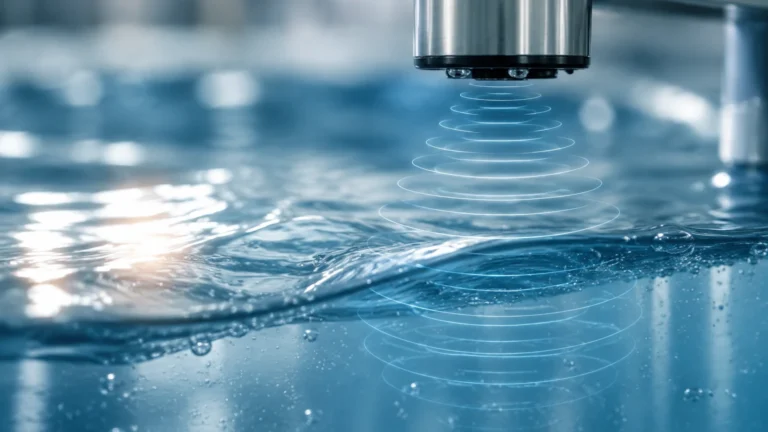
Ultrasonic sensors emit mechanical sound waves. Like radar, they use the ToF principle. However, sound requires a medium (air) to travel. The speed of sound varies with air temperature and pressure. While cost-effective, ultrasonic technology faces limitations in coke oven coke applications due to the high levels of acoustic noise during filling and the signal-absorbing nature of fine coke dust.
Hydrostatic and Contact Methods
While hydrostatic pressure is the standard for liquids, it is inapplicable to solids like coke oven coke. Contact methods, such as Guided Wave Radar (GWR) or electromechanical "plumb bob" systems, are sometimes used. GWR utilizes a cable or rod to guide the radar pulse. While highly accurate, the abrasive nature of coke can cause significant wear on the probe over time, leading to high maintenance costs.
Selecting Level Meters for Coke Oven Environments
Choosing the right technology requires an analysis of the specific process conditions. The environment surrounding coke oven coke is characterized by high temperatures, heavy dust, and potential steam during quenching.
1. Handling Heavy Dust and Steam
During the loading of coal into towers or the transport of finished coke, dust concentrations are extremely high. Radar signals penetrate dust clouds with minimal attenuation. However, in quenching areas where steam is prevalent, the dielectric constant of the medium changes. For these zones, high-frequency radar with specialized signal processing is required to filter out reflections from steam clouds.
2. Temperature Considerations
Coke exiting the oven is at temperatures near 1,000°C (1,832°F). Even after quenching, the material may still be off-gassing or radiating significant heat. Instrumentation must be equipped with cooling jackets (air or water) or stand-off pipes to protect the electronics from thermal damage. For more information on instrument durability and industrial specifications, you may Review product options and application support at the Welk Main Page.
3. Material Characteristics
Coke oven coke has a low dielectric constant ($ε_r$), typically ranging from 1.5 to 2.5. This means the material is relatively "transparent" to radar waves. To get a reliable reflection, the sensor must have high sensitivity and sophisticated algorithms to distinguish the weak surface reflection from the background noise of the silo bottom.
Technical Selection Table: Radar vs. Ultrasonic
| Feature | 80 GHz Radar | Ultrasonic Sensor | Guided Wave Radar (GWR) |
| :— | :— | :— | :— |
| Medium | Coal / Coke Oven Coke | Coal (Limited) | Coal / Coke |
| Dust Tolerance | Excellent | Poor to Moderate | Excellent |
| Steam Tolerance | High | Low | High |
| Measurement Range | Up to 120m (393 ft) | Up to 30m (98 ft) | Up to 75m (246 ft) |
| Abrasive Resistance | High (Non-contact) | High (Non-contact) | Low (Cable wear) |
| Accuracy | ±1 mm | ±0.25% of range | ±2 mm |
| Maintenance | Low | Moderate | High (Probe replacement) |
Installation and Engineering Considerations
Successful level monitoring of coke oven coke depends as much on installation geometry as it does on the sensor technology.
* Beam Angle and Obstructions: When installing a radar meter on a coal tower, the sensor should be positioned away from the filling stream. If the beam hits the falling coal, it will report a false high level. A narrow beam angle (e.g., 3°) is critical for tall, narrow silos.
* Angle of Repose: Solid materials like coke do not form a flat surface; they form a cone (during filling) or a funnel (during discharge). The sensor should be mounted at approximately 1/6th to 1/3rd of the silo diameter from the wall to represent the average volume accurately.
* Purging Systems: To prevent dust buildup on the sensor lens, which can eventually block the signal, an air-purge connection is highly recommended. A continuous flow of low-pressure plant air keeps the antenna clean and provides a secondary cooling effect.
* Mounting Flanges: Use adjustable swivel flanges. These allow engineers to aim the radar beam at the center of the material cone, maximizing the returned signal strength from the low-dielectric coke oven coke.
Limitations and Operational Risks
Despite the advancement in sensor technology, certain limitations remain in the coking environment:
1. Signal Absorption: Fine coke breeze (very small particles) can act as an acoustic or electromagnetic sponge. In these cases, increasing the gain or using a larger antenna size is necessary.
2. Internal Echoes: Large steel reinforcements inside coal bunkers can create "ghost" images. Modern radar software allows for "False Echo Suppression," where the instrument learns the static environment and ignores fixed reflections.
3. Environmental Hazards: Coking plants are often classified as hazardous areas due to the presence of coal dust (explosive) and coke oven gas (toxic/flammable). All level meters must carry appropriate ATEX, IECEx, or UL certifications for Class II, Div 1 or 2 environments.
Frequently Asked Questions (FAQ)
Q: Can I use a laser level meter for coke oven coke?
A: Laser meters provide excellent accuracy in clear air. However, they fail in the presence of the heavy dust typically found in coking operations. Radar is a more robust choice for this specific application.
Q: How does the moisture content of the coal affect measurement?
A: For radar, higher moisture content in the coal actually increases the dielectric constant, making the material easier to detect. For ultrasonic, moisture does not directly affect the reflection but may contribute to heavier dust sticking to the sensor face.
Q: What is the typical lifespan of a level sensor in a coking plant?
A: With proper air purging and heat shielding, a high-quality non-contact radar sensor can last 5 to 10 years. Contact-based systems like GWR or plumb bobs may require cable replacements every 12 to 24 months due to the abrasive nature of the coke.
Conclusion
Managing the production and storage of coke oven coke requires instrumentation that can withstand some of the harshest conditions in modern industry. While ultrasonic and contact-based systems have their niche, 80 GHz non-contact radar has emerged as the engineering standard for coal towers and coke silos due to its dust penetration, accuracy, and low maintenance requirements. By following proper installation guidelines—specifically regarding beam aiming and air purging—operators can ensure reliable inventory data, enhancing both the safety and efficiency of the coking process.